If your Jeep Cherokee shakes when you drive, it can feel alarming and uncomfortable. Whether it happens at high speeds, when you brake, or during normal driving, a shaking Jeep is a sign something needs attention. Ignoring the problem can lead to bigger repairs or even unsafe driving conditions. This article will guide you through the most common causes of shaking, how to diagnose the issue, and what you can do to solve it.
Common Reasons Your Jeep Cherokee Shakes
Understanding the main causes can help you address the shaking quickly and avoid expensive repairs. Here are the most frequent reasons:
1. Tire Problems
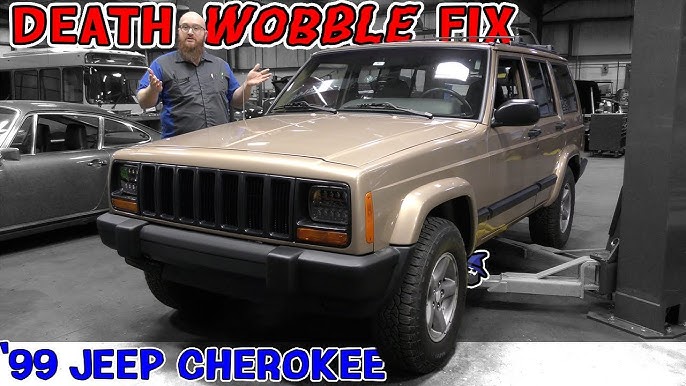
Worn, unbalanced, or damaged tires are the top reason for shaking. Even a small imbalance can make the whole vehicle vibrate, especially at speeds over 50 mph.
- Uneven tire wear: Often caused by poor alignment or suspension issues.
- Out-of-balance tires: You may feel the steering wheel shake or a general vibration.
- Damaged tires or wheels: A bent rim or a bubble in the tire can create a noticeable shake.
2. Wheel Alignment Issues
Misaligned wheels can make your Jeep pull to one side and cause vibrations. Alignment problems usually show up after hitting a curb or driving through a deep pothole.
3. Suspension And Steering Problems
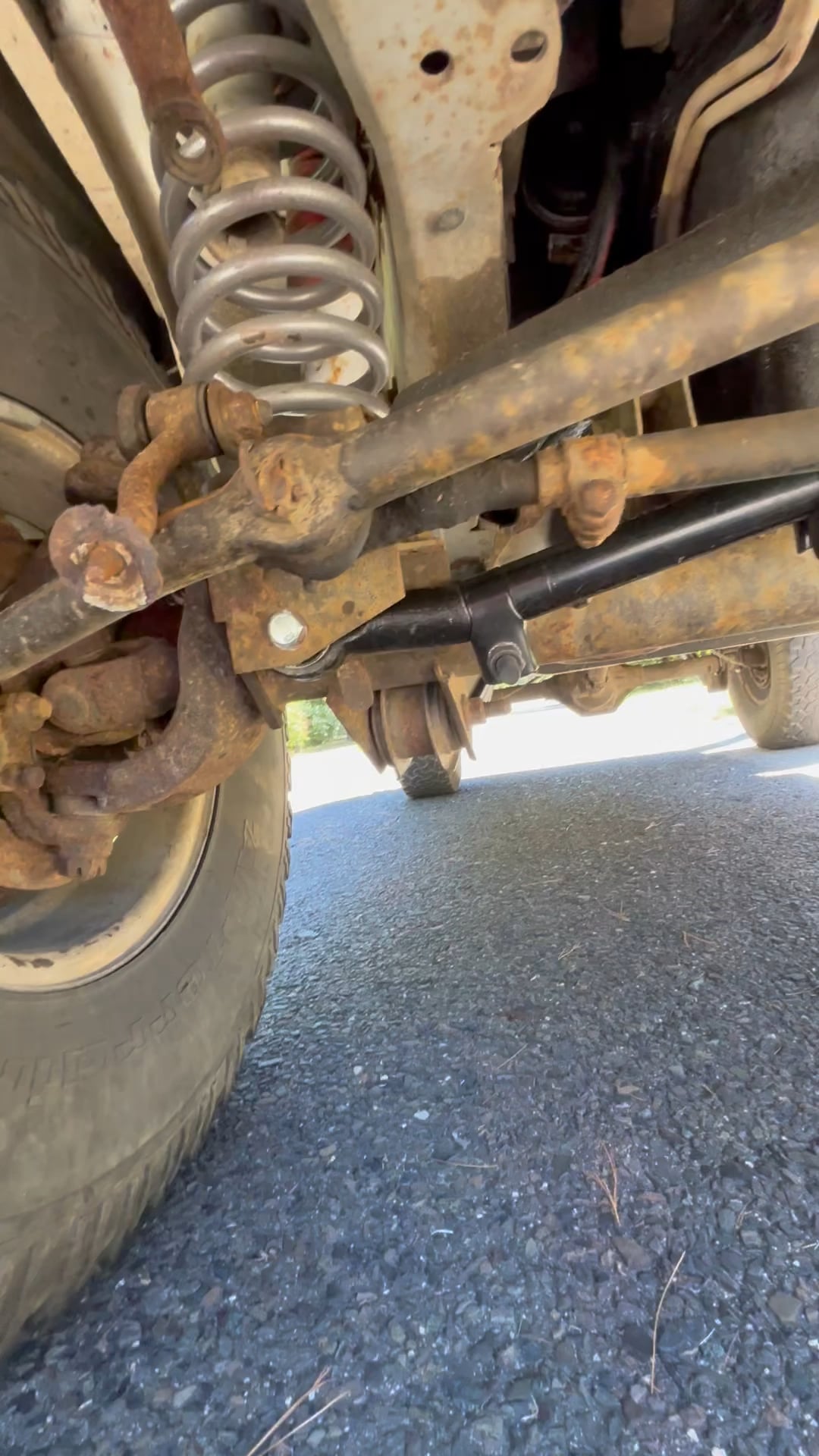
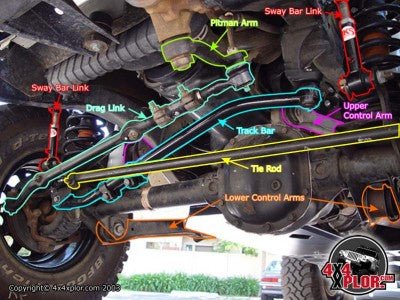
Parts like tie rods, ball joints, and control arms connect your wheels to the Jeep’s frame. If these wear out, you’ll feel shaking, especially when turning or driving over bumps.
4. Brake Problems
If your Cherokee shakes when braking, warped brake rotors are likely. You’ll notice the steering wheel vibrate when you press the brake pedal. Bad brake pads or calipers can also cause similar symptoms.
5. Engine Or Transmission Issues
If the shake happens only at idle or during acceleration, the engine or transmission mounts could be weak or damaged. Misfiring spark plugs and clogged fuel injectors can also cause engine vibrations.
6. Driveshaft Or Axle Damage
A bent driveshaft or damaged axle is less common but serious. This usually follows hitting something hard or an accident.
You’ll feel a strong, rhythmic shake, often at all speeds.
How To Diagnose The Shaking
Finding the exact cause of your Jeep’s shaking can save you time and money. Here’s how to narrow it down:
| Symptom | Most Likely Cause |
|---|---|
| Shakes at high speed | Unbalanced tires, alignment, bent wheel |
| Shakes when braking | Warped rotors, worn brake parts |
| Shakes at idle | Engine mounts, misfire, fuel/air issue |
| Shakes when turning | Suspension or steering parts |
Quick Checks You Can Do
- Inspect tires: Look for uneven wear, low pressure, or visible damage.
- Check for recent impacts: Think back to any curbs, potholes, or accidents.
- Notice when the shake happens: Make a note if it occurs at certain speeds, only when braking, or at idle.
What To Do About A Shaking Jeep Cherokee
Once you know the possible cause, you can decide what to do next. Here’s a breakdown of solutions and what each typically costs:
| Fix | Estimated Cost | DIY or Professional? |
|---|---|---|
| Tire balancing | $15–$50 per wheel | Professional |
| Wheel alignment | $75–$120 | Professional |
| New tires | $400–$800 (set of 4) | Professional |
| Brake repair (rotors/pads) | $200–$500 | Professional |
| Suspension/steering repair | $150–$1,000+ | Professional |
DIY tire pressure checks and visual inspections are easy. But most repairs—especially brakes, suspension, or alignment—are best left to a trusted mechanic.
Non-obvious Causes And Tips
Sometimes, the shaking is not from the usual suspects. Here are two insights many owners miss:
- Aftermarket wheels or tires: If you recently changed to larger or non-factory wheels, they may not fit perfectly. This can cause vibrations even if everything else looks okay.
- Mud or snow buildup: Off-roading or winter driving can make mud or ice stick inside the wheels, throwing off the balance. Clean your wheels thoroughly if you notice a sudden shake after these conditions.
Regular rotation and balancing every 6,000–8,000 miles can prevent many vibration problems.
When To See A Mechanic
If the shaking is strong, sudden, or gets worse quickly, get your Jeep checked as soon as possible. Vibrations that come with noises, burning smells, or warning lights should never be ignored.
Driving with a severe shake can damage your vehicle or cause loss of control.
Preventing Future Shaking
Good maintenance makes a big difference. Here’s what to focus on:
- Check tire pressure monthly and before long trips.
- Rotate tires and balance them regularly.
- Inspect suspension and brakes at least once a year.
- Fix alignment after any hard impacts.
Following your Jeep’s maintenance schedule keeps you safer and reduces repair costs.
Frequently Asked Questions
Why Does My Jeep Cherokee Shake Only At Highway Speeds?
Highway-speed shaking is usually due to unbalanced tires or a bent wheel. Sometimes, a damaged suspension part or bad alignment is the cause. Make sure your tires are balanced and check for visible damage.
Can Bad Spark Plugs Cause My Jeep Cherokee To Shake?
Yes. Worn or fouled spark plugs can cause engine misfires, leading to shaking especially at idle or during acceleration. Replacing spark plugs is a simple and affordable repair for most models.
Is It Safe To Drive My Jeep Cherokee If It Shakes?
It depends on the cause. A mild shake from tire imbalance is not an emergency but should be fixed soon.
Strong, sudden, or worsening shakes should be checked right away, as they could be dangerous.
Why Does My Jeep Shake After Getting New Tires?
New tires sometimes need to be balanced again after installation. Also, low-quality or incorrect-size tires can cause vibration. Go back to the shop for a re-balance and check that the right size was installed.
How Much Does It Cost To Fix A Shaking Jeep Cherokee?
Costs vary by problem. Simple fixes like balancing tires cost under $100, while suspension or brake repairs can be several hundred dollars. Always get an estimate before repairs.
If you want more detailed Jeep Cherokee maintenance tips, check the official Jeep Maintenance Schedule.
A shaking Jeep Cherokee is usually fixable and often just needs basic attention. Finding and solving the problem early will keep your ride smooth and your Jeep running for years to come.


















