Why Do People Have Ducks In Jeeps
If you’ve ever spotted a small rubber duck sitting on the dashboard or exterior of a Jeep, you may have wondered why it’s there. This playful trend, called Jeep Ducking, has become a global phenomenon among Jeep owners. It’s more than just decoration—it’s about community, kindness, and a shared love for adventure. Let’s explore why ducks have found a special place in Jeeps and why this trend continues to grow.
The Origin Of Jeep Ducking
The story of Jeep Ducking started in 2020 in Ontario, Canada. During the COVID-19 pandemic, a Jeep owner named Allison Parliament placed a rubber duck on a stranger’s Jeep as a random act of kindness. She also left a note. The gesture was meant to spread happiness during a difficult time.
Surprisingly, the idea caught on quickly. Jeep owners began leaving rubber ducks on other Jeeps, sharing photos on social media with the hashtag #duckduckjeep. The trend spread from Canada to the United States and then around the world.
What Does The Duck Symbolize?
For many, the rubber duck has become a symbol of friendliness and positivity. When a Jeep owner finds a duck on their vehicle, it’s seen as a compliment from another member of the Jeep community. It means, “I see your Jeep, and I appreciate it.”
Ducks also stand for:
- Surprise: Owners never know when they’ll find a duck on their Jeep.
- Inclusion: Ducking welcomes new Jeep owners into the community.
- Joy: A small toy can bring a big smile, especially on a hard day.
How Jeep Ducking Works
The process is simple and open to everyone who drives a Jeep. Here’s how it usually happens:
- Buy rubber ducks: Any color, size, or theme works.
- Write a note or hashtag: Many include #duckduckjeep or a kind message.
- Spot a Jeep: See a Jeep parked in a lot or on the street.
- Leave a duck: Place it on the handle, mirror, or dashboard.
- Share online: Many people post photos of the ducks they receive.
The act is always meant to be friendly. Most Jeep owners see it as a fun surprise, but it’s important to respect private property and never damage the vehicle.
Why Ducks And Not Another Toy?
The choice of a duck is part practical, part playful. Rubber ducks are small, waterproof, and easy to find. Their bright colors and cheerful look make them perfect for spreading happiness. Unlike other toys, ducks have a universal, non-threatening vibe—no sharp edges or complex meanings.
Here’s a brief comparison with other possible toys:
| Toy | Why Chosen/Not Chosen | Community Reaction |
|---|---|---|
| Rubber Duck | Bright, waterproof, friendly | Very Positive |
| Plastic Dinosaur | Fun, but less universal | Mixed |
| Mini Car | Related to vehicles, but less playful | Neutral |
Building Community And Making Connections
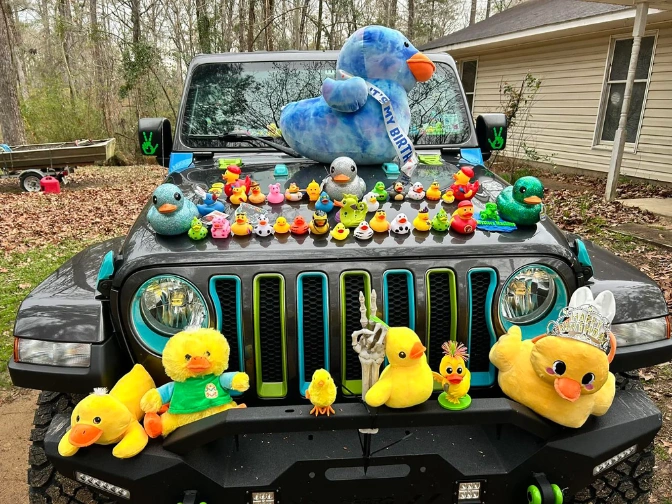
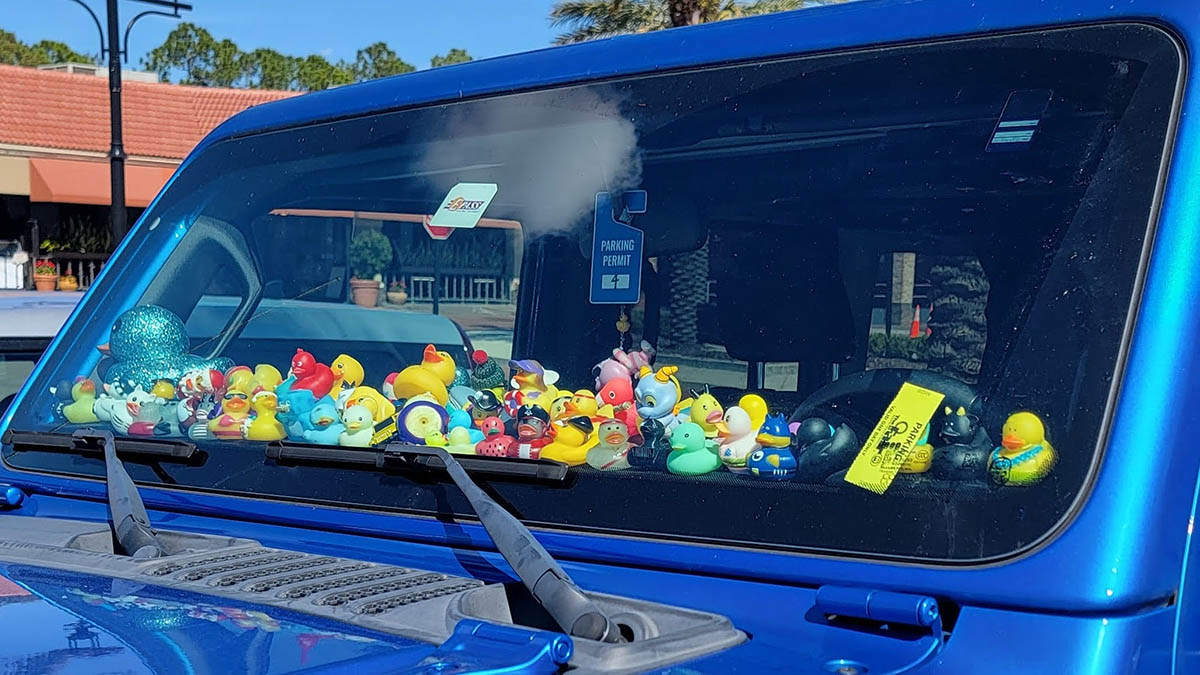
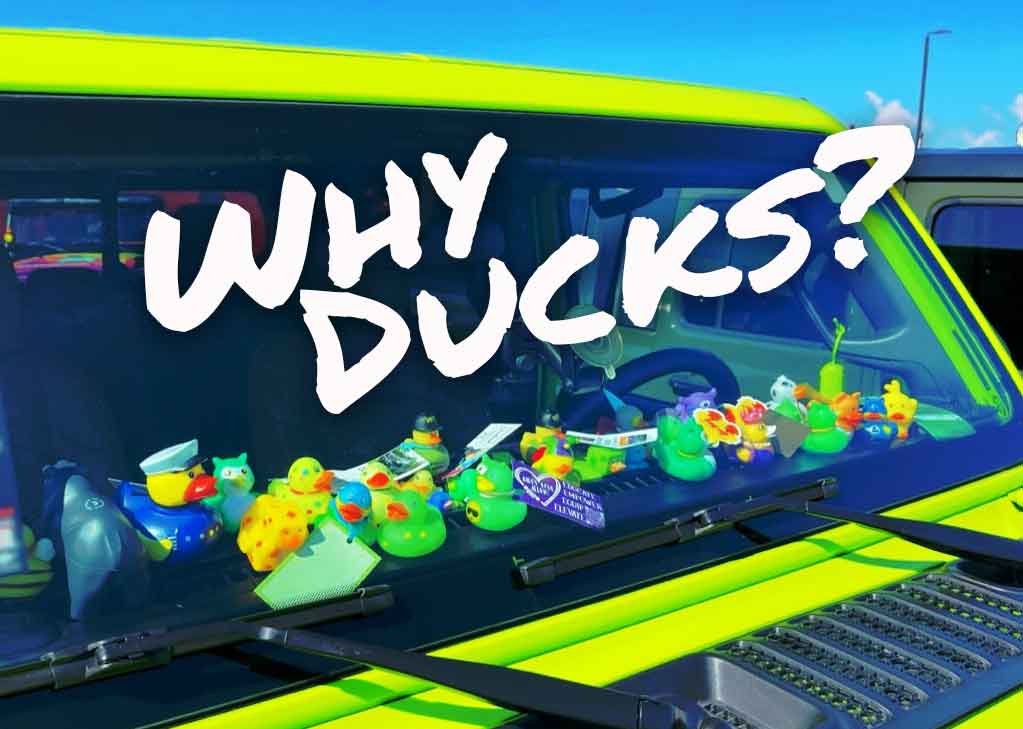
One unique part of Jeep culture is how owners wave to each other, even if they’re strangers. Ducks add a new, physical layer to these connections. People often keep a collection of the ducks they receive, sometimes lining them up on their dashboard as a badge of honor.
This trend has even led to Jeep meetups, where owners exchange ducks and stories. Social media groups now exist just for sharing ducking adventures. Some Jeep dealerships have also joined in, giving new owners a duck with their vehicle.
A Sense Of Belonging And Identity
Not every car brand inspires this kind of loyalty. Jeeps are known for their off-road abilities and unique look. The ducking tradition highlights the strong sense of belonging among Jeep owners.
Here’s how ducking impacts identity:
| Aspect | Jeep Community | Other Car Communities |
|---|---|---|
| Traditions | Ducking, Jeep wave, off-road meetups | Model-specific events |
| Symbols | Rubber ducks, badges, stickers | Limited symbols |
| Social Connection | Very strong | Varies |
Non-obvious Insights
Most people think ducking is just a joke. But some Jeep owners use their ducks for charity. For example, they sell special ducks and donate the money to local causes. Ducks have also started conversations between strangers that led to friendships or even business connections.
Another detail is that ducking has helped new Jeep owners feel welcomed. Many say their first duck made them feel like part of a “Jeep family,” especially after buying their first vehicle.
How Safe Is It?
Placing a small, light object like a duck on the outside or inside of a Jeep is generally safe. Still, owners should avoid blocking mirrors or controls. It’s best to leave ducks where they won’t fall off and become road hazards.
Is It Just A Fad?
Some trends come and go, but Jeep ducking has lasted several years and keeps growing. Unlike trends that require expensive gear, all you need is a small rubber duck and a kind spirit.
If you want to learn more about the origin and growth of this trend, the Wikipedia page on Jeep Ducking has additional details.
Frequently Asked Questions
Why Do People Put Ducks On Jeeps?
People put ducks on Jeeps to show kindness, connect with other Jeep owners, and spread a little happiness. It’s a symbol of welcome and fun within the Jeep community.
Can Anyone Start Jeep Ducking?
Yes, anyone who owns or loves Jeeps can join in. All you need are rubber ducks and a willingness to make someone’s day brighter.
Are There Rules For Jeep Ducking?
There are no strict rules, but it’s best to avoid causing damage, use clean ducks, and always act with respect. Writing a short note or hashtag is also common.
What Do People Do With The Ducks They Receive?
Many Jeep owners keep their ducks as decorations or souvenirs. Some line them up on their dashboard or use them as reminders of positive connections.
Is Ducking Only For Jeeps?
While ducking is most popular with Jeeps, a few other car groups have adopted similar ideas. However, it remains a unique tradition in the Jeep community.
The next time you see a duck in a Jeep, you’ll know it’s more than just a toy. It’s a sign of community, a creative tradition, and proof that small gestures can make a big difference.