Jeeps have a unique reputation in the automotive world. Many car owners notice that while some vehicles lose value quickly, Jeeps hold their value better than most. But why does this happen? If you are thinking about buying a Jeep or already own one, understanding this topic can help you make smarter decisions.
The Jeep Brand Legacy
Jeeps are not just cars—they are part of American history. The Jeep brand began during World War II. It was created for the US military, and its image is strongly tied to toughness and adventure. This history gives Jeep an edge over many other brands. When people see a Jeep, they think of reliability, strength, and outdoor spirit.
This strong brand image helps keep Jeep resale values high. People feel that owning a Jeep means joining a tradition that has lasted for decades. Even older Jeeps often have a loyal fan base, which is rare for most other vehicles.
High Demand And Limited Supply
One key reason Jeeps hold value is simple: high demand and limited supply. People across the US and around the world want Jeeps for different reasons—off-roading, city driving, or just for style.
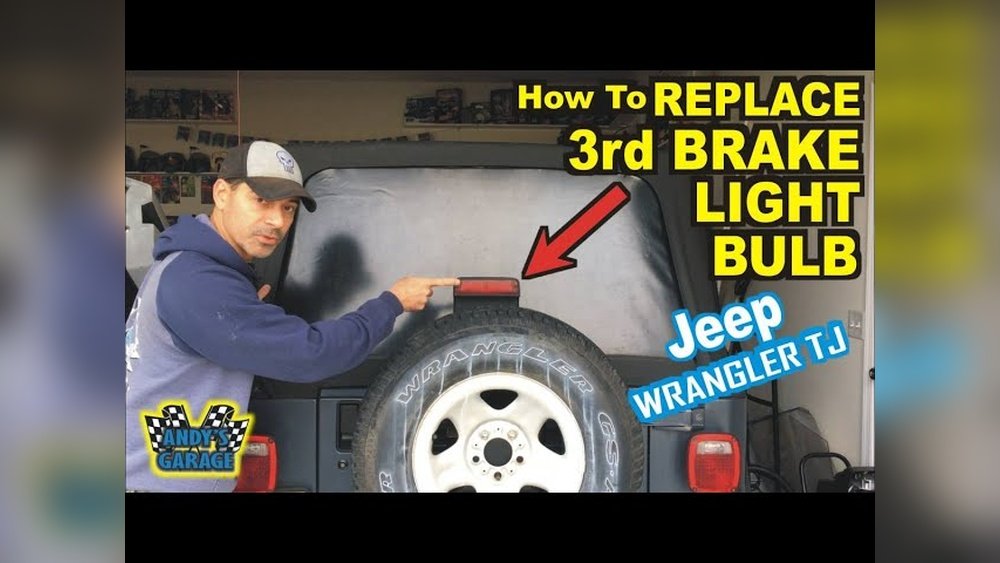
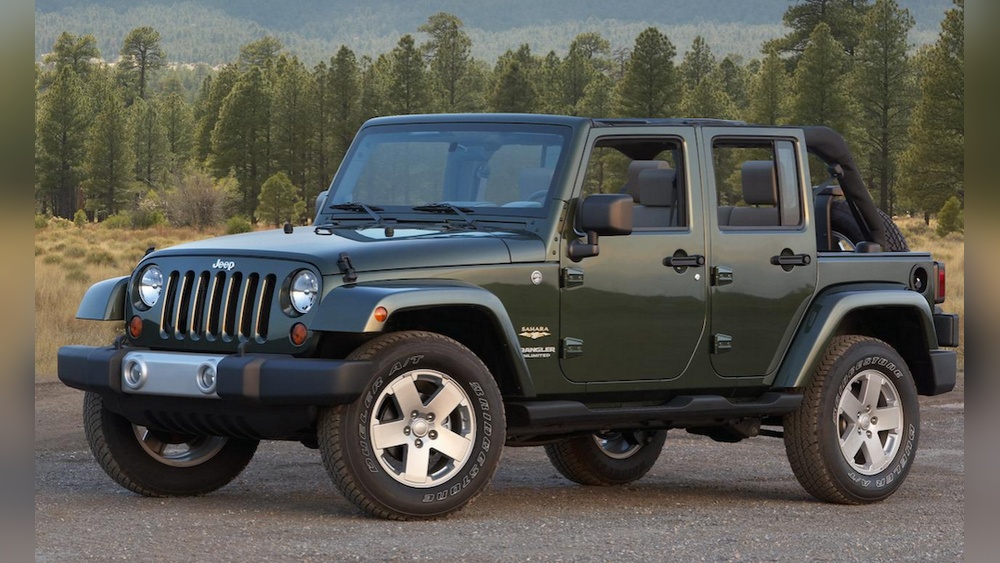
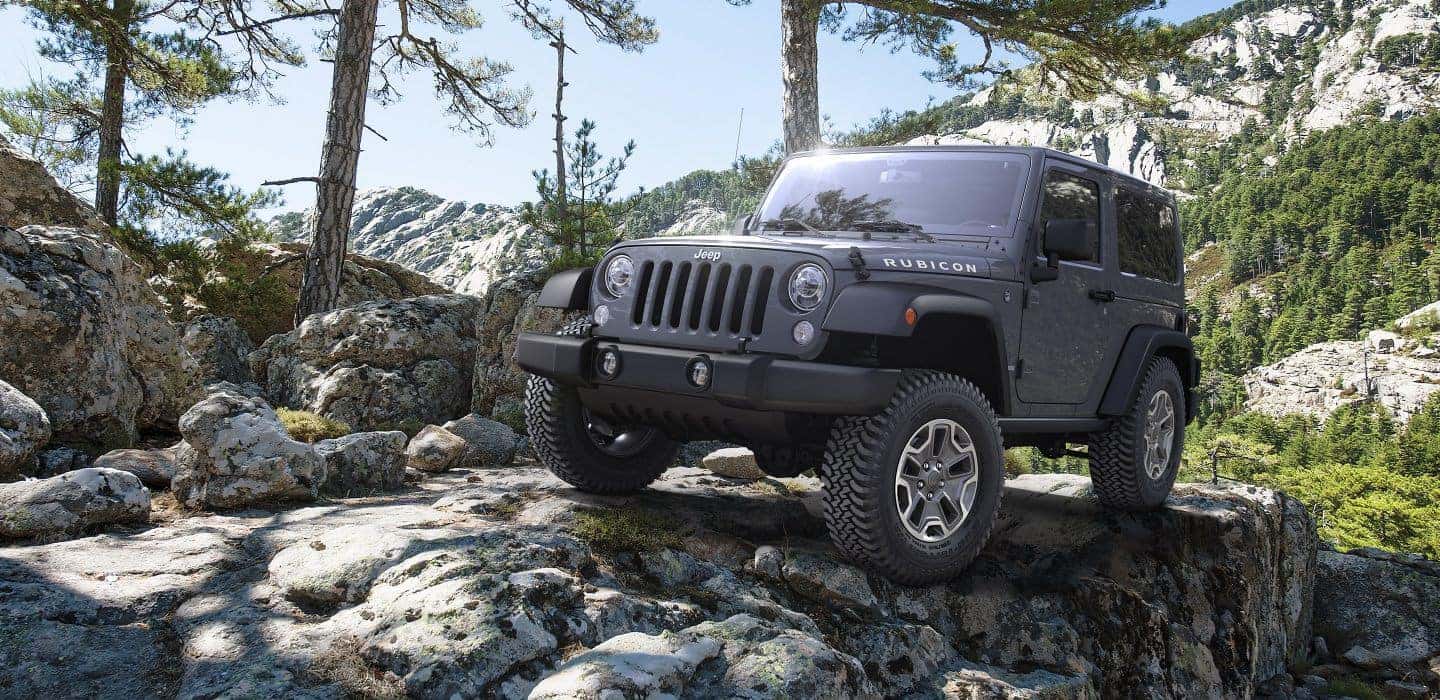
Look at the Jeep Wrangler. It is a favorite for both new and used car buyers. There are not as many Wranglers available as, for example, sedans from other brands. This balance keeps used prices higher.
| Model | 3-Year Depreciation (%) | Average Resale Value ($) |
|---|---|---|
| Jeep Wrangler | 9% | 31,500 |
| Average SUV | 39% | 25,000 |
| Sedan (All Brands) | 52% | 20,000 |
Most SUVs lose nearly 40% of their value in three years. The Wrangler, however, loses only about 9%—less than any other SUV in the US.
Rugged Build And Off-road Ability
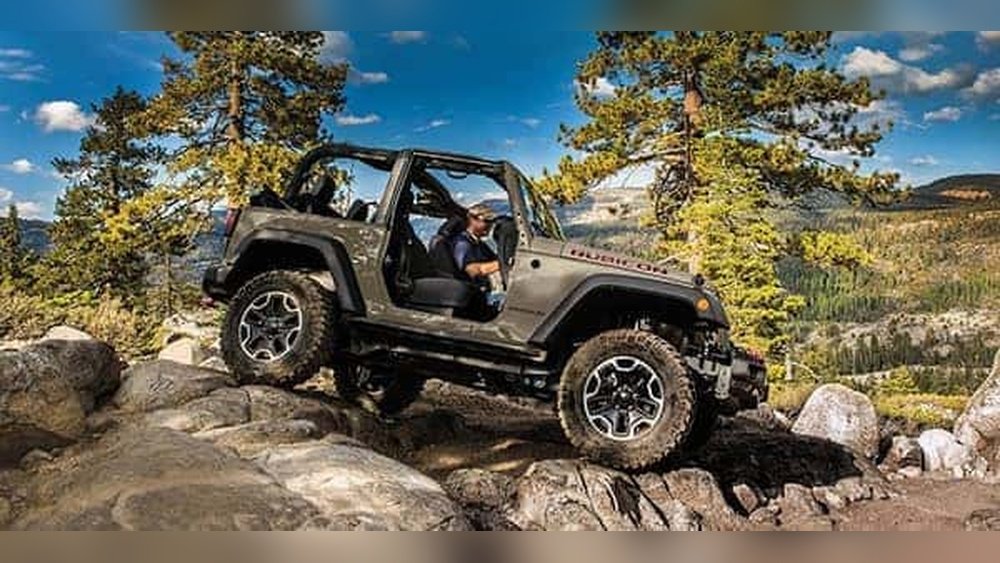
Jeeps are built for tough roads and rough conditions. Their rugged design and advanced off-road features make them stand out. Many other SUVs look tough but cannot perform the same way. Features like four-wheel drive, high ground clearance, and solid axles make Jeeps ideal for adventure.
Because Jeeps can handle both city streets and wild trails, they appeal to a wide group of buyers. Some purchase them for daily use, while others want them for weekends and travel. This flexibility keeps used Jeeps in demand.
Real-world Example
A 7-year-old Jeep Wrangler can still sell for more than 60% of its original price, especially if it has been well maintained. Many other SUVs of the same age sell for much less. This shows how Jeep’s tough build and image work together to protect value.
Strong Aftermarket Support
Another key factor is the aftermarket community. Jeep owners love to modify their vehicles. There are thousands of parts, accessories, and upgrades available for Jeeps. This makes old Jeeps just as exciting as new ones.
When people sell their used Jeep, they often add extras like new tires, lift kits, or custom lights. These upgrades can make the vehicle more valuable. Buyers are willing to pay more for a used Jeep that fits their style or adventure needs.
| Vehicle Brand | Number of Aftermarket Accessories |
|---|---|
| Jeep | 6,000+ |
| Toyota | 4,000 |
| Ford | 3,500 |
No other SUV brand has this level of aftermarket support. This active community helps keep Jeep values high.
Unique Ownership Experience
Owning a Jeep is different from owning other cars. Jeep drivers often join local clubs, attend events, and explore off-road trails together. This Jeep community creates a sense of belonging, which adds to the brand’s appeal.
Many buyers pay a premium to be part of this culture. Used Jeeps often come with stories and memories, making them more attractive than a regular used car.
Low Depreciation Rates
Depreciation is the decrease in value over time. All cars lose value, but Jeeps do it more slowly. According to recent studies, the Jeep Wrangler has the lowest 5-year depreciation of any vehicle in the US.
| 5-Year Depreciation (%) | Vehicle Model |
|---|---|
| 32% | Jeep Wrangler |
| 40% | Toyota 4Runner |
| 53% | Average SUV |
If you buy a Jeep, you are likely to lose less money over the years compared to most other vehicles.
Non-obvious Insights
Many new buyers do not realize that Jeep’s unique design—like its removable doors and roof—makes it more fun and valuable in the used market. Another hidden factor is the strong export market; used Jeeps are wanted in other countries, which increases demand and helps prices stay high.
Common Buyer Mistakes
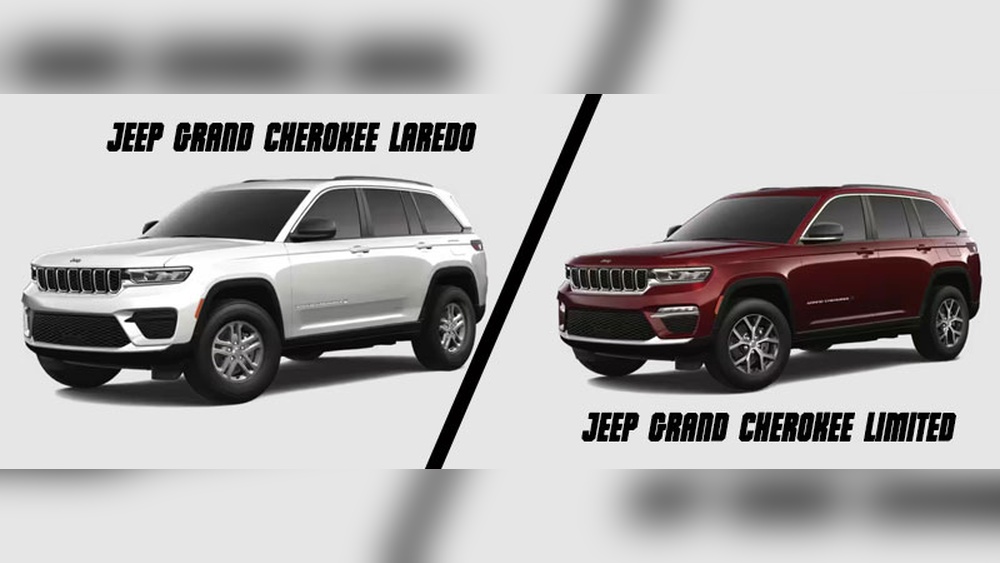
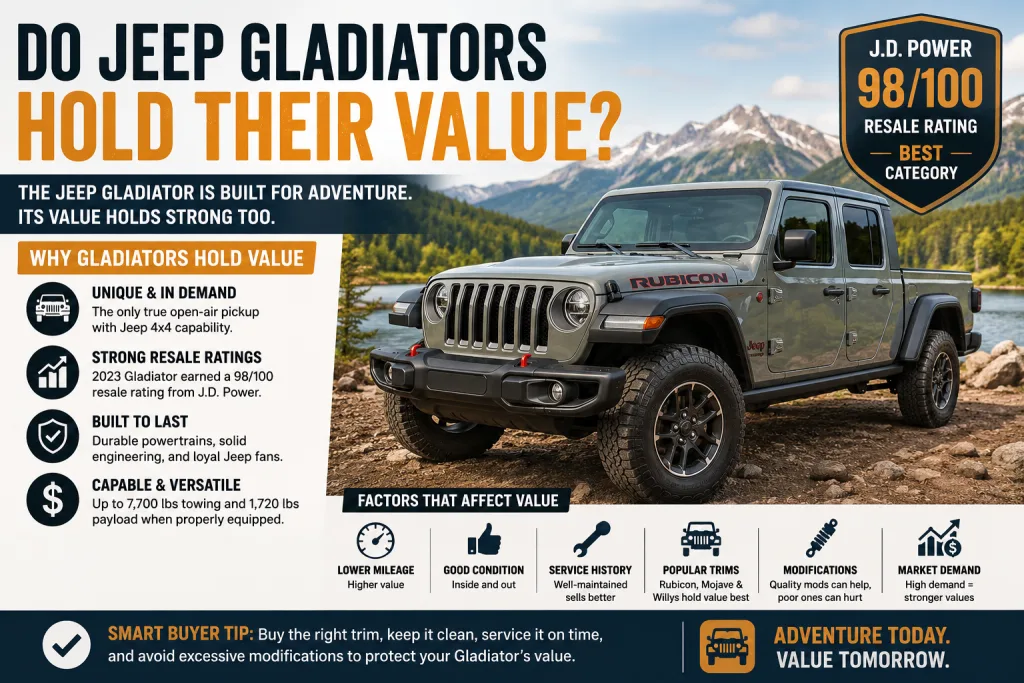
Some buyers think all Jeeps keep their value equally. In reality, models like the Wrangler and Gladiator hold value best. Other Jeep models, like the Compass or Cherokee, may lose value faster.
Another mistake is ignoring vehicle condition. A Jeep that has been heavily modified or used off-road without care can lose value quickly. Always check the service history and inspect for rust or damage before buying.
Is Buying A Jeep A Smart Investment?
Jeeps are not just about fun—they can also be a smarter financial choice. While no car is a perfect investment, Jeeps do better than most. Their mix of history, demand, and community support keeps values high.
For more data on car depreciation rates, you can check the Kelley Blue Book.
Frequently Asked Questions
Why Do Jeep Wranglers Hold Their Value More Than Other Jeep Models?
The Jeep Wrangler has a stronger brand image and is built for off-road use. It has a loyal fan base, unique features, and is in high demand both new and used.
How Does Jeep’s History Affect Resale Value?
Jeep’s history as a military vehicle adds to its appeal. Buyers trust the brand’s toughness and reliability, which keeps used prices higher.
Are All Jeep Models Good Investments?
No, only certain models like the Wrangler and Gladiator hold value very well. Other models, such as the Compass or Patriot, may depreciate faster.
What Should I Check Before Buying A Used Jeep?
Check the service history, look for rust or damage, and inspect for signs of heavy off-road use. Condition matters a lot for resale value.
Do Jeeps Cost More To Maintain?
Jeeps can cost a bit more to maintain, especially if used off-road. However, the strong aftermarket support means parts are easy to find, and many repairs are simple.
Jeeps are more than just vehicles—they are a lasting symbol of adventure and quality. If you want a car that holds value, offers flexibility, and gives you a sense of community, a Jeep is hard to beat.