Why Do Jeeps Have Rubber Ducks
If you’ve ever walked past a Jeep and noticed a small rubber duck sitting on the dashboard or clinging to the hood, you might have wondered why it's there.
These little yellow ducks are not just cute decorations—they're part of a unique and growing tradition in the Jeep community called "Jeep Ducking." This article explains how this trend started, why it matters to Jeep owners, and what makes it so special.
The Origin Of Jeep Ducking
The Jeep Ducking phenomenon began in 2020 in Ontario, Canada. During the global COVID-19 pandemic, a Jeep owner named Allison Parliament decided to lift people’s spirits in a simple way. After a stressful trip, she placed a rubber duck on another Jeep with a note saying, “Nice Jeep!” The gesture quickly caught on. Within weeks, Jeep drivers across North America began leaving ducks on each other’s vehicles.
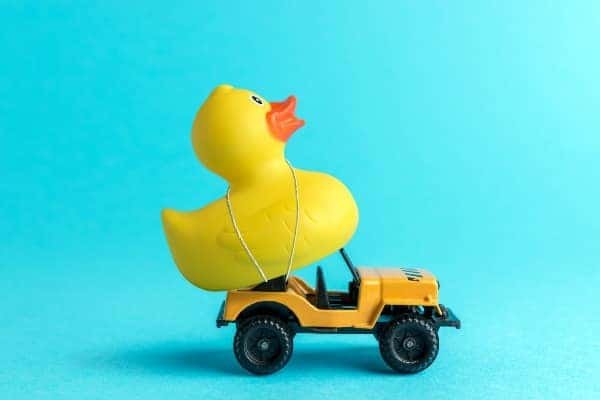
This spontaneous act turned into a viral trend. Jeep owners started sharing photos of their ducks on social media using hashtags like #DuckDuckJeep.
The movement spread internationally, connecting people who may never meet but share a love for their vehicles.
The Meaning Behind The Ducks
For many Jeep owners, a rubber duck represents more than a joke or a fun surprise. It’s a symbol of kindness and appreciation. The Jeep community is known for its friendliness and willingness to help others, and ducking fits right in with that culture.
Here’s what a rubber duck on a Jeep might mean:
- Someone appreciates your Jeep.
- You are part of a welcoming community.
- A stranger wanted to brighten your day.
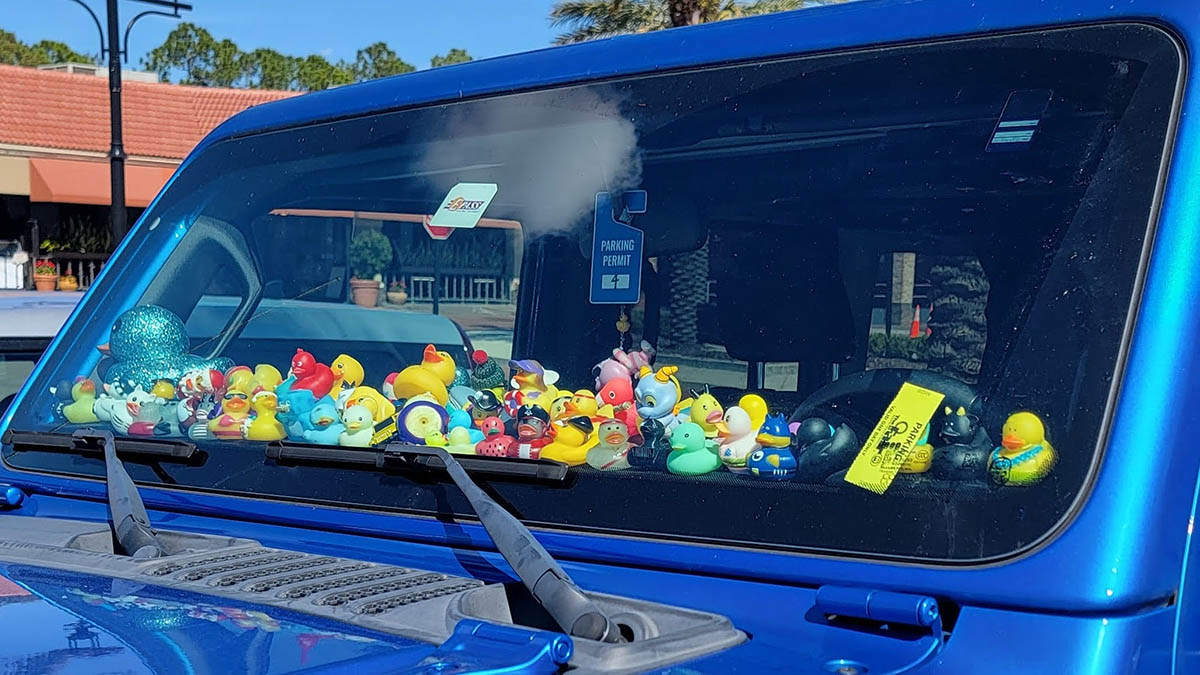
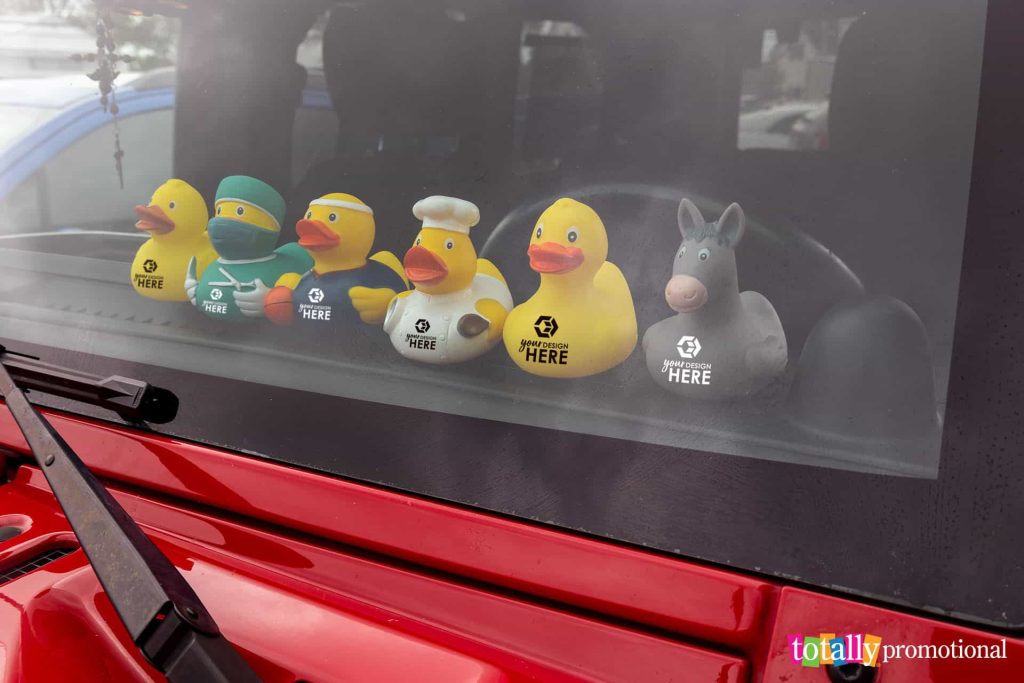
The ducks are usually left anonymously, which adds to the excitement. Some Jeep drivers collect their ducks on the dashboard as a badge of honor, showing off the number they’ve received.
Why The Jeep Community Loves The Ducking Trend
The Jeep brand is famous for its strong sense of community. Jeep owners often wave at each other on the road—a practice known as the Jeep wave—and join off-road groups and meetups. Jeep Ducking is another way to connect.
There are a few reasons this trend fits so well:
- Shared Experience: Jeep driving is often about adventure and exploration. The ducks add a playful twist.
- Inclusivity: Any Jeep model can be ducked, from Wranglers to Cherokees. This makes everyone feel included.
- Positivity: In difficult times, small acts of kindness can have a big effect.
It’s important to note that ducking is meant to be friendly. If someone doesn’t want to participate, that’s okay too there’s no obligation to leave or keep a duck.
How Jeep Ducking Works
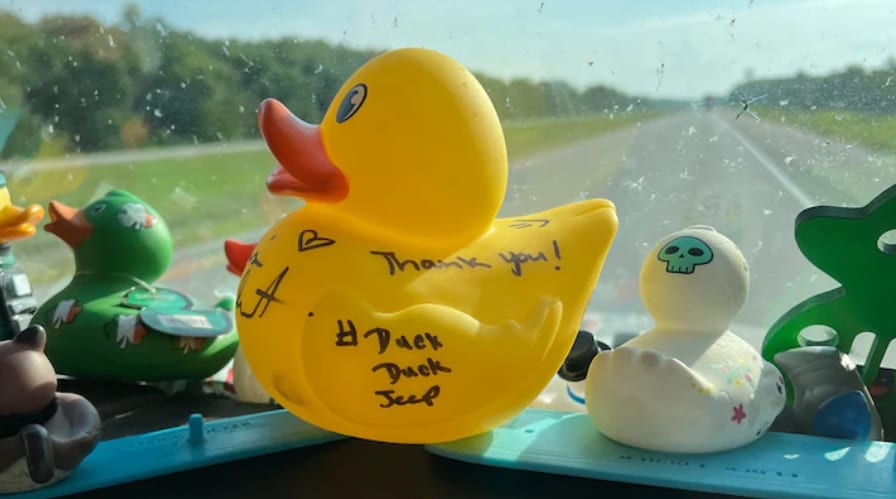
The process is simple. If you want to join in, just buy a pack of rubber ducks (they’re cheap and easy to find). Write a short message or draw a smiley face on the duck, then leave it on a Jeep you admire. Some people even attach business cards or social media handles to connect further.
Below is a quick comparison of the most popular places to leave a duck on a Jeep:
| Location | Visibility | Risk of Loss |
|---|---|---|
| Door handle | High | Medium |
| Hood | High | Low |
| Windshield wiper | Medium | High (may fall off) |
| Dashboard (if window open) | Low | Low |
Most Jeep owners agree that the door handle and hood are the best spots—easy to see, but less likely to blow away.
Non-obvious Insights About Jeep Ducking
Many newcomers think Jeep Ducking is just for fun, but there are deeper effects. First, it helps shy or new Jeep owners feel welcomed.
A surprise duck can start conversations at gas stations or parking lots, making it easier to join local Jeep clubs.
Second, ducking has become a way for Jeep drivers to spot like-minded people. If you see a Jeep with a row of ducks, you know the owner is active in the community.
Some rare ducks like superhero-themed or glow-in-the-dark are traded as collectibles.
Here are two more insights:
- Jeep events: At Jeep festivals, people often bring creative ducks and compete to see who gets the rarest one.
- Charity support: Some groups sell special ducks to raise money for causes, using the trend to do good.
The Impact On Jeep Culture
Jeep Ducking has changed how Jeep owners interact. It has added a new layer of tradition, similar to the Jeep wave.
Some dealerships now give out ducks with new Jeeps. The trend also appears in Jeep-themed merchandise keychains, T-shirts, even custom duck holders.
Below is a simple comparison between traditional Jeep culture and the ducking trend:
| Aspect | Traditional Jeep Culture | Jeep Ducking Trend |
|---|---|---|
| Connection | Waves, meetups | Ducks, social media |
| Physical Symbol | Decals, badges | Rubber ducks |
| Inclusivity | Sometimes model-specific | All Jeeps welcome |
| Tradition Age | Decades | Since 2020 |
The ducking trend is newer, but it’s quickly becoming a lasting part of Jeep life.
Tips For Jeep Ducking
If you want to join the fun, here are some practical tips:
- Use waterproof markers for your notes.
- Choose bright, clean ducks so they stand out.
- Don’t leave ducks where they could block a driver’s view.
- Respect private property—never force a duck on someone’s car if it’s not a Jeep.
- Share your ducking stories online with hashtags like #DuckDuckJeep.
Frequently Asked Questions
Why Are There Rubber Ducks On Jeeps?
The ducks are part of the Jeep Ducking trend—a way for owners to show appreciation and spread kindness. It started in Canada in 2020 and has become popular worldwide.
Can You Put A Duck On Any Jeep Model?
Yes. Ducking is for all types of Jeeps, including Wrangler, Cherokee, Grand Cherokee, and others. It’s about community, not just the model.
Is Jeep Ducking Allowed Everywhere?
Most places have no rules against ducking, but always respect private property. Avoid leaving ducks where they could cause damage or be seen as litter.
Are There Special Ducks For Jeep Ducking?
Some people use themed ducks (like superheroes, animals, or holiday designs). Rare ducks can be traded or collected at Jeep events.
Where Can I Learn More About Jeep Ducking?
You can find more information and stories on the Jeep Wikipedia page or by searching #DuckDuckJeep on social media.
Rubber ducks on Jeeps are more than a trend they are a symbol of friendliness and a reminder that small gestures can connect people. If you see a duck on a Jeep, you’re looking at a piece of a unique and positive tradition.