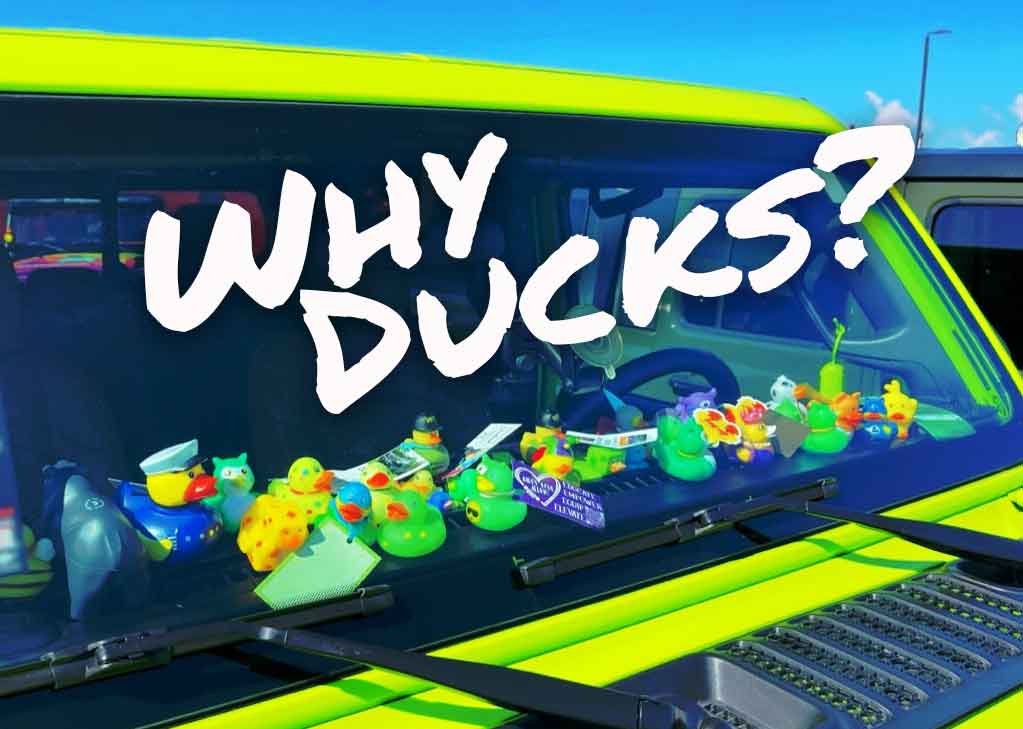
Many people notice rubber duckies on Jeep dashboards, grilles, or mirrors and wonder why they’re there. It’s a fun sight: a bright yellow duck on a rugged, off-road vehicle. But for Jeep owners, these rubber duckies are more than just decoration—they’re a symbol of community, kindness, and a unique tradition called “Jeep Ducking.” This article explores the story behind these ducks, why Jeep people love them, and what they mean in the world of Jeeps.
The Origin Of Jeep Ducking
The idea of leaving rubber duckies on Jeeps started in 2020. It began in Canada with a Jeep owner named Allison Parliament. After a difficult experience with strangers and stress from the global pandemic, Allison wanted to spread a little joy. She placed a rubber duck on another Jeep, along with a note saying, “Nice Jeep.” The act was simple, friendly, and positive. Soon, the idea caught on.
Jeep owners everywhere began leaving rubber duckies on each other’s vehicles. They called it “ducking.” It became especially popular on social media, with Jeep drivers sharing photos and stories using hashtags like #duckduckjeep.
Why Rubber Duckies?
You might wonder: Why ducks, not another object? Rubber duckies are small, cheap, and instantly recognizable. They’re also connected to fun, childhood, and happiness. These qualities match the spirit of the Jeep community—friendly, playful, and adventurous.
Ducks are also easy to carry and spot. They fit well on a dashboard or mirror, and their bright color stands out. This makes them perfect for a surprise gift that brings a smile.

What The Duck Means To Jeep Owners
For many Jeep people, a rubber duck is a symbol of connection. It means, “You’re part of our group. ” Jeep owners are known for their “Jeep Wave,” a friendly gesture to other Jeep drivers. The duck is like a physical wave—a small gift to show respect and friendship.
Jeep ducking is about:
- Spreading kindness: A duck can brighten someone’s day.
- Building community: It connects people who love Jeeps, even if they are strangers.
- Having fun: It turns a simple car accessory into a game or tradition.
Many Jeep owners collect the ducks they receive, turning their dashboards into displays of friendship.
How Jeep Ducking Works
Jeep ducking has simple rules. Anyone with a rubber duck can join in. Here’s how it usually works:
- Buy some rubber duckies—any color or style.
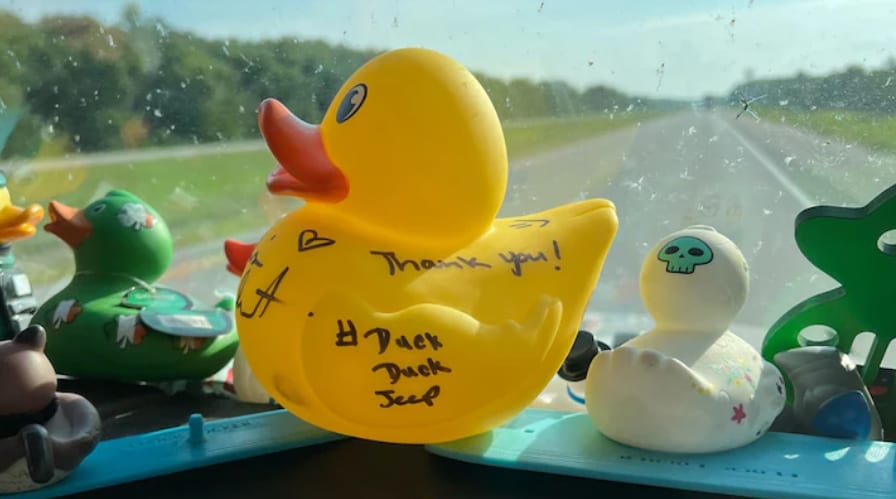
- Write a note if you want. Some people use tags with messages like “You’ve been ducked!” or include their social media handle.
- Spot a Jeep in a parking lot or on the street.
- Place a duck somewhere safe and visible on the Jeep—usually on the door handle, side mirror, or windshield.
- Take a photo (optional) and share it online with hashtags to connect with others.
This act is always friendly and respectful. Jeep duckers never damage vehicles or leave ducks where they could cause problems while driving.
Popularity And Growth
Since 2020, Jeep ducking has exploded in popularity. According to Jeep forums and social media groups, thousands of Jeep owners in the United States, Canada, and beyond now take part. On Instagram, the hashtag #duckduckjeep has over 150,000 posts, showing pictures of ducks from all over the world.
Many Jeep dealerships and events now give out rubber duckies to new Jeep owners. Some businesses have even started selling ducks with Jeep-themed accessories. The tradition has become a key part of Jeep culture.
Rubber Duckies Vs. Other Car Traditions
How does Jeep ducking compare to other car owner traditions? The table below highlights some key differences:
| Tradition | Vehicle Brand | Symbol | Main Purpose |
|---|---|---|---|
| Jeep Ducking | Jeep | Rubber Duck | Kindness, Community |
| VW “Peace Sign” | Volkswagen Beetle | Peace Hand Gesture | Friendly Greeting |
| Mini “Wave” | Mini Cooper | Hand Wave | Recognition |
Unlike simple waves or gestures, Jeep ducking uses a physical token, which makes the experience more memorable.
What Makes Jeep Ducking Special
There are a few details that make this tradition unique:
- No rules about which Jeep: Any model or year can be “ducked.”
- Personal touch: Some ducks have handwritten notes, jokes, or decorations.
- Collectible value: Many owners keep every duck they receive, turning them into a personal collection.
- Easy to join: You don’t need to be in a club or spend a lot of money.
Some Jeep owners use creative rubber ducks—superhero ducks, pirate ducks, or ducks in sunglasses. This adds personality and fun.
Non-obvious Insights Most People Miss
- Community support: Jeep ducking has helped people during tough times. Many Jeep owners say that receiving a duck made them feel less alone, especially during the pandemic.
- Jeep branding boost: Jeep itself now embraces the tradition. Some limited-edition Jeeps come with a rubber duck as a nod to the trend, showing how much the tradition has grown.
Safety, Respect, And Good Manners
While ducking is meant to be fun, it’s important to be careful:
- Never enter someone’s vehicle. Always place ducks on the outside.
- Avoid blocking the driver’s view. Place the duck where it won’t distract.
- Respect property. If a Jeep is locked or in a private space, don’t force it.
Most Jeep owners appreciate the gesture, but a few may not. It’s always best to be polite and responsible.
The Impact On The Jeep Community
Jeep ducking has created new friendships and a stronger sense of community. It has given Jeep drivers something positive to share, especially during difficult times. Many Jeep owners now look for ducks as a sign that someone noticed their vehicle and wanted to make their day better.
Some Jeep clubs have used ducking for charity, asking for donations in exchange for custom ducks. Others organize “duck runs,” where groups of Jeeps hand out ducks together.
Cost, Variety, And Popularity
Rubber duckies are cheap—usually less than $1 each when bought in bulk. Some Jeep owners buy hundreds at a time to share widely. The table below shows the cost comparison for different duck types:
| Duck Type | Average Cost (USD) | Typical Use |
|---|---|---|
| Basic Yellow Duck | 0.50 | Everyday Ducking |
| Themed Duck | 1.50 | Special Events |
| Custom Printed Duck | 2.00 | Clubs/Charity |
This makes it easy for anyone to join the tradition, no matter their budget.
Frequently Asked Questions
Why Do Jeep People Leave Rubber Duckies?
Jeep owners leave rubber duckies to spread kindness, connect with other Jeep fans, and keep a fun tradition alive. It’s called “Jeep Ducking” and started as a way to make people smile.
Can Any Jeep Be “ducked,” Or Only Certain Models?
Any Jeep model can be ducked. The tradition is open to all, from old Wranglers to new Grand Cherokees.
Is Jeep Ducking An Official Jeep Event?
Jeep ducking is not an official event from the company, but Jeep has recognized and supported the tradition by mentioning it in some of their marketing. For more on Jeep history, see the Jeep Wikipedia page.
Do People Keep The Ducks, Or Pass Them On?
Most people keep the ducks they receive as souvenirs. Some pass them to other Jeeps, especially if they get many.
Are There Rules For Jeep Ducking?
There are no strict rules, but it’s important to be polite and safe—never enter a car or leave a duck where it could distract the driver.
Jeep ducking is a simple, friendly act that has brought joy to thousands of people. If you see a Jeep with a rubber duck, you now know the story behind the smile.