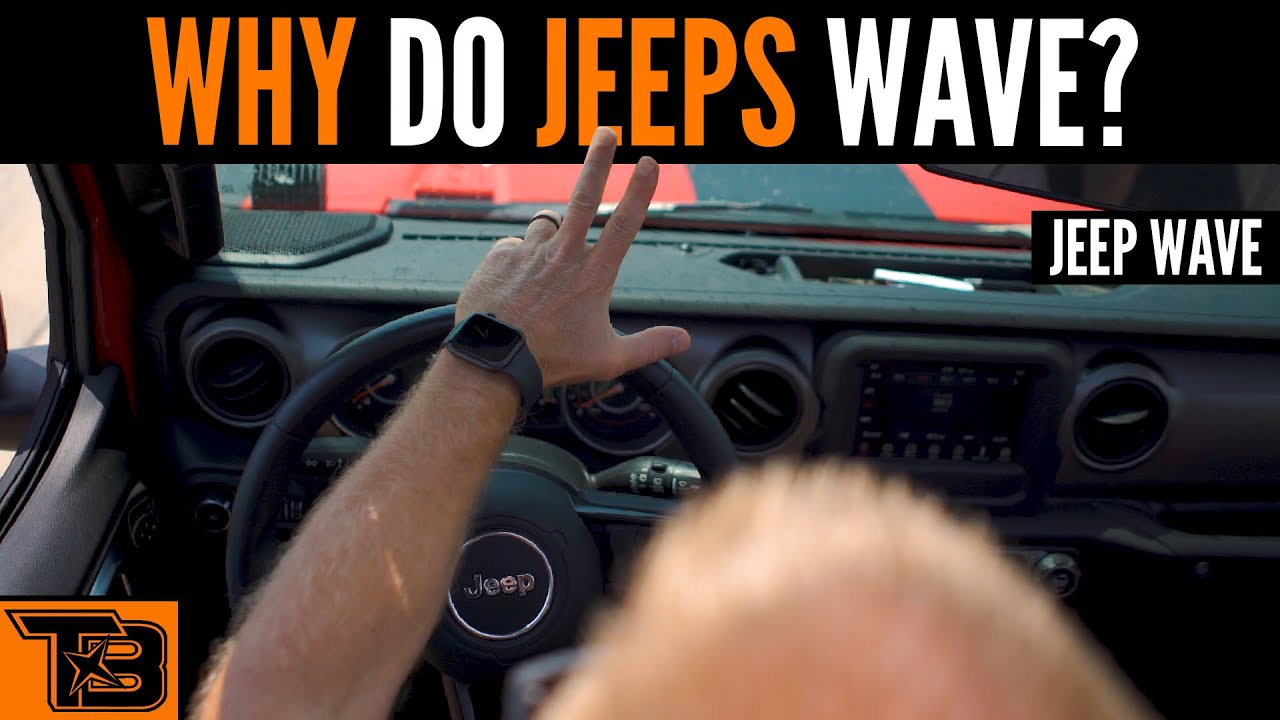
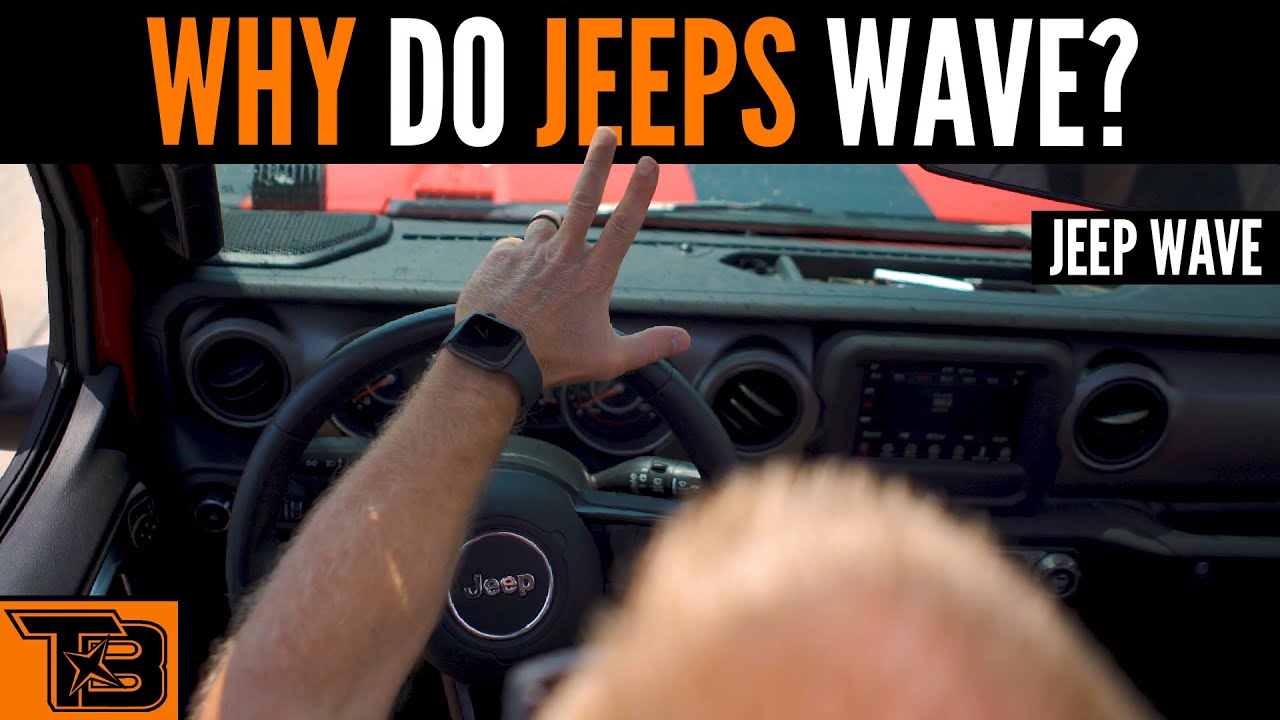
Every driver has seen it—a Jeep rolling down the road, its owner lifting two, three, or all five fingers in a wave to another Jeep passing by. This simple gesture, known as the Jeep wave, is more than just a friendly hello. It’s a symbol of belonging, a nod to shared adventure, and a tradition that stretches back decades. But why do Jeep owners wave, and what does it really mean to be part of this unique community? Let’s look at the history, reasons, and meaning behind this special connection.
The History Behind The Jeep Wave
The roots of the Jeep wave go deep, all the way back to World War II. Soldiers driving Jeeps in dangerous areas would wave to each other to signal they were allies, not enemies. After the war, many veterans returned home, bringing their love for the Jeep with them. The tradition of waving continued, becoming a quiet way to recognize others who shared their experiences and appreciation for the vehicle.
Over time, as Jeeps became more popular among civilians, the wave remained. It evolved from a military signal to a sign of camaraderie and respect for fellow Jeep owners. Today, it’s a tradition that shows no sign of fading.
Why Do Jeep Owners Wave?
There are several reasons why Jeep owners keep this tradition alive. Each reason adds another layer to the gesture.
- Sense of Community: Jeep drivers often feel they’re part of a special group. The wave is a way to recognize this shared identity, whether you’re in a small town or a big city.
- Shared Adventure: Many Jeep owners love off-roading, camping, and exploring nature. Waving says, “You get it. You love adventure, too.”
- Respect for the Vehicle: Jeep has a long history. Owners know what their vehicles can do, and the wave is a nod to that capability and ruggedness.
- Tradition: Keeping the wave alive connects today’s drivers to the past, reminding everyone of Jeep’s military heritage and strong values.
- Breaking Social Barriers: In a world where people often ignore strangers, the Jeep wave is a friendly break from the norm, making the road a more welcoming place.

Who Waves And When?
Not every Jeep owner waves all the time. Some drivers wave only to certain Jeeps or in certain situations.
There’s even an unofficial “Jeep wave hierarchy” that decides who should wave first.
| Jeep Model | Chance of Receiving a Wave | Common Wave Style |
|---|---|---|
| Wrangler (CJ/YJ/TJ/JK/JL) | Very High | Two or three fingers raised |
| Cherokee/Grand Cherokee | Medium | Full hand or nod |
| Renegade/Compass/Patriot | Low | Occasional wave |
Wrangler drivers, especially those with older models or custom modifications, are the most likely to wave and to receive a wave in return.
The Jeep Wave Vs. Other Car Communities
Many car brands have loyal fans, but few have a tradition as strong as the Jeep wave. For example, motorcycle riders often use the “biker wave,” but it’s less common among standard cars. Here’s a quick look at how Jeep compares to other groups:
| Vehicle Community | Signature Greeting | Commonness |
|---|---|---|
| Jeep Owners | Hand wave | Very Common |
| Motorcycle Riders | Low hand wave | Common |
| Sports Car Owners | Head nod | Rare |
The Jeep wave stands out because it’s not just about the vehicle it’s about a shared mindset and passion for the outdoors.

Non-obvious Insights About The Jeep Wave
Many beginners think the Jeep wave is just a fun gesture, but it’s deeper than that:
- It’s Not Universal: Not every Jeep driver knows about the wave. Some new owners may not wave back, not out of rudeness but because they simply don’t know the tradition.
- Customization Matters: Highly modified Jeeps (big tires, winches, lifted suspensions) usually get more waves. These owners are seen as even more committed to the Jeep lifestyle.
- Location Plays a Role: The wave is more common in rural or adventurous areas. In busy cities, you might see fewer waves simply because drivers are distracted or the culture is less strong.
- Wave Style Is Flexible: Some owners use a subtle finger lift, while others go for a big, enthusiastic wave. There’s no “right” way—just the act itself matters.
- Age of Jeep Counts: Older Jeeps, especially CJ, YJ, and TJ models, often get more waves than newer or less “trail-ready” versions.
The Rules Of The Jeep Wave
Though the wave is friendly, some owners follow unwritten rules:
- Always wave first if your Jeep is older or more customized.
- If you’re roofless or doorless, you’re expected to wave.
- Wave even if you don’t get a wave back—keep the tradition alive.
Here’s a quick comparison of what influences Jeep wave etiquette:
| Factor | More Likely to Wave | Less Likely to Wave |
|---|---|---|
| Model Year | Older Jeeps | Newer Jeeps |
| Modifications | Highly Modified | Stock |
| Environment | Rural/Off-road | Urban/City |
Why The Jeep Wave Still Matters
The Jeep wave survives because it’s a simple way to feel connected. In a world where people can feel isolated, a quick wave reminds Jeep owners they’re part of something bigger.
It’s a tradition that welcomes new owners and respects those who came before.
For those thinking about buying a Jeep, the wave is more than a perk it’s an invitation to join a group that values adventure, history, and friendship.
Even if you’re not a Jeep owner, seeing the wave in action is a reminder that small gestures can create real connections.
If you want to learn more about Jeep history and culture, check out the official Jeep Wikipedia page.
Frequently Asked Questions
What Is The Jeep Wave?
The Jeep wave is a friendly hand gesture between Jeep owners when they see each other on the road. It’s a sign of respect and community.
Do All Jeep Models Participate In The Wave?
While all models can participate, the wave is most common among Wrangler drivers, especially those with older or more modified Jeeps.
Is There A “right” Way To Do The Jeep Wave?
No, there isn’t a strict rule. Some use two fingers, others wave with the whole hand. The important part is making the gesture.
Why Don’t Some Jeep Owners Wave Back?
Some owners may not know about the tradition, especially if they’re new to the brand. Others might be distracted or simply miss seeing you.
Does The Jeep Wave Happen Everywhere?
The wave is most common in areas with lots of Jeeps or active off-road communities. In busy cities, it may be less frequent.
Whether you’re a new Jeep owner or a longtime fan, the wave is a simple, meaningful way to join a worldwide community. Next time you see a Jeep on the road, try it you might be surprised how good it feels to connect.