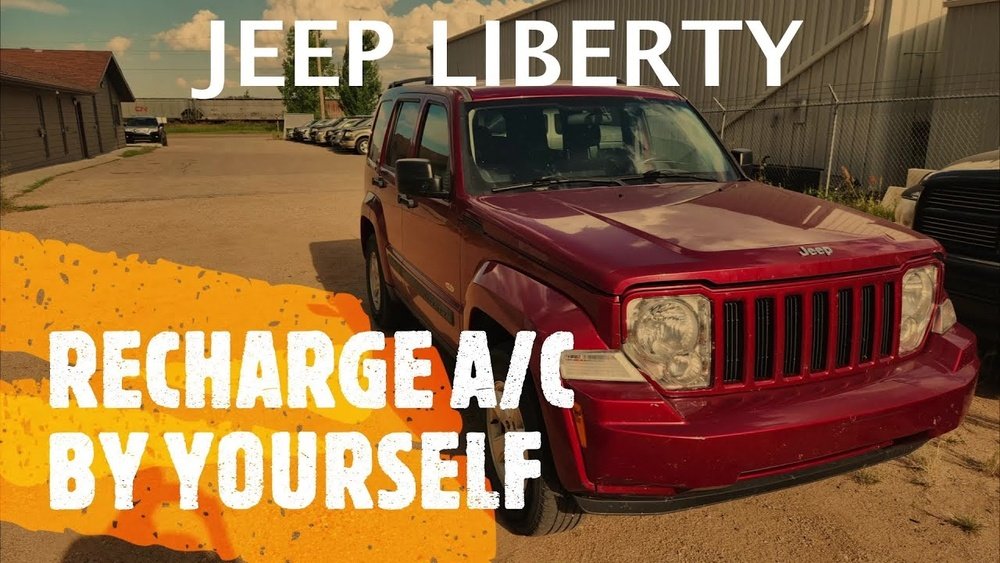
Owning a Jeep is more than just having a vehicle it's joining a unique group. If you've ever noticed Jeep owners waving to each other on the road, you might wonder why.
This simple gesture carries meaning, history, and community spirit.
Let’s explore why Jeep owners wave, where this tradition started, and what it means today.
The Origins Of The Jeep Wave
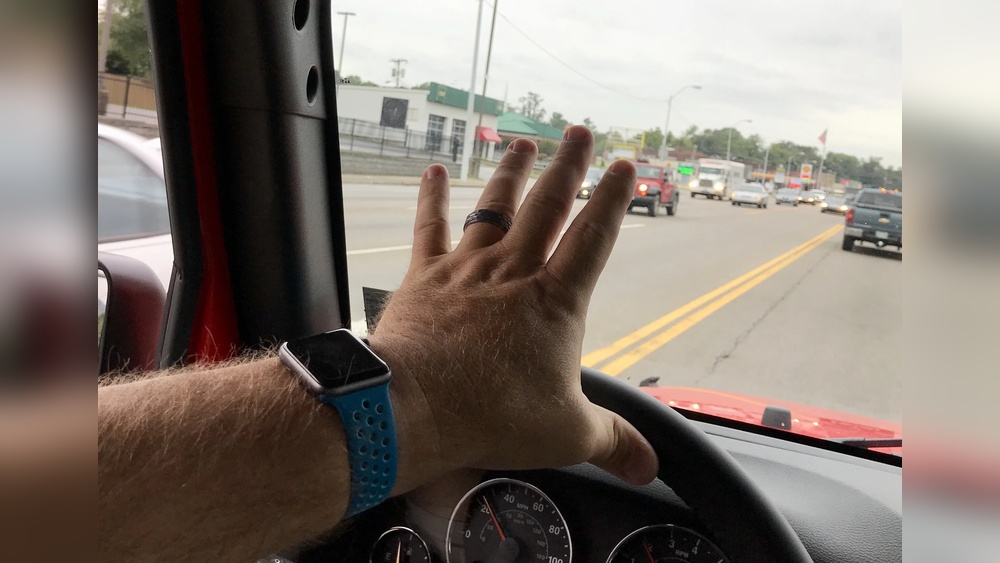
The Jeep Wave dates back to the early days of Jeeps. During World War II, soldiers drove Jeeps as their main transport. After the war, these vehicles became popular with civilians. Veterans would wave at each other as a sign of respect and brotherhood. This tradition continued as more people bought Jeeps.
Today, the wave is seen as a way to show camaraderie. Owners feel connected, whether they drive a classic Willys or a modern Wrangler. The gesture has become a symbol of the Jeep community.
What Makes The Jeep Wave Special
The Jeep Wave is not just a random greeting. It stands for shared adventure and mutual respect. Here’s why it matters:
- Sense of belonging: Owners recognize each other as part of a group.
- Adventure spirit: Jeeps are built for off-roading. The wave hints at a love for exploration.
- Respect for tradition: Many drivers know the history and want to keep it alive.
Some people even say the wave is a rite of passage. It shows that you understand Jeep culture and value the connection.
Who Participates In The Jeep Wave?
Not every Jeep owner waves, and not every Jeep gets waved at. There are unwritten rules, and these can vary by region or owner preference.
| Jeep Model | Wave Frequency | Common Recipients |
|---|---|---|
| Wrangler | Very High | Other Wranglers, Classics |
| Cherokee | Medium | Wranglers, Cherokees |
| Renegade | Low | Wranglers (sometimes) |
| Grand Cherokee | Low | Rarely waved at |
The Wrangler is the most recognized Jeep for the wave. Older models and heavily modified Jeeps often get more attention. Some drivers only wave at Jeeps with clear off-road features. Others wave to any Jeep.
How To Do The Jeep Wave
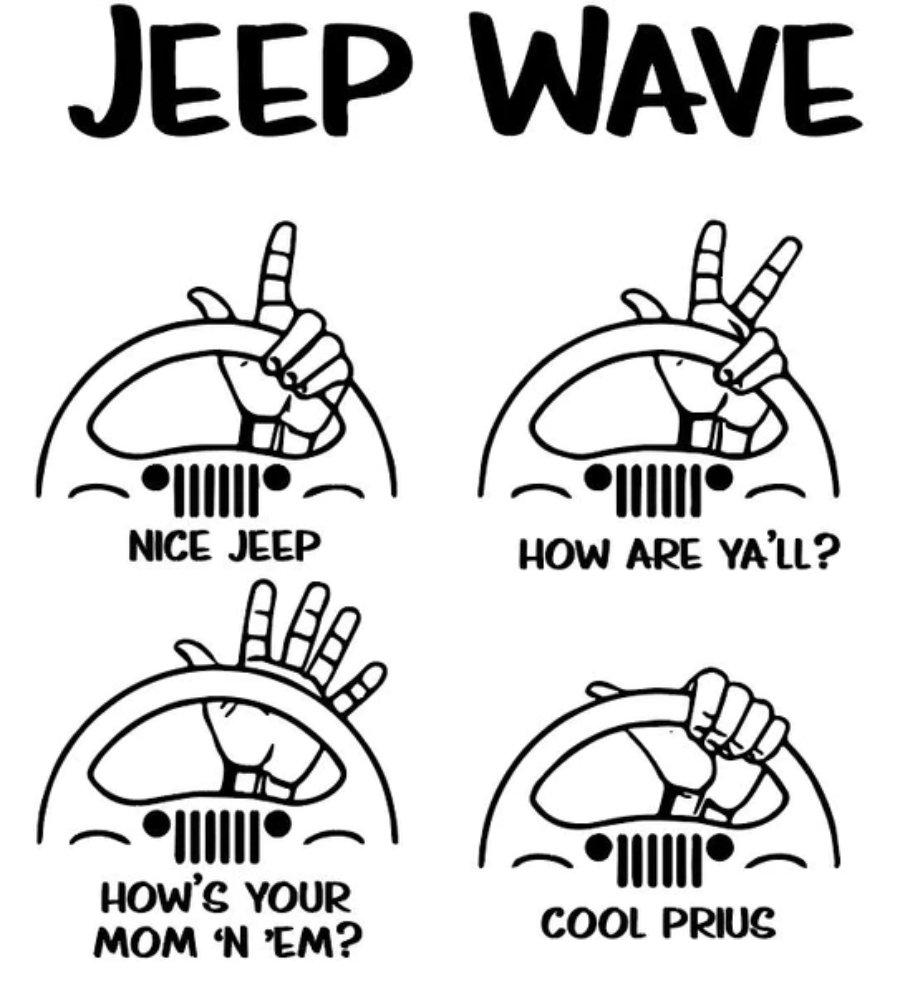
Doing the Jeep Wave is simple, but there are a few styles:
- Classic two-finger wave: Two fingers raised from the steering wheel.
- Full hand wave: A friendly open palm, usually when passing slowly.
- Subtle nod: A quick head nod, often used when hands are busy.
Timing matters. Most waves happen when passing another Jeep on rural roads or trails.
On highways, drivers might use a quick gesture.
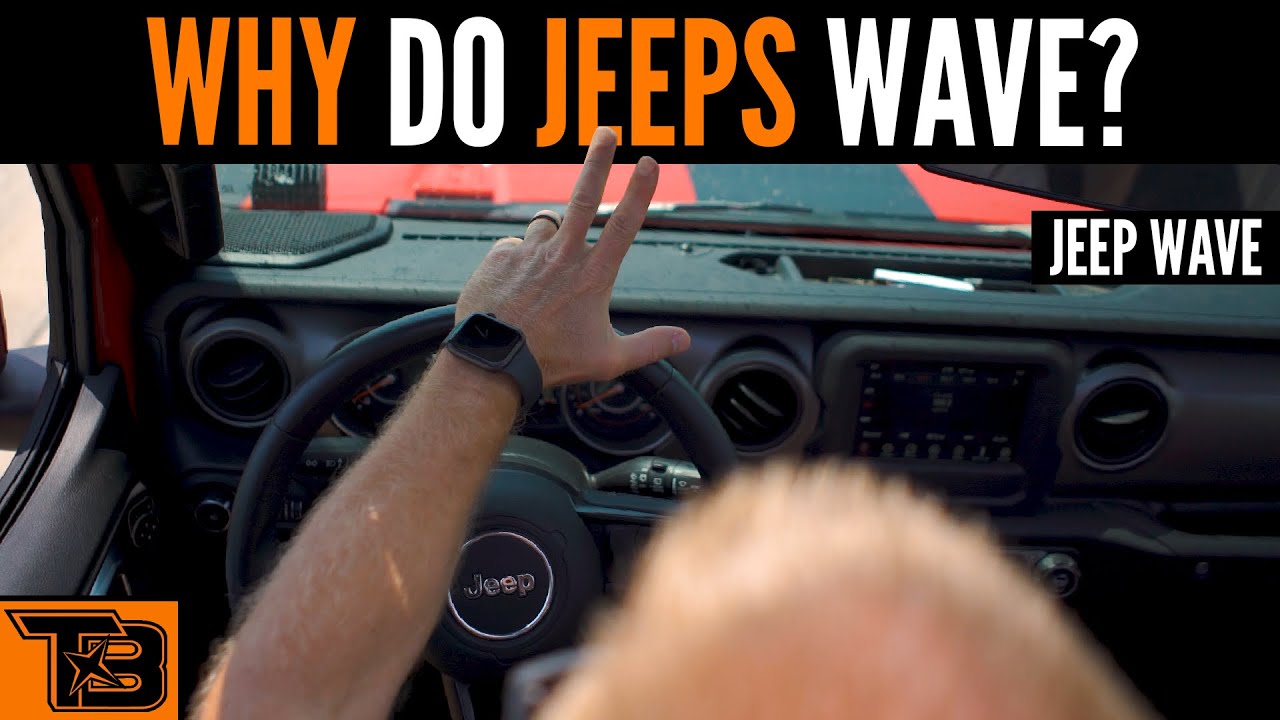
Why The Jeep Wave Still Matters Today
Jeep owners continue to wave because it keeps the community strong. Modern Jeeps are more comfortable, but the spirit of adventure remains. The wave is a reminder that Jeep drivers share a common bond.
There are a few reasons the wave endures:
- Social connection: Even with strangers, the wave feels friendly.
- Tradition: Many owners teach new Jeep drivers about this custom.
- Brand loyalty: Jeep promotes the wave as part of its culture.
Some clubs and forums discuss the wave and even rate it. The Jeep Wave Program, launched by Jeep, rewards owners for loyalty and participation.
Jeep Wave Vs. Other Car Communities
Jeep owners are not the only ones with traditions, but the wave is more visible. For example, Corvette and motorcycle owners have their own signals.
However, Jeep’s tradition is more widely recognized and has a deeper history.
| Vehicle Community | Greeting Tradition | Started | Current Activity |
|---|---|---|---|
| Jeep | Hand Wave | 1940s | Very Active |
| Corvette | Head Nod | 1960s | Moderately Active |
| Motorcycle | Low Hand Wave | 1950s | Active |
This comparison shows how Jeep’s wave is both older and more widely practiced.
Common Mistakes And Tips For New Jeep Owners
Beginners sometimes miss the wave or do it incorrectly. Here are some mistakes and tips:
- Not waving: Ignoring other Jeeps can seem unfriendly.
- Waving at non-Jeep vehicles: Keep the gesture for Jeeps only.
- Overdoing the wave: A simple gesture is enough.
- Missing modified Jeeps: Off-road Jeeps often expect the wave.
If you’re new, watch for other Jeep drivers and practice the wave. Over time, it becomes natural.
Data: How Many Owners Participate?
A 2022 survey found that about 65% of Wrangler drivers wave at other Jeeps. For other models, the rate drops to 35%. Some regions, like rural areas and mountain towns, have higher participation. Urban areas see less waving due to busy roads.
These numbers show the wave is alive, but not universal. Some Jeep owners join clubs or online groups to learn more about it.

The Jeep Wave In Pop Culture
The Jeep Wave has even appeared in ads and movies. Jeep often highlights this tradition in its marketing.
For example, a 2021 Jeep campaign used the wave as a sign of unity. Fans share stories on social media, showing the wave in action around the world.
If you want to read more about Jeep history and culture, you can visit Wikipedia.
Frequently Asked Questions
What Is The Jeep Wave?
The Jeep Wave is a friendly gesture Jeep owners give each other on the road. It is usually done by raising two fingers or an open hand.
Which Jeeps Get The Wave Most Often?
Wrangler models get the wave most often. Older Jeeps and ones with off-road features also receive more waves.
Why Do Some Jeep Owners Not Wave?
Some owners may not know the tradition, or they drive in areas where waving is less common. Also, drivers of certain models, like the Grand Cherokee, may not get as many waves.
Is The Jeep Wave Only In The Us?
No, Jeep owners wave in many countries. The tradition is strongest in the US, but it can be found worldwide.
Can I Start Waving If I Am New To Jeep?
Yes! Any Jeep owner can join the tradition.
The wave is simple and helps you connect with other drivers.
The Jeep Wave is more than a greeting it's a symbol of history, adventure, and community. Whether you drive a classic or a modern Jeep, the wave helps you feel part of something bigger.
Next time you see another Jeep, remember the story behind the gesture and be ready to join in.