Jeep owners are known for their unique traditions. One of the most curious is placing small rubber ducks on their dashboard.
If you’re new to the Jeep community or just wondering why ducks are everywhere in Jeep vehicles, this article will help you understand the history, the meaning, and the impact of this fun ritual.
The Origin Of Jeep Ducking
The idea of Jeep ducking began in Canada in 2020. A Jeep owner named Allison Parliament started the trend after a stressful incident. She placed a rubber duck on another Jeep as a random act of kindness. The owner responded with joy, and the tradition quickly spread.
Today, Jeep ducking has become popular in the United States and around the world. Jeep owners give or receive ducks as a sign of friendliness, community, and appreciation. Social media platforms like Instagram and Facebook have helped the tradition grow.
With hashtags like #DuckDuckJeep, the trend has reached millions.
Why Ducks? The Meaning Behind The Dash
You might wonder, why not a different toy? Why are rubber ducks the chosen symbol? Ducks are playful, simple, and easy to recognize. They stand out on the dashboard and bring smiles to people of all ages.
Key reasons ducks are used:
- Symbol of kindness – Ducks are friendly and non-threatening.
- Easy to carry – They are small and lightweight.
- Bright colors – Ducks are usually yellow or vibrant, making them visible.
- Affordable – Rubber ducks cost less than a dollar in most stores.
Ducks on the dash are not just decorations. They represent the Jeep community’s values: respect, fun, and connection. This makes Jeep ducking more than a trend—it’s a way to make someone’s day better.
How Jeep Ducking Works
The ducking process is simple. When a Jeep owner sees another Jeep, they may place a duck on the dashboard, windshield, or door handle.
Often, the duck comes with a note that says “Nice Jeep!” or “You’ve been ducked!” The receiver can keep the duck, add it to their collection, or pass it on to another Jeep.
Below is a quick comparison of how Jeep ducking differs from other car traditions:
| Tradition | Vehicle Type | Purpose | Community Impact |
|---|---|---|---|
| Jeep Ducking | Jeep | Friendliness | High |
| Wave | Sports Cars | Recognition | Medium |
| Sticker Exchange | Classic Cars | Identity | Low |
The Dash Collection: Showing Off Ducks
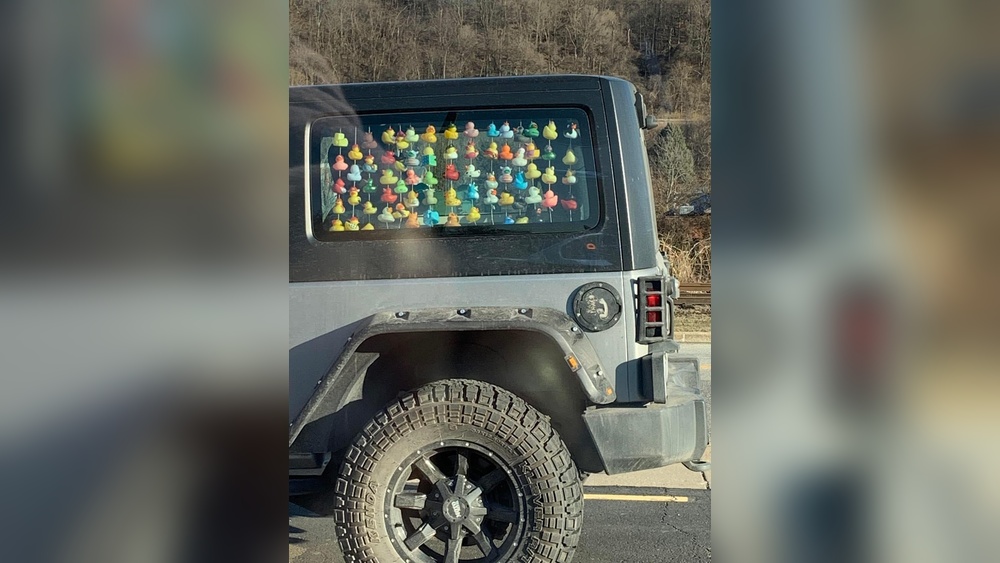
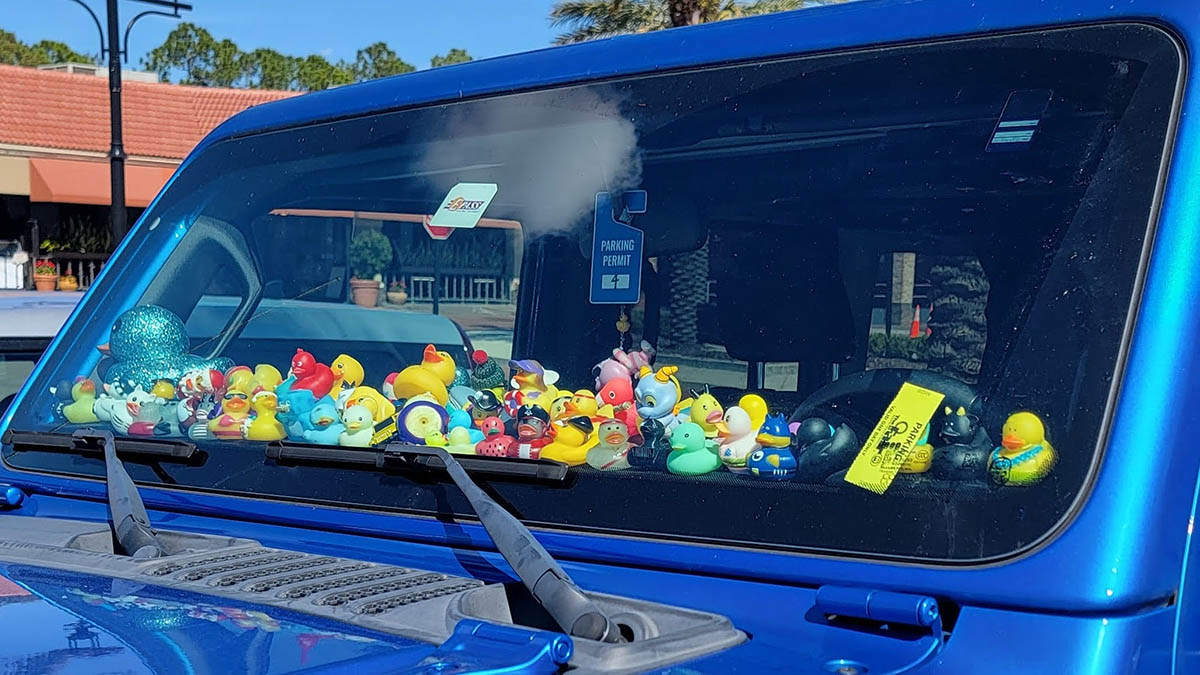
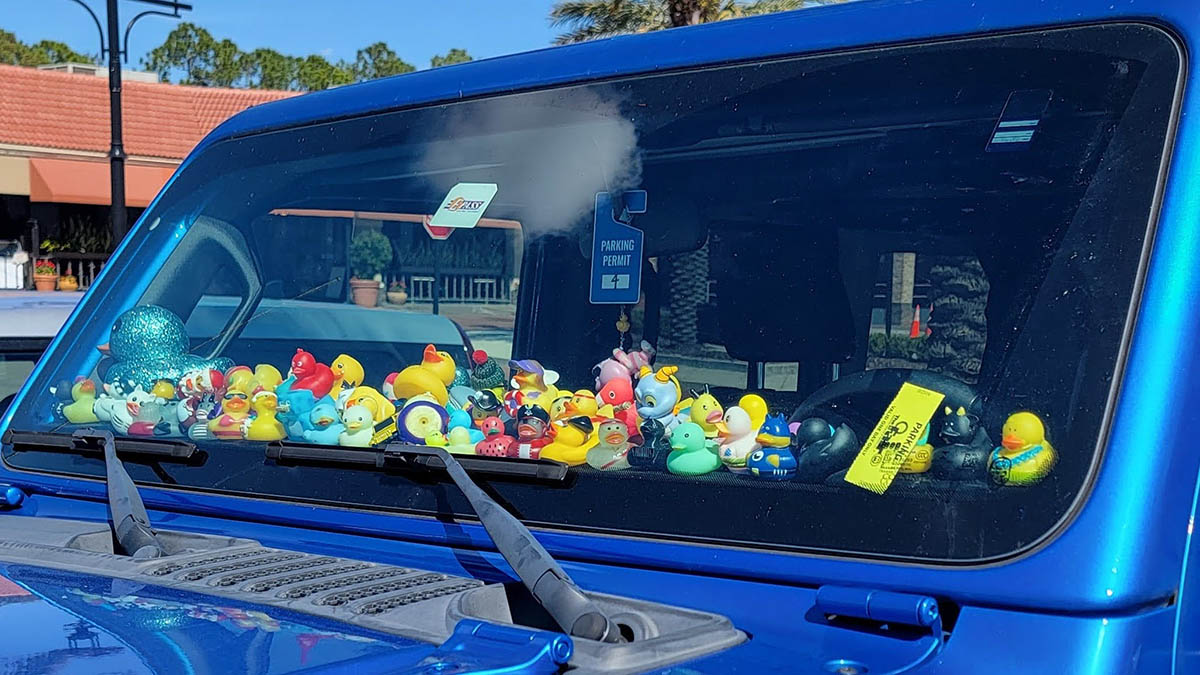
Some Jeep owners collect ducks and display them on their dashboard. The more ducks, the bigger the collection, and the more stories the owner has. People often post photos of their dashboards online, showing off their colorful ducks.
Jeep events and meetups sometimes feature contests for the best duck collection. Owners trade ducks, share stories, and connect. This adds a new level of excitement to owning a Jeep.
A typical Jeep dashboard collection can look like this:
| Number of Ducks | Common Colors | Special Features |
|---|---|---|
| 10–20 | Yellow, Blue, Pink | Costumes, Messages |
| 21–50 | Green, Orange, Purple | Glow-in-the-dark, Hats |
| 51+ | Mixed | Rare shapes, Custom art |
The ducking tradition has changed how Jeep owners interact. It breaks down barriers between strangers. If you see a Jeep with a duck, you know the owner is part of the community.
A survey by Jeep forums found that over 65% of Jeep owners have received or given a duck. More than 80% say it makes them feel more connected.
Ducking has even inspired charity events and fundraisers. The tradition encourages positive behavior and helps people feel welcome.
Non-obvious Insights
Many beginners think Jeep ducking is just for fun, but it has deeper effects:
- Mental health boost: Getting a duck can brighten someone’s mood, especially after a hard day.
- Networking: Ducks often start conversations. Owners share tips or stories, which can lead to new friendships or business contacts.
Some Jeep owners customize their ducks with names, themes, or even QR codes linking to their social media. This turns a simple duck into a lasting memory.
Jeep Ducking Vs. Other Car Culture Trends
Jeep ducking stands out compared to other car traditions because it involves giving, not just recognition. Here’s a quick look:
| Car Trend | Interaction | Physical Gift | Emotional Impact |
|---|---|---|---|
| Jeep Ducking | Personal | Yes | Strong |
| Thumbs Up | Quick | No | Moderate |
| Sticker Swapping | Organized | Yes | Weak |
Tips For New Jeep Owners
If you’re new to the Jeep world, here’s how you can join the ducking tradition:
- Keep ducks handy. Buy a pack of rubber ducks and store them in your glove box.
- Look for Jeeps. When you spot another Jeep, place a duck in a visible spot.
- Add a note. Personal messages make ducking special.
- Share online. Post photos with hashtags like #DuckDuckJeep.
- Respect boundaries. Some owners may not want items on their vehicle. If unsure, ask first.
Common mistakes: Don’t use dirty or damaged ducks. Avoid placing ducks where they can fall and distract the driver.

Frequently Asked Questions
Why Do Jeep Owners Use Ducks Instead Of Other Toys?
Ducks are easy to recognize, affordable, and symbolize kindness. They also stand out on dashboards.
Is Jeep Ducking Only For Certain Jeep Models?
No, ducking is for all Jeep models Wrangler, Cherokee, Gladiator, and others. Any Jeep can be ducked.
Can Non-jeep Owners Join The Ducking Tradition?
Usually, ducking is for Jeep owners. But some people enjoy gifting ducks to any car for fun. The true spirit is about spreading positivity.
How Many Ducks Do Jeep Owners Usually Collect?
Collections range from a single duck to over 100. Some Jeep owners display their ducks, while others keep them as souvenirs.
Are There Official Rules For Jeep Ducking?
No official rules exist. The main idea is kindness and community. Always be respectful and avoid causing damage.
Jeep ducking has become more than a hobby. It’s a way to share joy, build connections, and celebrate the unique spirit of Jeep owners. For more about Jeep traditions, check out Wikipedia’s Jeep page.
Whether you’re a long-time Jeep owner or just starting, adding a duck to your dash is a simple way to join a worldwide family.