The Jeep Wrangler is more than just a car—it’s an icon with a story. You might have seen it in action movies, off-road ads, or on rugged mountain trails. But what type of car is a Jeep Wrangler, really? Is it just for adventure lovers, or can it fit everyday life? Let’s break down what makes the Wrangler unique, who it’s for, and how it compares to other vehicles.
What Kind Of Vehicle Is The Jeep Wrangler?
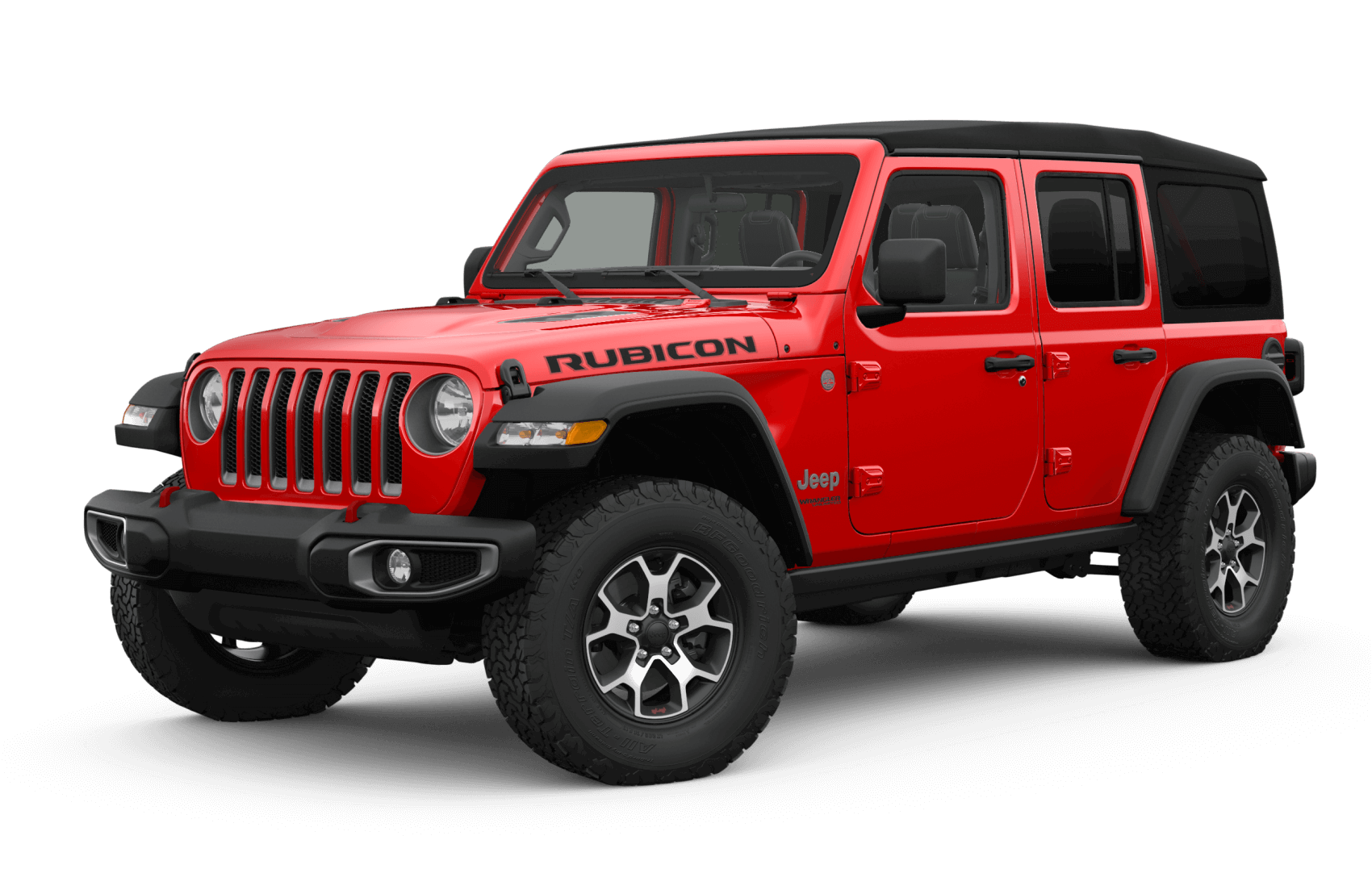
The Jeep Wrangler is best described as a compact/midsize SUV (Sport Utility Vehicle) with a body-on-frame design. Unlike many SUVs built for comfort or style, the Wrangler is made for both off-road toughness and city driving. Its roots go back to the military Jeeps of World War II, and that heritage still shows in its strong frame, boxy shape, and signature round headlights.
Key Features That Define A Jeep Wrangler
Several features make the Wrangler stand out from other SUVs:
- Removable doors and roof: You can drive with the wind in your hair, which most cars don’t allow.
- Solid front and rear axles: This design gives the Wrangler excellent strength for rough terrain.
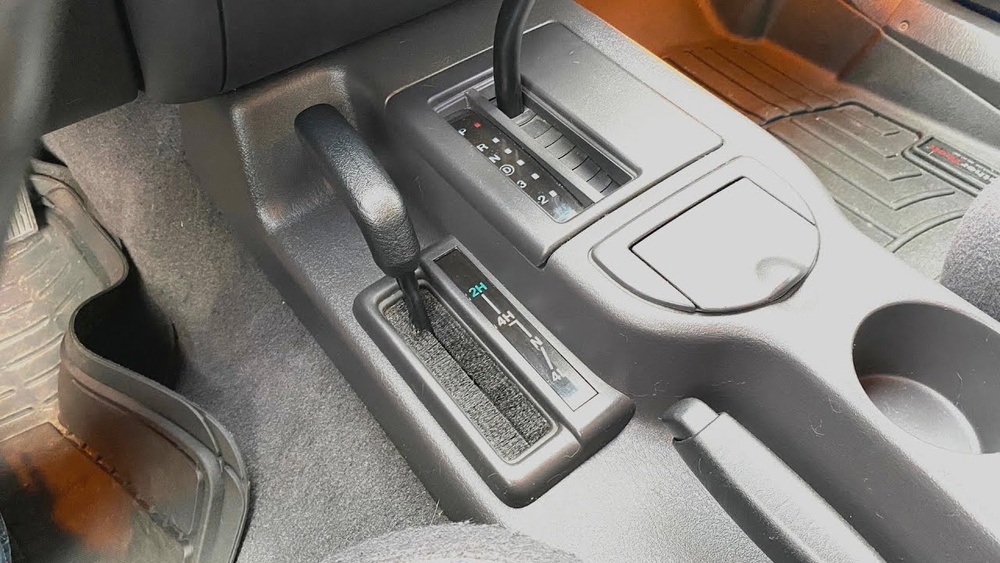
- Available four-wheel drive (4WD) systems: Almost all Wranglers have advanced 4WD, making them powerful in mud, snow, or rocky areas.
- High ground clearance: The Wrangler sits higher than most cars, letting it drive over obstacles easily.
- Short wheelbase: This makes turning and maneuvering on trails much simpler.
Here’s a quick side-by-side comparison of the Jeep Wrangler and a typical crossover SUV:
| Feature | Jeep Wrangler | Typical Crossover SUV |
|---|---|---|
| Chassis Type | Body-on-frame | Unibody |
| 4WD/AWD | Standard/Advanced 4WD | Available AWD |
| Off-Road Capability | Excellent | Moderate to Low |
| Removable Roof/Doors | Yes | No |
Types And Trims Of Jeep Wrangler
Jeep Wranglers come in a few different body styles and trim levels:
- Two-door: Shorter, easier to maneuver, and lighter.
- Four-door (Wrangler Unlimited): More space for passengers and luggage.
Trim levels include Sport, Sahara, Rubicon, and more. Each adds different features for comfort, style, or off-road ability.
Engine Options
Wrangler offers several engine choices, including:
- 3.6L V6 (gasoline)
- 2.0L turbocharged four-cylinder
- 3.0L EcoDiesel V6
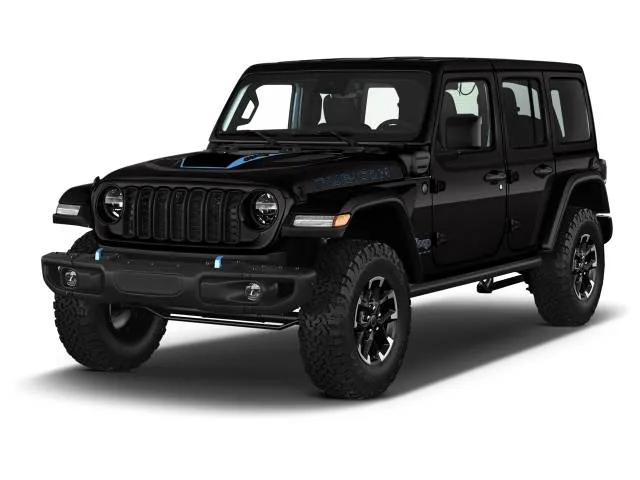
- Plug-in hybrid (Wrangler 4xe)
This variety lets buyers pick more power, better fuel economy, or even electric driving for short distances.
Is The Wrangler Good For Everyday Driving?
Many people wonder if the Wrangler is practical for daily use. The answer depends on your lifestyle:
Pros for daily use:
- High driving position for good visibility
- Modern tech (touchscreen, Bluetooth, etc.)
- Roomy cabin, especially in four-door models
Cons for daily use:
- Ride is stiffer than most cars
- Wind noise at high speeds
- Less fuel efficient (average 17-25 mpg, depending on engine)
A non-obvious point: Shorter drivers or passengers might find getting in and out harder, especially with larger tires or lift kits. Also, the upright windshield can be more prone to chips and cracks.
How The Jeep Wrangler Compares To Other Off-roaders
The Wrangler’s main rivals include vehicles like the Toyota 4Runner, Ford Bronco, and Land Rover Defender. Here’s how the Wrangler measures up:
| Model | Base Price (2024) | Max Ground Clearance | Approach Angle |
|---|---|---|---|
| Jeep Wrangler | $32,000 | 12.9 in | 47.4° |
| Ford Bronco | $36,000 | 11.6 in | 43.2° |
| Toyota 4Runner | $40,000 | 9.6 in | 33.0° |
The Wrangler usually wins for off-road specs but may lose to rivals on comfort or high-speed road handling.
Who Should (and Shouldn’t) Buy A Jeep Wrangler?
The Wrangler is perfect for:
- Outdoor lovers who want to drive on trails, sand, or snow
- People who value customization (thousands of aftermarket parts)
- Drivers who like a classic, rugged look
It’s not the best fit for:
- Families needing a smooth, quiet ride
- Commuters who drive long highway distances daily
- People who want maximum cargo space (the two-door model is small inside)
A common mistake: Some buyers choose the Wrangler just for its cool looks, not realizing it rides differently from a regular SUV. Test drive one on both city streets and bumpy roads before deciding.
Two Insights Most New Buyers Miss
- Towing and Payload Limits: While the Wrangler looks strong, towing capacity is lower than many expect—typically 2,000 to 3,500 lbs. It’s not the best for heavy trailers.
- Resale Value: Wranglers hold their value very well compared to most cars. Used models often sell for a high price, even after several years.
Practical Tips Before Buying
- Check insurance rates—Wranglers can cost more to insure.
- Consider the soft top vs hardtop: Soft tops are lighter and easier to remove, but hardtops are quieter and safer.
- Look at aftermarket options: Many owners add winches, bigger tires, or custom bumpers for more capability.

Frequently Asked Questions
What Is The Main Purpose Of A Jeep Wrangler?
The Jeep Wrangler is built for off-road driving and adventure. It’s designed to handle rough trails, mud, rocks, and snow, but it can also be used as a daily vehicle.
Is The Jeep Wrangler Considered A Truck Or Suv?
The Wrangler is an SUV (Sport Utility Vehicle), not a truck. Its body style and features are made for both passenger comfort and off-road performance.
How Safe Is The Jeep Wrangler?
The Wrangler meets modern safety standards but has a different structure from most SUVs. While it has airbags and stability control, its boxy shape and removable parts may affect crash results. Check the latest safety ratings on the Insurance Institute for Highway Safety for more details.
Can You Use A Jeep Wrangler For Long Road Trips?
Yes, you can, but expect more road noise and a firmer ride than in most cars. Many people travel across the country in Wranglers, but comfort is less than a luxury SUV.
What Is The Difference Between A Jeep Wrangler And A Jeep Grand Cherokee?
The Wrangler is focused on off-road ability and has a rugged, removable body. The Grand Cherokee is more luxurious, with a smoother ride, more features, and better on-road comfort.
A Jeep Wrangler is not just a car it’s a lifestyle choice. If you value adventure, flexibility, and standing out, it’s hard to beat.
But if you want a quiet, smooth family ride, other SUVs might suit you better. Explore your options, try a test drive, and think about your daily needs before making your decision.