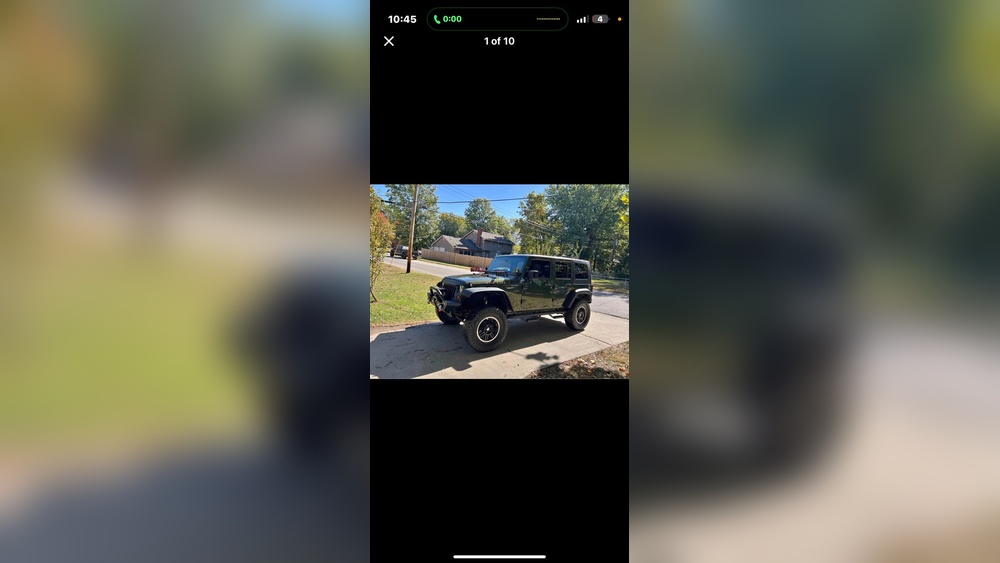
The world of Jeep vehicles is filled with unique features, but few are as important as the different four-wheel-drive (4WD) systems. One system that often creates curiosity is Command Trac. If you’re new to Jeeps or exploring off-road vehicles, understanding Command Trac can help you make better driving decisions, especially when adventure calls.
What Is Command Trac?
Command Trac is Jeep’s part-time 4WD system. Designed for off-road and rugged use, it allows drivers to switch between two-wheel drive (2WD) and four-wheel drive (4WD) on demand. The system is found on many popular Jeep models, especially the Wrangler, Cherokee, and older models like the XJ.
What makes Command Trac unique is its simple, robust design. It uses a lever or switch to engage 4WD, but it’s not meant for everyday use on dry pavement.
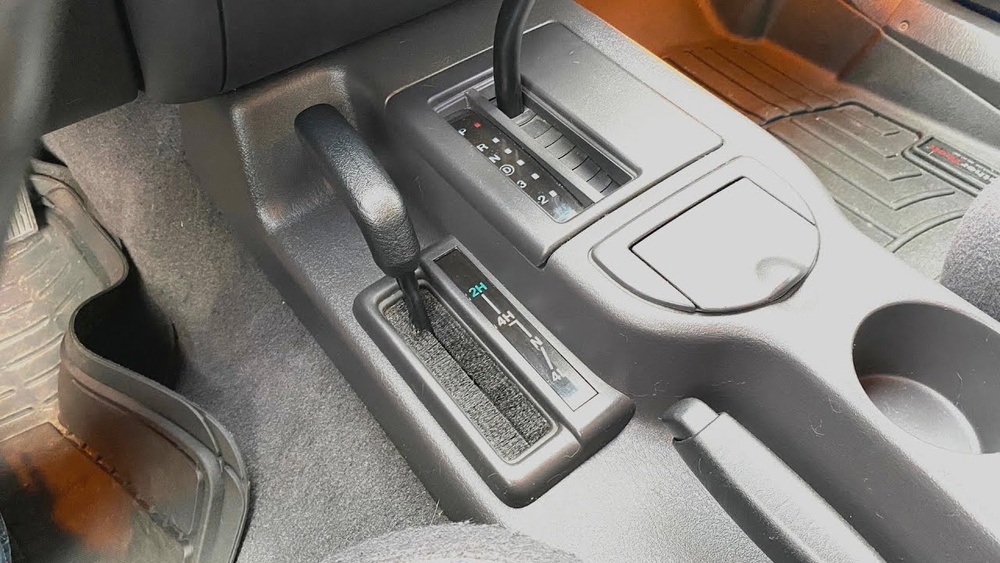
Instead, Command Trac shines on dirt, snow, mud, and rocky surfaces where extra traction is needed.
How Command Trac Works
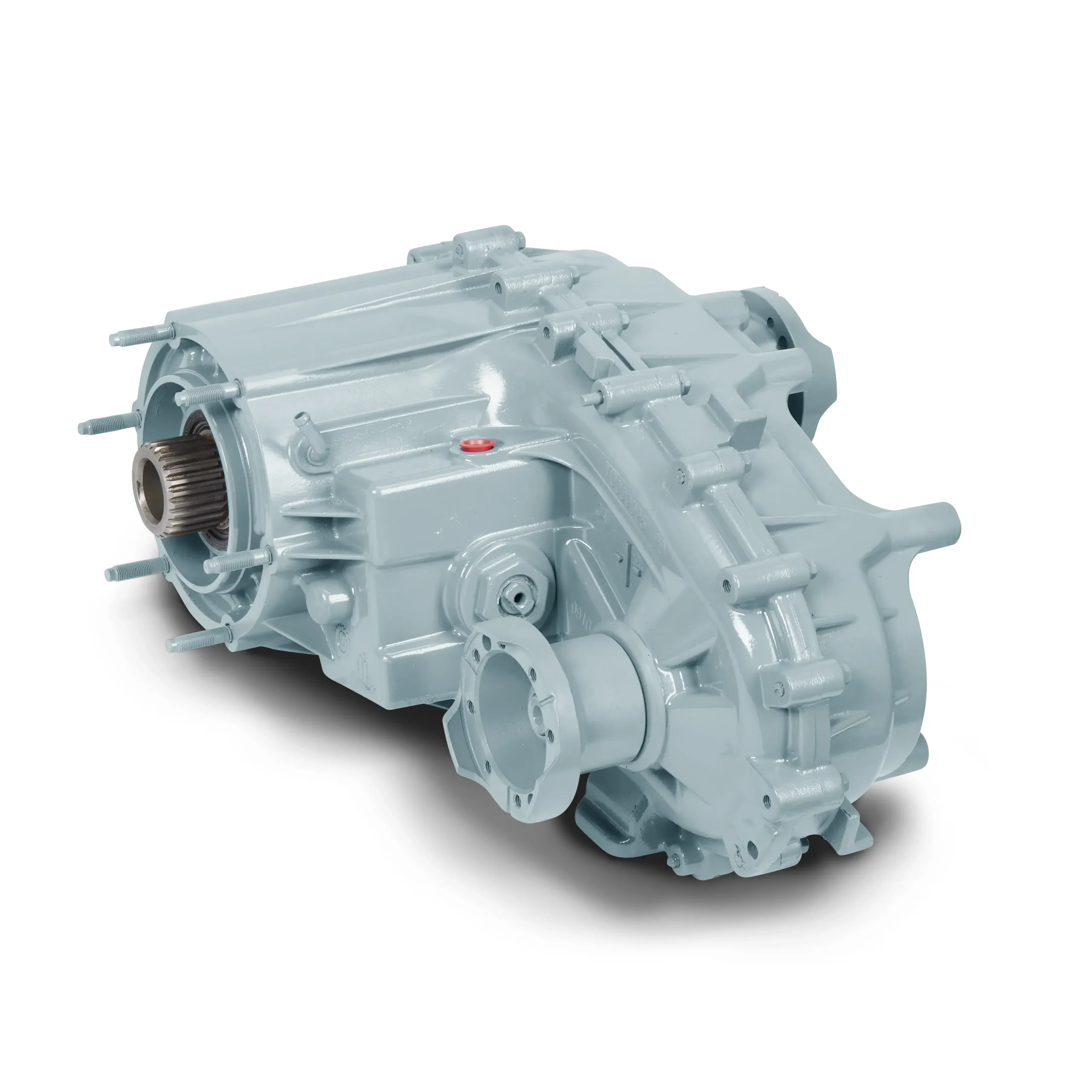
Command Trac uses a part-time transfer case. This device splits the engine’s power between the front and rear axles. Here’s how it works in simple terms:
- 2H (Two-High): Only the rear wheels get power. This mode is for normal driving on dry roads.
- 4H (Four-High): Power goes to all four wheels. Use this for snow, sand, or loose gravel at higher speeds.
- 4L (Four-Low): All four wheels get power with extra torque. This mode is for slow, tricky situations like deep mud or climbing rocks.
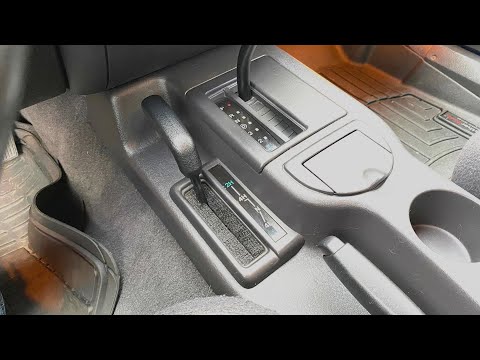
Switching between these modes is usually done with a floor lever or electronic switch, depending on the model year.
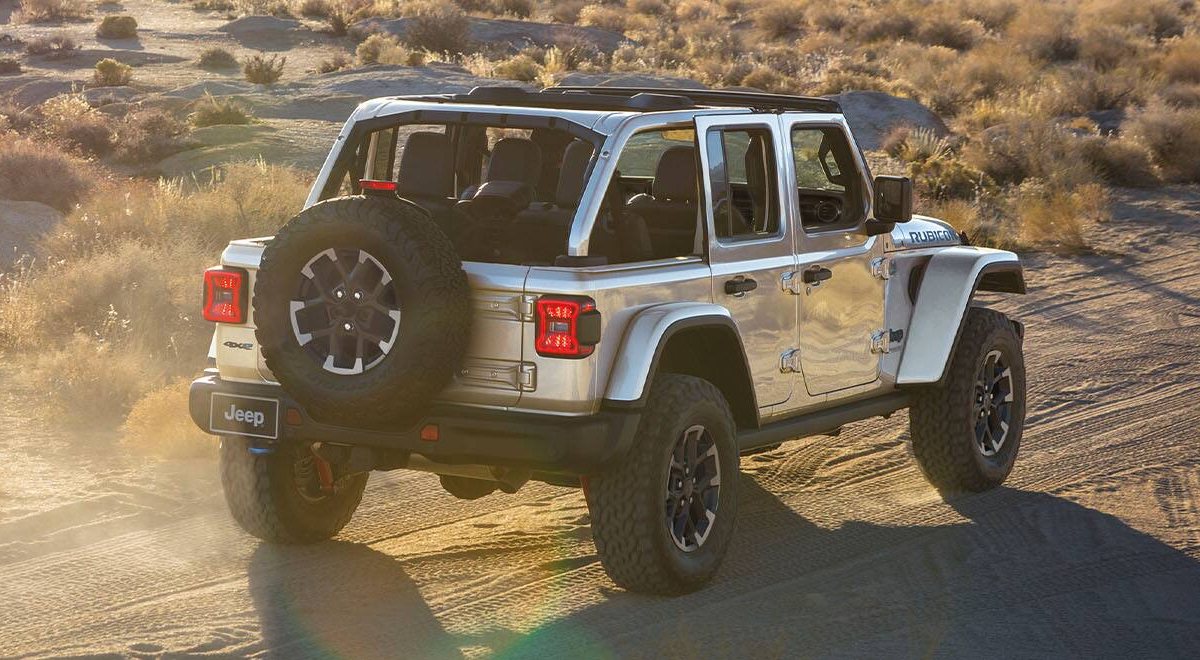
Key Features Of Command Trac
Some standout features make Command Trac a favorite for off-roaders:
- Simplicity: The system has fewer parts than more complex 4WD systems, making it reliable and easier to fix.
- Flexibility: You can shift between 2WD and 4WD high while moving (at low speeds), known as “shift-on-the-fly.”
- Low Maintenance: With basic care, Command Trac can last for years.
Below is a comparison of Command Trac with another popular Jeep system, Selec-Trac:
| Feature | Command Trac | Selec-Trac |
|---|---|---|
| 4WD Modes | 2H, 4H, 4L | 2WD, 4WD Auto, 4H, 4L |
| Full-Time 4WD | No | Yes |
| Use on Dry Pavement | No | Yes (4WD Auto) |
| Typical Models | Wrangler, XJ Cherokee | Grand Cherokee, Liberty |
When To Use Command Trac
Using Command Trac correctly is essential for both safety and vehicle health.
2H: Use this for everyday driving on dry, paved roads. It saves fuel and reduces wear.
4H: Best for rainy, snowy, or muddy roads where you need extra grip but are moving at moderate speeds.
4L: This mode is for very tough conditions—deep snow, sand, rocks, or when you need maximum torque at low speeds.
Important tip: Never use 4WD modes on dry, high-traction pavement. Doing so can cause “driveline bind,” stressing your Jeep’s parts and possibly leading to expensive repairs.
Common Mistakes With Command Trac
Many first-time Jeep owners make simple errors that can be costly:
- Using 4WD on Dry Pavement: Command Trac is not designed for this and can lead to drive train damage.
- Ignoring Maintenance: The transfer case fluid should be checked and changed as per the owner’s manual.
- Shifting at High Speeds: While shift-on-the-fly is possible, always follow speed recommendations (usually below 55 mph for 4H).
Models Featuring Command Trac
Not all Jeeps have Command Trac. Here are some well-known models that use this system:
- Jeep Wrangler (YJ, TJ, JK, JL): Most Wranglers, especially Sport and base trims, use Command Trac.
- Jeep Cherokee XJ: Command Trac was standard on many XJs from the 1980s to 2001.
- Jeep Comanche (MJ): This pickup also used the system in various trims.
Check your Jeep’s owner’s manual or look for a “4WD” shifter to identify if you have Command Trac.
Command Trac Vs. Other Jeep 4wd Systems
Jeep offers several 4WD systems. Here’s a quick comparison with two others:
| System | Type | Best Use |
|---|---|---|
| Command Trac | Part-Time | Off-Road, Snow, Mud |
| Selec-Trac | Full-Time/Part-Time | Mixed Surfaces, All-Weather |
| Rock-Trac | Part-Time | Extreme Off-Road, Rock Crawling |
Non-obvious insight: Command Trac is lighter and simpler than Rock-Trac, which means better fuel economy and less maintenance for daily drivers.
Pros And Cons Of Command Trac
Like any system, Command Trac has strengths and weaknesses. Here’s a summary:
Pros:
- Simple and reliable
- Good for tough terrains
- Lower cost to maintain
Cons:
- Not for use on dry pavement in 4WD
- No full-time 4WD option
- No automatic mode for changing conditions
Knowing these can help you decide if Command Trac fits your driving style.
Why Choose Command Trac?
If you want a Jeep mainly for off-road, snow, or challenging weather, Command Trac is a smart choice. It’s also popular with people who like to modify their vehicles. The straightforward design means upgrades and repairs are easier and often cheaper.
Many experienced Jeep owners prefer Command Trac for its “old-school” feel. You are in control there’s no computer deciding when to shift. This appeals to those who enjoy hands-on driving.
Frequently Asked Questions
What Is The Main Difference Between Command Trac And Selec-trac?
Command Trac is part-time 4WD, meant for off-road or slippery conditions only. Selec-Trac offers full-time 4WD, allowing use on dry roads without risk of damage.
Can I Use Command Trac On The Highway?
You can drive on the highway in 2H mode. Only use 4H or 4L in low-traction conditions like snow or mud, never on dry pavement.
How Do I Know If My Jeep Has Command Trac?
Check for a 4WD shifter with 2H, 4H, and 4L positions, or consult your owner’s manual for the transfer case type.
Does Command Trac Need Special Maintenance?
It needs regular fluid changes in the transfer case. Always follow the Jeep service schedule for best results.
Where Can I Learn More About Jeep 4wd Systems?
Visit the official Jeep 4×4 Systems page for more detailed information and model guides.
Understanding Command Trac helps you get the most from your Jeep, whether you’re hitting the trails or facing a tough winter road. With the right knowledge, you can enjoy adventure and reliability for years to come.