Jeep owners and enthusiasts often talk about a scary problem known as death wobble. Imagine driving your Jeep and suddenly, the steering wheel shakes violently, the whole front end feels out of control, and you have to grip the wheel tightly just to stay on the road. This is not just a minor shake—it’s a heart-stopping event that leaves many drivers worried about their safety.
But what actually causes Jeep death wobble? Is it a design flaw, something you can prevent, or a result of poor maintenance? Understanding the truth behind death wobble is key for every Jeep owner, whether you drive daily or love weekend off-roading.
What Is Jeep Death Wobble?
Death wobble is a term used to describe a violent shaking of the front wheels and steering in solid-axle vehicles, especially Jeeps. It usually happens after you hit a bump at highway speeds. Unlike normal vibration, death wobble makes you feel like you could lose control of your vehicle.
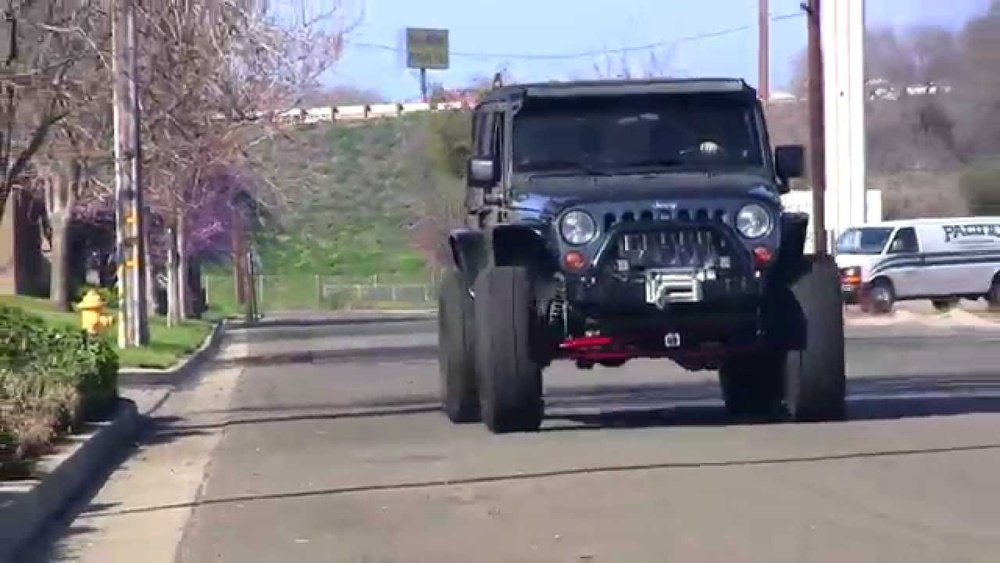
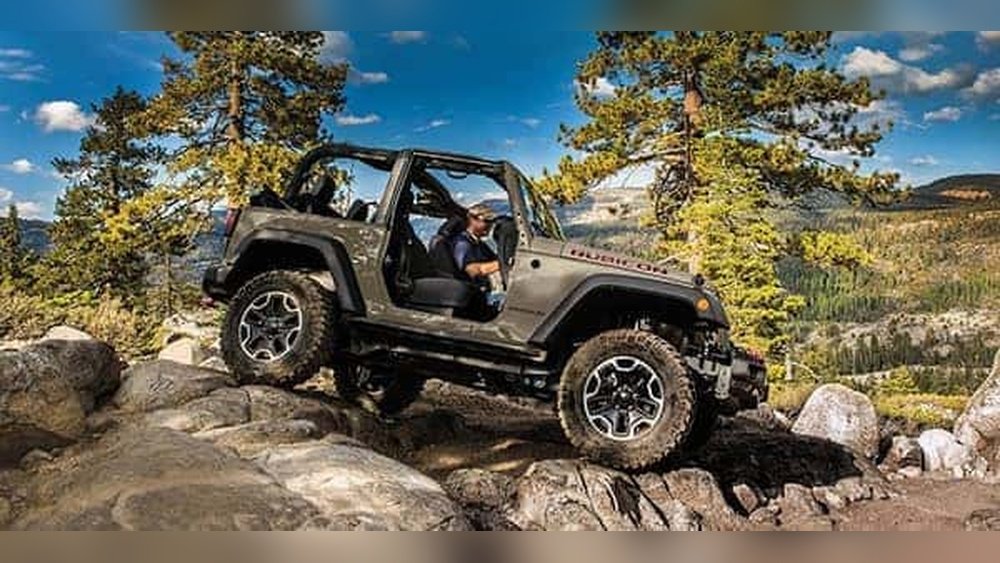
This problem mostly affects Jeeps with a solid front axle, such as the Wrangler (TJ, JK, JL models), Cherokee XJ, and older Grand Cherokees. Solid axles are popular because they handle off-roading well, but they make the front suspension more sensitive to certain problems.
The Main Causes Of Death Wobble
Many drivers blame a single part for death wobble, but it’s rarely that simple. Death wobble is usually the result of several worn or loose parts working together. Here are the most common causes:
1. Worn Track Bar Bushings Or Mounts
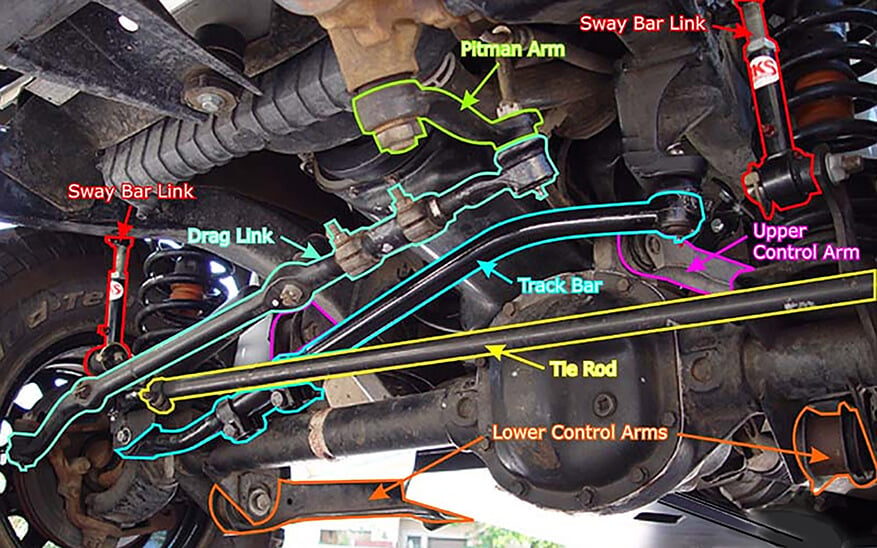
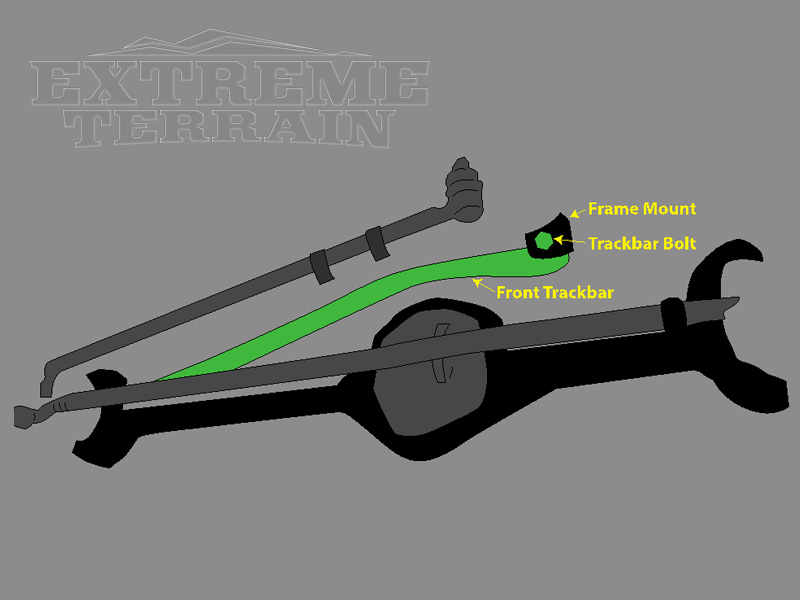
The track bar keeps your axle centered under your Jeep. If the bushings or bolts are worn or loose, the axle can move side to side, causing a violent shake. This is the most common culprit.
2. Loose Or Worn Steering Components
Parts like tie rod ends, drag link ends, and the pitman arm connect the steering wheel to the wheels. If any of these are worn or loose, they can amplify vibrations and trigger death wobble.
3. Bad Ball Joints
Ball joints allow the steering knuckles to move. When they get worn out, they create extra play in the steering system. This makes it easier for death wobble to start and harder to stop.
4. Unbalanced Or Damaged Tires And Wheels
Bent wheels or out-of-balance tires can send vibrations through the steering at certain speeds, especially if other parts are already worn.
5. Weak Or Damaged Steering Stabilizer
Some drivers think the steering stabilizer (a shock absorber for your steering) causes death wobble. In reality, it only masks the problem. A bad stabilizer can make wobble worse, but it’s rarely the main cause.
6. Incorrect Alignment
If your Jeep’s wheels are not properly aligned, especially the toe-in, the tires can “fight” each other, making wobble more likely.
How Death Wobble Feels And When It Happens
Drivers usually experience death wobble after hitting a bump or pothole at speeds above 45 mph (72 km/h). The steering wheel starts to shake so hard that it can be difficult to hold. Sometimes, it lasts until you slow down to almost a stop.
Here’s a quick comparison of death wobble vs. normal vibration:
| Death Wobble | Normal Vibration |
|---|---|
| Violent, side-to-side shaking | Mild, up-and-down shaking |
| Triggered by bumps at speed | Happens at specific speeds |
| Hard to control steering | Steering still controllable |
| Usually needs to be stopped by slowing down | Often goes away above/below certain speeds |
Why Jeeps Are Prone To Death Wobble
Jeeps use a solid front axle design, which is great for off-road strength but more sensitive to play in the suspension. This is different from most modern cars, which use independent front suspension.
Here’s how the two compare:
| Solid Front Axle | Independent Front Suspension |
|---|---|
| Axle moves as one unit | Each wheel moves independently |
| Stronger for off-roading | Smoother ride on pavement |
| More prone to death wobble | Less likely to have death wobble |
How To Fix And Prevent Death Wobble
If you experience death wobble, don’t just replace one part and hope for the best. A complete inspection is needed. Here’s what you should do:
- Check and Tighten All Bolts: Many death wobble cases start with loose bolts, especially on the track bar.
- Inspect Bushings and Joints: Look for cracked or worn rubber bushings, and replace any worn ball joints or tie rod ends.
- Balance and Rotate Tires: Unbalanced tires can start the wobble, especially if other parts are already worn.
- Get a Professional Alignment: Make sure your wheels are set to factory specifications.
- Replace Worn Steering Stabilizer: After fixing other parts, a new stabilizer can help smooth out minor vibrations.
- Check for Bent Parts: Off-roading can bend suspension parts, which may not be obvious at first glance.
A hidden cause many miss: frame side track bar bracket wear. Over time, the hole where the bolt passes through can become oval-shaped. This allows movement and causes wobble, even if all other parts are new. Always check this area carefully.
Here’s a comparison of how likely each fix is to solve the problem:
| Fix | Chance to Solve Death Wobble |
|---|---|
| Tightening all bolts | High |
| Replacing track bar bushings | Very High |
| Replacing steering stabilizer only | Low |
| Professional alignment | Medium |
Non-obvious Insights For Jeep Owners
- Aftermarket lift kits can make death wobble more likely if not installed perfectly. The higher the lift, the more stress on suspension parts.
- Mixing old and new parts (for example, replacing only one tie rod end) can leave weak spots. It’s better to replace related parts together for best results.
Final Thoughts
Jeep death wobble is scary, but it’s not a mystery. It usually comes from a combination of worn parts, loose bolts, or poor alignment—especially in vehicles with solid front axles. The good news is that with careful inspection and maintenance, you can fix and prevent it. Don’t ignore small shakes or vibrations. Address problems early to keep your Jeep safe, both on the road and off.
If you want to learn more about solid axles and their behavior, check out this Wikipedia article on death wobble.
Frequently Asked Questions
What Should I Do If My Jeep Gets Death Wobble While Driving?
Stay calm, keep a firm grip on the wheel, and slow down gradually. Do not slam on the brakes. Once you’re safely stopped, inspect your suspension before driving again.
Does Death Wobble Mean My Jeep Is Unsafe To Drive?
Yes, a vehicle with active death wobble is unsafe. Fix the cause before returning to normal driving.
Can Death Wobble Happen In New Jeeps?
Yes, it can happen even in new Jeeps if bolts come loose or a part is defective. Regular checks help prevent it.
Will A Steering Stabilizer Alone Fix Death Wobble?
No. The stabilizer may hide symptoms, but it does not fix the underlying causes. Fix worn or loose parts first.
Can Other Vehicles Have Death Wobble, Or Is It Only Jeeps?
Death wobble can happen in any solid-axle vehicle, including some trucks and SUVs, but it’s most common in Jeeps due to their suspension design.