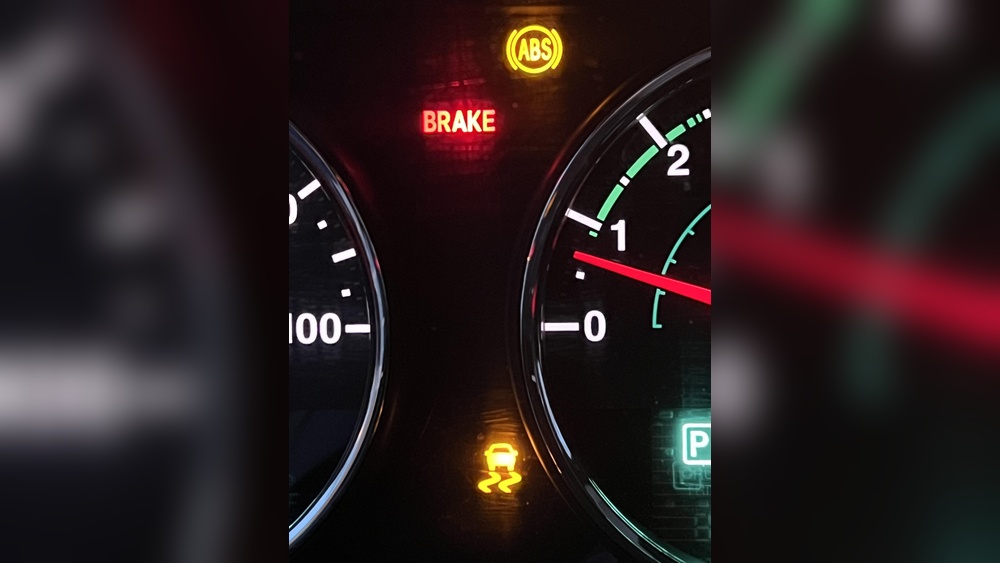
Have you noticed your ABS light suddenly come on while driving your Jeep? It can be confusing and even a little alarming.
That little warning light is trying to tell you something important about your vehicle’s braking system. Ignoring it isn’t a good idea, but you don’t need to panic either.
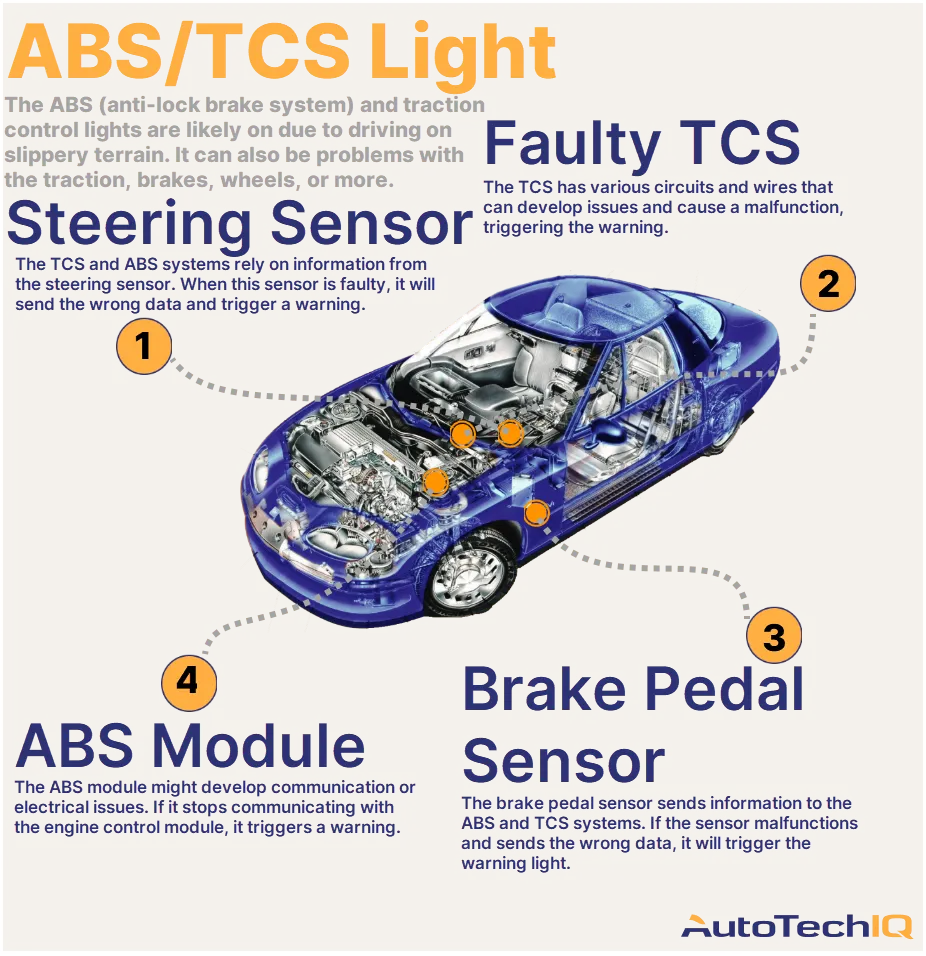
You’ll learn the most common reasons why your ABS light might be on, what it means for your Jeep’s safety, and what simple steps you can take to diagnose or fix the problem.
Keep reading to find out how to keep your Jeep running smoothly and stay safe on the road.
Common Abs Light Causes
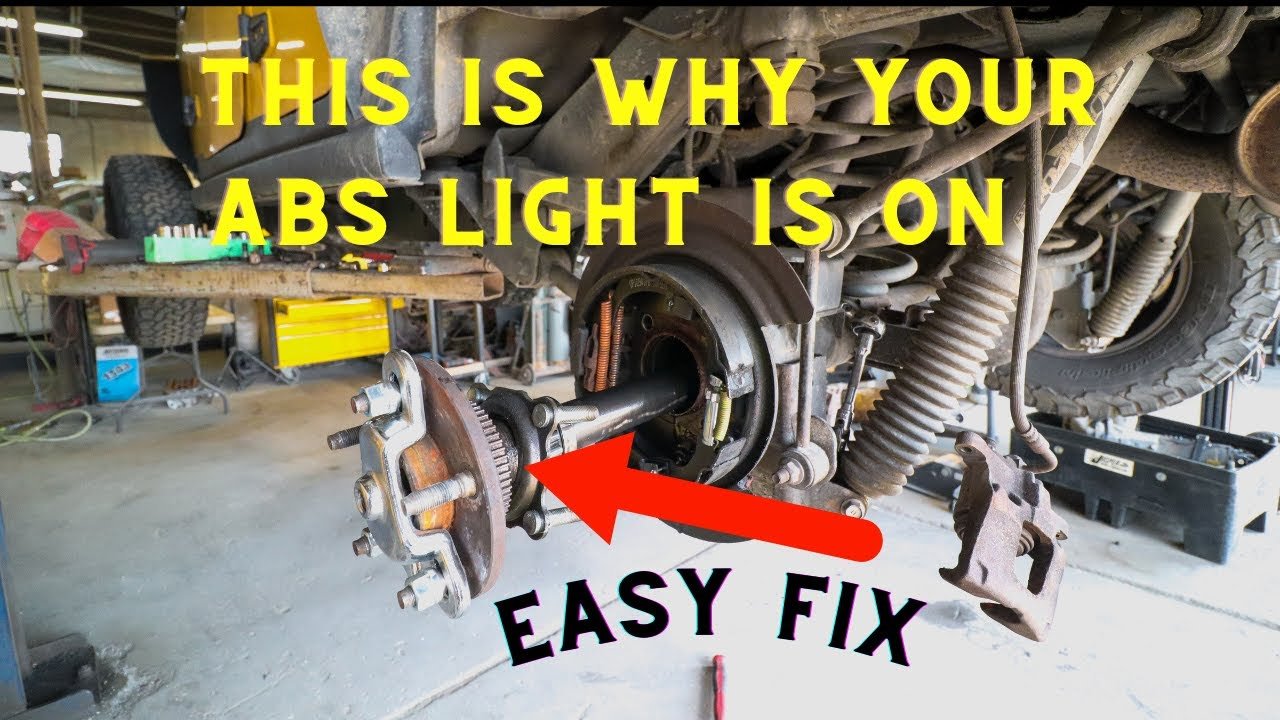
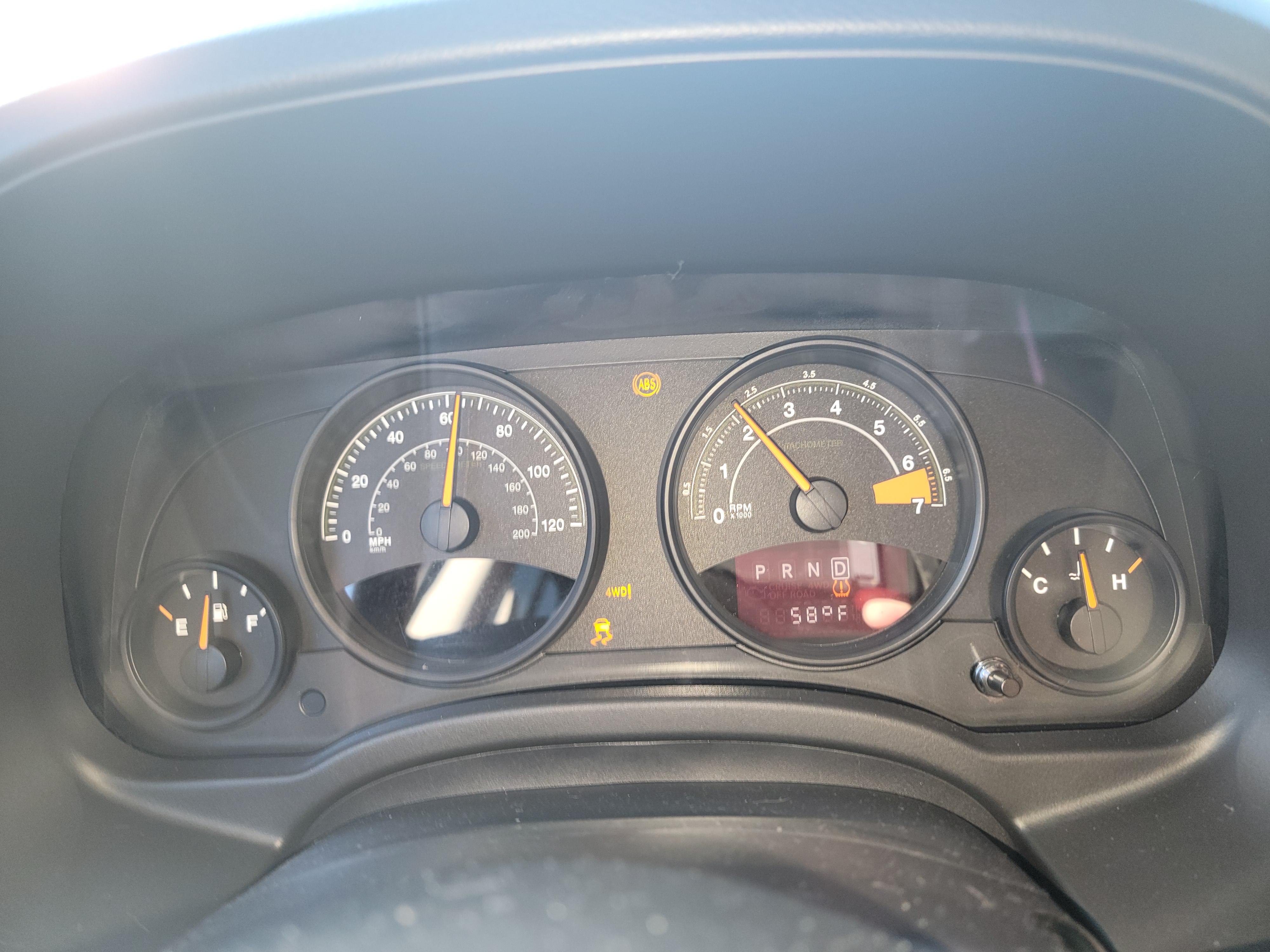
Signs of sensor and wiring damage often cause the ABS light to come on in your Jeep. The sensor system relies on clean signals from wheel speed sensors.
Any damage can disrupt communication, triggering the warning light. Watch for symptoms like uneven braking, loss of traction control, or unusual noises.
Sensor and wiring damage can occur in several ways. Off-road adventures put extra stress on the components.
Dirt, debris, and rough terrain may impact the wiring or sensors. Detecting these signs early helps avoid costly repairs and maintains safe driving conditions.
Off-roading Effects
Off-roading exposes your Jeep to rough surfaces and obstacles. Sensors can get jostled or knocked out of place.
Vibrations can loosen connections and damage wiring insulation. Water crossings may cause short circuits or corrosion.
These effects often trigger the ABS light due to faulty sensor readings.
Debris And Mud Impact
Debris and mud can cover or block the wheel speed sensors. Thick mud can act as a barrier, stopping sensors from reading wheel speed correctly.
Stones and sticks may strike the sensors or wires during off-roading. This impact can cause cracks or breaks in sensor housing or wiring.
Crushed Or Loose Wiring
Wiring near the wheels is vulnerable to crushing or loosening. Suspension movement or heavy impacts can pinch wires against the bump stops.
Loose wires may disconnect or create false signals. Damaged wiring interrupts sensor data, causing the ABS light to come on.
Signs Of Sensor And Wiring Damage
Troubleshooting the ABS light on your Jeep involves careful checks. Each step helps find the exact issue.
This way, you avoid guesswork and save time. Follow these simple steps to identify the problem safely.
Using A Scan Tool For Error Codes
Start by using an OBD-II scan tool. It reads error codes stored in your Jeep’s computer.
These codes point to the exact problem area. Codes related to ABS sensors or modules are common. A scan tool helps avoid unnecessary repairs.
Visual Inspection Of Sensors And Wiring
Look closely at the wheel sensors and wiring near each wheel. Dirt, mud, or debris can cover sensors and cause errors.
Check for broken, crushed, or loose wires. Off-road driving can damage these parts easily.
Fixing sensor wiring may turn the ABS light off.
Checking Brake Fluid Levels
Open the hood and find the brake fluid reservoir. Check if the fluid is low or dirty.
Low brake fluid often triggers the ABS warning light. Use the correct brake fluid type to refill. Avoid overfilling, which can cause other issues.
Battery Terminal Cleaning And Tightening
Inspect the battery terminals for corrosion or loose connections. Corroded terminals reduce electrical flow and cause sensor errors.
Clean terminals with a wire brush or battery cleaner. Tighten connections securely to ensure steady power supply.
Battery Problems Affecting Abs
The ABS light in your Jeep can be a sign that maintenance is needed. Following simple preventive steps helps keep the system healthy.
Regular care reduces the chance of the light coming on unexpectedly.
Preventive maintenance keeps your brakes and sensors working well. It saves money and avoids safety risks.
Small checks can prevent bigger problems down the road.
Regular Brake Fluid Checks
Brake fluid plays a key role in ABS function. Low or dirty brake fluid causes warning lights.
Check the fluid level at least once a month. Use the type recommended in your Jeep’s manual.
Replace old fluid every two years or as advised. Clean fluid ensures smooth brake system performance and sensor accuracy.
Battery Care Routine
A weak battery can trigger ABS warnings. Jeep’s electronic systems rely on stable power.
Check battery terminals for corrosion and tightness. Test battery voltage regularly, especially before long trips.
Replace old batteries to avoid unexpected sensor errors. Good battery health supports all vehicle electronics, including ABS sensors.
Sensor Cleaning And Inspection
ABS sensors can get dirty or damaged by road debris. Inspect sensors near each wheel regularly.
Clean them gently with a soft brush or cloth. Avoid harsh chemicals that might harm sensor parts.
Look for cracked wires or loose connections. Fixing minor sensor issues early prevents ABS light activation.
Avoiding Damage From Off-roading
Off-roading can expose ABS sensors to rough conditions. Mud, rocks, and water can harm sensor wires or housings.
Drive carefully over uneven terrain to protect sensor areas. Rinse wheels and undercarriage after off-road trips.
Check sensors for damage or dirt buildup. Preventing sensor damage reduces ABS light problems and costly repairs.
Can I Drive A Jeep With An Abs Light On?
Driving a Jeep with the ABS light on is possible but risky. The ABS system may not work properly, increasing brake failure chances.
Have a mechanic check it immediately to ensure safe braking and avoid costly damage.
Is It Expensive To Fix An Abs Light?
Fixing an ABS light can cost between $100 and $1,000, depending on the issue. Common repairs include sensor replacement or wiring fixes.
Simple problems like low brake fluid are cheaper to resolve. Diagnostic fees may apply.
Can I Drive If My Abs Light Is On?
Driving with the ABS light on is possible but not recommended. The ABS system may not function properly, increasing stopping distance.
Have your brakes checked promptly to ensure safety and prevent further damage.
Can I Fix The Abs Light Myself?
You can fix the ABS light yourself by checking the battery, brake fluid, and wheel sensors. Use a scan tool to identify issues.
Repair or replace faulty parts carefully. Seek professional help if unsure or if problems persist.
Conclusion
The ABS light on your Jeep signals a problem with the braking system. Common causes include damaged sensors, low brake fluid, or battery issues.
Ignoring the warning can affect your safety on the road. Regularly check key parts like the battery and wheel sensors for damage.
Simple fixes may solve the issue without high costs. Always seek professional help if you feel unsure about the repair.
Staying on top of these checks keeps your Jeep safe and reliable. Don't wait address the ABS light promptly for peace of mind.