Are Jeep Grand Cherokees Expensive To Maintain?
If you’re thinking about a Jeep Grand Cherokee, you probably wonder about its maintenance costs. This SUV is popular for its strong engine, roomy interior, and off-road ability. But owning any car means spending money on repairs and upkeep. So, are Jeep Grand Cherokees expensive to maintain compared to other SUVs? Let’s break down the facts, share real numbers, and help you decide if this vehicle fits your budget.
Typical Maintenance Costs For Jeep Grand Cherokee
Annual maintenance for the Jeep Grand Cherokee can range from $500 to $700 for newer models. Older vehicles, especially over 100,000 miles, may cost $800 or more per year. These numbers include routine jobs like oil changes, tire rotation, brake pads, and fluid checks.
Here’s a table showing average yearly maintenance costs for some popular mid-size SUVs:
| Model | Yearly Maintenance Cost | Warranty Coverage |
|---|---|---|
| Jeep Grand Cherokee | $600 | 3 years/36,000 miles |
| Ford Explorer | $550 | 3 years/36,000 miles |
| Toyota Highlander | $425 | 3 years/36,000 miles |
| Honda Pilot | $450 | 3 years/36,000 miles |
You can see the Grand Cherokee costs more to maintain than Toyota and Honda, but is close to the Ford Explorer.
Common Repairs And Their Costs
Some repairs are more frequent in the Jeep Grand Cherokee. Understanding these helps you plan for unexpected expenses.
- Brake replacement: $350–$500 for parts and labor
- Suspension repairs: $500–$1,200 depending on the issue
- Transmission problems: $1,500–$3,000 (rare but expensive)
- Electrical issues: $150–$400 for sensors or wiring
Not every owner will face these, but many report brake and suspension repairs after 60,000 miles. One insight many miss: the cost of fixing the air suspension system (on higher trims) can be much higher—sometimes $2,000 or more.
Factors That Affect Maintenance Cost
Many things influence how much you spend:
- Model year: Newer Grand Cherokees have fewer problems but may need expensive parts.
- Trim level: Luxury trims (Summit, Overland) have more technology and features, which can cost more to fix.
- Driving style: Off-roading or towing raises wear and tear.
- Mileage: High mileage means more repairs.
Here’s a quick comparison of costs by model year:
| Model Year | Avg. Yearly Cost | Common Repairs |
|---|---|---|
| 2015–2017 | $700 | Brakes, suspension |
| 2018–2020 | $600 | Battery, tires |
| 2021–2023 | $550 | Oil change, sensors |
Older models often need more brake and suspension work. Newer models mostly need regular maintenance.
How To Reduce Maintenance Costs
There are ways to keep your costs lower:
- Follow the maintenance schedule: Regular oil changes and inspections help prevent major problems.
- Use quality parts: Cheap parts break faster and cost more in the long run.
- Check recalls and warranties: Some repairs may be free if covered by a recall or warranty.
- Choose independent mechanics: Dealerships can charge more for labor.
One smart tip: Many owners forget to check for recalls. Jeep has issued recalls for issues like electrical faults and fuel leaks. Checking your VIN online can save money and keep your car safe.
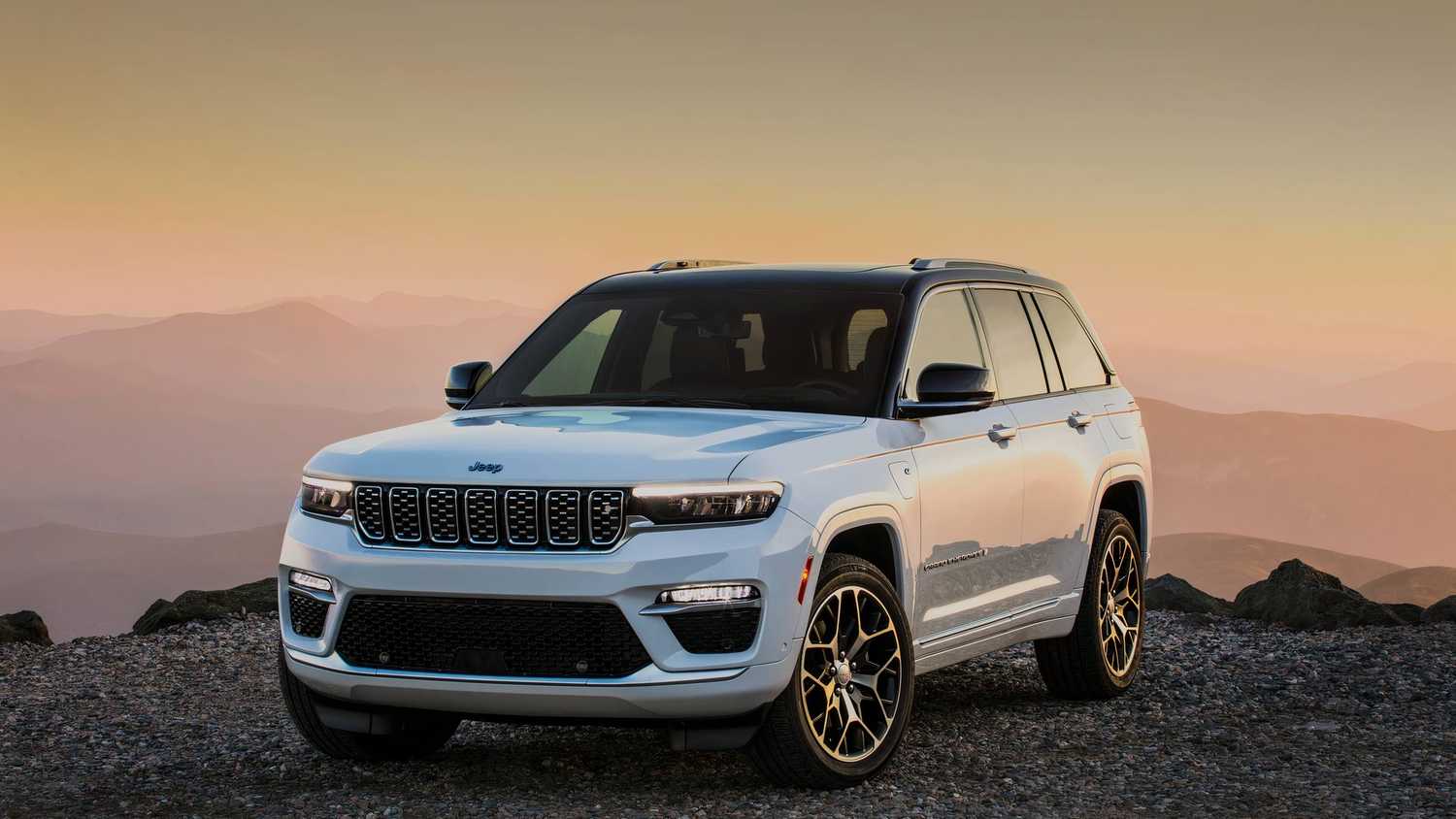
Jeep Grand Cherokee Vs. Other Suvs
Is the Grand Cherokee really more expensive to maintain? Here’s a side-by-side look:
| Feature | Jeep Grand Cherokee | Toyota Highlander | Ford Explorer |
|---|---|---|---|
| Avg. annual cost | $600 | $425 | $550 |
| Common repair | Suspension | Brakes | Transmission |
| Reliability score (out of 5) | 3.5 | 4.5 | 4.0 |
Toyota models are known for low maintenance costs and high reliability. The Grand Cherokee offers more power and off-road ability, but you pay more for repairs.
Non-obvious Insights About Grand Cherokee Maintenance
Most buyers focus on engine and transmission costs, but overlook smaller things:
- The air suspension system is expensive to fix and is only found on higher trims.
- Rust is more common in areas with snow and salt. Washing your SUV regularly can prevent costly repairs.
- Some electronic features, like navigation and keyless entry, may need updates or repairs after a few years.
Another thing many miss: Jeep dealers often offer maintenance packages. These can save money if you plan to keep the car for several years, but make sure you read the fine print.
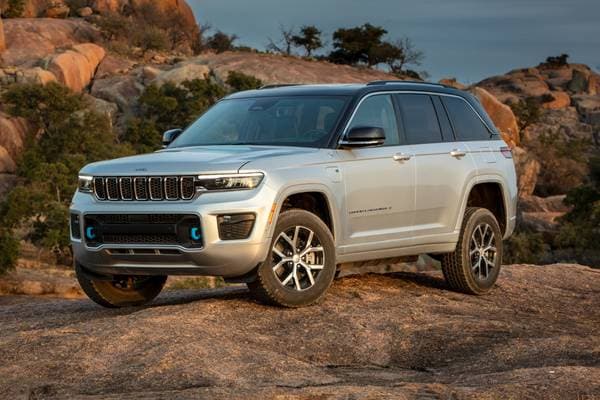
Is It Worth It?
If you want a powerful, comfortable SUV for both city and off-road driving, the Grand Cherokee is a good choice. Maintenance costs are higher than some rivals, but not extreme. If you follow the service schedule and avoid harsh driving, you can keep costs reasonable.
For buyers who only want low-cost, trouble-free ownership, models like the Toyota Highlander may be better. But if you value style, power, and capability, the extra expense may be worth it.
Frequently Asked Questions
How Often Does A Jeep Grand Cherokee Need Oil Changes?
Most models need an oil change every 7,500 miles. Older models may need it every 5,000 miles. Always check your owner’s manual for details.
Are Jeep Grand Cherokees Reliable?
They have a reliability score of about 3.5 out of 5. They are good for daily driving and off-roading, but some owners report problems with electrical systems and suspension.
Is The Air Suspension System Expensive To Repair?
Yes. Repairs can cost $2,000 or more. This system is only on high-end trims, so base models don’t have this issue.
Are Parts For Jeep Grand Cherokee Easy To Find?
Parts are widely available in the US. Prices for some components, like brakes or sensors, are higher than for Japanese SUVs.
Can I Reduce Maintenance Costs By Doing Repairs Myself?
You can save money on simple jobs like oil changes or brake pads. However, complex repairs (like suspension or electronics) need professional help.
For more data on SUV maintenance costs, visit Consumer Reports.
Owning a Jeep Grand Cherokee means spending a bit more each year, but with smart care, you can enjoy its performance without breaking the bank.