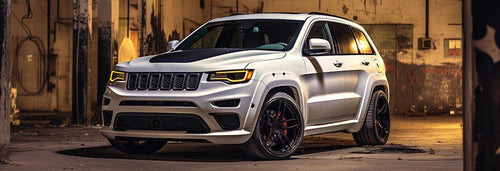
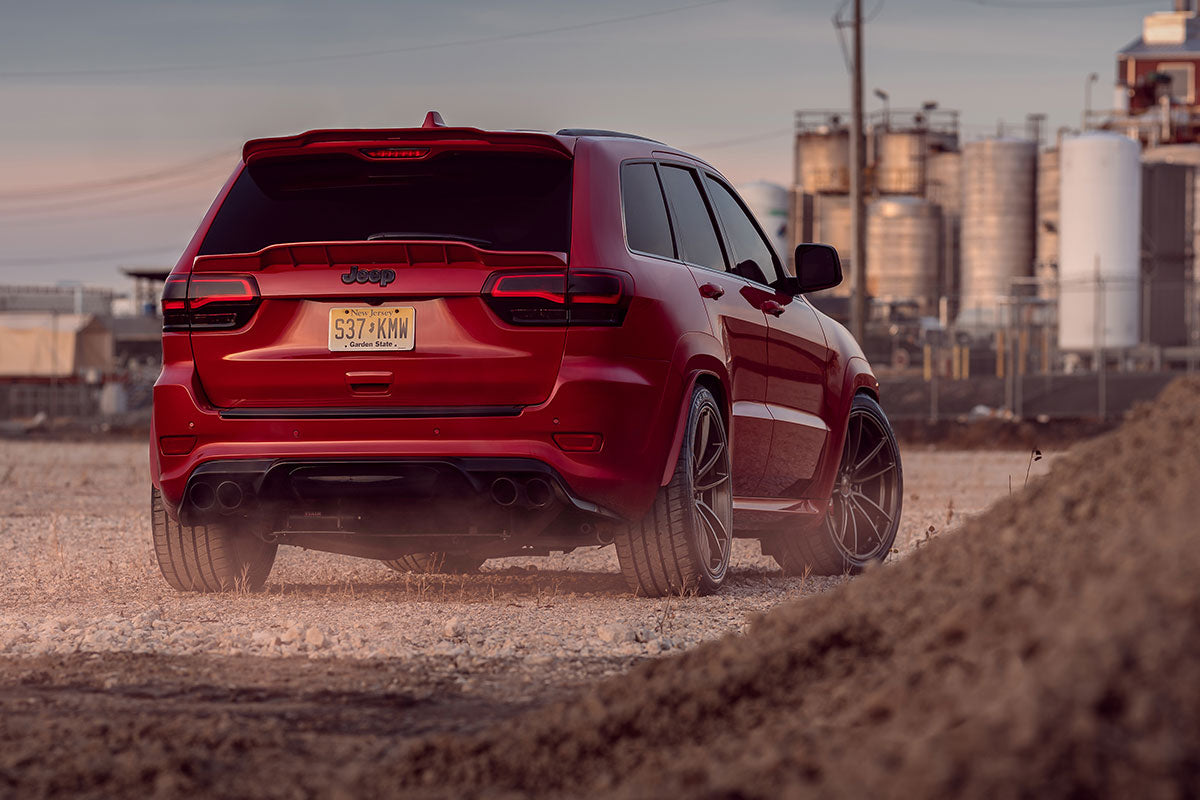
Many car fans were stunned when Jeep stopped making the Trackhawk. This high-powered SUV was famous for mixing off-road skills with a supercharged V8 engine.
If you search for a new Trackhawk today, you won’t find one in showrooms. But why did Jeep stop making this exciting model?
Let’s break down the real reasons behind the end of the Trackhawk, what it means for Jeep, and what buyers can expect in the future.

The Trackhawk: A Unique Suv
The Jeep Grand Cherokee Trackhawk was not your average SUV. It came with a 6.2-liter supercharged Hellcat V8 engine, pushing out 707 horsepower. This allowed it to go from 0 to 60 mph in just 3.5 seconds—numbers that compete with high-end sports cars.
Many loved the Trackhawk for these reasons:
- Massive power for an SUV
- All-wheel drive for better grip
- Luxurious interior and features
- True Jeep off-road spirit
But even with its popularity among fans, making such a vehicle was not easy for Jeep.
Why Jeep Stopped Making The Trackhawk
Several factors led Jeep to stop building the Trackhawk. Some are clear, but others may surprise you.
Strict Emissions Regulations
Around the world, car makers face tough emissions rules. Governments want less air pollution and lower carbon dioxide. The Trackhawk’s big V8 engine is powerful, but it uses a lot of gas and puts out more CO2 than smaller engines.
In Europe, the Trackhawk was already gone by 2020 because of these laws. In the US, new standards are pushing automakers to focus on greener engines.
For Jeep, keeping the Trackhawk meant more work and higher costs to meet these rules.
Shift Toward Electrification
Car companies are changing fast. Many are investing in electric vehicles (EVs) and hybrids. Jeep is no different. The brand now offers plug-in hybrid versions of the Grand Cherokee and Wrangler. Making a loud, fuel-hungry SUV like the Trackhawk doesn’t fit this new direction.
A good example: Jeep’s “4xe” line is growing, while V8 models are shrinking. This is not just about regulations—it’s also about what buyers want. More customers now care about fuel economy and the environment.
High Production Costs
Building the Trackhawk was not cheap. The supercharged V8 engine, strong transmission, and special parts all added to the price.
The Trackhawk cost over $90,000 new, making it one of the most expensive Jeeps ever.
For Jeep, the profit margin was not as high as you might think. The cost of making such a powerful SUV, combined with lower sales compared to regular models, made it a risky product.
Changing Market Demand
Not everyone wants or needs a 700-horsepower SUV. Most families choose SUVs for space, comfort, and efficiency. The Trackhawk was exciting but did not match what most buyers are looking for today.
Also, insurance costs, fuel prices, and maintenance are higher for these types of vehicles. Over time, the number of buyers for super-SUVs is shrinking.
Jeep’s Focus On New Models
Jeep is investing in new models, such as the Wagoneer, Grand Wagoneer, and more “4xe” plug-in hybrids. The brand is putting its money into vehicles that will sell in larger numbers and match new trends.
Trackhawk Vs. New Jeep Models
To see how the Trackhawk compares to current Jeep models, here’s a quick side-by-side:
| Feature | Trackhawk | Grand Cherokee 4xe |
|---|---|---|
| Engine | 6.2L Supercharged V8 | 2.0L Turbo + Electric |
| Horsepower | 707 hp | 375 hp |
| 0-60 mph | 3.5 sec | 6.0 sec |
| MPG (combined) | 13 mpg | 56 MPGe |
The Trackhawk stands out for power, but the Grand Cherokee 4xe leads in efficiency.
What This Means For Performance Fans
Performance SUVs are not gone, but they are changing. Jeep still makes the Grand Cherokee SRT, which has a 6.4L V8. But even this model faces an uncertain future as Jeep moves toward electric and hybrid options.
Some buyers are turning to the used market to find Trackhawks. Prices for clean, low-mileage Trackhawks are rising because they are now rare and considered collector’s items.
The Future Of High-performance Suvs
The end of the Trackhawk shows a bigger trend in the car world. Brands are working hard to build powerful, exciting SUVs that are also more efficient.
For example, some companies are making electric SUVs with fast acceleration and lower emissions.
Here’s a quick look at how the Trackhawk’s rivals are changing:
| Model | Engine Type | 0-60 mph |
|---|---|---|
| Dodge Durango SRT Hellcat | Supercharged V8 | 3.5 sec |
| Tesla Model X Plaid | All-Electric | 2.5 sec |
| BMW iX M60 | All-Electric | 3.6 sec |
Performance is still possible, but the technology is shifting.
Non-obvious Insights
Many people think Jeep stopped the Trackhawk only because of emissions rules. But the truth is, it was a mix of reasons: stricter laws, changing buyer needs, and Jeep’s own business plans. Another detail: as the used value rises, some believe Jeep may bring back a Trackhawk-like model in the future—possibly electric.
Also, some fans miss the unique sound and feel of the supercharged V8. Electric SUVs are quick but do not offer the same driving “drama.
” This feeling is hard to replace, and it’s why the Trackhawk still has a loyal following.
For an in-depth look at global emissions standards, see this Wikipedia page.

Frequently Asked Questions
Why Did Jeep Discontinue The Trackhawk?
Jeep stopped making the Trackhawk due to tough emissions laws, high production costs, and a shift toward electric and hybrid vehicles.
Will Jeep Bring Back The Trackhawk?
There is no official plan to bring back the Trackhawk, but Jeep may offer a high-performance electric SUV in the future.
Is The Grand Cherokee Srt Still Available?
As of 2023, the Grand Cherokee SRT is still offered in some markets, but its future is also uncertain as Jeep focuses on greener models.
How Much Does A Used Trackhawk Cost?
Prices vary, but many used Trackhawks now sell for $80,000 or more, depending on condition and mileage.
Are There Any Alternatives To The Trackhawk?
Yes, buyers can look at the Dodge Durango SRT Hellcat, Tesla Model X Plaid, or high-performance German SUVs, though each offers a different driving experience.
The end of the Trackhawk marks a big change for Jeep and its fans. While the age of the supercharged V8 SUV is ending, the future will bring new types of speed and power just in a cleaner, more efficient way.