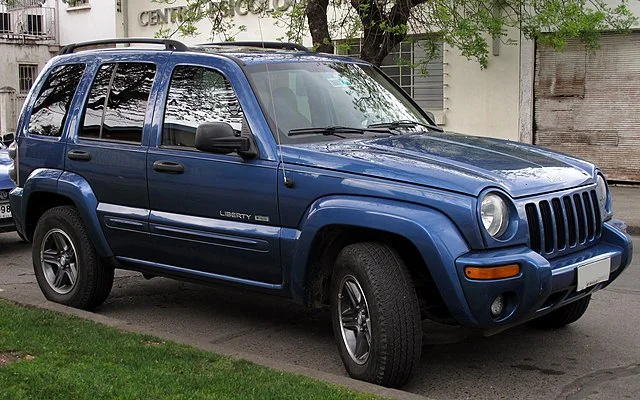
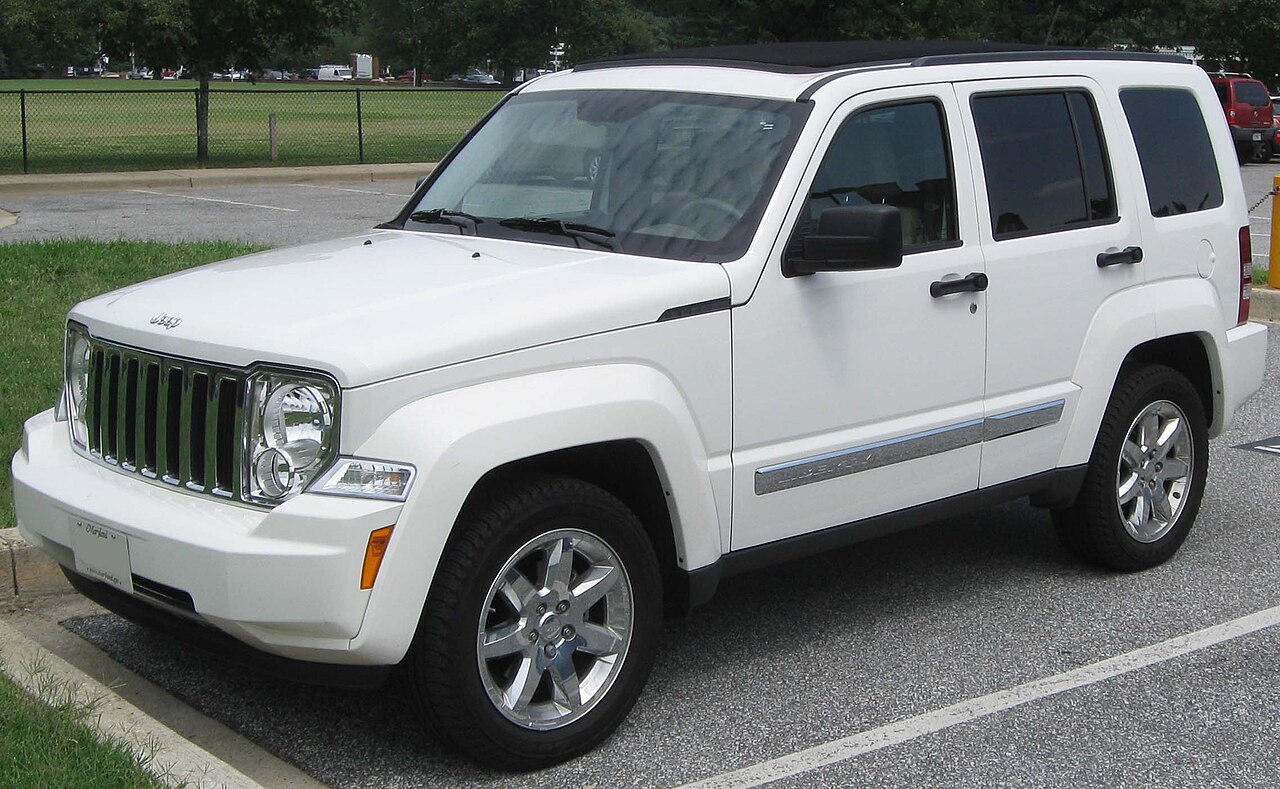
The Jeep Liberty once stood as a familiar sight on American roads, balancing rugged looks with practical SUV features. So, why did Jeep discontinue the Liberty after just two generations?
The answer is not as simple as poor sales. Changes in the auto market, evolving safety rules, and Jeep’s own ambitions for the future played a big part.
If you’re curious about what led to the end of this compact SUV, let’s look closer at the real reasons behind its disappearance.
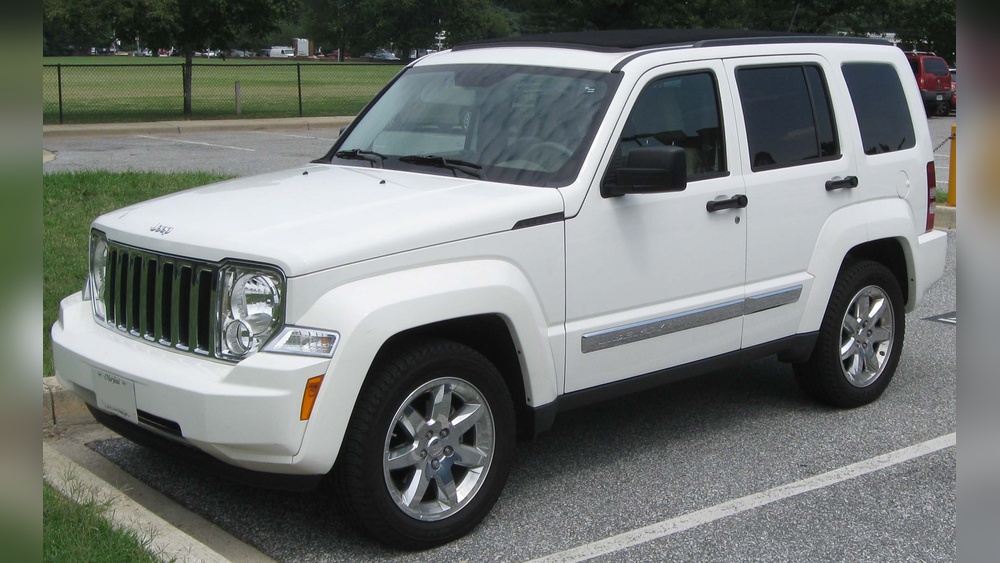
The Rise And Fall Of The Jeep Liberty
Jeep introduced the Liberty in 2002, aiming to fill the gap between the smaller Cherokee and the larger Grand Cherokee. It became popular for its boxy design, off-road abilities, and reasonable price tag. Families and adventure seekers appreciated its mix of comfort and Jeep’s signature ruggedness.
However, the Liberty struggled against tough competition and changing customer tastes. By the time its second generation arrived in 2008, the SUV market was shifting quickly.
People wanted vehicles that were more fuel-efficient, offered smoother rides, and had modern interiors.
Key Reasons Why Jeep Discontinued The Liberty
Several factors led to the Liberty’s end in 2012. Here are the main reasons:
1. Shifting Consumer Preferences
In the early 2000s, boxy SUVs were popular. But by 2010, drivers wanted crossovers—cars that blended SUV looks with sedan-like comfort and fuel efficiency. The Liberty, built on a traditional truck frame, felt old-fashioned compared to lighter, smoother competitors like the Honda CR-V and Toyota RAV4.
Many buyers also cared more about fuel economy than raw off-road power. The Liberty’s V6 engine offered little improvement in miles per gallon, making it less attractive as gas prices rose.
2. Tougher Safety And Emissions Standards
Government rules for safety and emissions changed rapidly during the Liberty’s life. To continue selling the Liberty in the U.S., Jeep would have needed to spend heavily on updates like better crash protection and cleaner engines. For a model with falling sales, this investment did not make sense.
3. Declining Sales Numbers
Jeep Liberty sales peaked early, but numbers dropped sharply after 2005. In its final year, 2012, Jeep sold about 75,000 units—less than half of its early sales. In comparison, rivals like the Honda CR-V sold more than 300,000 in the same period.
Here’s a quick look at yearly sales for the Liberty’s final years:
| Year | Jeep Liberty Sales (USA) |
|---|---|
| 2008 | 66,911 |
| 2009 | 43,503 |
| 2010 | 49,564 |
| 2011 | 66,684 |
| 2012 | 75,483 |
4. Outdated Platform And Features
The Liberty used an older chassis that was heavier and less efficient than newer rivals. Its interior design and technology also lagged behind. While competitors added features like touchscreens, advanced safety, and smoother suspensions, the Liberty stayed basic.
5. Jeep’s Plan For A Stronger Lineup
Jeep wanted to modernize its SUV offerings. The brand decided to replace the Liberty with a new version of the Cherokee.
The 2014 Jeep Cherokee brought a more modern design, better engines, and a focus on comfort and technology. This move allowed Jeep to compete more directly with top-selling crossovers.
Below is a quick comparison of the last Liberty and its replacement, the 2014 Cherokee:
| Feature | 2012 Jeep Liberty | 2014 Jeep Cherokee |
|---|---|---|
| Engine Options | 3.7L V6 | 2.4L I4 or 3.2L V6 |
| MPG (Combined) | 16-18 | 22-25 |
| Transmission | 4-speed auto | 9-speed auto |
| Technology | Basic audio, no touchscreen | Touchscreen, advanced safety |
Lessons From The Liberty’s End
Many buyers miss the Liberty’s classic Jeep look and real off-road skills. However, the SUV market is always changing. Models must keep up with new technology, fuel rules, and what people want in a daily vehicle.
Two key lessons stand out:
- Adaptation is crucial: Even strong brands must update or risk falling behind.
- Listening to buyers: Comfort, fuel savings, and tech now matter as much as off-road power.
Non-obvious Insights For Jeep Liberty Fans
- Parts and Repairs: Since the Liberty shares some components with other Jeep models, repair and maintenance are still manageable. But special parts (like certain suspension pieces) are slowly becoming harder to find.
- Resale Value Reality: Although the Liberty is discontinued, its resale value remains steady. This is partly due to Jeep’s loyal fan base and the Liberty’s reputation for durability. However, don’t expect prices to rise unless you have a rare or well-kept model.
The Bigger Picture: Jeep’s Evolving Identity
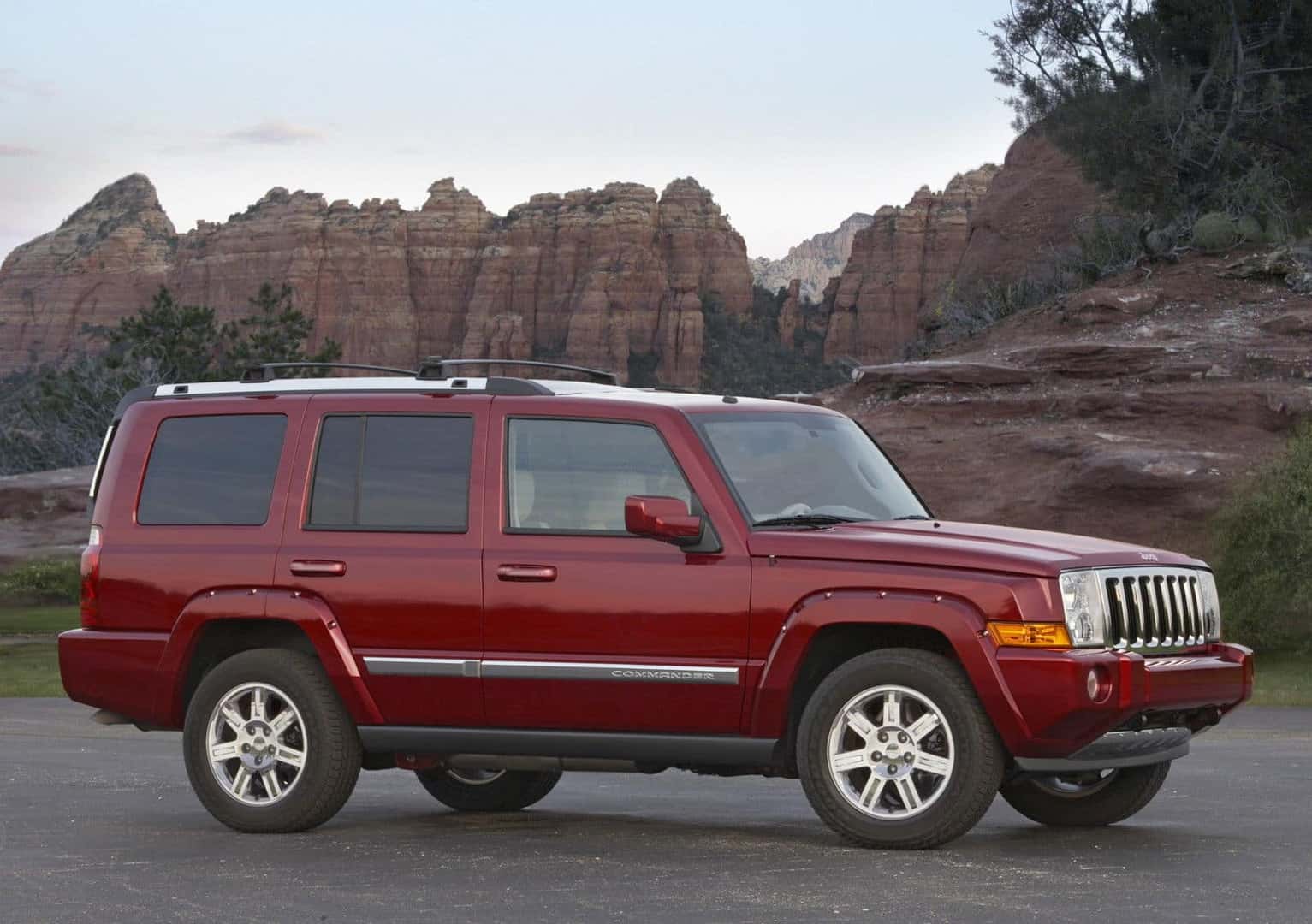
Jeep’s decision to end the Liberty shows how automakers must balance tradition and new demands. While the Liberty was once a symbol of ruggedness, its replacement aimed for a larger group of buyers. Today’s Jeep models, including the Compass and updated Cherokee, focus more on daily comfort while keeping some off-road features.
For those who loved the Liberty’s tough frame and classic looks, other options in the used market or the Wrangler line may still deliver that old-school Jeep feeling.
Frequently Asked Questions
<!– wp:rank-math/faq-block {"questions":[{"id":"faq-question-ba114e9eb516","title":"Why Did Jeep Choose The Cherokee To Replace The Liberty?","content":"Jeep picked the Cherokee because it could offer better fuel economy, modern safety, and updated technology. The Cherokee appealed to a broader group of buyers and fit the changing SUV market better.
“,”visible”:true},{“id”:”faq-question-f1c39b0d43f8″,”title”:”Was The Jeep Liberty A Reliable Vehicle?”,”content”:”The Liberty had a mixed record. Its engine and transmission were generally strong, but some owners reported issues with electrical systems or window regulators. Regular maintenance helped keep it running well.
“,”visible”:true},{“id”:”faq-question-068e50860023″,”title”:”Is It Hard To Find Parts For The Jeep Liberty Now?”,”content”:”Basic parts are still available due to the Liberty’s popularity. However, as years pass, some unique items especially for older models may become rare or expensive.
“,”visible”:true},{“id”:”faq-question-a42a4c8cca24″,”title”:”Did The Liberty Have Any Unique Features?”,”content”:”Yes, the Liberty was the first Jeep to use independent front suspension and offered a diesel engine for a short time. These features set it apart from other compact SUVs in its era.
“,”visible”:true},{“id”:”faq-question-8008645f888f”,”title”:”Where Can I Learn More About Jeep’s Suv History?”,”content”:”You can read more about Jeep’s lineup and changes over the years on the Wikipedia page for Jeep Liberty.
The end of the Jeep Liberty marked a key turning point for the brand, helping Jeep shift its focus to the future. While the Liberty may be gone, its influence can still be seen in the DNA of today’s Jeep SUVs.
“,”visible”:true}]} –>Why Did Jeep Choose The Cherokee To Replace The Liberty?
Jeep picked the Cherokee because it could offer better fuel economy, modern safety, and updated technology. The Cherokee appealed to a broader group of buyers and fit the changing SUV market better.
Was The Jeep Liberty A Reliable Vehicle?
The Liberty had a mixed record. Its engine and transmission were generally strong, but some owners reported issues with electrical systems or window regulators. Regular maintenance helped keep it running well.
Is It Hard To Find Parts For The Jeep Liberty Now?
Basic parts are still available due to the Liberty’s popularity. However, as years pass, some unique items especially for older models may become rare or expensive.
Did The Liberty Have Any Unique Features?
Yes, the Liberty was the first Jeep to use independent front suspension and offered a diesel engine for a short time. These features set it apart from other compact SUVs in its era.
Where Can I Learn More About Jeep's Suv History?
You can read more about Jeep’s lineup and changes over the years on the Wikipedia page for Jeep Liberty.
The end of the Jeep Liberty marked a key turning point for the brand, helping Jeep shift its focus to the future. While the Liberty may be gone, its influence can still be seen in the DNA of today’s Jeep SUVs.