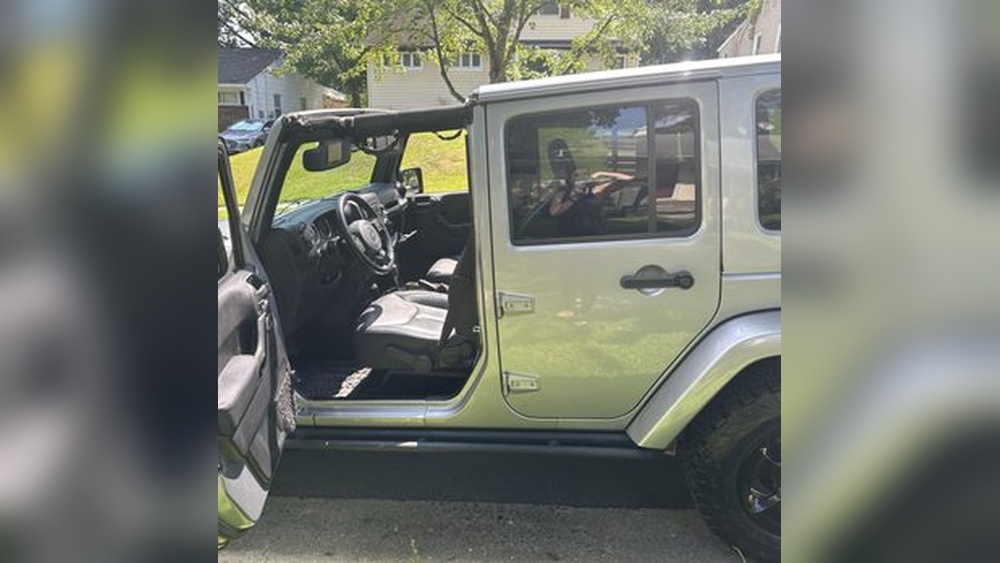
There’s a reason you see so many Jeeps for sale in the US, from big dealer lots to online ads. Jeep is one of the most recognized vehicle brands in the world, but the market seems flooded with them. People often wonder: Why are there so many Jeeps for sale? The answer is not simple. It combines history, demand, trends, ownership habits, and even the way Jeeps are built. This article explains all the main reasons, using real data, practical examples, and clear comparisons.
Jeep’s Unique History And Popularity
Jeep started as a military vehicle in World War II. Its tough design helped it become popular with civilians after the war. Over decades, Jeep became known for adventure, freedom, and ruggedness. The Wrangler and Grand Cherokee are especially famous.
Today, Jeep is a top-selling brand. According to Statista, Jeep sold over 780,000 vehicles in the US in 2023. This huge sales volume means many Jeeps end up on the used market when owners trade up or change vehicles.

High Resale Value And Turnover
Most Jeep models hold their value well. Owners can often sell their Jeeps for a good price even after a few years. This encourages frequent trading and selling.
Here’s a look at resale values after 5 years:
| Model | Average 5-Year Depreciation | Compared to Industry Avg. |
|---|---|---|
| Jeep Wrangler | 32% | Lower |
| Jeep Grand Cherokee | 43% | Similar |
| Jeep Compass | 45% | Higher |
| Industry Average | 47% | – |
The Wrangler stands out. It depreciates less than most SUVs, making it attractive for buyers and sellers.
Owner Lifestyle And Upgrading Habits
Jeep owners are often part of a community. Many join clubs, attend off-road events, and customize their vehicles. This culture leads to frequent upgrades. Some buy a new model with more features, better off-road abilities, or the latest tech.
Many Jeep owners:
- Trade in after 2–4 years for newer models
- Sell privately to upgrade their build
- Switch between different Jeep models (Wrangler, Cherokee, Gladiator)
This high turnover increases the number of used Jeeps for sale.
Strong Aftermarket And Modding Culture
Jeep’s design makes it easy to modify. Owners add lift kits, bigger tires, winches, and custom bumpers. This modding culture means Jeeps are often bought, modified, and sold as people try new builds.
Some buyers specifically look for pre-modified Jeeps. Others prefer stock models. This creates a wider market and more listings.
Comparison of Jeep modding vs other brands:
| Brand | % Owners Who Modify | Popular Mods |
|---|---|---|
| Jeep | 62% | Lift kits, wheels, lights |
| Toyota | 39% | Suspension, wheels |
| Ford | 28% | Lights, exhaust |
The high modding rate means more customized Jeeps for sale, both by private sellers and dealers.

Reliability, Age, And Model Diversity
Jeep models vary in reliability. The Wrangler is known for durability, but other models like the Cherokee and Compass sometimes have more issues.
Older Jeeps are often still running, so they stay in the market longer. But models with reliability problems are traded more often. This combination adds to the total for-sale inventory.
Here’s a breakdown of Jeep model ages commonly seen for sale:
| Model | Average Age (Used Market) | Common Reason for Sale |
|---|---|---|
| Wrangler | 5–10 years | Upgrading, lifestyle change |
| Cherokee | 3–7 years | Reliability, trade-in |
| Grand Cherokee | 5–8 years | Family needs, tech upgrade |
Non-obvious insight: Many older Jeeps are kept as second vehicles for off-roading. When families grow or needs change, these get sold, adding to the listings.
Seasonal Demand And Market Cycles
Jeep sales spike in spring and early summer. People want vehicles for camping, road trips, and outdoor adventures. Dealers and private sellers list more Jeeps during these seasons. This creates a cycle: more Jeeps for sale, more buyers, and then more trade-ins.
In winter, demand often drops, but inventory remains high because Jeeps are marketed as good in snow and rough conditions. This keeps the for-sale numbers steady throughout the year.
Leasing Trends And Rental Fleet Retirements
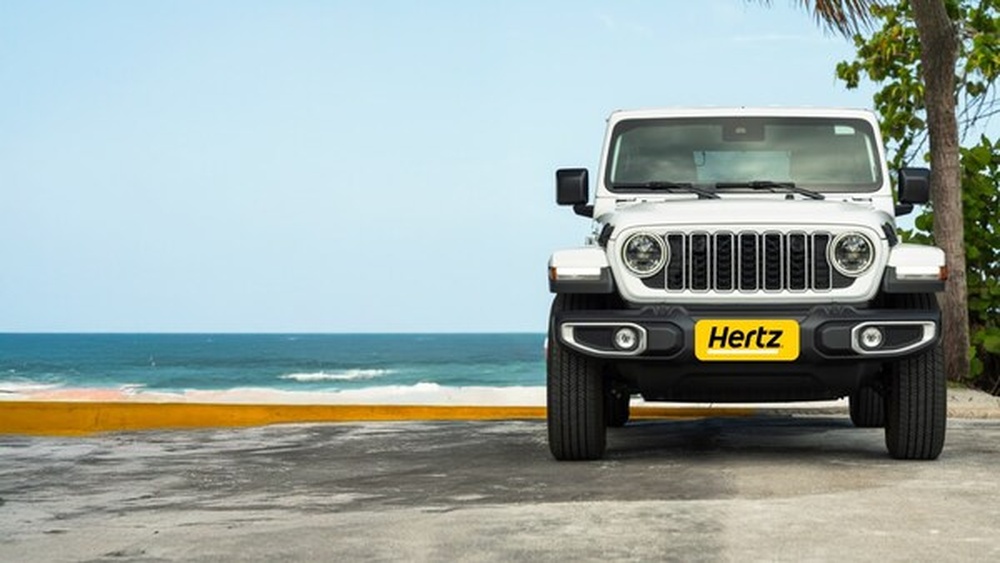
Leasing is popular with Jeep buyers. When leases end (usually after 2 3 years), those vehicles enter the used market. Rental companies also use Jeeps in their fleets. After a few years, they sell these off.
According to Edmunds, about 33% of new Jeeps are leased, higher than many brands. That means a steady flow of low-mileage Jeeps for sale, keeping inventory up.
Easy Financing And Wide Availability
Jeep offers easy financing, low down payments, and frequent promotions. This attracts buyers who may trade in or sell after just a few years. The brand’s wide dealer network makes buying and selling simple.
Non-obvious insight: Because Jeeps are everywhere, sellers face strong competition. This leads to more aggressive pricing and more visible listings.

Frequently Asked Questions
Why Do Jeeps Hold Their Value Better Than Other Suvs?
The Wrangler and some other models are seen as iconic. Their durability, simple design, and strong demand for off-road vehicles mean they lose less value over time compared to most SUVs.
Are Jeeps Expensive To Maintain?
Some models, like the Wrangler, are easier and cheaper to repair than others. But newer Jeeps with more electronics can cost more for maintenance and parts. Always check the model’s track record.
Is Buying A Used Jeep Risky?
It depends on the model and age. Wranglers are usually reliable if maintained. Other models may have known issues. Always get a mechanic to check before buying.
Why Are So Many Jeeps Modified?
Jeep’s design makes it easy to add upgrades. Owners enjoy customizing for off-roading, style, and performance. This is much more common with Jeep than with most other brands.
Where Can I Find More Jeep Sales Data?
A good source for Jeep sales figures and trends is the official Statista Jeep Sales page.
The number of Jeeps for sale isn’t just about popularity. It’s about a mix of history, resale value, owner habits, modding culture, and market cycles. Whether you’re buying or selling, understanding these trends can help you make a smarter decision.