Why Are Jeeps So Bad
Many people love the Jeep brand for its rugged look and off-road abilities. But if you read car forums or watch owner reviews, you’ll hear a different story. Some drivers call Jeeps unreliable, expensive to fix, and poor for daily driving. Why do Jeeps get such a bad reputation? Let’s break down the key reasons, share real data, and explain what’s behind the criticism.
Reliability Issues
Reliability is a major factor for most car buyers. Unfortunately, Jeeps have struggled in this area for years.
Frequent Repairs
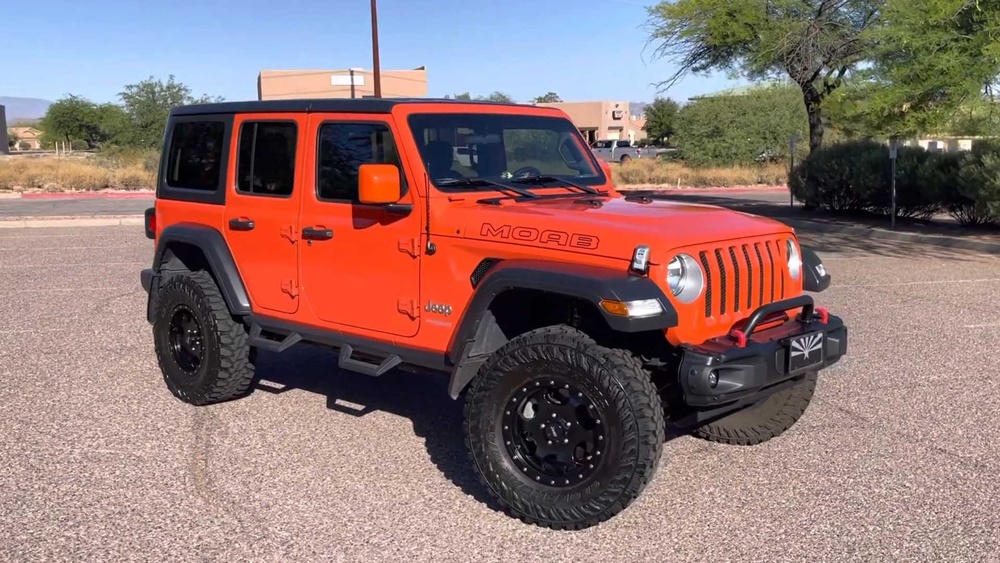
Consumer Reports and J.D. Power often rank Jeep models near the bottom for reliability. In a 2023 J.D. Power study, Jeep finished 28th out of 32 car brands for dependability. Common problems include electrical faults, transmission issues, and engine trouble. For example, the Jeep Grand Cherokee often has problems with the air suspension and infotainment system.
Expensive Fixes
Even small issues can be costly. Replacement parts and labor for Jeeps are usually pricier than for Toyota or Honda. Owners report paying $1,200 or more to fix the air suspension on a Grand Cherokee. These costs add up, especially after the warranty ends.
Poor Fuel Economy
Jeeps are known for their boxy shape and four-wheel drive systems. While these features help off-road, they hurt fuel economy.
| Model | MPG (City) | MPG (Highway) |
|---|---|---|
| Jeep Wrangler | 17 | 25 |
| Toyota RAV4 | 27 | 35 |
| Honda CR-V | 28 | 34 |
Compared to similar SUVs, Jeeps often use much more gas. Over a year, this can mean spending hundreds of dollars more at the pump.

Comfort And Ride Quality
While Jeeps are great for trails, they can be uncomfortable for daily driving.
Stiff Ride
Most Jeep models use a solid axle and tough suspension. This setup is perfect for rocks and mud, but it makes the ride stiff and bouncy on city streets. Many drivers complain about feeling every bump.
Noisy Cabin
Jeeps, especially the Wrangler, are known for wind and road noise. The removable roof and doors look cool, but they let in more sound. On the highway, talking or listening to music can be hard.
Outdated Technology
Many Jeep models lag behind rivals when it comes to in-car technology and safety features.
| Feature | Jeep Wrangler (2023) | Toyota RAV4 (2023) |
|---|---|---|
| Adaptive Cruise Control | Optional | Standard |
| Automatic Emergency Braking | Optional | Standard |
| Lane Keeping Assist | Not Available | Standard |
Some Jeep models still lack features that are standard on cheaper competitors. Drivers looking for the latest tech might be disappointed.
High Ownership Costs
Owning a Jeep can be more expensive than expected.
- Insurance: Jeeps often cost more to insure due to theft risk and off-road use.
- Maintenance: Regular servicing, like oil changes and tire rotations, is often pricier.
- Depreciation: While some models like the Wrangler hold value well, others lose value quickly.
Real-world Example
Consider the Jeep Compass. It looks stylish and offers all-wheel drive, but owners often report electrical glitches and poor build quality. In 2022, the Compass scored just 2 out of 5 for reliability on Consumer Reports. By contrast, the Honda CR-V earned a 4 out of 5.
Non-obvious Insights
Many new buyers overlook two important factors:
- Aftermarket Modifications: Many Jeep owners add bigger tires, lifts, and accessories. These mods can stress parts and void warranties, leading to more problems.
- Niche Focus: Jeeps are built mainly for off-road use. If you mostly drive on highways or in cities, their strengths become weaknesses. What makes a Wrangler fun on a trail makes it tiring on a commute.
Jeep Vs. Competitors: Quick Comparison
Here’s a snapshot of how Jeeps stack up against rivals:
| Brand | 2023 Reliability Score (J.D. Power) | Average Repair Cost (Annual) |
|---|---|---|
| Jeep | 76/100 | $634 |
| Toyota | 83/100 | $441 |
| Honda | 81/100 | $428 |
Jeeps cost more to keep running, and their reliability scores are lower.
Why Do People Still Buy Jeeps?
Despite The Problems, Jeeps Have A Loyal Fan Base. Why?
- Iconic Design: The Wrangler’s look is classic and stands out.
- Off-Road Power: Few other SUVs can match a Jeep off-road.
- Community: Jeep owners often join clubs and events, creating a sense of belonging.
For some, these positives matter more than daily comfort or cost.
Is Every Jeep Bad?
Not all Jeeps are equal. Some models, like the Jeep Wrangler, have improved in recent years. Newer models offer better tech and smoother rides. However, the main problems—reliability, comfort, and cost—still affect the brand’s reputation.
Smart buyers do their research and take long test drives before deciding. Checking owner forums and review sites can reveal real-world problems.
If you’re looking for a reliable, fuel-efficient SUV mainly for city driving, a Jeep may not be your best choice. But if you want to explore trails and don’t mind higher costs, a Jeep could still fit your lifestyle.
You can read more about vehicle reliability at the official Consumer Reports website.

Frequently Asked Questions
Why Do Jeeps Have So Many Problems?
Jeeps are designed for off-road performance, not daily commuting. Their rugged parts face more stress, and many owners add modifications that can lead to breakdowns.
Are Jeeps Expensive To Maintain?
Yes, Jeeps usually have higher maintenance costs compared to brands like Toyota or Honda. Repairs and parts are more expensive, especially for four-wheel-drive systems.
Which Jeep Model Is The Most Reliable?
The Jeep Wrangler is often seen as the most reliable, especially newer models. However, it still trails behind Japanese SUVs in long-term dependability.
Do Jeeps Last As Long As Other Suvs?
Jeeps can last over 150,000 miles with good care, but they often need more repairs along the way. Brands like Toyota and Honda tend to last longer with fewer issues.
Should I Buy A Jeep For City Driving?
If you mainly drive in cities, a Jeep may not be the best fit. Better options exist for comfort, fuel economy, and technology. Jeeps are best for those who value off-road ability over daily comfort.
In the end, Jeeps offer adventure and style but come with trade-offs. Knowing these details helps you make a smart choice before you buy.