If you own a 2013 Jeep Grand Cherokee, you probably know how important regular maintenance is for keeping your SUV running smoothly. One part that often gets overlooked is the transmission fluid. This fluid is the lifeblood of your transmission system, making sure gears shift properly and preventing expensive repairs. In this guide, you’ll learn everything you need to know about the right fluid, how to check it, when to change it, and common mistakes to avoid.
What Transmission Fluid Does
Transmission fluid is more than just a lubricant. It cools, cleans, and protects the internal parts of your transmission. For the 2013 Jeep Grand Cherokee, the right fluid keeps your shifting smooth, reduces wear, and helps prevent overheating. If the fluid level gets low or becomes dirty, you can face issues like hard shifting, slipping gears, or even total transmission failure.
Recommended Transmission Fluid Type
Jeep recommends using ATF+4 automatic transmission fluid for most 2013 Grand Cherokees. This fluid is engineered to handle heat, friction, and the demands of your vehicle’s transmission. Using the wrong fluid can cause performance issues or damage.
Comparing Fluid Types
Here’s a quick look at the difference between common transmission fluids:
| Fluid Type | Suitable for 2013 Grand Cherokee? | Main Features |
|---|---|---|
| ATF+4 | Yes | Synthetic, high heat tolerance, designed for Chrysler/Jeep |
| Dexron III | No | Older GM vehicles, less compatible |
| Mercon V | No | Ford vehicles, not recommended for Jeep |
Always check your owner’s manual for the exact recommendation, as some Grand Cherokees with special engines or trims may require a different fluid.
How To Check Transmission Fluid
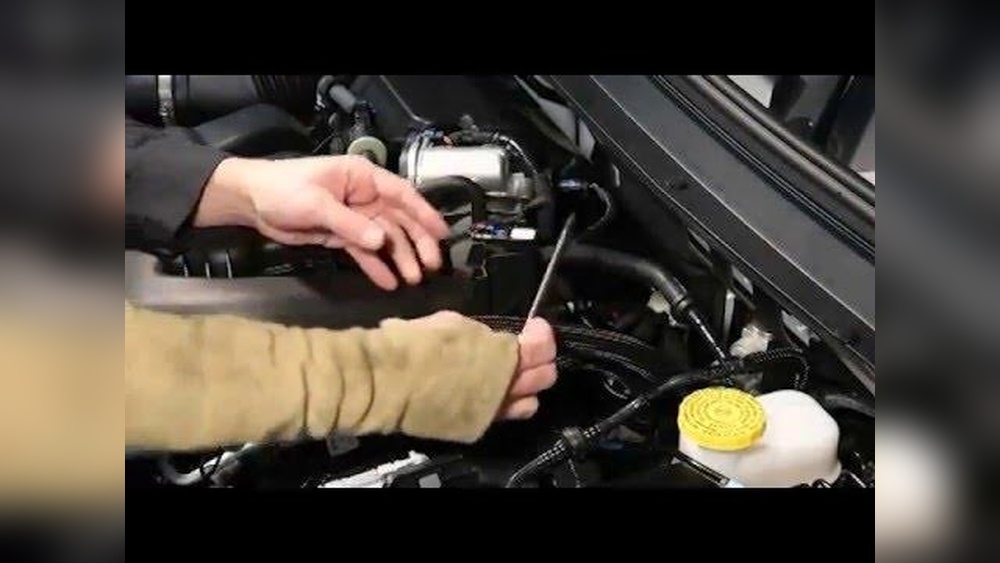
Checking the transmission fluid in your 2013 Jeep Grand Cherokee is simple but important. Many models don’t have a traditional dipstick, so you may need to use a service tool or have a mechanic check it.
- Warm up the vehicle by driving for a few minutes.
- Park on a level surface and set the parking brake.
- With the engine running and transmission in ‘Park,’ check the fluid level using the dipstick or service tool.
- Inspect the fluid’s color. It should be bright red and clear.
- Smell the fluid. If it has a burnt odor, it’s time to change it.
If you don’t feel comfortable checking it yourself, ask your mechanic during your next oil change.
Signs Of Low Or Bad Fluid
- Hard shifting
- Slipping gears
- Delayed response
- Strange noises
If you notice these, check the fluid right away.
When And How Often To Change Transmission Fluid
Most experts recommend changing transmission fluid every 60,000 miles for the 2013 Grand Cherokee. However, your driving habits matter. If you tow heavy loads, drive in stop-and-go traffic, or operate in extreme heat, change it more often.
Transmission Fluid Change Schedule
| Driving Condition | Change Interval |
|---|---|
| Normal | 60,000 miles |
| Heavy towing | 30,000 miles |
| Extreme temperatures | 30,000 miles |
Don’t rely on a “sealed for life” claim. Fluid breaks down over time and will need replacing.

Steps To Change Transmission Fluid
Changing transmission fluid is a moderate job. If you’re experienced with car maintenance, you can do it yourself. Otherwise, a mechanic can handle it.
- Lift the vehicle and secure it.
- Remove the transmission pan. Drain the old fluid.
- Replace the filter if needed.
- Clean the pan and gasket surfaces.
- Install the pan and new gasket.
- Fill with ATF+4 fluid to the recommended level.
Approximate Fluid Capacity
The 2013 Grand Cherokee usually takes 5–6 quarts of transmission fluid, but always check your manual for exact specifications.
Common Mistakes To Avoid
Many owners make simple mistakes that can shorten transmission life.
- Using the wrong fluid type (always use ATF+4)
- Overfilling or underfilling the fluid
- Ignoring strange noises or shifting problems
- Skipping fluid changes because the transmission is “sealed”
A less-known mistake is forgetting to replace the filter and gasket. These parts catch debris and prevent leaks, so change them with the fluid.

Cost And Where To Buy
Transmission fluid for your Jeep is affordable. Expect to pay $8–$12 per quart. The total cost for a change is $70–$150 at a shop or less if you do it yourself. Buy the fluid from auto parts stores, Jeep dealerships, or trusted online retailers. Always choose brands that meet Chrysler standards.
Real-life Examples
Some owners report smoother shifting and better fuel economy after a fluid change. Others notice reduced noise. If you drive off-road or tow, regular fluid changes are even more important for reliability.

Data: Jeep Grand Cherokee Transmission Fluid Issues
Here’s a summary of common transmission problems linked to fluid neglect:
| Problem | Percent of Owners Affected | Linked to Fluid Issues? |
|---|---|---|
| Slipping | 22% | Yes |
| Hard shifting | 17% | Yes |
| Transmission failure | 9% | Yes |
| Leaking | 12% | Yes |
You can find more details from reliable sources like Jeep Official Manuals.
Frequently Asked Questions
What Is The Right Transmission Fluid For A 2013 Jeep Grand Cherokee?
You should use ATF+4 automatic transmission fluid. This is the type recommended by Jeep and is designed for your vehicle’s transmission.
How Much Transmission Fluid Does The 2013 Jeep Grand Cherokee Need?
Most models use 5–6 quarts. Check your owner’s manual for the exact capacity because it can vary by engine and trim.
How Can I Tell If My Transmission Fluid Needs Changing?
Look for signs like hard shifting, slipping, or a burnt smell. Also, check the fluid’s color. If it’s dark or smells bad, it’s time to change.
Can I Change The Transmission Fluid Myself?
If you have basic tools and experience, yes. Otherwise, it’s safer to let a mechanic handle it, especially since some models don’t have a dipstick.
What Happens If I Use The Wrong Transmission Fluid?
Using the wrong fluid, like Dexron or Mercon, can cause poor shifting, damage, or even transmission failure. Always use ATF+4 for the 2013 Grand Cherokee.
Taking care of your transmission fluid is one of the best ways to keep your 2013 Jeep Grand Cherokee reliable and efficient. Regular checks and changes can prevent costly repairs, improve driving comfort, and help your SUV last longer. If you’re unsure, consult your manual or trusted mechanic—your Jeep will thank you.