Jeep vehicles are well-known for their tough build and off-road abilities. But there’s something else that often catches people’s attention—how bright the headlights are.
Many drivers notice that Jeeps, both new and old, seem to shine more light on the road than other vehicles.
This can be helpful for Jeep owners, but sometimes surprising or even uncomfortable for others. So, why are Jeep headlights so bright?
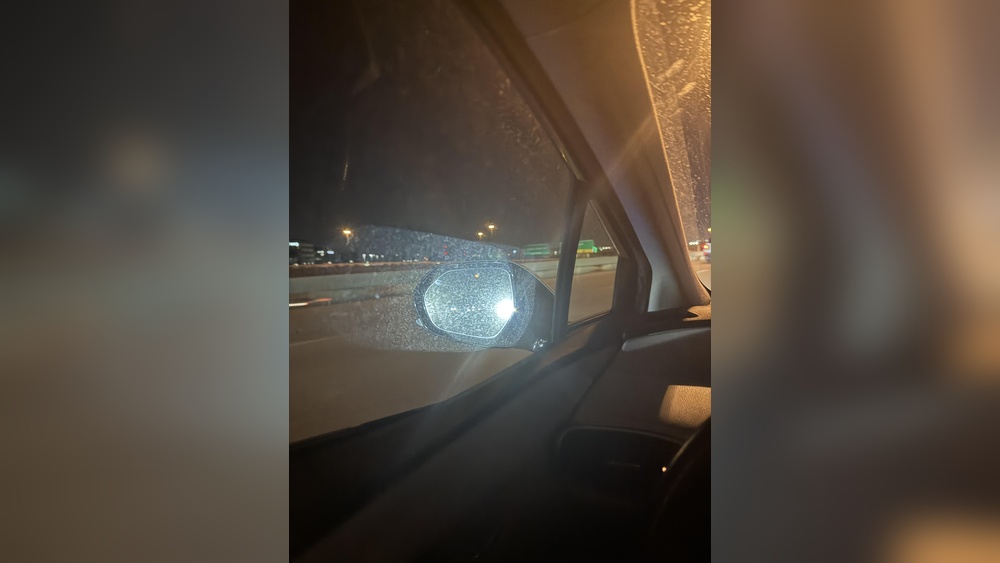
Let’s look at the real reasons behind their powerful glow, and what makes them stand out compared to other cars.
The Technology Behind Jeep Headlights
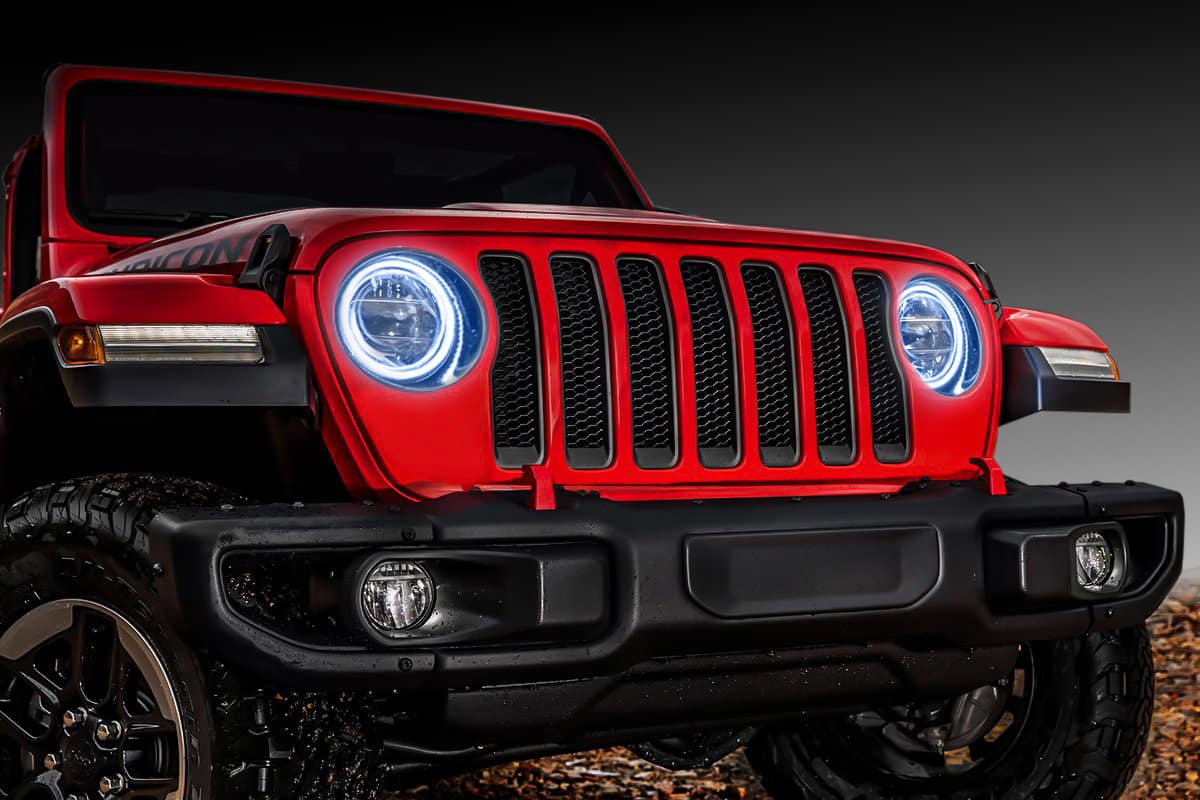
Jeeps use advanced headlight technology that has changed over the years. Older Jeeps had simple halogen bulbs, but newer models use LED and sometimes HID systems. These modern lights give off a stronger, whiter light that helps drivers see better at night, especially on country roads or trails.
How Jeep Headlights Compare To Other Vehicles
To see how Jeep headlights measure up, here’s a comparison with other common car headlight types:
| Type | Brightness (Lumens) | Color Temperature (Kelvin) |
|---|---|---|
| Halogen | 700-1,200 | 3,200-3,500 |
| HID (Xenon) | 2,000-3,500 | 4,000-6,000 |
| LED (Jeep JL/Gladiator) | 3,000-4,000 | 5,000-6,500 |
Newer Jeep models, like the Wrangler JL and Gladiator, often come with LED headlights as standard or optional. These lights are usually much brighter than halogen bulbs found in older cars.
Why Jeep Headlights Appear Extra Bright
There are a few reasons why Jeep headlights seem brighter than others on the road.
- High mounting position: Jeep headlights sit higher than those on many sedans or hatchbacks. This means the light hits other drivers’ eyes more directly, making them appear brighter even if the actual output is similar.
- Wide beam pattern: Jeep headlights are designed for off-road use, so they spread light both far and wide. This helps drivers see obstacles, but can also cause glare for oncoming traffic if not aimed properly.
- Color temperature: LEDs produce a whiter, cooler light (often above 5,000K) compared to the yellowish glow of halogens. Human eyes are more sensitive to this bluish-white light, so it looks more intense.
- Aftermarket upgrades: Many Jeep owners upgrade their lights to even brighter aftermarket LEDs or HIDs. These can be much stronger than factory lights, sometimes exceeding legal limits.
Factory Headlights Vs. Aftermarket Upgrades
Most new Jeeps come with strong factory headlights, but some owners want even more brightness. They often switch to aftermarket LED or HID kits. While these can improve visibility on dark trails, they’re not always legal for street use. Many aftermarket bulbs are not properly aimed, which can cause dangerous glare for other drivers.
Here’s a look at factory and aftermarket options:
| Headlight Source | Typical Brightness (Lumens) | Street Legal? |
|---|---|---|
| Factory Halogen (Older Jeeps) | 1,000 | Yes |
| Factory LED (New Jeeps) | 3,000-4,000 | Yes |
| Aftermarket LED/HID | Up to 10,000 | Sometimes |
A common mistake is installing aftermarket headlights without proper aiming. Even legal bulbs can be dangerous if not aimed correctly, causing problems for other drivers and increasing the risk of accidents.
The Role Of Regulations And Headlight Aiming
The US Department of Transportation (DOT) sets standards for headlight brightness and beam pattern. However, not all aftermarket products meet these rules.
Factory Jeep headlights are tested for both brightness and glare, but upgrades may not be.
Proper headlight aiming is key. Even the best headlights can cause problems if they’re pointed too high.
Most Jeeps have a simple adjustment screw to lower or raise the beam. Checking alignment after any bulb change or suspension lift is important.
Benefits Of Bright Jeep Headlights
There are good reasons why Jeeps have bright headlights, especially for off-road and rural driving:
- Better visibility: Bright lights help drivers see further and spot animals, rocks, or other obstacles on trails and back roads.
- Increased safety: More light means more time to react, reducing the chance of accidents.
- Confidence: Drivers feel safer knowing they can see clearly, even in bad weather.
But it’s important to balance brightness with safety for others on the road. If lights are too strong or not aimed correctly, they can blind oncoming traffic.
Common Myths About Jeep Headlights
Some believe all Jeeps come with illegal or “blinding” headlights. In reality, most new Jeeps meet legal standards. Problems often come from aftermarket lights or poor aiming, not from the factory setup.
Another myth is that brighter is always better. Extremely high-powered lights can actually cause more glare and reduce the driver’s own ability to see in fog or rain.
Insights Most Drivers Miss
Many people don’t realize that color temperature affects how “bright” a light looks. Even at the same lumen level, a cooler (bluer) light will seem brighter to the human eye than a warmer (yellow) one. Jeep’s LEDs often use a cooler color, making them stand out.
Another detail is the reflector or projector design. Some Jeeps use reflector housings, which can scatter light more, while others use projectors for a focused beam. Upgrading bulbs without matching the housing type can lead to poor results and more glare.