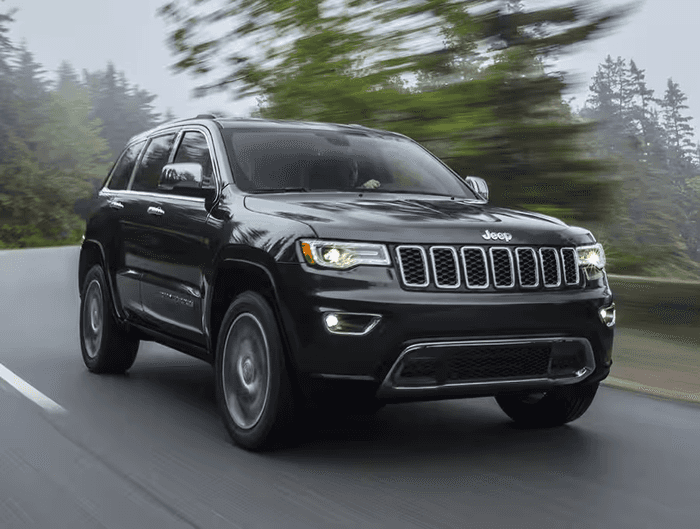
Owning a Jeep Grand Cherokee is a dream for many SUV fans. The Grand Cherokee looks tough, handles well off-road, and offers a stylish ride in the city.
But if you dig a little deeper, you will find many owners talking about reliability problems. Why do these issues keep showing up, and what should you know before buying one?
Let’s break down the real reasons behind the Grand Cherokee’s reputation for being unreliable.

The Complex Engineering Of The Grand Cherokee
The Grand Cherokee is known for mixing luxury with ruggedness. It often comes with advanced features, high-tech systems, and strong engines. However, complex engineering can also mean more things that might go wrong. For example:
- Air suspension systems in some models often fail, leading to expensive repairs.
- Advanced infotainment systems sometimes freeze or stop working.
- Four-wheel-drive systems add extra parts that need regular care.
When a vehicle has more features, it also has more points of failure. This is one reason why the Grand Cherokee often lands lower on reliability rankings.
Comparing Grand Cherokee Vs. Other Suvs
A quick look at reliability scores helps highlight the difference:
| SUV Model | Average Reliability Score (out of 5) |
|---|---|
| Jeep Grand Cherokee | 2.5 |
| Toyota Highlander | 4.0 |
| Honda Pilot | 4.2 |
| Ford Explorer | 3.0 |
Grand Cherokee lags behind popular rivals, mainly because of issues in key areas.
Common Problems In Jeep Grand Cherokees
Certain problems keep showing up in owner reports and mechanic surveys. Here are the most frequent trouble spots:
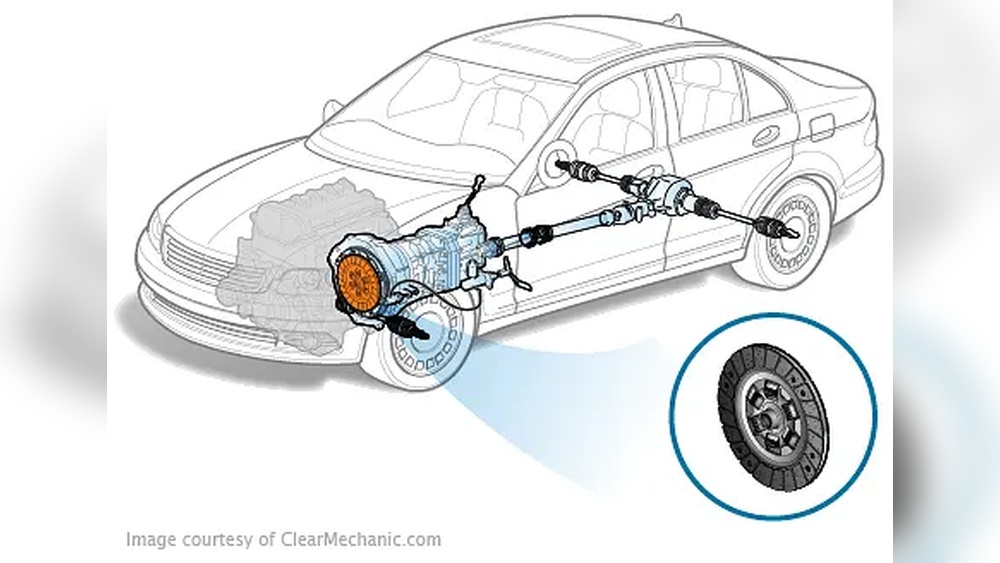
- Transmission failures: Many owners report rough shifting, slipping, or total failure. Repairs can cost thousands.
- Electrical system glitches: Problems include dashboard lights malfunctioning and power windows not working.
- Engine stalling or overheating: Some models, especially from 2011–2014, suffer from sudden engine stops.
- Suspension troubles: Broken air suspension or worn-out control arms are expensive to fix.
- Infotainment freezes: The Uconnect system sometimes crashes and needs rebooting.
These recurring issues add up and make maintenance more costly and stressful.
Estimated Repair Costs For Key Issues
| Problem Area | Average Repair Cost |
|---|---|
| Transmission Replacement | $3,000–$4,500 |
| Air Suspension Fix | $1,200–$2,500 |
| Engine Repair | $2,000–$4,000 |
| Infotainment Repair | $500–$1,500 |
These costs are higher than average for midsize SUVs.
Recalls And Manufacturer Responses
Jeep Grand Cherokees have faced many recalls over the years. For example, a large recall was issued for faulty ignition switches that could cause the engine to shut off while driving. Airbag and brake system recalls have also made headlines. While recalls show that the company is addressing safety, they also highlight recurring quality control problems.
A surprising point many buyers miss: Some repairs are not covered by the recall, especially if the car is out of warranty. This leads to more out-of-pocket expenses.
Why Do These Issues Happen?
Understanding the root causes can help you make a better decision:
- Supplier quality issues: Jeep’s parent company, Stellantis (previously FCA), often sources parts from several suppliers. Sometimes, this leads to inconsistent part quality.
- Rapid model updates: Jeep often introduces new tech and features quickly to stay competitive. But fast rollouts can mean less time for testing, leading to software bugs and hardware failures.
- Heavy use expectations: Many owners use their Grand Cherokee for towing, off-roading, and long trips. This heavy use can stress parts more than in other SUVs.
How Maintenance Affects Reliability
One key insight: Regular maintenance is more important for a Grand Cherokee than for some other SUVs. Skipping oil changes, neglecting the transmission, or ignoring warning lights can lead to bigger problems. Some owners who stick to the service schedule report fewer issues.
But, even with perfect care, some design flaws or weak parts can still cause trouble. That’s why reliability ratings remain lower.
Owner Satisfaction Vs. Reliability
Interestingly, many Grand Cherokee owners still love their vehicle, despite its flaws. They enjoy the powerful V6 or V8 engines, off-road ability, and comfort. This creates a gap between owner satisfaction and measured reliability.
| Aspect | Owner Rating (out of 5) |
|---|---|
| Performance | 4.5 |
| Comfort | 4.3 |
| Reliability | 2.6 |
| Value for Money | 3.0 |
This shows that while reliability is a weak point, the overall driving experience is still a strong selling point.
What Can Buyers Do?
If you’re considering a Grand Cherokee, here are some tips to avoid big headaches:
- Choose a model year with fewer reported issues (2017 and newer are usually better).
- Get a full mechanical inspection before buying used.
- Budget for higher maintenance and possible repairs.
- Consider an extended warranty for peace of mind.
- Join owner forums to stay updated on common fixes and recalls.
A smart buyer can enjoy the Grand Cherokee’s strengths while managing its weaknesses.
Frequently Asked Questions
Why Do Jeep Grand Cherokees Have So Many Transmission Problems?
Many Grand Cherokees use complex automatic transmissions designed for smooth driving and towing power. However, these systems are sensitive to poor maintenance and may have weak components, especially in models from 2011 2014.
Are Newer Grand Cherokees More Reliable?
Recent models (2017 and after) have seen improvements, but some issues remain. Advanced tech and new engines offer better performance but still add repair risks.
Always check owner reviews for the exact year you’re considering.
Is The Grand Cherokee Expensive To Maintain Compared To Other Suvs?
Yes, average maintenance costs are higher, especially for repairs to the transmission, air suspension, or electrical systems. According to Consumer Reports, yearly costs can be $200–$400 more than similar SUVs.
Do All Jeep Grand Cherokees Have The Same Reliability Issues?
Not all models are equal. Some years and trims are more reliable.
For example, trims with fewer luxury or air suspension features have fewer problems. Always research the specific model year.
What Is The Main Reason For The Grand Cherokee’s Reliability Issues?
The main reasons include complex engineering, rapid introduction of new tech, and inconsistent parts quality. These factors create more opportunities for things to go wrong, especially if maintenance is skipped.
The Jeep Grand Cherokee remains a popular SUV because of its style and abilities, but buyers should be aware of its reliability challenges. With careful research and smart ownership, it’s possible to enjoy the ride while reducing unwanted surprises.