Jeep is one of the most recognizable car brands in the world. Its history stretches back to World War II, when the first Jeeps were used by the military. Today, many people drive Jeep vehicles for their ruggedness and style. But a common question remains: Who owns Jeep? The story is not as simple as you might think. Ownership has changed over time, and Jeep’s parent company is part of a large group. Let’s explore who really controls Jeep, how that affects the brand, and why it matters to buyers and fans.
Jeep’s Ownership History
Jeep started as a product for the US Army in the early 1940s. The original builder was Willys-Overland, but other companies like Ford also made Jeeps for military use. After the war, Willys-Overland continued making civilian Jeeps.
Over the decades, Jeep changed hands several times:

- In 1953, Willys-Overland became part of Kaiser Motors.
- In 1970, Jeep was sold to American Motors Corporation (AMC).
- In 1987, Chrysler bought AMC, so Jeep became a Chrysler brand.
- In 1998, Chrysler merged with Daimler-Benz (forming DaimlerChrysler), but this partnership ended in 2007.
- After several ownership changes, Chrysler became part of Fiat Chrysler Automobiles (FCA) in 2014.
This ownership history shows Jeep has always been a valuable brand. Each parent company invested in Jeep’s growth, helping it stay popular.
Jeep Today: Part Of Stellantis
Jeep is now owned by Stellantis, a massive international group. Stellantis was formed in 2021 by merging Fiat Chrysler Automobiles (FCA) and Peugeot S.A. (PSA Group). Stellantis owns more than a dozen major car brands, including Jeep, Ram, Chrysler, Dodge, Fiat, Peugeot, Opel, and Alfa Romeo.
Here is a comparison of Stellantis and other major global automakers:
| Company | Number of Brands | Annual Sales (2023) |
|---|---|---|
| Stellantis | 14 | ~6.1 million vehicles |
| Volkswagen Group | 12 | ~9.2 million vehicles |
| Toyota | 5 | ~10.5 million vehicles |
| General Motors | 4 | ~6.2 million vehicles |
Stellantis is headquartered in the Netherlands and operates worldwide. Jeep’s main offices and factories remain in the US, but the brand benefits from Stellantis’ global resources.

Why Ownership Matters For Jeep Fans
Knowing Jeep belongs to Stellantis helps explain some changes in recent models. Stellantis brings advanced technology, new safety features, and global design ideas.
For example, Jeep’s newer vehicles offer hybrid options and improved connectivity.
Here are some ways Stellantis’ ownership affects Jeep:
- Global reach: Jeep is now sold in over 100 countries.
- Better technology: Stellantis shares electric and hybrid tech across brands.
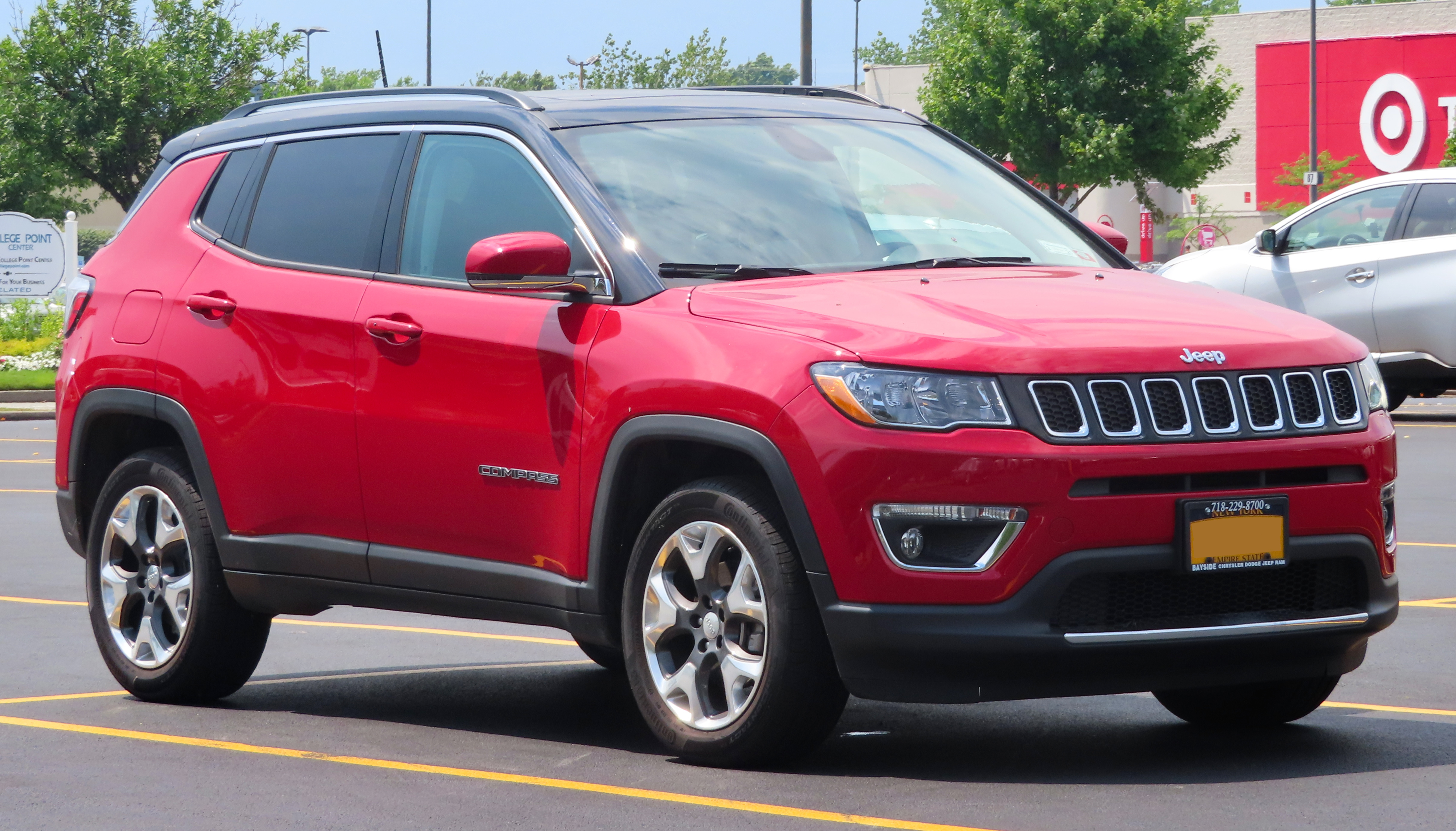
- More options: Jeep models like the Jeep Compass and Jeep Renegade are now built in Europe, Latin America, and Asia.
- Improved quality: Larger companies can invest more in research and safety.
But there are also challenges:
- Design changes: Some fans feel new Jeeps are less “classic.”
- Part sourcing: With global factories, parts may come from different countries.
Jeep’s Place In Stellantis
Jeep is one of Stellantis’ strongest brands. Its sales are high, especially in the US. In 2023, Jeep sold about 870,000 vehicles in North America. Globally, Jeep sells over 1.2 million vehicles a year.
Let’s compare Jeep’s sales to other Stellantis brands:
| Brand | Global Sales (2023) |
|---|---|
| Jeep | 1.2 million |
| Peugeot | 1.1 million |
| Fiat | 1.0 million |
| Ram | 0.7 million |
Jeep’s strong sales show its importance. Stellantis invests heavily in Jeep’s development, making sure the brand stays competitive.
Non-obvious Insights About Jeep Ownership
Many people think Jeep is still a purely American brand. While its roots are American, Stellantis is a European-based company. This mix brings benefits and some surprises.
- Jeep models are now built in many countries, not just the USA. For example, the Jeep Renegade is produced in Italy and Brazil.
- Stellantis’ ownership opens Jeep to new markets. Before Stellantis, Jeep had limited presence in Asia and Africa. Now, new models are designed for these regions.
Another insight: Jeep’s parent company, Stellantis, is not only focused on cars. Stellantis invests in mobility solutions like car sharing and electric vehicles. This means Jeep could offer more electric and digital services soon.
Common Misunderstandings About Jeep
Some buyers believe Jeep is owned by Chrysler or Fiat. While Jeep was part of those groups in the past, Stellantis now controls all decisions. This affects everything from design to production.
Another misconception: Jeep is a standalone company. In reality, Jeep is a brand, not an independent company. Decisions are made at the Stellantis level, which affects every Jeep vehicle.
How Ownership Impacts Buyers
When you buy a Jeep, you are getting a product influenced by a global company. Here are some points to consider:
- Warranty and support: Stellantis offers strong warranties and service networks worldwide.
- Parts availability: With global production, parts can be easier to find.
- Resale value: Jeep’s reputation and Stellantis’ backing help keep resale values high.
However, buyers should check where their Jeep is made. Some models are built in different countries, and this can affect features and quality.
Frequently Asked Questions
Who Owns Jeep Right Now?
Jeep is owned by Stellantis, a multinational automotive group formed in 2021.
Is Jeep Still An American Brand?
Jeep’s roots are American, but its parent company, Stellantis, is based in Europe. Jeep vehicles are made in several countries.
Does Chrysler Still Control Jeep?
No, Chrysler does not control Jeep anymore. Chrysler is also a brand under Stellantis.
Are Jeeps Made Outside The Usa?
Yes, some Jeep models are produced in countries like Italy, Brazil, and China, depending on the model and market.
Where Can I Find Official Information About Jeep’s Ownership?
You can visit Stellantis’ official site or read about Jeep’s history on Wikipedia for verified details.
Jeep’s journey from a wartime utility vehicle to a global brand is unique. Today, Stellantis owns Jeep, bringing global expertise and resources. Understanding this helps buyers make informed choices and appreciate Jeep’s future direction. Whether you’re a fan or a new buyer, knowing who owns Jeep gives you a clearer view of what to expect from this iconic brand.