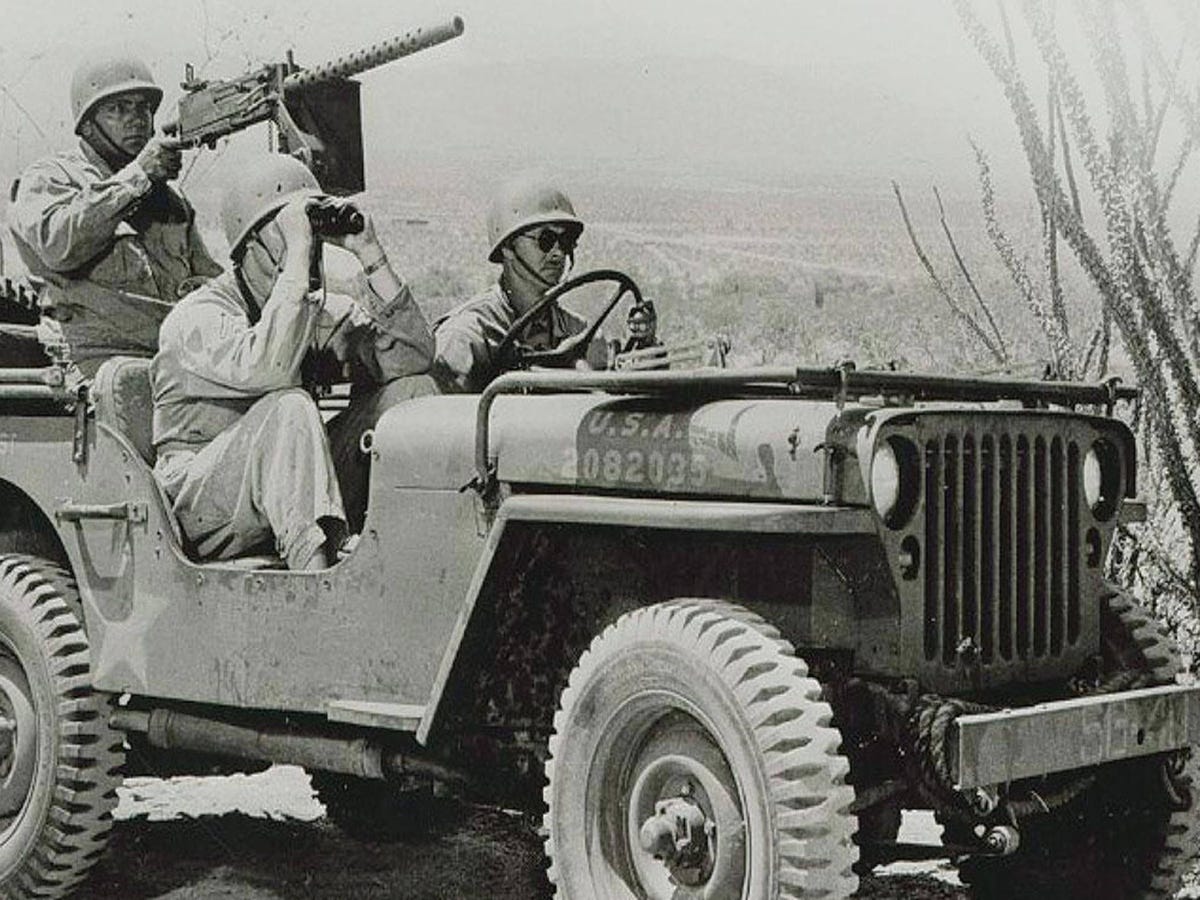
The Jeep is one of the most recognizable vehicles in the world. Its rugged look and strong performance have made it a symbol of adventure and freedom.
But few people know who actually designed the Jeep or how it came to life.
The story behind the Jeep’s creation is both fascinating and complex, involving several inventors, companies, and even government officials. Let’s explore how the Jeep was designed, who the key players were, and why its history matters even today.
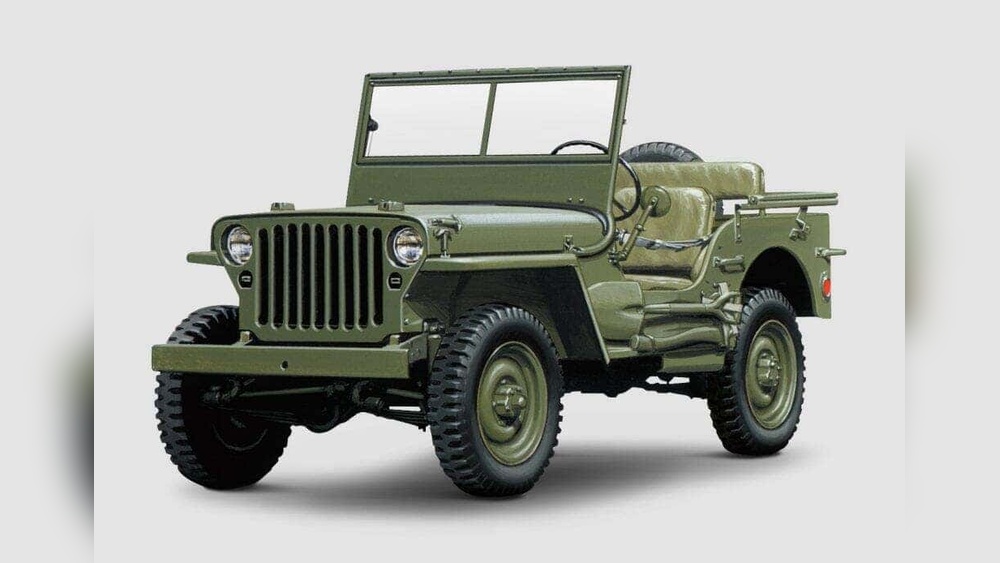
The Origin Of The Jeep
In 1940, the United States Army needed a new military vehicle. They wanted something that was lightweight, durable, and could handle tough terrain. The Army sent out a request to many car companies. They asked for a prototype in just 49 days—a very short time.
Three companies responded: American Bantam, Willys-Overland, and Ford. Each created their own version, but the first working prototype came from American Bantam. The Bantam design became the blueprint for the Jeep.
Bantam’s Crucial Role
American Bantam was a small company. Their engineer, Karl Probst, played a huge role. He designed the first Jeep prototype, called the Bantam Reconnaissance Car, in just under two months. Probst’s design was simple, strong, and practical—exactly what the Army wanted.
But Bantam did not have the capacity to make thousands of vehicles. So, the Army gave Bantam’s blueprints to Willys-Overland and Ford, asking them to improve the design and mass-produce the Jeep.
Willys-overland And Ford: Shaping The Final Jeep
Willys-Overland made the most changes to Bantam’s original design. Their engineer, Delmar “Barney” Roos, improved the engine, making it more powerful. The Willys engine, called the “Go-Devil,” became famous for its reliability and strength.
Ford also made contributions. They added some design touches, such as the iconic grille with vertical slots. This grille became a Jeep trademark, still used today.
Here’s a comparison of the main features from the three prototypes:
| Company | Engine Power | Design Features | Production Capacity |
|---|---|---|---|
| American Bantam | 45 hp | Simple, lightweight | Low |
| Willys-Overland | 60 hp | Strong engine, robust build | High |
| Ford | 54 hp | Distinctive grille, improved body | High |
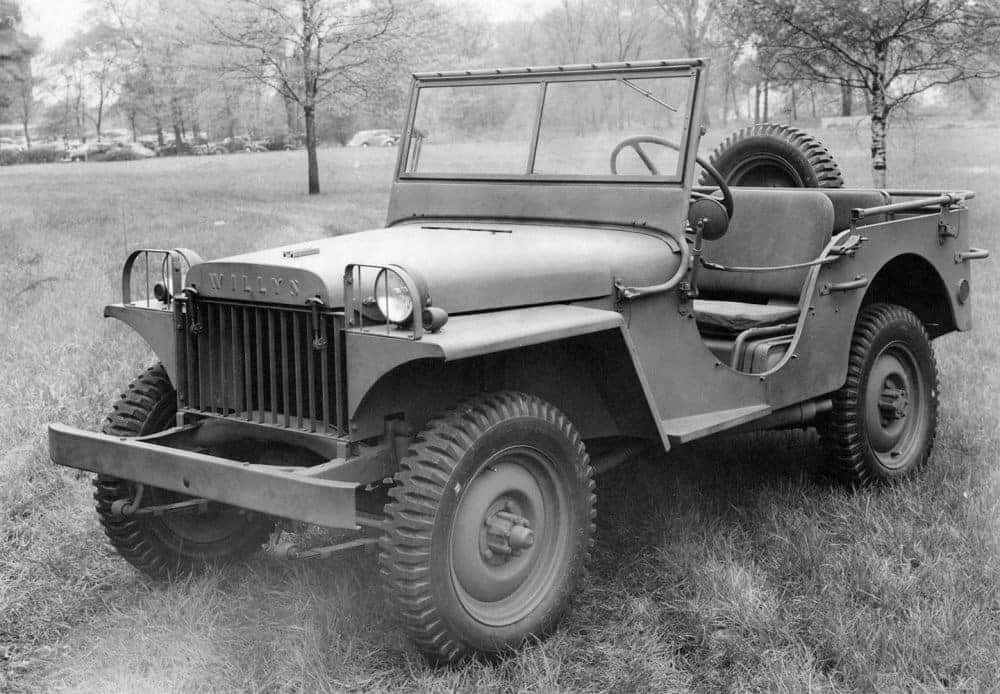
Who Gets Credit For Designing The Jeep?
This is where things get interesting. The Jeep was not made by a single person or company. Karl Probst at Bantam created the first working design. Delmar Roos at Willys improved the vehicle’s engine and structure. Ford added signature styling.
Most historians agree that Bantam and Probst started it all. But Willys-Overland and Ford made the Jeep what it is today.
The Army’s decision to share Bantam’s plans with other companies led to a joint creation.
Key Contributors
- Karl Probst (Bantam): Designed the original prototype.
- Delmar “Barney” Roos (Willys): Improved the engine and build.
- Ford Engineers: Added unique styling, especially the grille.
This mix of talents and companies is rare in car history. Usually, one brand or designer is in charge.
With the Jeep, teamwork and competition drove innovation.
Jeep’s Impact On History
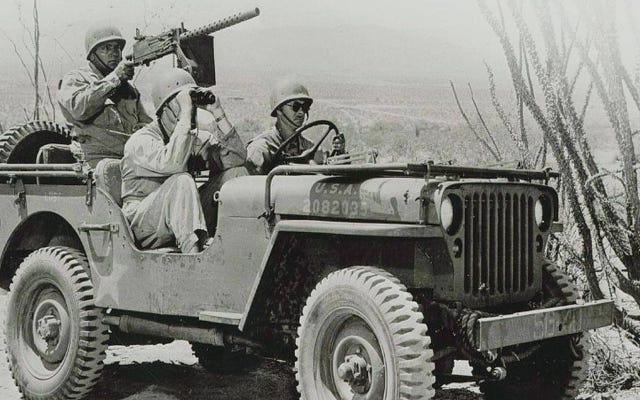
The Jeep was a game-changer in World War II. Over 640,000 Jeeps were produced during the war. They helped soldiers travel quickly over rough land, carry supplies, and even rescue wounded troops.
After the war, the Jeep became popular with civilians. Its tough build and simple design made it perfect for farms, construction, and outdoor adventures.
Here’s a look at Jeep’s production numbers during WWII:
| Company | Units Produced (1941-1945) |
|---|---|
| Willys-Overland | Over 360,000 |
| Ford | Over 280,000 |
| Bantam | About 2,700 |
Notice how Bantam, the original designer, made far fewer Jeeps than Willys and Ford. This shows how important production capacity was in the Jeep’s history.
The Jeep Legacy Today
The Jeep brand has changed hands many times. It is now owned by Stellantis (formerly FCA). But the core design—simple, strong, and ready for adventure—remains the same.
Modern Jeeps still use ideas from the original: four-wheel drive, high ground clearance, and a boxy look. Jeep has become a global icon, with millions of fans and owners.
Many people think the Jeep was invented by one company. But the truth is more complex.
The Jeep’s design is the result of teamwork, competition, and quick thinking under pressure.
Non-obvious Insights
Most beginners miss two important facts:
- The US Army’s role was crucial. They did not just choose a winner—they forced companies to share designs and work together. This was rare and sped up innovation.
- The Jeep’s name is still debated. Some say it comes from “GP” (General Purpose), others say it was inspired by a cartoon character called “Eugene the Jeep.” There is no single answer.