Buying a Jeep is more than just picking a vehicle—it’s about matching your adventure style, comfort needs, and budget. With so many models available, choosing the best Jeep can feel overwhelming.
Each Jeep has its own personality, strengths, and quirks. Whether you want a trail conqueror, a family SUV, or a daily driver with off-road spirit, there’s a model that fits your life.
This guide breaks down the top options and helps you decide which Jeep is truly the best to buy.

What Makes A Jeep Stand Out?
Jeep vehicles are famous for their rugged build, off-road capability, and iconic design. From the classic seven-slot grille to removable tops and doors, Jeeps are built for fun and freedom. But not all models are the same. Some focus on adventure, while others are more about comfort or city driving.
Two key things set Jeeps apart:
- 4×4 systems: Most Jeeps offer advanced four-wheel drive for tricky roads and weather.
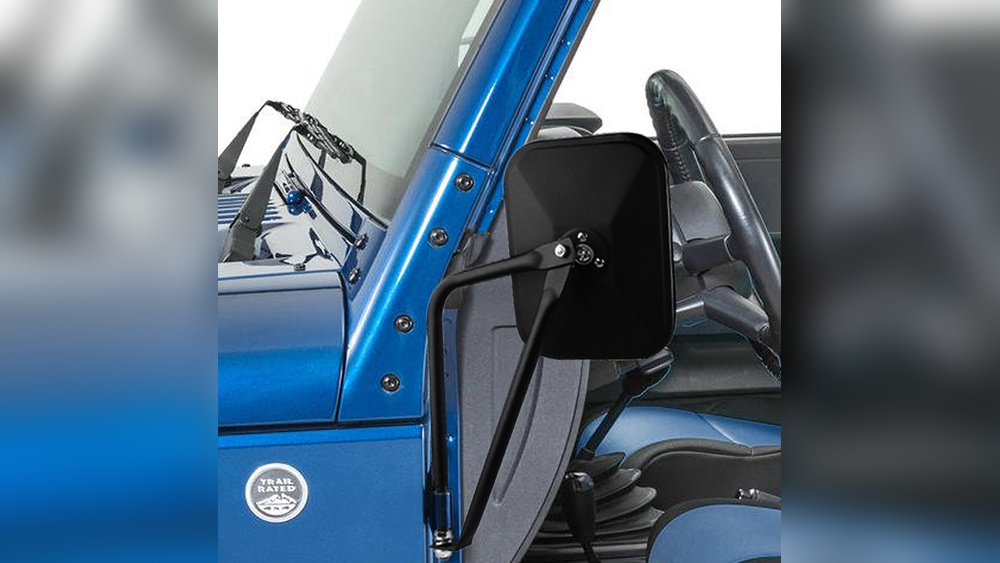
- Aftermarket support: You can easily find parts and upgrades to make your Jeep unique.
But before you buy, consider how you’ll use your Jeep most—daily driving, road trips, or serious off-roading.
Top Jeep Models Compared
To help you choose, here’s a look at Jeep’s most popular models, how they compare, and who they suit best.
| Model | Best For | Starting Price (2026) | MPG (city/hwy) |
|---|---|---|---|
| Wrangler | Off-roading | $31,995 | 17/25 |
| Grand Cherokee | Family, Luxury | $39,535 | 19/26 |
| Compass | City Driving | $28,400 | 22/31 |
| Gladiator | Pickup Utility | $39,790 | 16/23 |
| Renegade | Urban, Compact | $28,345 | 23/29 |
Jeep Wrangler
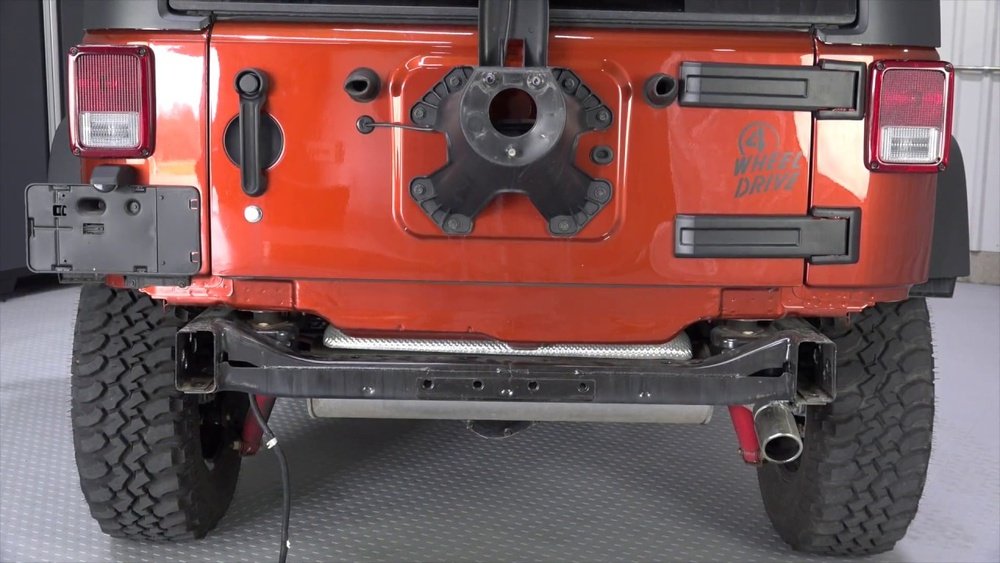
The Wrangler is the most iconic Jeep. It’s built for real off-road adventures with solid axles, high ground clearance, and short overhangs. You can remove the roof and doors, making it perfect for open-air fun. The downside? It’s not the quietest or smoothest on highways.
Who should buy: Outdoor lovers, weekend warriors, and anyone who loves customization.
Pro tip: The base Sport trim is affordable but consider the Rubicon if you want best-in-class off-road features.
Jeep Grand Cherokee
If you want luxury and space, the Grand Cherokee is Jeep’s flagship. It handles daily driving comfortably, offers advanced tech, and can still tackle light trails.
Who should buy: Families, road-trippers, or anyone wanting a mix of comfort and capability.
Hidden insight: The Grand Cherokee L adds a third row, seating up to seven—something many buyers miss.
Jeep Compass
The Compass is a practical compact SUV. It’s easy to park, good on gas, and handles light trails.
Who should buy: City drivers who want Jeep style without Wrangler’s roughness.
Mistake to avoid: Don’t expect the Compass to handle the hardest trails. It’s better for snow and dirt roads.
Jeep Gladiator
The Gladiator is Jeep’s pickup truck. It mixes Wrangler toughness with a functional truck bed, making it unique in the market.
Who should buy: Adventurers who haul gear, bikes, or need a mix of truck and trail capabilities.
Bonus tip: The Gladiator can tow up to 7,700 lbs—best among midsize trucks.
Jeep Renegade
The Renegade is Jeep’s smallest SUV. It’s easy to drive, fits tight parking, and still has some off-road spirit.
Who should buy: Urban drivers who want a Jeep feel in a compact package.
Overlooked feature: The Trailhawk trim gives Renegade better ground clearance and skid plates.

How To Choose The Best Jeep For You
No single Jeep is perfect for everyone. Here’s how to pick the right one for your needs.
- Set your priorities: Decide if off-road ability, comfort, or price is most important.
- Consider your terrain: Living in snowy places? Need to tow or haul? Choose accordingly.
- Test drive: Each Jeep feels different. Try a Wrangler and a Grand Cherokee back-to-back.
- Think about long-term costs: Jeeps can hold value well but may cost more to maintain than some rivals.
Here’s a quick reference for key features:
| Model | Seats | Max Towing (lbs) | Drivetrain |
|---|---|---|---|
| Wrangler | 4–5 | 3,500 | 4×4 |
| Grand Cherokee | 5–7 | 7,200 | 4×2/4×4 |
| Compass | 5 | 2,000 | FWD/4×4 |
| Gladiator | 5 | 7,700 | 4×4 |
| Renegade | 5 | 2,000 | FWD/4×4 |
Pros And Cons: What To Know Before You Buy
Every Jeep has its ups and downs. Here’s a quick overview:
Pros:
- Off-road ability: Most models can handle more than rivals.
- Style: Classic look and strong brand image.
- Resale value: Jeeps often keep value better than average SUVs.
Cons:
- Ride quality: Some, like the Wrangler, can be bumpy on roads.
- Fuel economy: Not as efficient as smaller crossovers.
- Price: Options and trims add up quickly.
Insight: Many buyers forget to check insurance costs, which can be higher for some Jeep models due to theft rates and repair costs.

Which Jeep Is Best For You?
- For pure off-road fun: Get the Wrangler Rubicon.
- For families: The Grand Cherokee or Grand Cherokee L.
- For city life: The Compass or Renegade.
- For truck utility: The Gladiator.
If you want a mix of everything, the Grand Cherokee balances comfort, space, and Jeep DNA. But if your heart is set on real adventure, nothing beats the Wrangler.
For up-to-date specs and reviews, check the official Jeep website.
Frequently Asked Questions
Which Jeep Holds Its Value Best?
The Jeep Wrangler is known for high resale value. It often ranks in the top 10 for used vehicle demand.
Are Jeeps Reliable?
Jeeps are generally solid, but reliability varies by model and year. The Wrangler and Grand Cherokee score average, while the Compass and Renegade are a bit lower in some surveys.
What Jeep Is Best For Snow And Winter?
Most Jeeps with 4×4 handle snow well. The Grand Cherokee and Wrangler are top picks for winter driving.
Which Jeep Is The Cheapest To Maintain?
The Jeep Compass and Renegade have lower parts and service costs compared to larger models.
Can You Daily Drive A Jeep Wrangler?
Yes, but expect a firmer ride and more wind noise than a regular SUV. Many owners enjoy the trade-off for the fun and style.
No matter your choice, owning a Jeep is about embracing adventure. Take your time, test drive a few, and find the Jeep that fits you best.