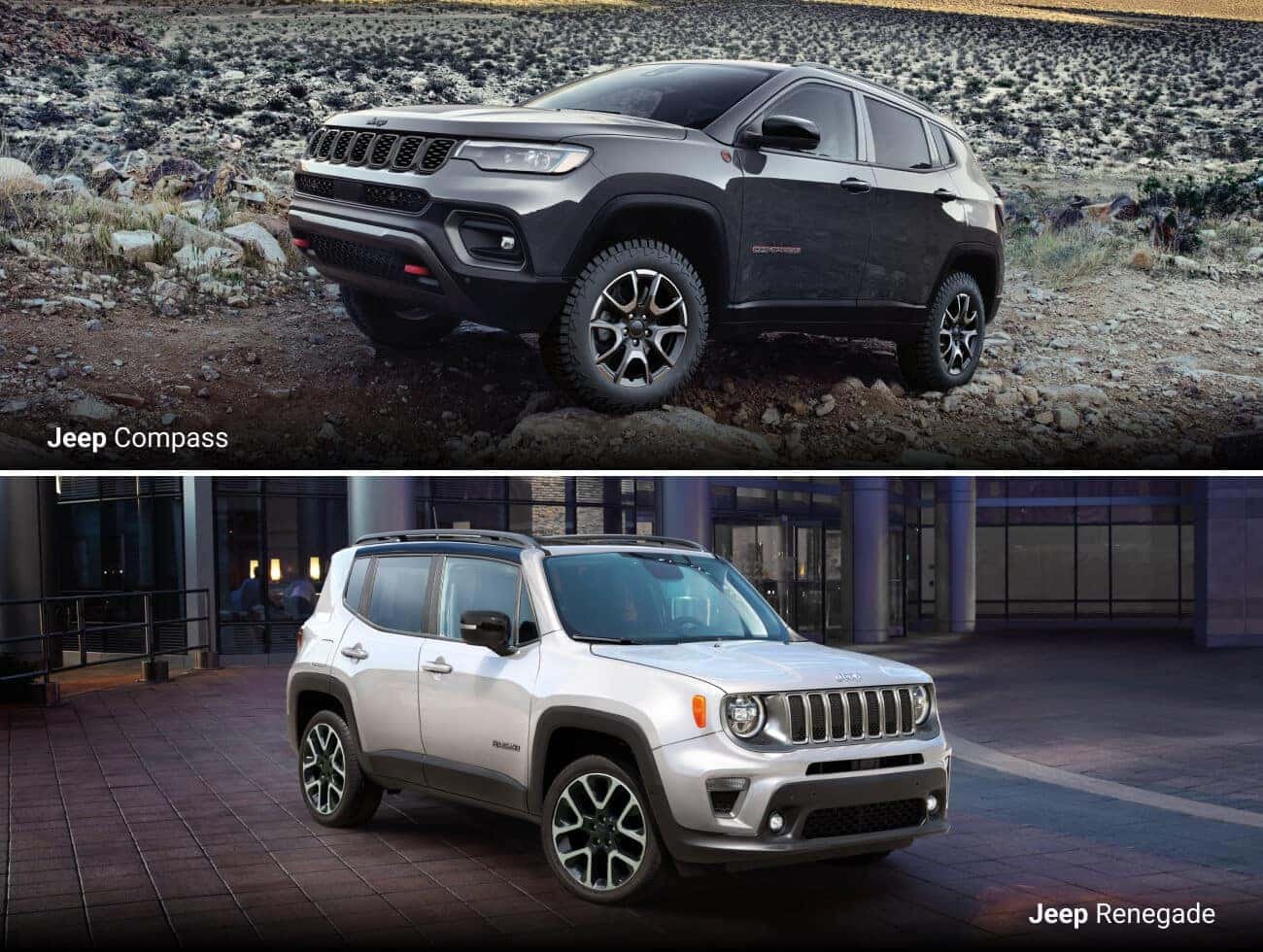
Many people love Jeep SUVs for their rugged looks and adventure-ready style. But when choosing between the Jeep Renegade and the Jeep Compass, size often matters. Maybe you want a vehicle that fits in tight city parking spots, or maybe you need extra space for family road trips. Understanding which model is bigger can help you make the right decision. Let’s explore their dimensions, passenger and cargo space, and how their size affects real-life use.
Exterior Dimensions Compared
The easiest way to see which Jeep is bigger is to look at the physical measurements. Both the Renegade and Compass are compact SUVs, but they are built for slightly different needs.
| Model | Length (inches) | Width (inches) | Height (inches) | Wheelbase (inches) |
|---|---|---|---|---|
| Jeep Renegade | 166.6 | 74.2 | 66.5 | 101.2 |
| Jeep Compass | 173.4 | 73.8 | 64.8 | 103.8 |
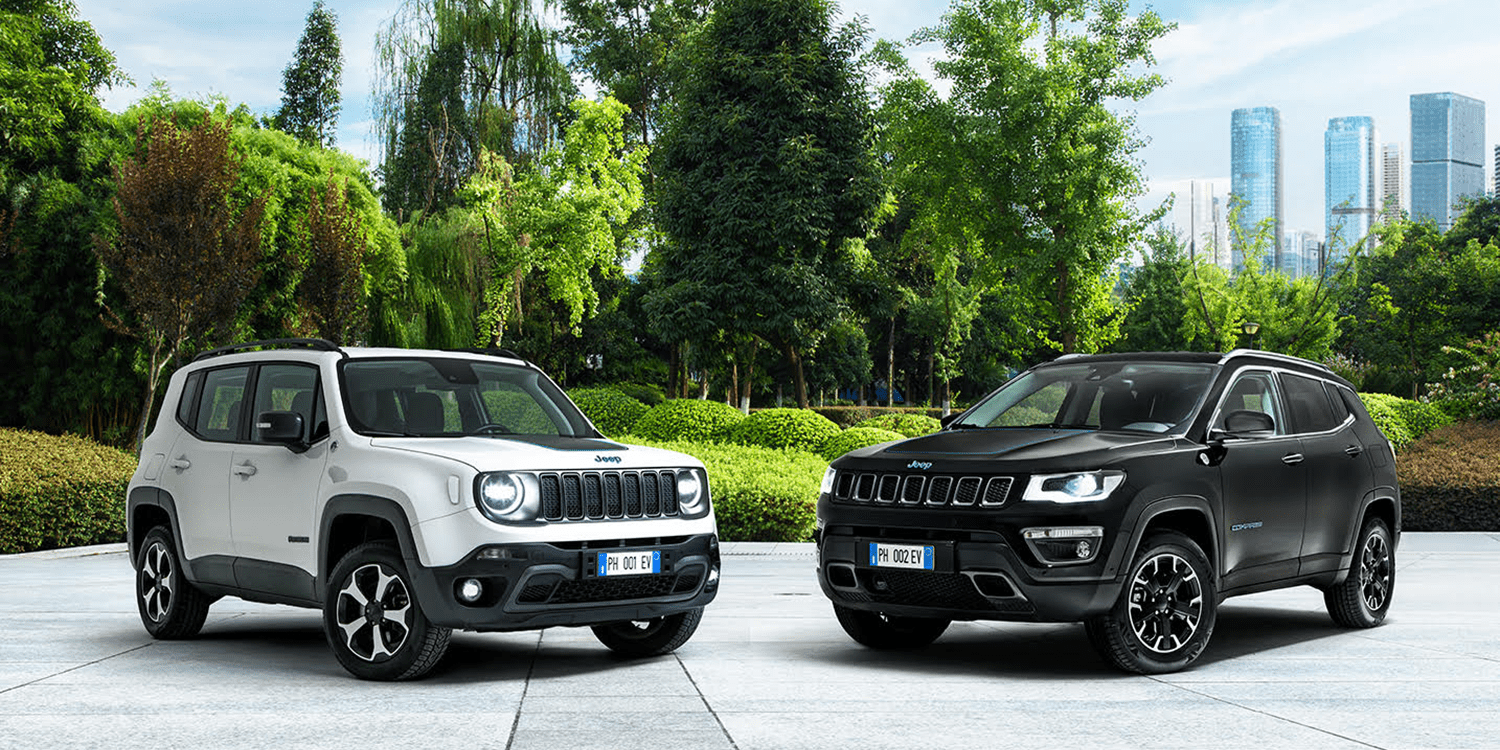
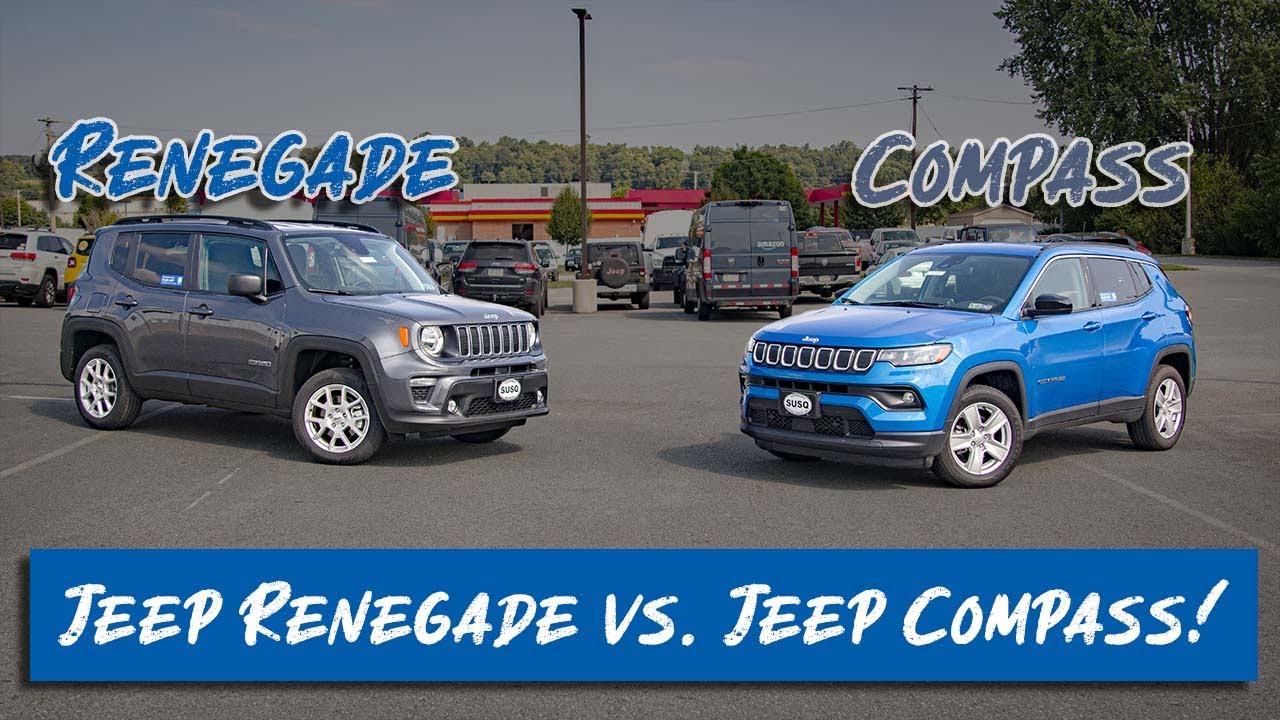
The Jeep Compass is longer than the Renegade by almost 7 inches. It also has a slightly longer wheelbase, which often means a smoother ride and more interior space. While the Renegade is a bit taller, the Compass is overall bigger in length and wheelbase.

Interior Space And Comfort
How much room you get inside is just as important as the outside size. Let’s see how the Renegade and Compass compare in passenger comfort and cargo volume.
| Model | Passenger Capacity | Passenger Volume (cu ft) | Cargo Volume (cu ft) |
|---|---|---|---|
| Jeep Renegade | 5 | 100 | 18.5 (behind seats) / 50.8 (max) |
| Jeep Compass | 5 | 99.6 | 27.2 (behind seats) / 59.8 (max) |
Both models seat five passengers, but the Compass offers more cargo space, especially with the back seats down. For example, the Compass has about 9 cubic feet more cargo room behind the rear seats than the Renegade. This extra space can make a big difference for families or anyone needing to carry sports gear, luggage, or groceries.
Real-world Use: Parking, Driving, And Storage
A vehicle’s size affects more than numbers on paper. Here are some practical points:
- City Parking: The Renegade’s shorter length makes it easier to park in tight city spots. If you live in an urban area, this can be a big plus.
- Road Trips: The Compass, with more cargo space, is better for longer drives or vacations. You can fit more bags and equipment.
- Passenger Comfort: While both are compact, taller passengers may find rear legroom a bit tight in both models. However, the Compass’ longer wheelbase gives slightly more stretch room.
- Garage Fit: If you have a small garage, measure carefully. The Renegade’s shorter body is easier to fit in narrow spaces.
Many drivers overlook the importance of wheelbase. A longer wheelbase in the Compass means the vehicle feels more stable, especially at highway speeds.
This is a subtle benefit that many beginners miss.
Styling And Visibility
The Renegade has a boxy, upright shape which gives it a youthful look and makes it feel spacious. The Compass has a sleeker design, appearing more like a traditional SUV.
This affects how much you can see out the windows and how easy it is to judge the edges when parking.
Some people prefer the Renegade’s tall windows for better visibility, while others like the Compass’ modern styling. It’s a small detail, but it can affect daily driving confidence.
Which Model Fits Your Needs?
Choosing between these models depends on your priorities:
- If you want a vehicle that’s easy to maneuver and park, the Jeep Renegade is a smart choice.
- If you need more cargo space and a slightly larger ride, the Jeep Compass is the winner.
Remember, both are compact SUVs, so neither is as big as the Jeep Grand Cherokee or larger models. But the Compass is the bigger option in most ways.
Here’s a quick summary:
| Feature | Renegade | Compass |
|---|---|---|
| Overall Length | Shorter | Longer |
| Cargo Space | Less | More |
| Parking Ease | Better | Good |
| Ride Comfort | Good | Better |
- Turning Radius: The Renegade has a slightly tighter turning circle, making U-turns and parking easier. This is helpful for new drivers or those in busy cities.
- Rear Door Access: The Compass’ cargo area is longer and flatter, which makes loading heavy items simpler. If you often carry big boxes, this matters more than you think.
Final Thoughts
Both the Jeep Renegade and Jeep Compass are popular for a reason. The Compass is bigger overall, offering more room and a more stable ride. The Renegade is easier to handle in tight spaces and offers unique styling. Think about your daily needs, parking situation, and what you usually carry. Compare these models in person if possible.
If you want to see full technical specs, check the official Jeep website for details: Jeep Compass Official.
Frequently Asked Questions
Is The Jeep Compass Much Bigger Than The Renegade?
No, but the Compass is noticeably longer and has more cargo space. The size difference is enough to feel when packing for trips or fitting in the garage.
Which Jeep Is Easier To Park In The City?
The Jeep Renegade is easier to park because it’s shorter and has a tighter turning radius. This helps in crowded city areas.
Is Passenger Comfort Better In The Compass?
Yes, the Jeep Compass offers a bit more legroom and a smoother ride due to its longer wheelbase. Both fit five adults, but taller people may feel more comfortable in the Compass.
Do Both Jeeps Have Similar Fuel Economy?
Both models have similar fuel economy, but it can change depending on engine choice. Usually, you’ll see about 22–32 miles per gallon for both, depending on driving style.
Which Model Is Better For Families?
The Jeep Compass is better for families needing more cargo space and a slightly bigger interior. The Renegade is fine for smaller families or those who value easy parking.