When shopping for a new car, deciding between Hyundai and Jeep can be tough. Both brands are popular, but they offer very different things. Hyundai is known for value, modern tech, and reliability. Jeep, on the other hand, stands for ruggedness, off-road ability, and classic style. Which is better? The answer depends on your needs, budget, and what you expect from your vehicle. This guide breaks down the key differences so you can make a smart choice.
Brand Overview
Hyundai is a South Korean brand that has grown quickly in the last two decades. The company focuses on affordable pricing, strong warranties, and user-friendly features. Hyundai models like the Elantra, Tucson, and Santa Fe are bestsellers worldwide.
Jeep is an American icon, famous for the Wrangler and Grand Cherokee. The brand is deeply connected to off-roading and adventure. Jeep vehicles are known for their four-wheel-drive systems and bold designs, but they are usually more expensive than Hyundais.
Design And Comfort
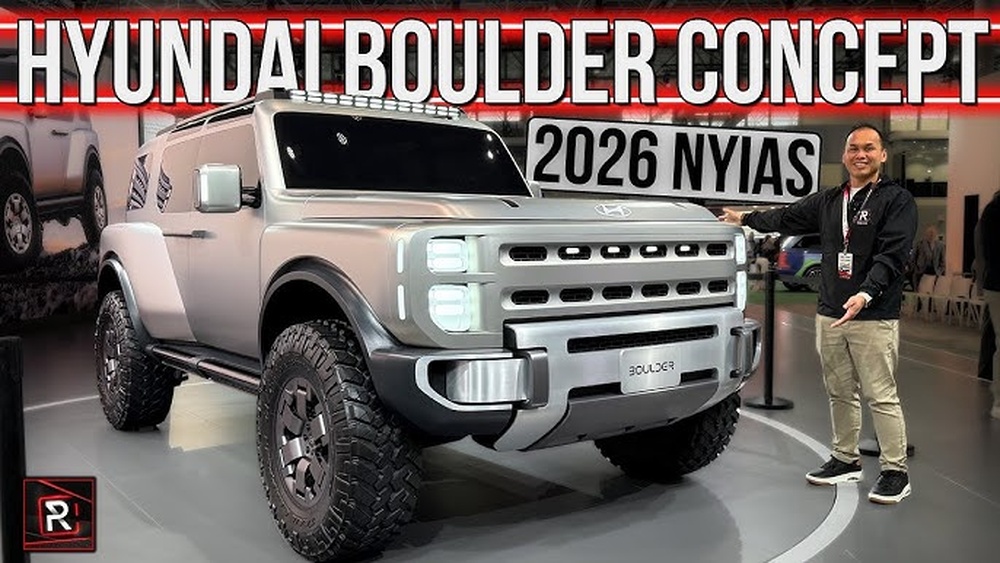
Hyundai vehicles use smooth, modern lines and focus on comfort. Most models come with soft-touch materials, easy-to-use controls, and quiet cabins. The seats are supportive, making them good for long drives.
Jeep’s design is rugged and boxy. The inside is simple but durable, built to survive mud, sand, and water.
Some Jeeps, like the Grand Cherokee, offer luxury trims with leather seats and high-end sound systems. However, entry-level models may not feel as refined as Hyundai’s.
Here is a quick look at the comfort features:
| Feature | Hyundai | Jeep |
|---|---|---|
| Seat Comfort | Soft, supportive | Firm, durable |
| Interior Materials | Modern, soft-touch | Rugged, basic |
| Noise Level | Quiet | Louder (except higher trims) |
Performance And Capability
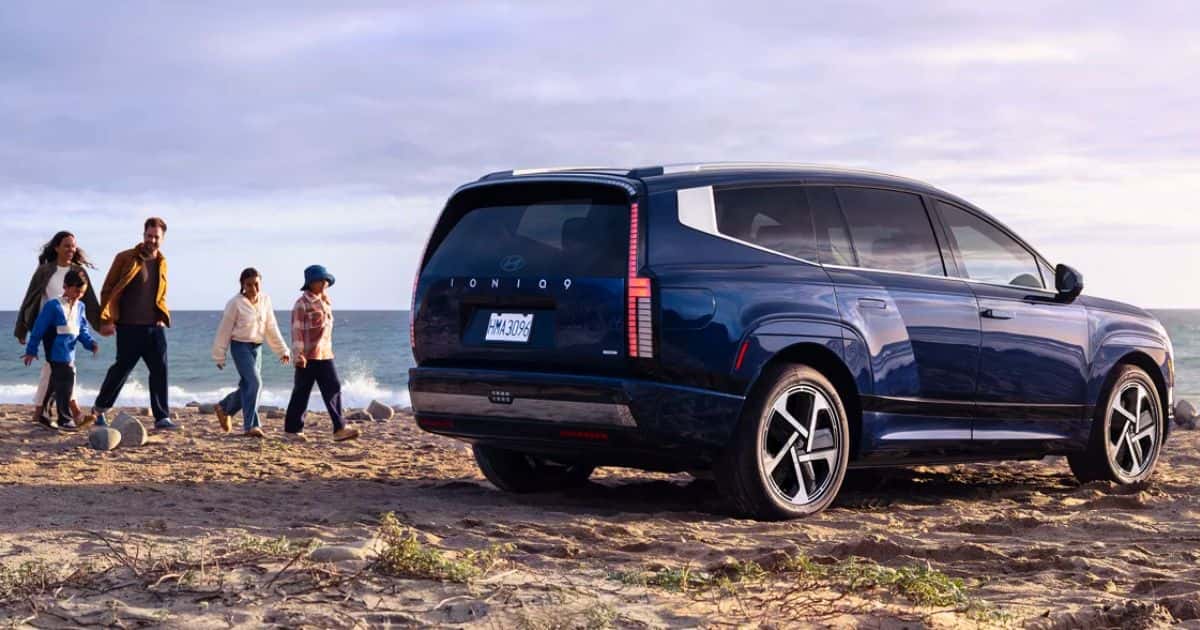
Hyundai cars are built for city and highway driving. Most offer fuel-efficient engines and smooth rides. Hyundai SUVs like the Tucson and Santa Fe come with all-wheel drive, but are not designed for serious off-roading.
Jeep dominates in off-road performance. The Wrangler and Gladiator, for example, use advanced four-wheel-drive systems, strong suspensions, and high ground clearance.
Even basic Jeep models handle rough terrain better than most competitors.
Some key differences:
- Hyundai: Better for daily commuting, family trips, and fuel savings.
- Jeep: Best for outdoor adventures, rough roads, and towing.
A comparison of capabilities:
| Model | Engine Power (HP) | Max Towing (lbs) | AWD/4WD |
|---|---|---|---|
| Hyundai Santa Fe | 191-281 | 3,500 | AWD available |
| Jeep Grand Cherokee | 293-357 | 7,200 | 4WD standard/available |
| Jeep Wrangler | 270-470 | 3,500 | 4WD standard |
Safety And Technology
Hyundai invests heavily in safety features and modern tech. Many models come with standard driver aids like forward collision warning, lane-keeping assist, and adaptive cruise control. Hyundai’s infotainment systems are simple and support both Apple CarPlay and Android Auto.
Jeep includes safety features, but some are only in higher trims. Tech is improving in new Jeeps, but infotainment systems may feel less user-friendly than Hyundai’s.
A quick comparison:
| Feature | Hyundai | Jeep |
|---|---|---|
| Standard Safety Tech | Extensive | Basic (more in upper trims) |
| Infotainment | Easy, modern | Functional, less intuitive |
| Mobile Integration | Apple/Android standard | Available |
Reliability And Ownership Costs
Hyundai shines with reliability and low running costs. The brand offers a 10-year/100,000-mile powertrain warranty, which is one of the best in the industry. Maintenance and repair costs are usually lower than average.
Jeep’s reliability scores are mixed. Models like the Wrangler are fun but may have more issues, especially as they age.
Repair and maintenance can cost more, and the warranty is usually 5 years/60,000 miles for the powertrain.
Non-obvious tip: Resale value for Jeeps is often higher, especially for the Wrangler, because of its cult following. But daily running costs may surprise you—insurance and gas can be expensive for Jeeps.
Price And Value
Hyundai models are known for being affordable. Even base trims come loaded with features. This makes Hyundai a favorite for people looking for value without giving up comfort or tech.
Jeep vehicles are pricier, especially if you want four-wheel drive or higher trims. The brand’s strong image and off-road skills add to the cost.
Here’s what you can expect:
- Hyundai Elantra: Starts around $21,000
- Hyundai Tucson: Starts around $27,500
- Jeep Wrangler: Starts around $33,000
- Jeep Grand Cherokee: Starts around $41,000
Which Should You Choose?
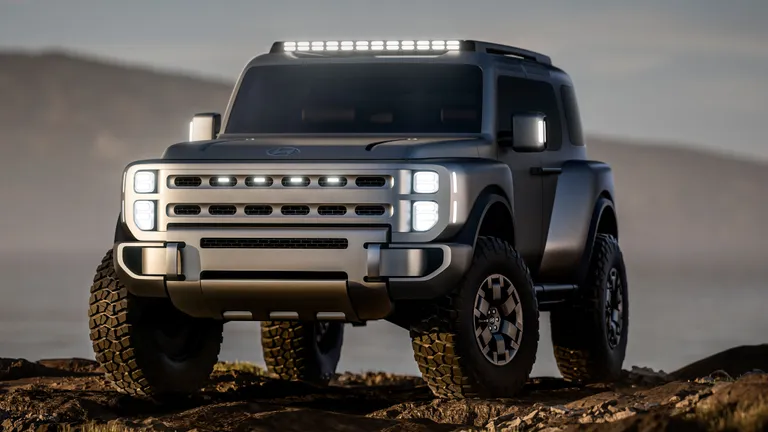
If you want a reliable, tech-filled car that is easy to drive and easy to own, Hyundai is the better choice. It’s great for families, commuters, and anyone who wants value for money. If you crave adventure, love exploring rough terrain, or want a car with a strong personality, Jeep is the winner.
An important point: Many buyers forget to test-drive both on roads they use daily. A Jeep might feel fun on a dealer’s lot but loud and bumpy on highways. Hyundai may seem plain at first but proves comfortable over time.
For more details on car comparisons, see this Consumer Reports resource.
No car is perfect for everyone. Think about how you drive, your budget, and where you plan to go.
That’s the best way to decide between Hyundai and Jeep.
Frequently Asked Questions
Is Hyundai Cheaper To Maintain Than Jeep?
Yes, Hyundai cars generally cost less to maintain and repair. They also come with longer warranties. Jeep repairs can be pricier, especially for 4WD models.
Which Brand Is Safer?
Most Hyundai models have more standard safety features than Jeeps. However, both brands have models with high safety ratings, especially in higher trims.
Are Jeeps Good For City Driving?
Jeeps can handle city roads, but their boxy shape and firm suspension may feel less smooth compared to Hyundai cars. They also use more fuel.
Which Has Better Resale Value?
Jeep Wranglers and some other models tend to hold their value well due to high demand. Hyundais lose value faster, but cost less up front.
Is Hyundai Or Jeep Better For Families?
Hyundai SUVs are usually more comfortable, offer more tech, and have bigger cargo space for families. Jeep SUVs are better if you plan on off-road adventures with your family.


















