Choosing the right engine is one of the most important decisions when buying a Jeep Wrangler. The engine affects everything—from how fast the Jeep accelerates, to how much fuel it uses, to how well it performs off-road. With several engine options available, it can be confusing to know which is best for your needs. This guide will help you understand each engine type, compare them, and find the best fit for your Wrangler adventure.
Understanding Jeep Wrangler Engine Options
Jeep Wranglers come with a variety of engines. Each has its own strengths and weaknesses. Here are the main engines offered in recent Wrangler models:
- 3.6L Pentastar V6
- 2.0L Turbo Inline-4
- 3.0L EcoDiesel V6
- 6.4L HEMI V8 (Rubicon 392)
- 4xe Plug-In Hybrid
Let’s explore what makes each engine unique.
Gasoline Engines: Power And Everyday Use
Most Wranglers are sold with gasoline engines. The two most common are the 3.6L Pentastar V6 and the 2.0L Turbo Inline-4.
3.6l Pentastar V6
This engine has been the standard for years. It offers 285 horsepower and 260 lb-ft of torque. It’s known for reliability and a balanced drive. It works well for daily driving and light off-roading. Fuel economy is around 17-19 mpg city and 23-25 mpg highway.
2.0l Turbo Inline-4
The 2.0L turbo engine produces 270 horsepower and a strong 295 lb-ft of torque. It feels quicker at lower speeds due to the turbo. It’s more fuel-efficient, averaging 21-22 mpg city and 24 mpg highway.
Here’s a quick comparison:
| Engine | Horsepower | Torque (lb-ft) | City MPG | Highway MPG |
|---|---|---|---|---|
| 3.6L Pentastar V6 | 285 | 260 | 17-19 | 23-25 |
| 2.0L Turbo Inline-4 | 270 | 295 | 21-22 | 24 |
Non-obvious insight: While the V6 is smoother at highway speeds, the turbo engine offers more torque at lower RPMs, which is great for city driving and crawling over rocks.
Diesel And Hybrid Choices: Efficiency Meets Power
Not all Wranglers need to be gas guzzlers. Jeep also offers diesel and hybrid options for those who want more efficiency or electric capability.
3.0l Ecodiesel V6
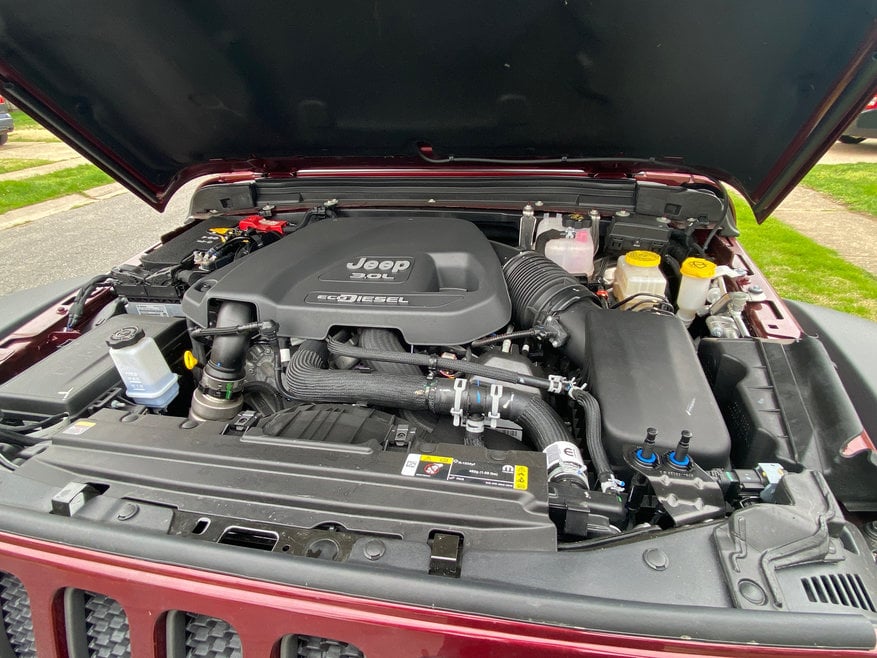
This engine delivers 260 horsepower but a massive 442 lb-ft of torque. It is perfect for towing, steep climbs, and long trips. It also returns 22 mpg city and 29 mpg highway—the best fuel economy of all Wrangler engines.
4xe Plug-in Hybrid
The 4xe pairs a 2.0L turbo engine with electric motors, producing a combined 375 horsepower and 470 lb-ft of torque. It runs on electricity alone for about 21 miles before switching to gas. It’s ideal for short daily commutes and offers the most torque, which is great for off-roading.
Here’s how the diesel and hybrid compare:
| Engine | Horsepower | Torque (lb-ft) | Electric Range (mi) | Combined MPG (gas) |
|---|---|---|---|---|
| 3.0L EcoDiesel V6 | 260 | 442 | 0 | 25 |
| 4xe Plug-In Hybrid | 375 | 470 | 21 | 20 |
Non-obvious insight: The 4xe’s instant electric torque makes it easier to control during technical off-roading, but its battery pack reduces cargo space.
The Ultimate Power: 6.4l Hemi V8 (rubicon 392)
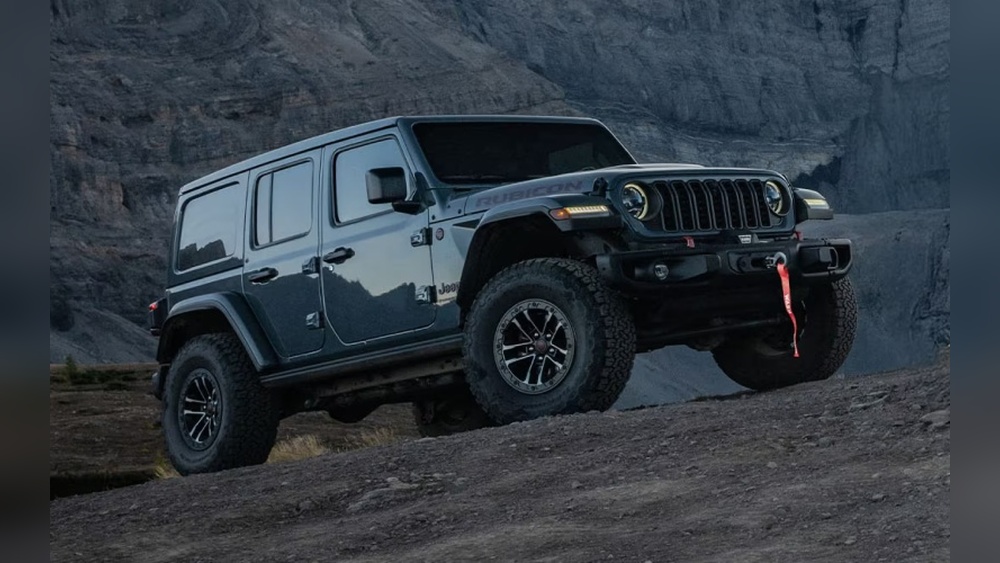
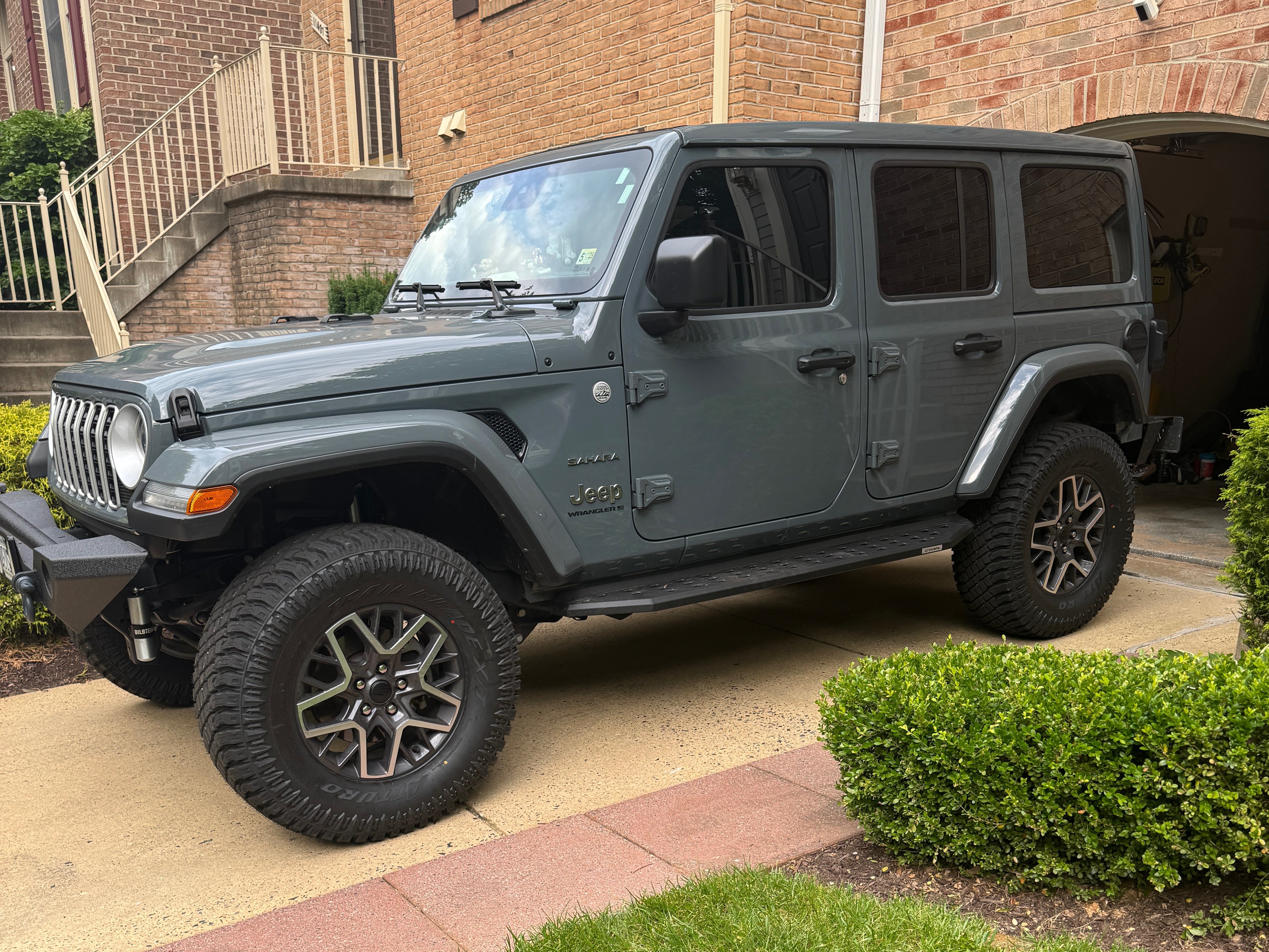
For those who want maximum power, Jeep offers the Rubicon 392 with a 6.4L HEMI V8. This engine makes 470 horsepower and 470 lb-ft of torque. The Wrangler 392 goes from 0-60 mph in just 4.5 seconds. It’s the fastest, loudest, and most expensive option, but it only gets 13 mpg city and 17 mpg highway.
Which Engine Is Best For You?
The “best” engine depends on your needs:
- Daily driving and balance: 3.6L Pentastar V6
- Best fuel economy (gas): 2.0L Turbo Inline-4
- Towing and highway trips: 3.0L EcoDiesel V6
- Electric daily use and max torque: 4xe Plug-In Hybrid
- Extreme power and speed: 6.4L HEMI V8
Here’s a summary to help you choose:
| Engine | Best For | Main Drawback |
|---|---|---|
| 3.6L Pentastar V6 | All-around use | Lower torque |
| 2.0L Turbo Inline-4 | City, fuel savings | No manual transmission |
| 3.0L EcoDiesel V6 | Towing, efficiency | Higher cost, DEF fluid |
| 4xe Plug-In Hybrid | Electric driving, torque | Smaller cargo space |
| 6.4L HEMI V8 | Performance lovers | Poor fuel economy |
Other Factors To Consider
- Transmission: Some engines offer both manual and automatic, while others are automatic-only.
- Cost: Diesel and hybrid engines add thousands to the price.
- Maintenance: Diesel and hybrid engines can be more expensive to repair.
- Resale Value: V6 and 4xe models tend to hold value best.
A common beginner mistake is choosing the highest horsepower, thinking it’s always better. In reality, torque matters more for off-roading and towing. Also, remember that hybrid and diesel engines may have limited availability depending on your location.
Frequently Asked Questions
Is The 2.0l Turbo Engine Reliable?
Yes, the 2.0L turbo has proven reliable so far. Regular maintenance is important, especially oil changes, to keep the turbo in good shape.
Which Jeep Wrangler Engine Is Best For Off-roading?
The 3.6L V6 and 4xe are top choices. The 4xe’s electric torque helps with slow-speed crawling, while the V6 is simple and proven.
Does The Ecodiesel Require Special Fuel?
Yes, the EcoDiesel needs ultra-low sulfur diesel fuel and DEF fluid (diesel exhaust fluid) for emissions. Make sure these are available in your area.
Can I Tow With The 2.0l Turbo?
Yes, but the maximum towing capacity is the same as the V6—up to 3,500 lbs with the right package. For heavier towing, the EcoDiesel is better.
Where Can I Find More Detailed Jeep Wrangler Specs?
You can check full specifications and updates at the official Jeep site.
Choosing the right engine is all about matching your Wrangler to your lifestyle. Whether you want daily comfort, adventure, or pure power, there’s an engine that fits perfectly.
Take your time, consider how you’ll use your Jeep, and pick the engine that will make every drive enjoyable.