Parking your Jeep Wrangler on the side of a trail or road with a flat tire can be stressful, especially if you’re unsure where to place the jack. Using the correct jack points on your Wrangler is not only about getting the job done but also about safety.
Choosing the wrong spot could damage your vehicle or even cause injury. Let's look at exactly where to put a jack on a Jeep Wrangler, the safe methods, and a few tips that most beginners miss.
Understanding Jeep Wrangler Jack Points
Every Jeep Wrangler, whether JK, JL, TJ, or YJ, has specific locations designed to support the weight of the vehicle when lifted. These are called jack points. Using these points prevents damage to the frame or body and keeps the Jeep stable during lifts.
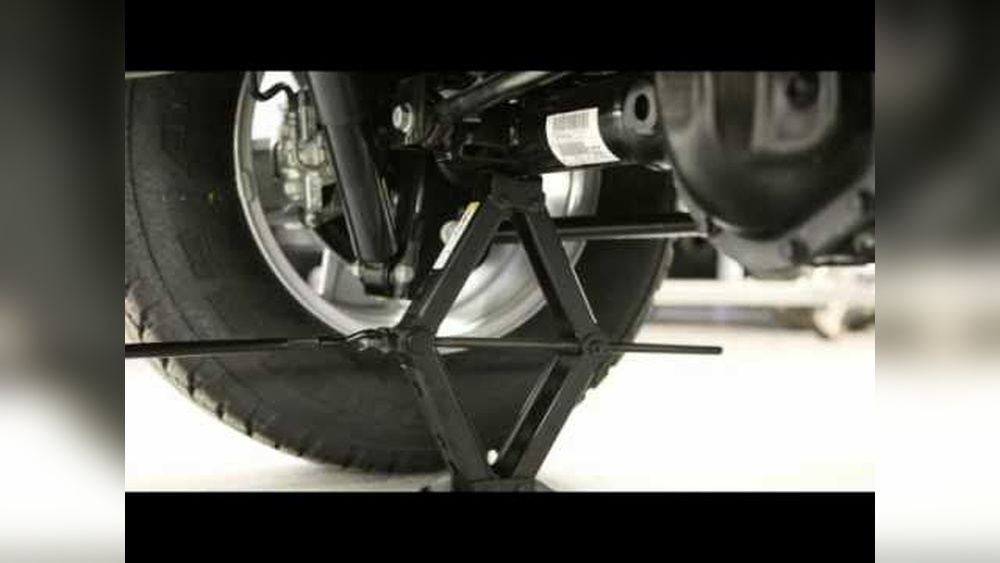
Factory-recommended jack points can be found in your owner’s manual, but here’s where they are on most Wranglers:
- Front: The frame rail behind the front wheels.
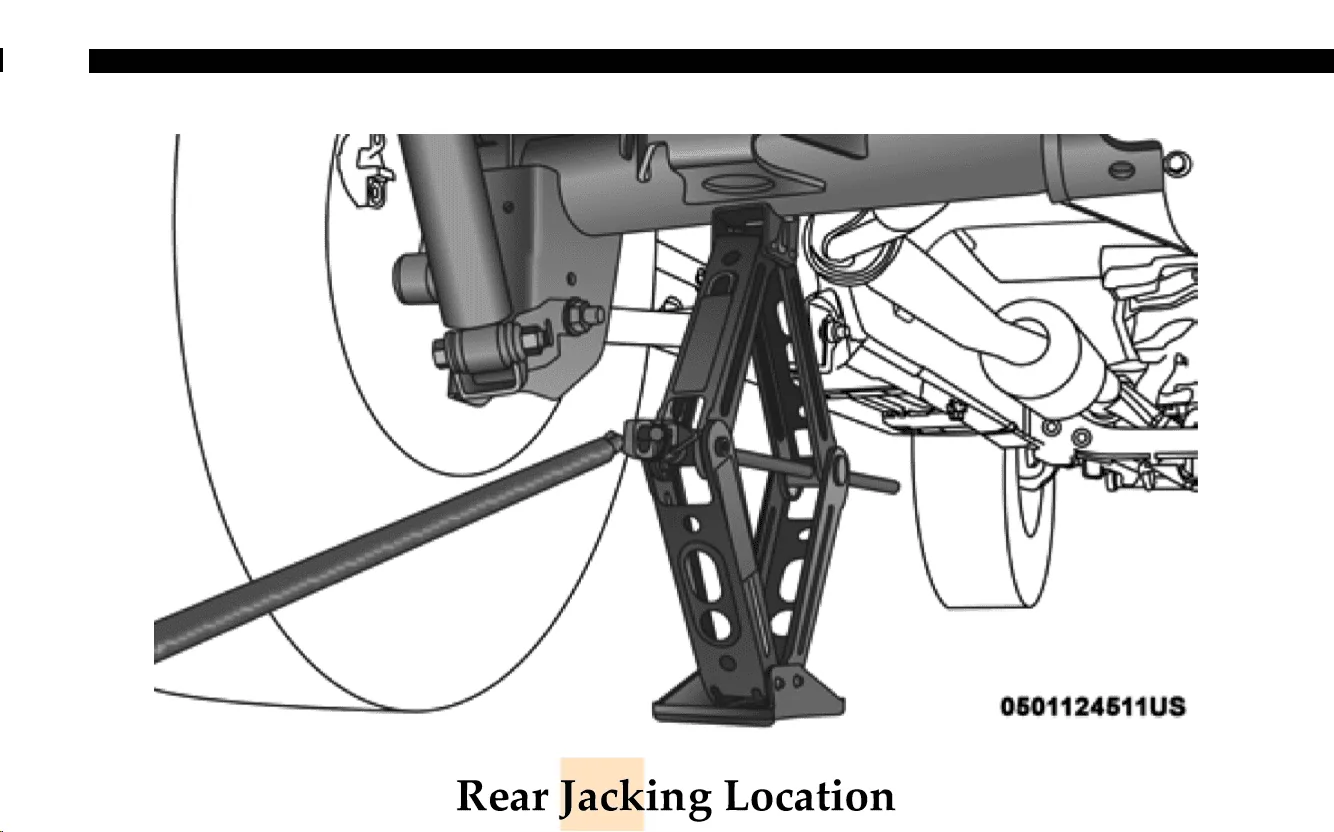
- Rear: The frame rail in front of the rear wheels.
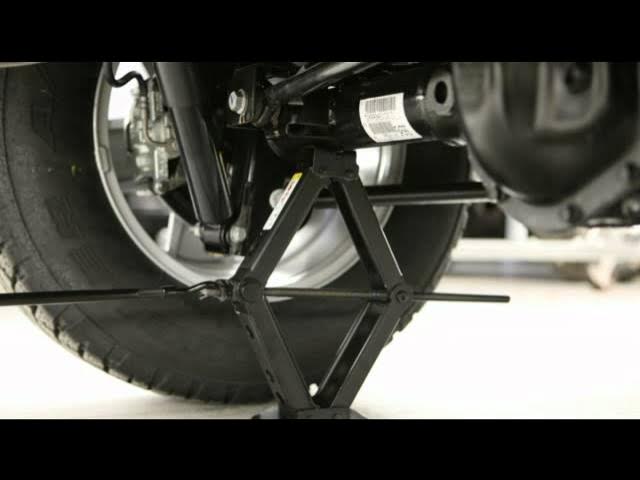
- Axle tube: Directly under the axle (only with an axle jack, not the factory scissor jack).
You should never place the jack under plastic body panels, the floor, or the driveshaft. These areas are not designed to hold the Jeep’s weight.
| Model Year | Front Jack Point | Rear Jack Point |
|---|---|---|
| TJ (1997–2006) | Frame rail behind front wheel | Frame rail in front of rear wheel |
| JK (2007–2018) | Frame rail behind front wheel | Frame rail in front of rear wheel |
| JL (2018+) | Frame rail behind front wheel | Frame rail in front of rear wheel |
Step-by-step: How To Jack Up A Jeep Wrangler
Lifting a Jeep Wrangler isn’t complicated, but it does require attention to detail. Here’s a simple process anyone can follow.
- Find a stable, flat surface. Never jack up your Jeep on a slope or soft ground.
- Engage the parking brake and put the transmission in Park (automatic) or in gear (manual).
- Place wheel chocks on the opposite wheel to prevent rolling.
- Locate the correct jack point for the wheel you’re lifting.
- Position the jack under the frame rail or axle tube at the designated point.
- Lift the Jeep slowly, making sure the jack remains stable and vertical.
- Place a jack stand under the frame for extra safety before working under the vehicle.
Many beginners miss one key thing: never rely on the jack alone to hold the vehicle. Always use a jack stand for safety, especially if you plan to work under the Jeep.
Comparing Jack Types For Jeep Wrangler
Choosing the right jack is as important as using the right jack point. Here’s how the most common jacks compare for the Wrangler:
| Jack Type | Pros | Cons |
|---|---|---|
| Scissor Jack (Factory) | Compact, included with Jeep | Low lift height, slow operation |
| Bottle Jack | High lift capacity, stable | Bulky, sometimes hard to position |
| Hi-Lift Jack | Very high lift, good for off-road | Heavy, needs practice to use safely |
| Floor Jack | Fast, easy to use in garage | Not portable, heavy |
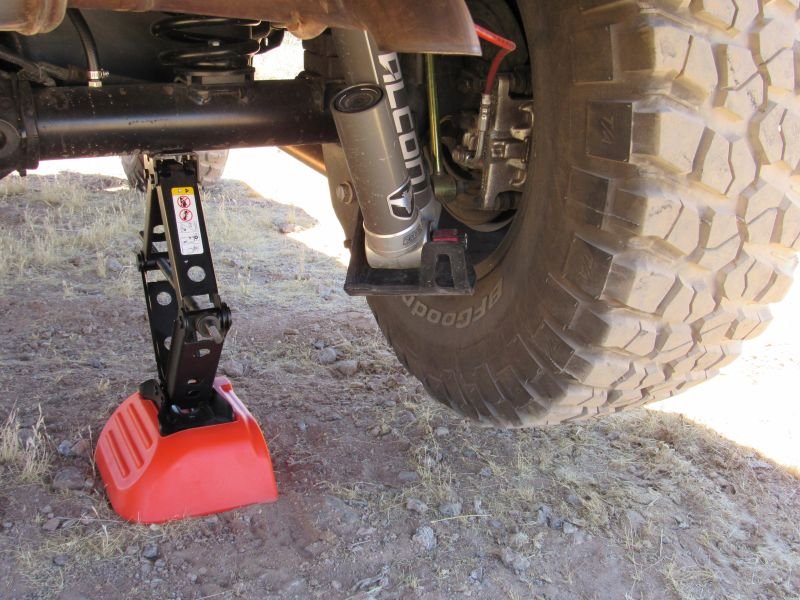
Off-roaders often carry a Hi-Lift jack for trails, but this tool can be risky if you’re not trained. The factory scissor jack is fine for roadside tire changes if used correctly at the frame rails.
What Not To Do: Common Jacking Mistakes
Many new Jeep owners make avoidable errors:
- Jacking under the differential: This can damage the cover or cause leaks.
- Using the bumper: Stock bumpers aren’t made for lifting.
- Skipping wheel chocks: The Jeep can roll, even on flat ground.
- Not checking stability: If the jack wobbles, lower the Jeep and reposition.
Don’t forget to check for rust or damage at the jack points. Rusty or bent frame rails are unsafe for lifting.
If you’re unsure, consult a mechanic before attempting a lift.
Extra Tips For Safe Jacking
- Carry a flat board: If you need to jack up your Jeep on dirt or gravel, place a strong board under the jack to prevent sinking.
- Upgrade your factory jack: If you have larger tires or a lift kit, the factory jack may not reach. Consider a bottle jack with a higher lift range.
- Practice at home: Before you need to change a tire on a trail, practice jacking your Jeep in your driveway. This builds confidence and helps you identify the best jack points on your specific model.
Here’s a quick look at safe vs unsafe jacking spots:
| Location | Safe to Jack? |
|---|---|
| Frame rail (front/rear) | Yes |
| Axle tube | Yes (with axle jack) |
| Bumper | No |
| Differential | No |
| Body panels | No |
When To Seek Professional Help
If you notice frame damage, heavy rust, or instability when jacking, it’s best to ask a professional. Improper lifting can lead to costly repairs or personal injury. Even experienced owners sometimes miss hidden issues underneath, especially on older Wranglers. For more detailed guidance, the official Jeep owner’s manual or sites like Jeep offer reliable information.
Frequently Asked Questions
Where Do I Put The Jack When Changing A Front Tire On A Jeep Wrangler?
Place the jack under the frame rail just behind the front wheel. Make sure the jack is centered and stable before lifting.
Is It Safe To Jack Up A Jeep Wrangler By The Differential?
No, you should never jack up a Wrangler by the differential. This can damage the cover and cause leaks.
Can I Use A Hi-lift Jack On My Stock Wrangler?
Yes, but only on approved lift points like steel bumpers or rock sliders. Never use a Hi-Lift on plastic or weak areas.
Do I Need To Use Jack Stands With A Jeep Wrangler?
Yes. Jack stands add essential safety. Never work under your Jeep with only a jack holding it up.
What If My Jeep Has A Lift Kit Or Larger Tires?
You may need a jack with a higher lift range, such as a tall bottle jack or Hi-Lift. The factory scissor jack often won’t reach.
Taking the time to learn the proper jacking points for your Jeep Wrangler keeps you safe and protects your vehicle. With a little practice and attention to detail, tire changes and repairs become much less stressful, whether on the road or out on the trail.