If you drive a Jeep Grand Cherokee, knowing where to place the jack is more important than many people think. Many owners want to change a tire, inspect brakes, or do routine maintenance. If you put the jack in the wrong spot, you can damage your car or risk injury. This guide explains where to put the jack safely, common mistakes, and tips that even experienced drivers sometimes miss.
Understanding Jack Points On Jeep Grand Cherokee
Every vehicle has jack points—specific places designed to take the weight when lifted. For the Jeep Grand Cherokee, these points are chosen to prevent damage to the body or suspension.
Most Grand Cherokees (2011–2024 models) have four main jack points:
- Just behind the front wheels, on the pinch weld (the seam under the body)
- Just in front of the rear wheels, on the same seam
If you look under your Jeep, you will see a reinforced area, sometimes with a small notch or mark. That’s where you should place the jack.
Avoid putting the jack anywhere on plastic panels or suspension arms.
Here’s a simple comparison of jack point positions for different Jeep Grand Cherokee generations:
| Model Year | Front Jack Point | Rear Jack Point | Notes |
|---|---|---|---|
| 2011–2024 | Pinch weld behind front wheel | Pinch weld in front of rear wheel | Reinforced, marked |
| 2005–2010 | Frame rail near front wheel | Frame rail near rear wheel | Less clearly marked |
| Pre-2005 | Frame rail, not pinch weld | Frame rail, not pinch weld | Check owner’s manual |
Step-by-step Guide: Where And How To Put The Jack
- Park Safely: Always park your Jeep on a level surface. Use the parking brake. If you’re on a slope, place wheel chocks behind the tires.
- Locate the Jack Point: Find the pinch weld seam under the body, just behind or in front of the wheel you need to lift.
- Align the Jack: Place the jack cup or pad directly under the reinforced area, never on the painted edge.
- Lift Slowly: Pump the jack until the tire is just off the ground. Never go too fast.
- Use Jack Stands: If you need to work under the vehicle, use jack stands for safety. Place them under the frame rail, not the suspension or plastic.
Here’s how the pinch weld jack point compares to other spots:
| Jack Point | Safety | Damage Risk | Ease of Use |
|---|---|---|---|
| Pinch Weld | High | Low | Easy |
| Suspension Arm | Low | High | Difficult |
| Plastic Panel | Very Low | Very High | Impossible |

Common Mistakes And How To Avoid Them
Many Jeep owners make these mistakes:
- Using the wrong jack point: Lifting from a suspension arm or plastic panel can bend or break parts.
- Not checking for rust or damage: If the pinch weld is rusty, the jack may slip. Always inspect the area.
- Forgetting to use jack stands: Relying only on the jack is dangerous. Jack stands are a must for any work under the car.
Another mistake is not reading the owner’s manual. Jeep provides diagrams showing exact jack locations.
The manual is usually in the glove box.
Tips For Safe Jacking
- Always carry a floor jack or a scissor jack rated for at least 3 tons. The Jeep Grand Cherokee weighs about 4,500–5,500 pounds depending on trim.
- Use a jack pad to protect the pinch weld and prevent slipping.
- Never crawl under the Jeep when it’s only supported by a jack.
- If you’re changing a tire on the road, keep your hands and feet away from the jack while lifting.
Some advanced owners add pinch weld adapters, which fit the seam perfectly and lower the risk of damage.
Non-obvious Insights
- Jack points can vary with trim: Some Grand Cherokees have side steps or off-road packages. These can cover the pinch weld, so you may need to move the jack point slightly or remove trim.
- Weather matters: If you lift your Jeep during rain or snow, the jack can slip. Dry and clean the area before jacking.
Jack Types And Placement
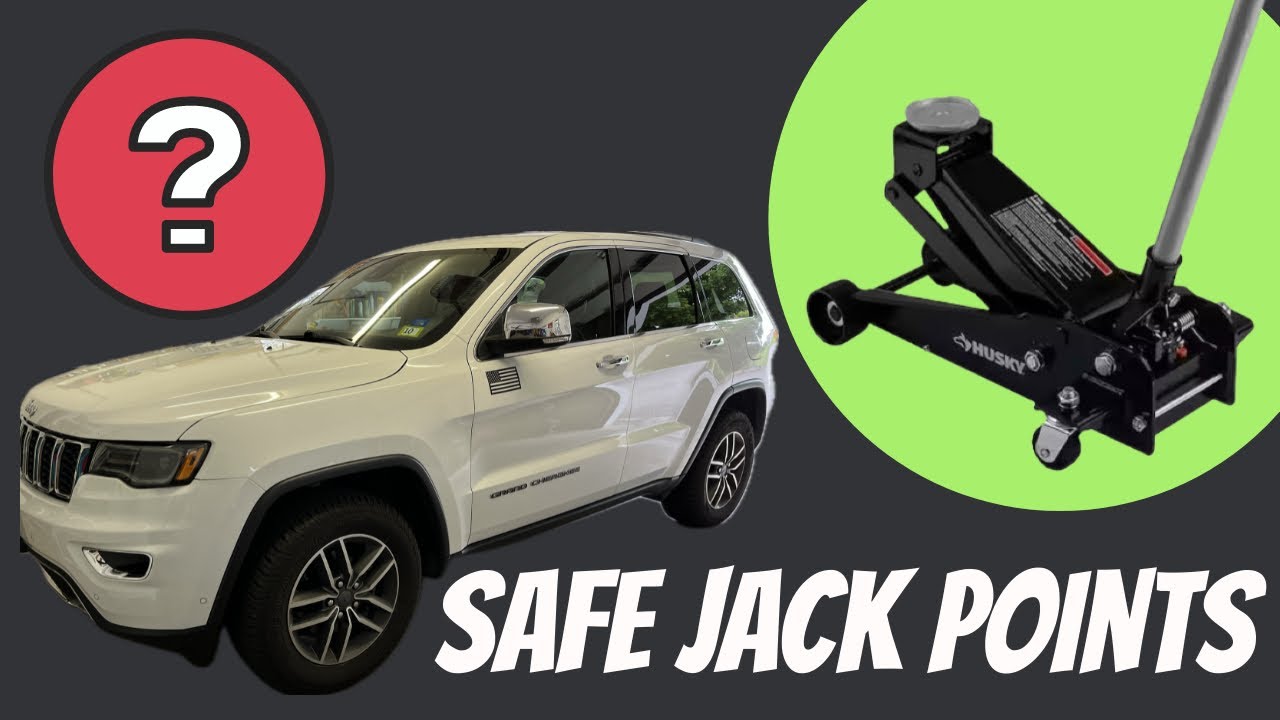
There are several jack types you can use:
- Scissor jack: Usually included with the Jeep. Good for emergencies, but not as stable.
- Floor jack: Heavier, more stable, and faster to use. Best for garage work.
- Bottle jack: Compact and strong, but harder to position under low vehicles.
Here’s a simple table comparing jack types for Jeep Grand Cherokee:
| Jack Type | Stability | Ease of Placement | Best Use |
|---|---|---|---|
| Scissor Jack | Medium | Easy | Emergency tire change |
| Floor Jack | High | Easy | Home garage |
| Bottle Jack | High | Medium | Off-road use |
Where Not To Put The Jack
Never place the jack under these areas:
- Suspension arms: Can bend and make your Jeep unsafe.
- Plastic panels: Will crack and not support the weight.
- Exhaust system: Not designed to hold the car up.
If you’re unsure, always choose the pinch weld or frame rail near the wheel.
Frequently Asked Questions
Where Are The Official Jack Points On A Jeep Grand Cherokee?
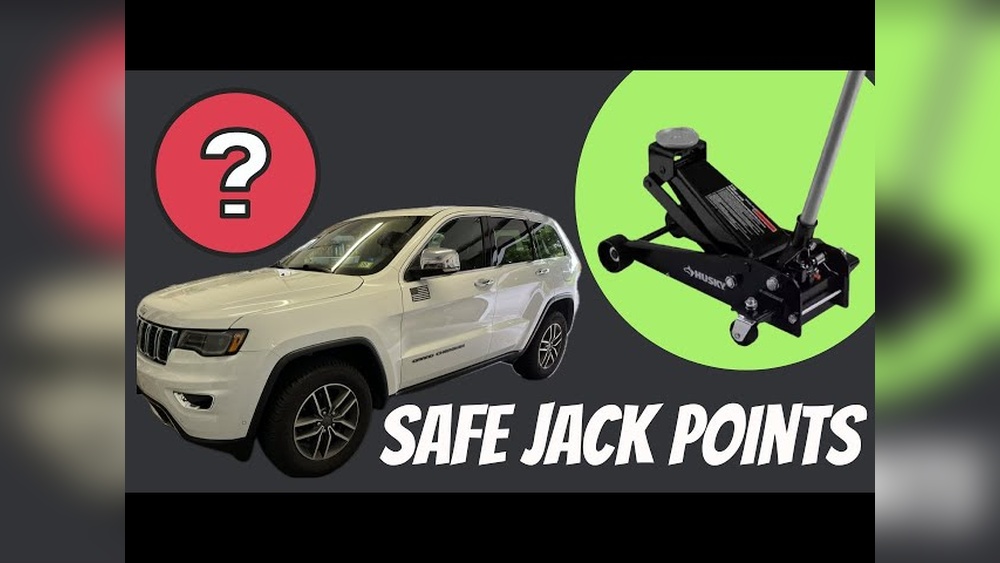
The official jack points are on the pinch weld seam under the body, just behind the front wheels and just in front of the rear wheels. These spots are reinforced for safe lifting.
Can I Use A Floor Jack Instead Of The Scissor Jack?
Yes, a floor jack is safer and easier to use. Just make sure it fits under your Jeep and is rated for its weight.
Is It Safe To Jack Up My Jeep On Uneven Ground?
No, always use a level surface. Jacking on uneven ground can cause the vehicle to slip or fall, which is very dangerous.
What Should I Do If My Jack Point Is Rusty?
If you see rust, clean the area and check for solid metal. If it’s badly rusted, use another reinforced spot or consult a mechanic.
Where Can I Find More Information About Jack Points?
You can check your Jeep’s owner’s manual or visit Jeep’s official website for diagrams and details.
Safe jacking is not just about changing a tire it’s about protecting yourself and your Jeep. Always use the correct jack point, check for rust, and use jack stands whenever possible.
With the right steps, you can work confidently on your Jeep Grand Cherokee without worry.