Changing a tire or working under your Jeep Cherokee can be stressful, especially if you’re unsure where to place the jack. Using the wrong spot can damage your SUV or even cause a dangerous accident.
Many drivers make mistakes because they don’t know the safest jack points or how to identify them.
In this article, you’ll learn exactly where to put the jack on a Jeep Cherokee, why it matters, and what to avoid. Whether you have an older model or a newer one, you’ll get practical advice to keep your vehicle and yourself safe.
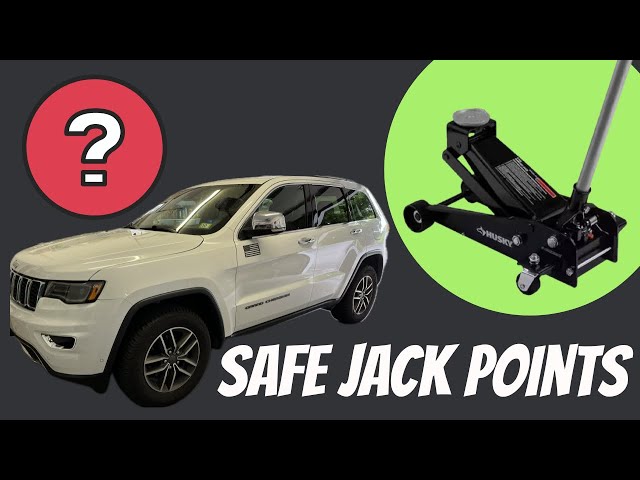
Why Jack Placement Matters
Putting the jack in the correct spot is not just about convenience. The jack points are designed to handle weight and prevent damage. If you place the jack in the wrong area, you might bend the frame, break parts, or cause the car to slip. Jeep Cherokees have strong underbody sections, but not every spot can hold the weight.
A study from the National Highway Traffic Safety Administration found that improper jack placement causes thousands of injuries yearly. Knowing the right locations can save time and prevent accidents.
Identifying Jack Points On Jeep Cherokee
Jeep Cherokees have several factory-recommended jack points. These are usually marked or reinforced. Here’s how to find them:
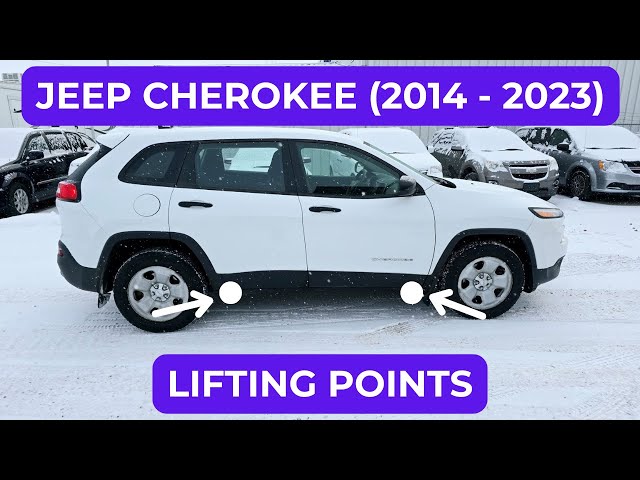
- Front Jack Points: Behind the front wheels, look for the pinch weld or reinforced metal strip under the rocker panel. It’s often a flat, strong area.
- Rear Jack Points: In front of the rear wheels, you’ll see a similar pinch weld. This is also reinforced for lifting.
- Center Jack Point (for advanced users): Some mechanics use the center front crossmember, but this should only be used with a proper floor jack and not by beginners.
Older Jeep Cherokees may not have clear markings. In that case, use the thickest, flat metal area near the wheels.
Avoid areas with cables, hoses, or plastic trim.
Step-by-step: Safely Jacking Your Jeep Cherokee
Follow these steps to safely lift your vehicle:
- Park on a level surface. Engage the parking brake.
- Locate the jack point nearest to the wheel you want to lift.
- Place the jack under the pinch weld or reinforced area.
- Double-check that the jack is straight and stable.
- Slowly raise the vehicle until the wheel is off the ground.
- If working under the vehicle, always use jack stands for extra safety.
Common Mistakes To Avoid
- Using the jack on the floor pan or under plastic parts.
- Jacking up the car on a slope or uneven surface.
- Not using jack stands when working under the car.
- Placing the jack too far from the wheel—this can cause the vehicle to tip.
Comparing Jack Points: Front Vs Rear
Different jack points have different strengths. Here’s a quick comparison:
| Jack Point | Location | Strength | Recommended Use |
|---|---|---|---|
| Front Pinch Weld | Behind front wheels | High | Tire change, suspension work |
| Rear Pinch Weld | In front of rear wheels | High | Tire change, brake work |
| Center Crossmember | Under engine area | Very High | Advanced, entire front lift |

Types Of Jacks And Their Fit For Jeep Cherokee
Not all jacks are equal. Some work better for SUVs like the Cherokee.
| Jack Type | Lift Range | Portability | Best For |
|---|---|---|---|
| Scissor Jack | 4-15 inches | Very Portable | Emergencies, tire changes |
| Hydraulic Floor Jack | 5-20 inches | Less Portable | Garage, heavy-duty work |
| Bottle Jack | 8-24 inches | Portable | Off-road, high lift |
Hydraulic floor jacks are safest for regular maintenance. They offer stability and can lift the Cherokee easily. Scissor jacks are common in the trunk but are less stable for bigger jobs.
Real-world Examples And Tips
Let’s look at two real situations:
- Flat Tire on the Road: You pull over, grab your scissor jack, and place it under the front pinch weld. If you put it under the floor pan, the jack slips and damages the metal. Always check for the reinforced area.
- Garage Suspension Work: You use a floor jack under the center crossmember to lift the front. Then, you place jack stands under both front pinch welds before working. This keeps the SUV stable.
A non-obvious tip: Clean jack points before lifting. Dirt or rust can make the jack slip, especially in older Cherokees.
Another insight: Check the owner’s manual for your Cherokee’s year. Some models have slight differences in jack point locations. Manuals often have diagrams that help.
Safety Statistics And Manufacturer Guidance
Jeep recommends using only the specified jack points. According to NHTSA, improper lifting causes over 10,000 injuries in the US each year. Most accidents happen because drivers use the wrong spot or skip jack stands.
Always follow manufacturer instructions. If you’re unsure, ask a mechanic or check online forums for your specific model and year.
Frequently Asked Questions
Where Is The Safest Place To Put A Jack On A Jeep Cherokee?
The safest place is under the pinch weld behind the front wheels or in front of the rear wheels. These spots are reinforced and designed for lifting.
Can I Use A Bottle Jack On My Jeep Cherokee?
Yes, you can use a bottle jack, especially for off-road situations. Make sure the jack fits under the pinch weld and is stable.
What Happens If I Jack Up The Car In The Wrong Spot?
Jacking in the wrong spot can bend the frame, damage parts, or cause the vehicle to fall. This can be costly and dangerous.
Do I Need To Use Jack Stands?
Absolutely. Jack stands are important for safety if you work under the car. Never rely on just the jack.
Are Jack Points The Same For All Jeep Cherokee Models?
Most are similar, but older models may have different locations. Always check your owner’s manual or look for reinforced metal areas.
Getting to know your Jeep Cherokee’s jack points is essential for safe DIY work. When you use the right spots and proper equipment, you protect your SUV and yourself.
Take a few minutes to check your jack points before any lift, and always use jack stands for extra safety.
Smart preparation makes every job easier and safer.