Every vehicle owner knows that proper maintenance can make a big difference in how long your car lasts. For Jeep Wrangler drivers, one simple but important task is keeping the coolant at the right level. Coolant helps your engine stay at the correct temperature. Too little, and your engine can overheat or get damaged. But where exactly do you add coolant in a Jeep Wrangler, and how do you do it safely? Let’s break it down in clear, simple steps so you can care for your Jeep confidently.
Why Coolant Matters For Your Jeep Wrangler
Coolant, also called antifreeze, flows through your engine to keep temperatures stable. Jeep Wranglers are often driven in rough conditions, from hot summer trails to cold winter roads. Because of this, the engine works hard and needs proper cooling.
Without enough coolant, your Jeep’s engine can overheat quickly. Overheating can cause serious problems like a warped cylinder head or blown head gasket.
In cold weather, coolant also prevents the liquid inside your engine from freezing, which can crack engine parts.
Regularly checking and adding coolant helps you avoid expensive repairs and keeps your Jeep running strong.
Locating The Coolant Reservoir In A Jeep Wrangler
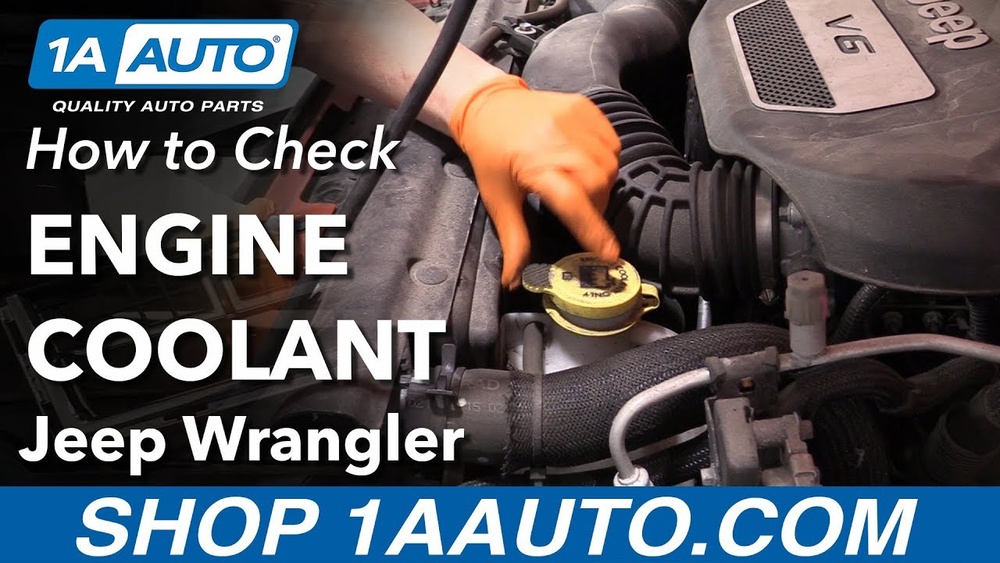
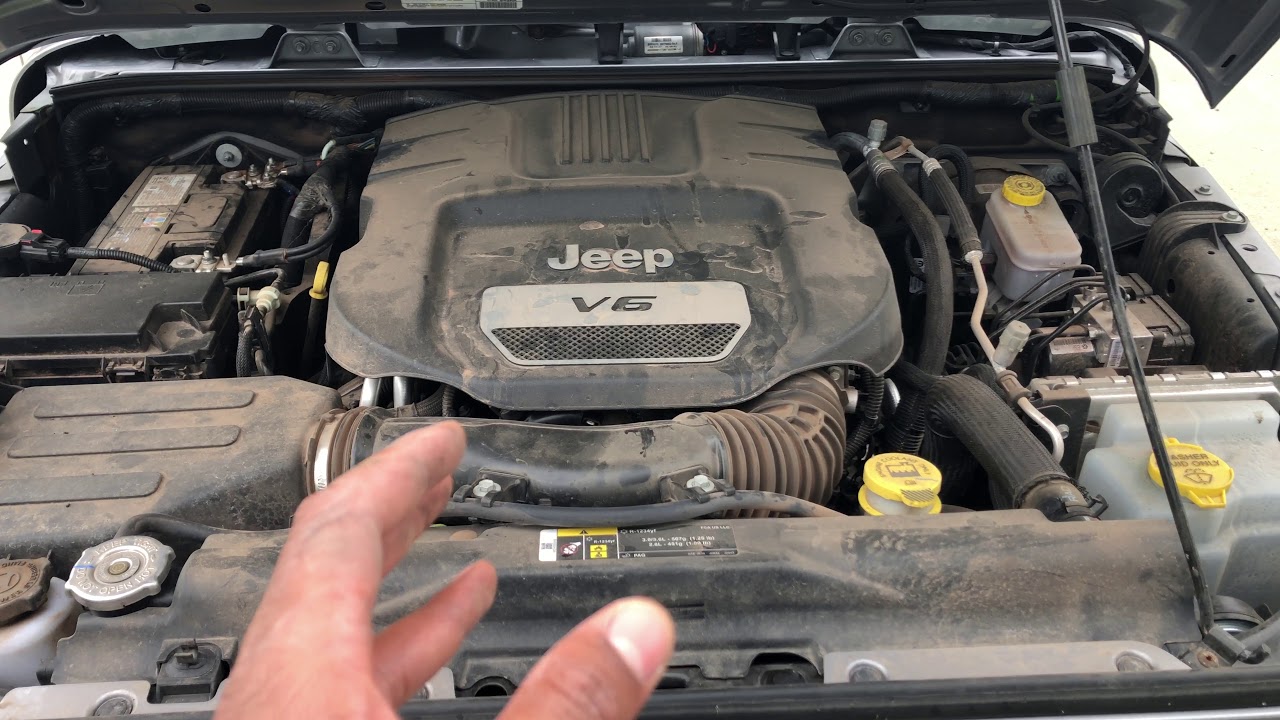
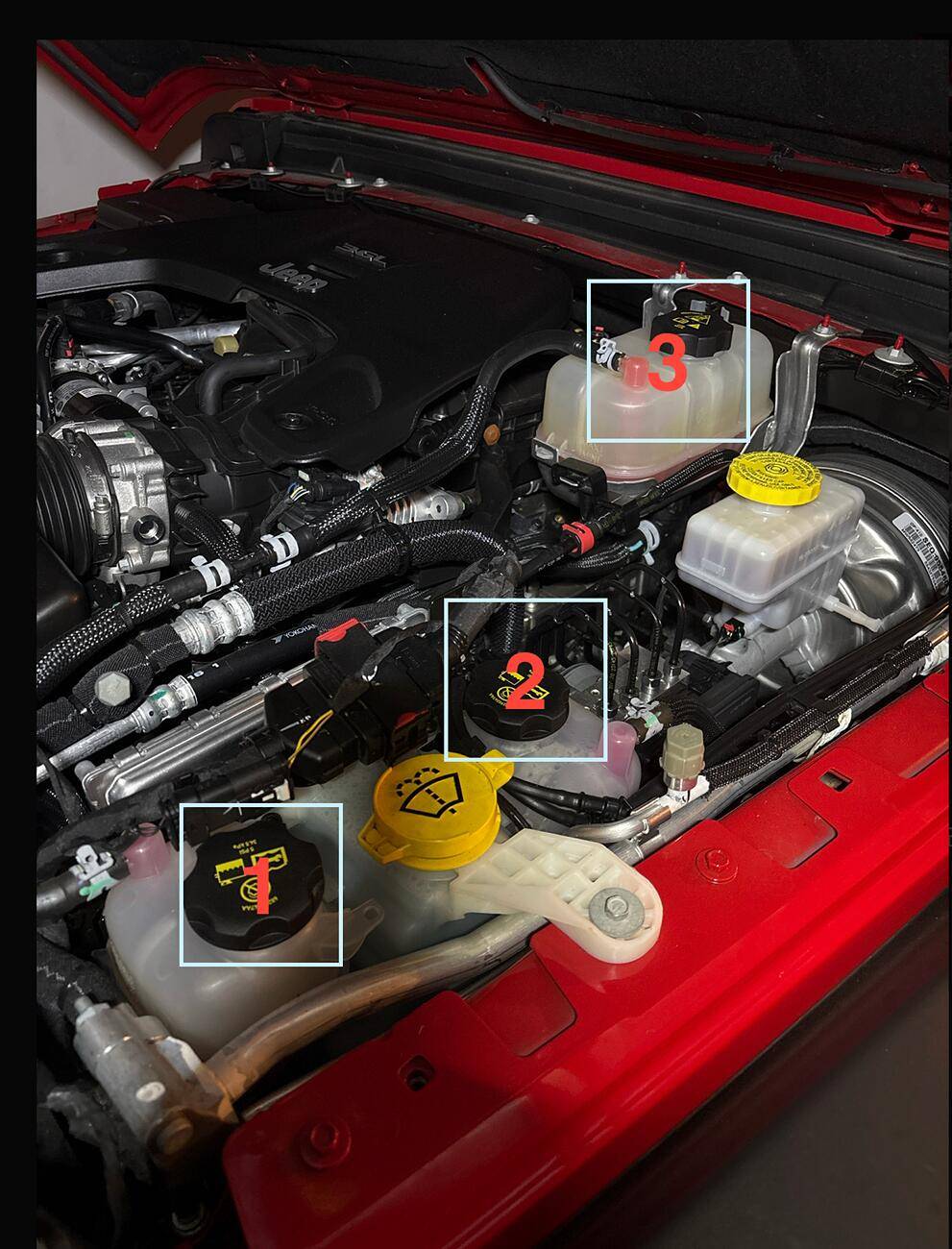
If you open your Jeep’s hood and see a lot of parts, don’t worry. Finding where to put coolant is easier than it looks. The coolant reservoir is a clear or white plastic tank, usually on the passenger side near the front of the engine bay.
Here’s a quick comparison of coolant reservoir location by Jeep Wrangler generation:
| Wrangler Model Year | Coolant Reservoir Location |
|---|---|
| YJ (1987-1995) | Front right, near radiator |
| TJ (1997-2006) | Passenger side, behind headlight |
| JK (2007-2018) | Front right, beside battery |
| JL (2018-present) | Front right, near air filter box |
The reservoir cap is usually marked with symbols like “engine coolant” or a temperature icon. Never confuse it with the windshield washer or brake fluid reservoir.

Step-by-step: How To Add Coolant To A Jeep Wrangler
Filling your Wrangler with coolant isn’t difficult, but safety is key. Always wait until the engine is cool before you open the hood and touch anything.
1. Park Safely
Stop your Jeep on a flat surface and turn off the engine. Let it cool down for at least 30 minutes.
Opening the coolant cap while hot can spray boiling liquid and cause burns.
2. Open The Hood
Use the release lever inside your Jeep, then lift the hood and secure it.
3. Find The Coolant Reservoir
Locate the reservoir tank as described above. Check for “MAX” and “MIN” lines on the side to see your current coolant level.
4. Open The Reservoir Cap
Twist the cap slowly. If you hear a hissing sound, wait until it stops before removing the cap completely.
5. Add Coolant
Pour the correct coolant type (check your owner’s manual) into the reservoir. Fill it up to the “MAX” line.
Never overfill, as extra coolant may spill out and damage engine parts.
6. Close Everything Up
Tighten the cap securely. Lower the hood and make sure it’s latched.
7. Run The Engine
Start the engine and let it run for a few minutes. Watch the temperature gauge.
If it stays in the normal range, you’ve done it right. If it rises quickly, turn off the engine and check for leaks.
A common mistake beginners make is adding coolant to the radiator instead of the reservoir. Most modern Wranglers use a pressurized reservoir system, so always use the plastic tank unless your manual says otherwise.
Choosing The Right Coolant For Your Wrangler
All coolants are not the same. Jeep recommends using HOAT (Hybrid Organic Acid Technology) or OAT (Organic Acid Technology) coolant, depending on your Wrangler’s model year.
Here’s a quick guide:
| Model Year | Recommended Coolant Type | Coolant Color |
|---|---|---|
| 2007-2012 (JK) | HOAT | Pink/Purple |
| 2013-2018 (JK) | OAT | Orange |
| 2018-present (JL) | OAT | Orange |
Never mix different coolant types. Mixing can cause chemical reactions that clog the system or damage engine parts.
If you’re unsure, ask a dealer or check your manual.
Signs You Need To Add Or Change Coolant
Don’t wait for a problem before checking your coolant. Here are signs that your Jeep Wrangler might need more coolant or a full change:
- The engine temperature gauge rises above normal.
- You see a warning light for engine temperature.
- The heater blows cold air, even when set to warm.
- There’s a sweet smell from under the hood (a sign of a leak).
- The coolant looks rusty, dirty, or has floating particles.
If you notice these signs, check the coolant right away. Ignoring them can lead to expensive repairs.
Coolant Maintenance Tips
1. Check Often
Inspect the coolant level every month, especially before long trips or in extreme weather.
2. Flush The System
Jeep recommends a full coolant flush every 5 years or 100,000 miles, whichever comes first. Old coolant loses its ability to protect the engine.
3. Use Distilled Water
If you need to mix coolant, always use distilled water, not tap water. Minerals in tap water can cause deposits inside your cooling system.
4. Look For Leaks
If you keep needing to add coolant, check hoses and the radiator for leaks. Wet spots under your Jeep can be a clue.
5. Don’t Open When Hot
Never open the coolant reservoir or radiator when the engine is hot. Pressure inside can cause dangerous sprays.
Many beginners overlook the importance of using the correct mixture (usually 50% coolant, 50% distilled water). Too much water can freeze, and too much coolant can reduce cooling efficiency.
Frequently Asked Questions
Where Exactly Do I Pour The Coolant In A Jeep Wrangler?
You add coolant into the coolant reservoir tank, not the radiator. The reservoir is usually a clear plastic tank near the front right (passenger side) of the engine bay. Look for “engine coolant” or a temperature icon on the cap.
What Type Of Coolant Should I Use For My Wrangler?
Use the coolant type recommended in your owner’s manual. Most 2007-2012 Wranglers use HOAT (pink/purple), while 2013 and newer use OAT (orange). Never mix types.
How Often Should I Check Or Refill My Coolant?
Check the coolant level at least once a month. Refill if it drops near or below the “MIN” line. Also, check before long trips or during extreme weather.
Can I Add Water Instead Of Coolant In An Emergency?
In a true emergency, you can add distilled water to reach a safe level. However, use the correct coolant mixture as soon as possible for proper engine protection.
Where Can I Learn More About Jeep Wrangler Maintenance?
For more details, the official Jeep site offers helpful guides: Jeep Maintenance.
Keeping your Jeep Wrangler in top shape means paying attention to the little things—like coolant. With these simple steps, you can add coolant confidently and avoid engine trouble down the road. Taking care now saves you time, money, and frustration in the future.