Owning a Jeep Wrangler means enjoying adventure, but it also means taking care of your vehicle. One important task is making sure your engine has enough antifreeze (also called coolant).
Many people wonder where to put antifreeze in a Jeep Wrangler. If you’re new to vehicle maintenance, this guide will help you find the right spot, understand why it matters, and avoid common mistakes.
What Is Antifreeze And Why Does It Matter?
Antifreeze is a liquid that keeps your engine from overheating in summer and freezing in winter. It also prevents corrosion and helps your Jeep run smoothly. Without enough antifreeze, the engine can get too hot or cold, leading to expensive repairs.
The most common types are:
- Ethylene glycol (green or yellow color)
- Propylene glycol (safer, less toxic, sometimes pink)
Most Jeep Wranglers use ethylene glycol, but always check your owner’s manual for the correct type.
Locating The Antifreeze Reservoir In Jeep Wrangler
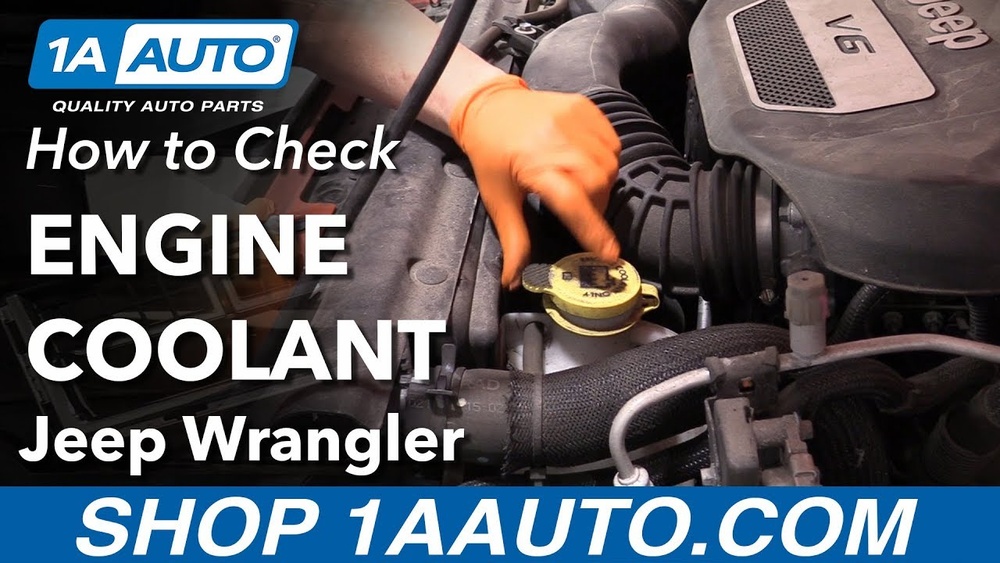
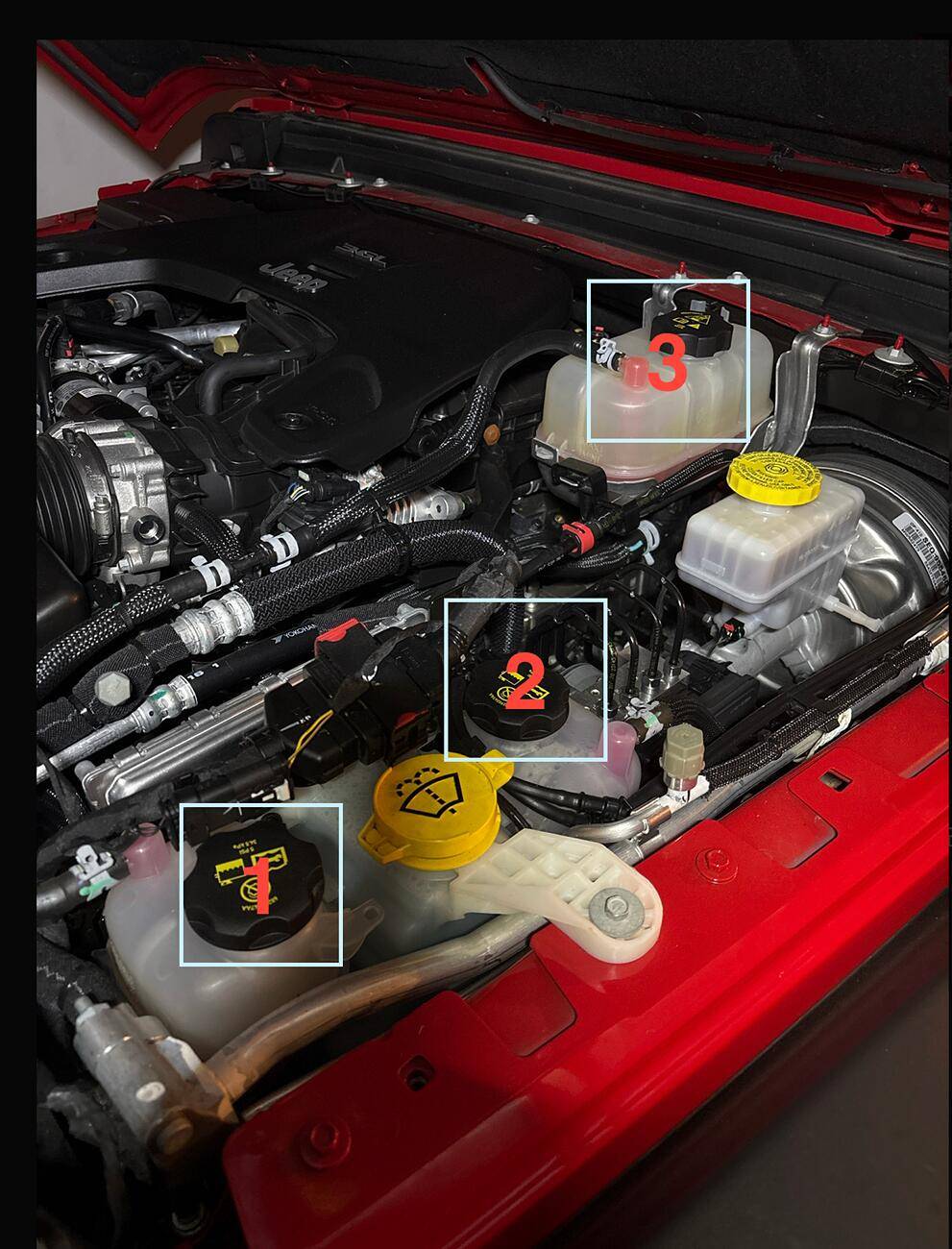
The place where you add antifreeze is called the coolant reservoir or overflow tank. In most Jeep Wrangler models (YJ, TJ, JK, JL), the reservoir is easy to find under the hood.
To locate it:
- Open the hood with the lever inside your Jeep.
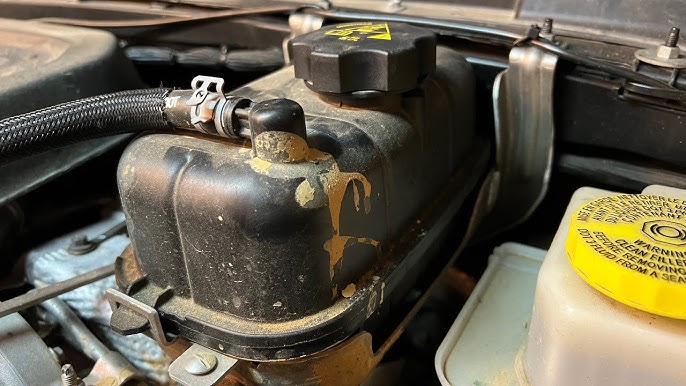
- Look for a translucent plastic tank near the radiator, usually marked with a cap labeled “Coolant” or “Engine Coolant.”
- The tank has min/max lines to show the correct level.
Here’s a quick comparison of reservoir locations by model:
| Model Year | Reservoir Location | Cap Label |
|---|---|---|
| YJ (1987–1995) | Front right, near battery | Coolant |
| TJ (1997–2006) | Front left, near radiator | Engine Coolant |
| JK (2007–2018) | Left side, behind radiator | Coolant |
| JL (2018–present) | Left front, near windshield washer | Coolant |
If you still can’t find it, check your owner’s manual or ask a mechanic.
How To Add Antifreeze To Your Jeep Wrangler
Adding antifreeze is simple, but you must follow some safety steps:
- Wait for the engine to cool. Never open the coolant cap when the engine is hot; hot liquid can spray out and burn you.
- Find the coolant reservoir. Clean the area if dirty.
- Remove the cap slowly. If you hear a hiss, wait a bit longer.
- Check the min/max lines. If the level is below “min,” you need to add antifreeze.
- Pour the correct type of antifreeze into the tank. Use a funnel to avoid spills.
- Fill until the liquid reaches the “max” line. Don’t overfill.
- Replace the cap firmly.
Most Jeep Wranglers need about 2–3 gallons of coolant for a full change, but for topping off, usually less than a quart.
Here’s a quick look at typical coolant capacity:
| Model | Engine Size | Coolant Capacity (Gallons) |
|---|---|---|
| YJ | 2.5L | 2.3 |
| TJ | 4.0L | 2.7 |
| JK | 3.6L | 2.8 |
| JL | 2.0L | 2.5 |
Common Mistakes When Adding Antifreeze
Many beginners make mistakes that can cause trouble. Here are two non-obvious things to watch for:
- Mixing coolant types: Never mix different colors or brands unless your manual says it’s safe. Mixing can cause sludge and damage.
- Ignoring leaks: If the coolant level drops quickly after topping off, check for leaks under the vehicle or around hoses.
Other mistakes:
- Overfilling the reservoir (can cause overflow)
- Using water instead of proper antifreeze (water alone doesn’t protect from freezing)
- Forgetting to check the level regularly
How Often Should You Check Or Change Antifreeze?
For most Jeep Wranglers, check the coolant level every 3,000 miles or during oil changes. Replace the antifreeze every 2–5 years or as recommended in your manual.
Climate matters. If you drive in very hot or cold places, check more often.
Signs Your Jeep Wrangler Needs Antifreeze
Look for these warning signs:
- Temperature gauge goes above normal
- Sweet smell inside or outside the car
- Visible leaks under your Jeep
- Heater stops working in winter
If you see any of these, check the coolant right away.
Practical Tips For Safe Maintenance
- Use a 50/50 mix of antifreeze and distilled water for best protection.
- Store unused antifreeze safely; it’s toxic to pets and humans.
- Dispose of old coolant at an auto shop or recycle center.
- Always use a funnel to avoid spills.
- Carry a small bottle of premixed coolant for emergencies.
Here’s a quick table comparing antifreeze types:
| Type | Color | Protection Range (°F) | Safety |
|---|---|---|---|
| Ethylene glycol | Green/Yellow | -34 to 265 | Toxic |
| Propylene glycol | Pink | -30 to 250 | Less toxic |
Frequently Asked Questions
<!– wp:rank-math/faq-block {"questions":[{"id":"faq-question-d2b38c63adfb","title":"Where Exactly Do I Put Antifreeze In My Jeep Wrangler?","content":"You add antifreeze to the coolant reservoir, a translucent plastic tank under the hood. It’s usually marked with “Coolant” or “Engine Coolant” on the cap.
“,”visible”:true},{“id”:”faq-question-657769dc5829″,”title”:”Can I Add Antifreeze Directly Into The Radiator?”,”content”:”Only if your Jeep doesn’t have a separate reservoir. Most modern Wranglers use a reservoir.
Adding directly to the radiator can cause spills and air pockets.
“,”visible”:true},{“id”:”faq-question-23c631941440″,”title”:”What Happens If I Use The Wrong Type Of Antifreeze?”,”content”:”Using the wrong type can cause engine damage, corrosion, or reduce cooling efficiency. Always use the type specified in your owner’s manual.
“,”visible”:true},{“id”:”faq-question-8beffec8992f”,”title”:”How Do I Know My Antifreeze Is Low?”,”content”:”Check the min/max lines on the reservoir. If the level is below “min,” it’s low. Also watch for warning signs like overheating or leaks.
“,”visible”:true},{“id”:”faq-question-b6034c15b28a”,”title”:”Can I Drive If My Coolant Is Low?”,”content”:”Driving with low coolant is risky. The engine can overheat, leading to costly repairs.
Top off antifreeze before driving, or call for help if you suspect a leak.
Keeping your Jeep Wrangler running strong means knowing where to put antifreeze and how to check it. These simple steps prevent breakdowns and protect your engine for years. For more details on vehicle maintenance, visit the official Jeep website. Regular checks and using the right antifreeze will keep you safe on the road and ready for your next adventure.
“,”visible”:true}]} –>Where Exactly Do I Put Antifreeze In My Jeep Wrangler?
You add antifreeze to the coolant reservoir, a translucent plastic tank under the hood. It’s usually marked with “Coolant” or “Engine Coolant” on the cap.
Can I Add Antifreeze Directly Into The Radiator?
Only if your Jeep doesn’t have a separate reservoir. Most modern Wranglers use a reservoir.
Adding directly to the radiator can cause spills and air pockets.
What Happens If I Use The Wrong Type Of Antifreeze?
Using the wrong type can cause engine damage, corrosion, or reduce cooling efficiency. Always use the type specified in your owner’s manual.
How Do I Know My Antifreeze Is Low?
Check the min/max lines on the reservoir. If the level is below “min,” it’s low. Also watch for warning signs like overheating or leaks.
Can I Drive If My Coolant Is Low?
Driving with low coolant is risky. The engine can overheat, leading to costly repairs.
Top off antifreeze before driving, or call for help if you suspect a leak.
Keeping your Jeep Wrangler running strong means knowing where to put antifreeze and how to check it. These simple steps prevent breakdowns and protect your engine for years. For more details on vehicle maintenance, visit the official Jeep website. Regular checks and using the right antifreeze will keep you safe on the road and ready for your next adventure.