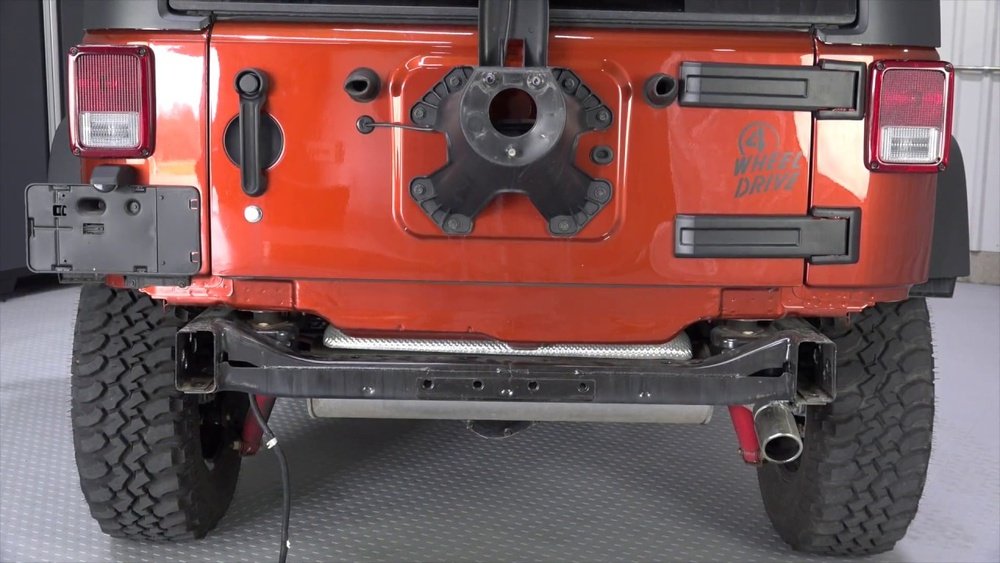
If you own a Jeep Cherokee, knowing where to jack up your vehicle is essential for safety and maintenance. Whether you want to change a tire, inspect the brakes, or perform routine checks, the right jack points can make all the difference.
Many beginners make mistakes here, risking both their safety and the vehicle’s condition. Let’s explore the safest spots, how to do it properly, and some practical tips that most guides miss.
Ideal Jack Points For Jeep Cherokee
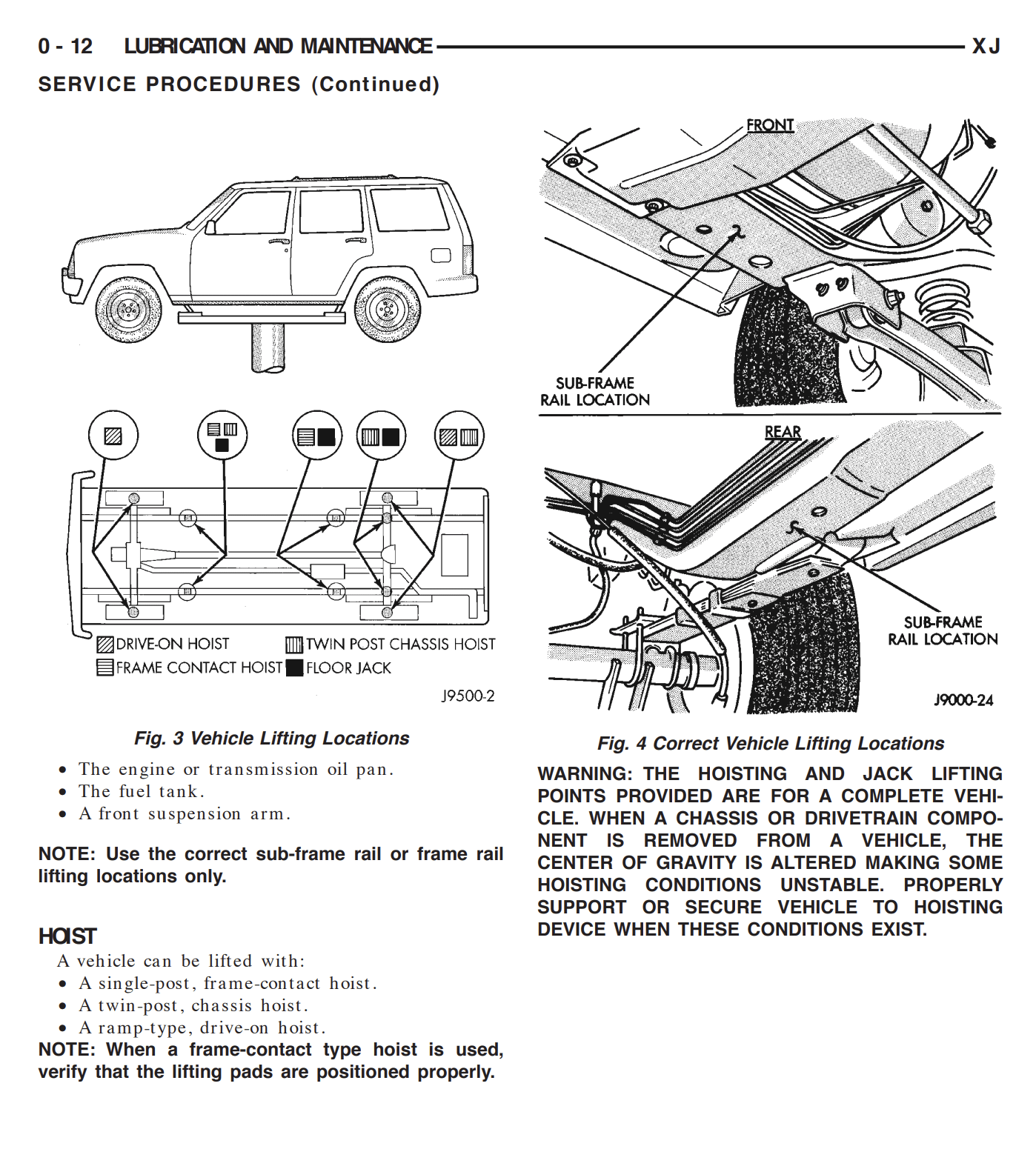
The Jeep Cherokee has specific areas designed for jacking, and using the wrong spot can bend metal or damage components. Always check your owner’s manual, but here are the main locations:
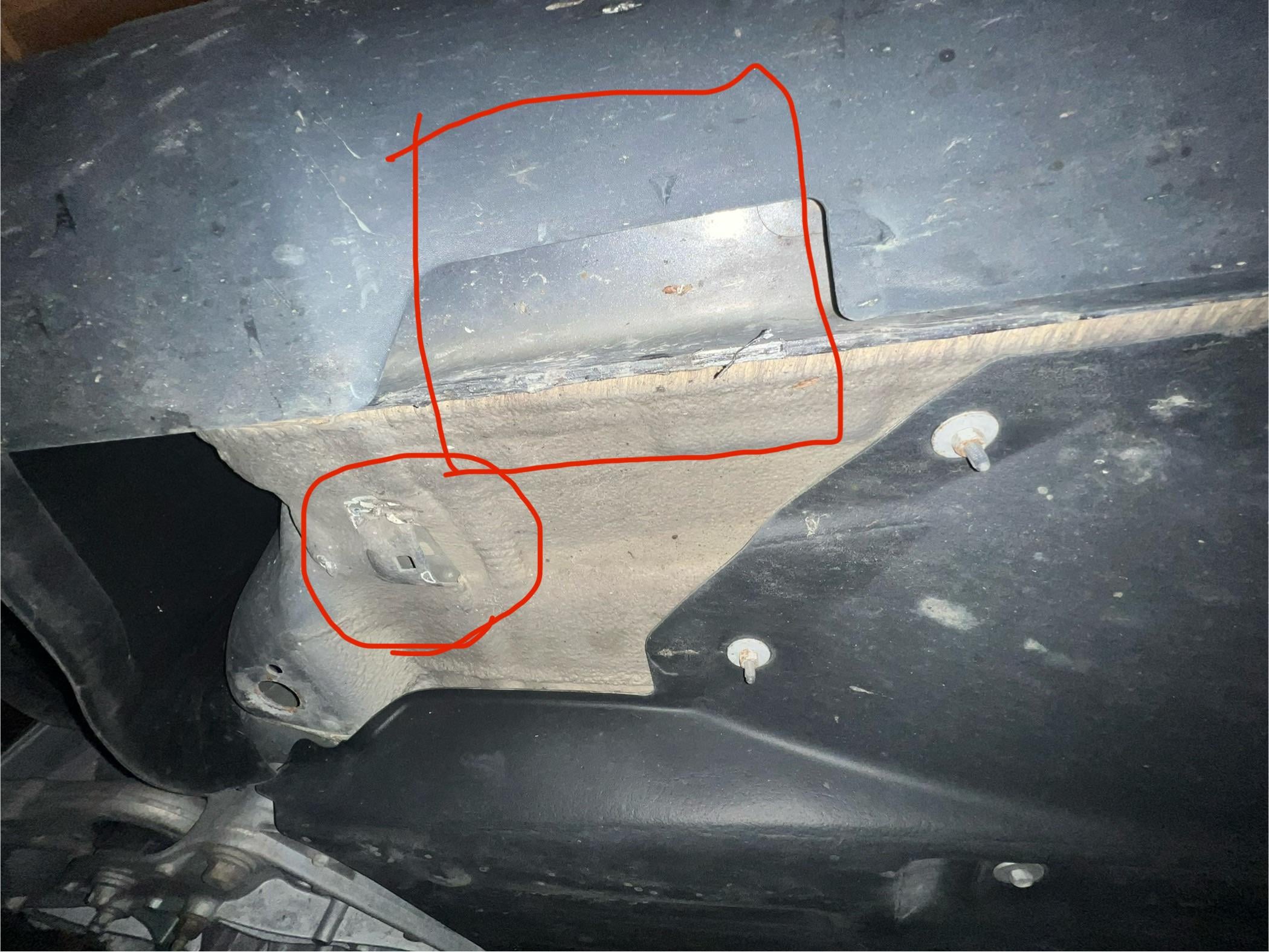
- Front pinch welds: These are reinforced metal strips under the rocker panels near the front wheels. They are strong enough for lifting.
- Rear pinch welds: Similar to the front, these are located behind the rear wheels.
- Frame rails: For heavy-duty jacks, the frame rails under the body (not the exhaust or suspension parts) offer stability.
- Factory recommended spots: Some Cherokees have small notches or arrows under the rocker panel marking the ideal jack points.
Comparison: Pinch Weld Vs. Frame Rail Jacking
Here’s a quick overview to help you choose the best option:
| Jack Point | Stability | Ease of Access | Risk of Damage |
|---|---|---|---|
| Pinch Weld | Moderate | Easy | High (if not careful) |
| Frame Rail | High | Medium | Low |
Frame rails provide more stability, but require a proper jack adapter. Pinch welds are easier but can get crushed without a rubber pad or adapter.
Step-by-step Guide: Jacking Up Safely
Before you start, gather the right tools: a hydraulic floor jack or scissor jack, jack stands, wheel chocks, and gloves. Here’s how to do it:
- Park on a flat surface: Never jack up your Jeep on a slope or soft ground. Concrete or asphalt is ideal.
- Engage the parking brake: Prevents rolling during the process.
- Place wheel chocks: Put them opposite the wheel you’re lifting.
- Locate the correct jack point: Check under the vehicle for pinch welds or frame rails.
- Position the jack: Make sure the saddle of the jack fits securely under the chosen point.
- Lift slowly: Raise the vehicle until the wheel clears the ground.
- Install jack stands: Always place stands under the frame rail or pinch weld for backup.
- Lower gently onto stands: Never rely solely on the jack.
Example: Changing A Front Tire
Suppose you need to change the front left tire. Place the jack under the front pinch weld nearest the wheel.
Lift until the tire is off the ground, then support with a jack stand under the frame rail for extra security.

Common Mistakes To Avoid
Many Jeep Cherokee owners overlook a few key details:
- Using the wrong jack point: Lifting on the floor pan, exhaust, or suspension can cause expensive damage.
- Skipping jack stands: Relying on the jack alone is risky; always use stands.
- Ignoring rust or corrosion: Jack points must be solid. If the metal is rusted, choose another spot.
- Not checking clearance: Low-profile jacks may not fit under Cherokees with aftermarket lift kits.
Data: Jacking Failures And Repairs
According to the National Highway Traffic Safety Administration (NHTSA), improper jacking causes thousands of injuries and over $50 million in vehicle damages annually.
| Issue | Estimated Annual Repairs | Average Repair Cost |
|---|---|---|
| Pinch Weld Damage | 10,000+ | $450 |
| Suspension Damage | 5,000+ | $1,200 |
| Frame Bending | 2,000+ | $2,500 |
Practical Tips Most Guides Miss
- Use a rubber pad: Placing a pad on the jack saddle protects pinch welds from crushing.
- Check for factory marks: Look for arrows or notches under the body; these are safer than guessing.
- Test stability before lifting fully: Push the jack gently to ensure it’s secure before raising the vehicle.
- Avoid lifting both sides at once: Always jack up one wheel at a time unless using a professional lift.
- Inspect jack stands regularly: Worn or rusty stands can collapse.
When To Use Professional Help
If your Jeep Cherokee has heavy rust, modified suspension, or you’re unsure of the correct jack point, consult a mechanic. Some repairs require special lifts or tools, especially for newer models with unique underbody layouts.
Table: Professional Vs. Diy Jacking
| Aspect | DIY | Professional |
|---|---|---|
| Cost | Low | Medium-High |
| Safety | Moderate | High |
| Time | Quick | Varies |
| Expertise Needed | Basic | Advanced |
Expert Insight: Why Choosing The Right Spot Matters
Most beginners think any solid spot will do, but the Jeep Cherokee’s design means that wrong choices can cause more than just dents. Jacking up at suspension parts can misalign your wheels, making driving dangerous. Using the floor pan can lead to leaks or weakened structural integrity.
Non-obvious insight: Some aftermarket rock sliders or steps can look like strong jack points but aren’t always reinforced for lifting. Always check their specifications.
Another tip: After jacking, inspect the area for any paint chips or metal bends. Minor damage can lead to rust over time.