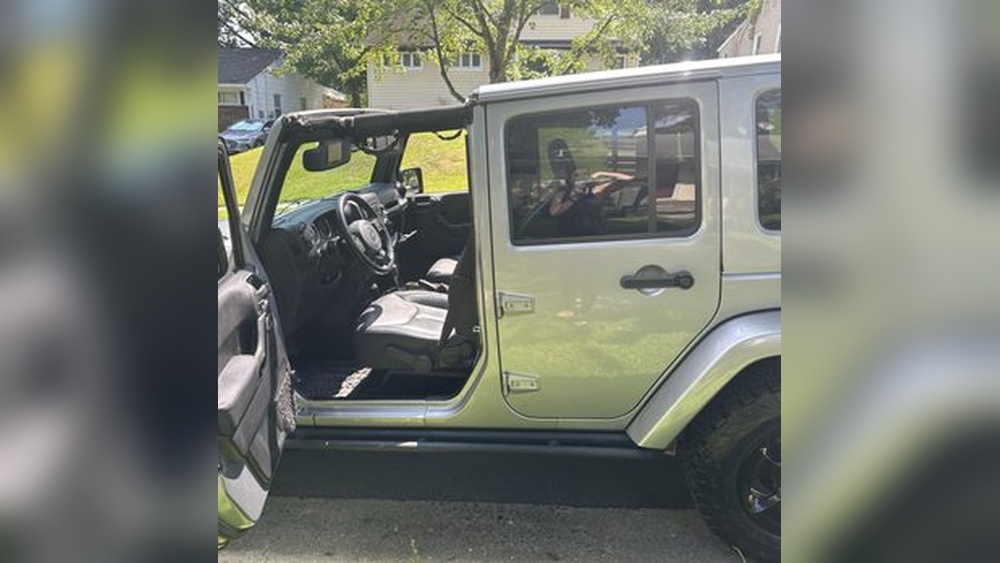
If you own a Jeep Wrangler JL, you probably love its ruggedness and off-road abilities. But even the toughest vehicles need maintenance, and sometimes you must jack up your Jeep for repairs or upgrades. Lifting a Wrangler JL isn’t as simple as picking any spot under the frame. Choosing the right jack points is critical for safety and to avoid damaging key components. Let’s walk through exactly where to jack up your Jeep Wrangler JL, what tools to use, and common mistakes to avoid.
Understanding Jeep Wrangler Jl Jack Points
The Jeep Wrangler JL has a body-on-frame design. This means the frame supports most of the vehicle’s weight, not the body panels or undercarriage. Using the wrong lift point can bend, crack, or even puncture important parts. Always look for the solid metal frame rails or designated jacking spots.
Factory-recommended Jack Locations
Jeep provides clear guidance in the owner’s manual for safe jacking. The main jack points are:
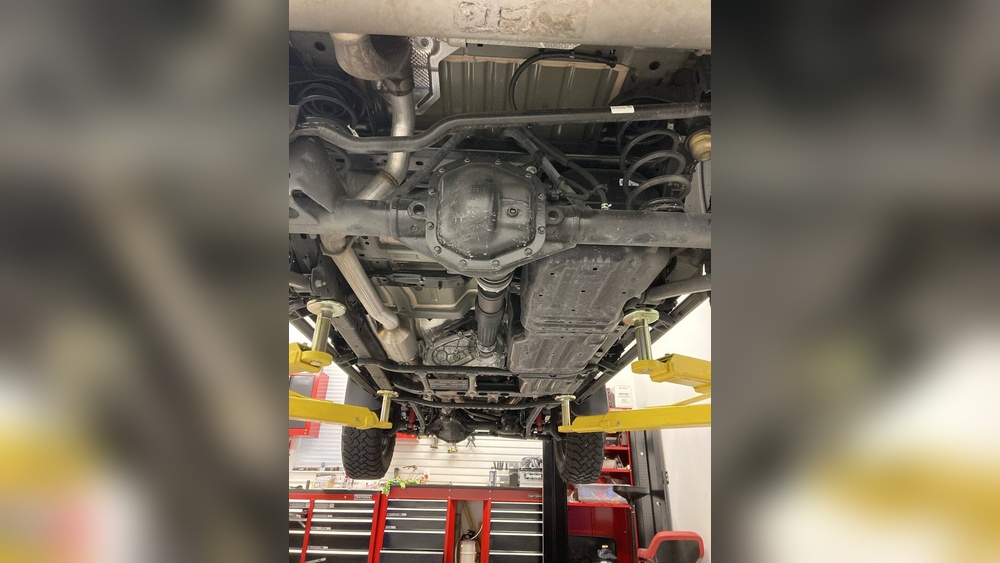
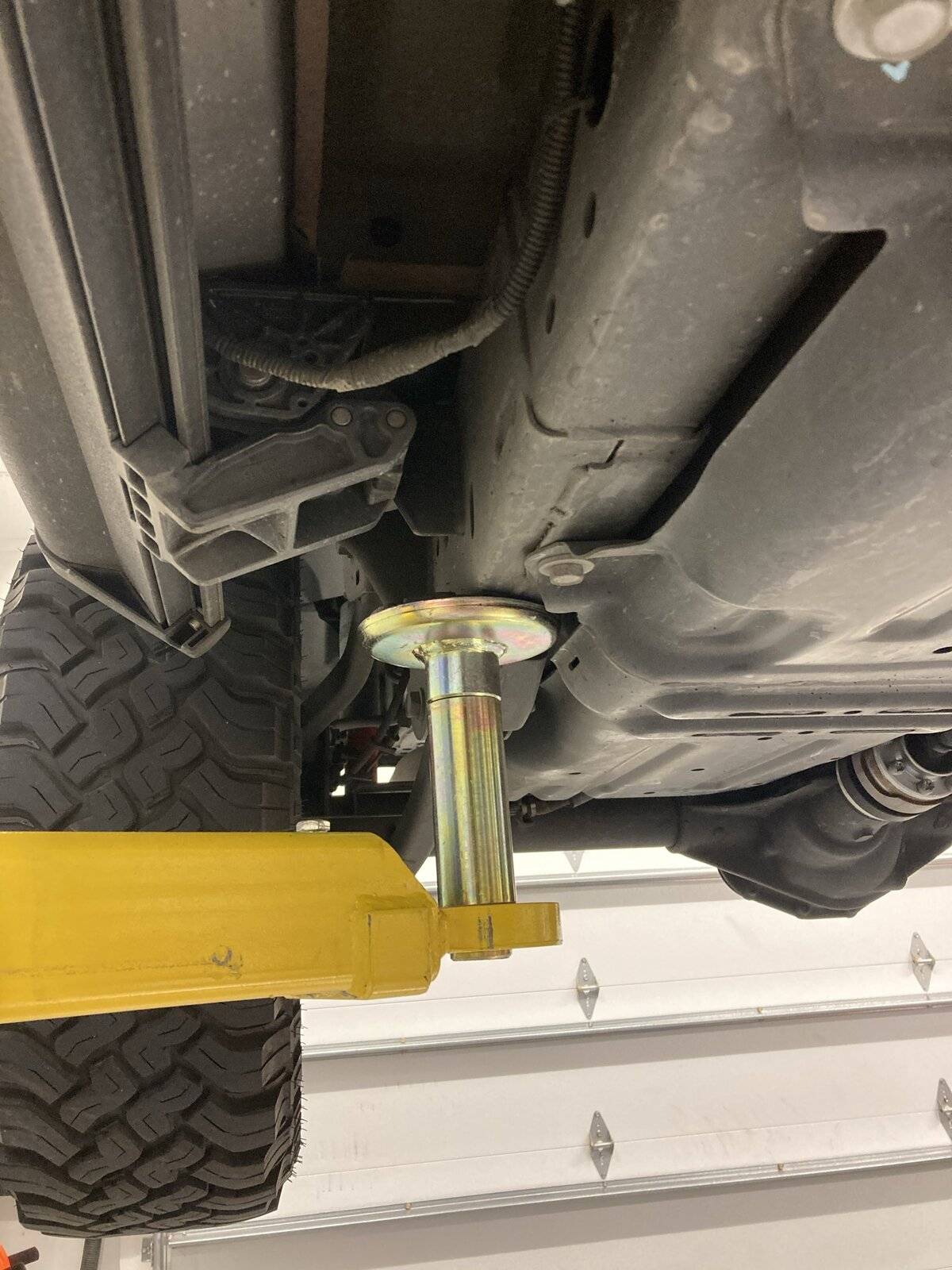
- Front frame rails: Located just behind the front wheels, you’ll find reinforced metal sections running parallel to the body. These are wide, flat, and strong—ideal for lifting.
- Rear frame rails: Just in front of the rear wheels, similar reinforced areas are found. These are often close to the rear axle but not directly underneath it.
Avoid jacking under thin sheet metal, the oil pan, fuel tank, suspension arms, or body panels. These parts are not designed to hold the vehicle’s weight.
Step-by-step: How To Safely Jack Up A Wrangler Jl
- Park on level ground: Set your parking brake and put the transmission in park or gear. Block the wheels opposite to where you’ll be lifting.
- Locate the correct jack point: Double-check you’re on the frame rail, not a suspension or body part.
- Position your jack: Slide the jack under the frame rail, aligning the lifting pad with the flat area.
- Lift slowly: Pump the jack handle in slow, steady motions. Watch the contact point for any slipping or bending.
- Place jack stands: Once lifted, set jack stands under the frame near the jack, never under suspension arms. Lower the Jeep onto the stands for extra safety.
- Double-check stability: Gently push the vehicle to test if it’s secure before working underneath.
Here’s a quick comparison of front vs rear jack points for clarity:
| Location | Best Jack Point | Avoid Lifting From |
|---|---|---|
| Front | Frame rail behind front wheel | Control arms, oil pan, body panels |
| Rear | Frame rail in front of rear wheel | Axle tubes, fuel tank, exhaust |
Choosing The Right Jack For A Jeep Wrangler Jl
Not all jacks are created equal. The Wrangler JL is heavy—often over 4,000 pounds. Your jack must be strong and stable enough for the job.
Types Of Jacks
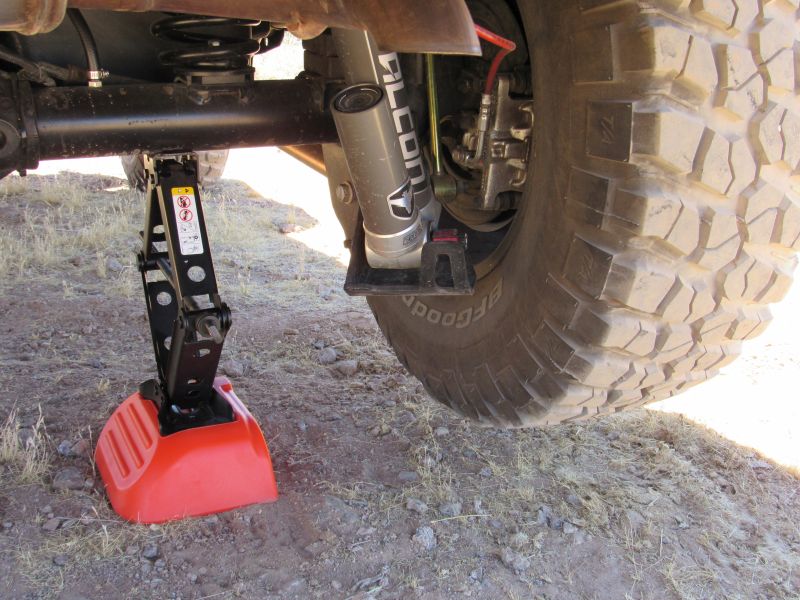
- Scissor jack: Included with the factory tool kit, best for emergency tire changes. Not ideal for regular maintenance.
- Hydraulic floor jack: Offers better stability, higher lifting capacity, and easier operation. Choose one rated for at least 3 tons.
- Hi-Lift jack: Useful off-road, but can be unstable on flat garage floors.
Here’s a basic data comparison for common jack types:
| Jack Type | Max Capacity | Best Use Case |
|---|---|---|
| Scissor Jack | 1.5-2 tons | Emergency tire change |
| Floor Jack | 3+ tons | Garage repairs, upgrades |
| Hi-Lift Jack | Up to 7,000 lbs | Off-road, recovery |
Always use a jack stand rated for at least your Jeep’s weight. Never trust a hydraulic or scissor jack to hold the vehicle while working underneath.
Common Mistakes To Avoid
Many Jeep owners make errors when jacking up their vehicle. Some of these can cause serious injury or costly damage.
- Using suspension parts as jack points: The control arms or axles are not designed to hold the full weight. This can bend suspension components or cause a sudden slip.
- Jacking on sloped or soft ground: Jacks can shift or sink, leading to unstable lifting.
- Relying on the jack alone: Always use jack stands for added security.
- Not checking for clearance: Large tires or lift kits may need a taller jack or jack extensions.
- Skipping the owner’s manual: Every Wrangler JL may have slight variations. Always confirm with your manual.
Here’s a quick checklist to follow every time you lift your Jeep:
- Check the owner’s manual for exact jack points.
- Use only solid, reinforced sections of the frame.
- Never crawl under a Jeep supported by a jack alone.
- Block wheels to prevent rolling.
Special Situations: Off-road And Lifted Jeeps
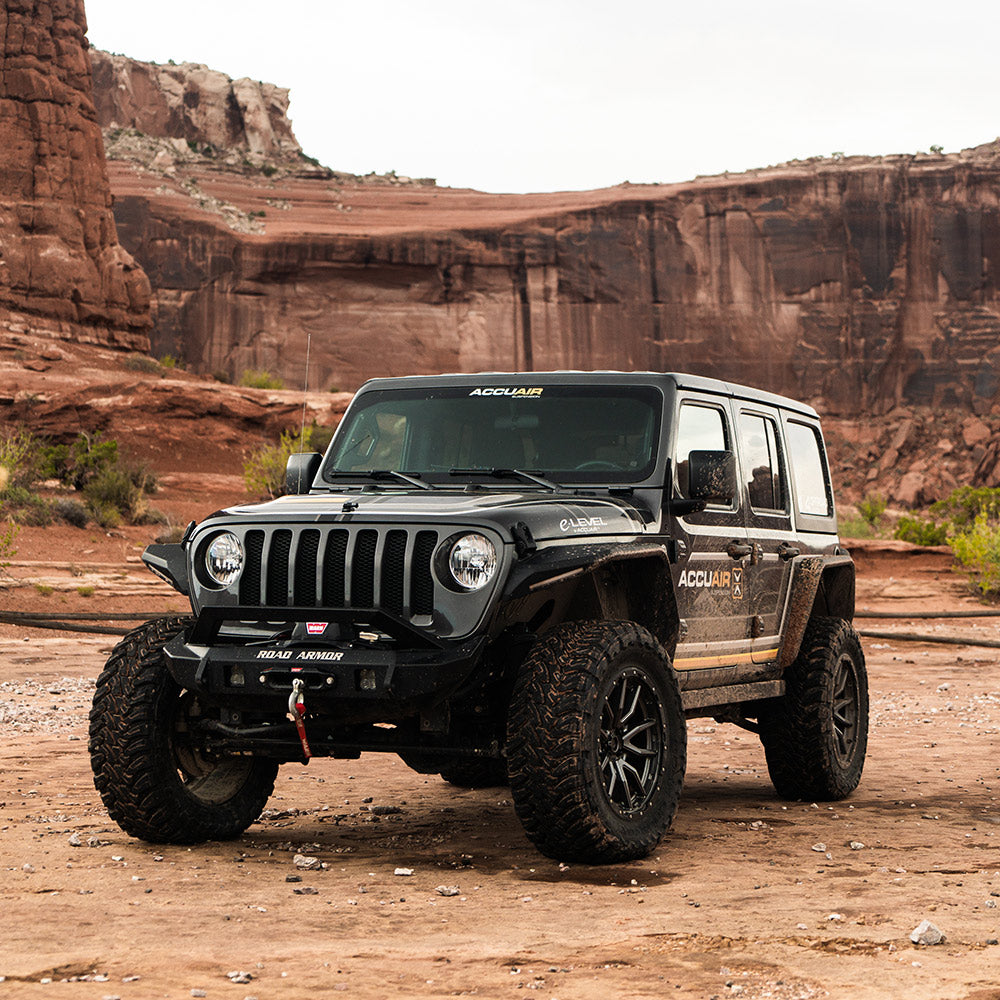
If your Wrangler JL has a lift kit or larger tires, the factory jack may not reach. In these cases:
- Use a high-lift or off-road jack with proper accessories.
- Consider jack extensions for extra height.
- Always place a solid base under the jack to prevent sinking into mud or sand.
Some aftermarket bumpers or sliders have integrated jack points. Check with your parts manufacturer to see if these are rated for vehicle lifting.
Practical Tips For Safe Jacking
- Inspect the frame rails for rust or damage before lifting.
- Keep a work light handy to better see jack points, especially at night or in low light.
- Carry a jack pad or piece of wood if you’ll be jacking on dirt or gravel.
- Practice changing a tire at home before heading on a long trip.
Many accidents happen because people rush or use poor technique. Take your time, double-check every step, and don’t skip safety gear.
Frequently Asked Questions
Where Are The Safest Jack Points On A Jeep Wrangler Jl?
The safest jack points are the frame rails directly behind the front wheels and in front of the rear wheels. These reinforced areas are designed to support the vehicle’s full weight during lifting.
Can I Use The Axle To Jack Up My Wrangler Jl?
It’s best to avoid lifting from the axle tubes. The manufacturer recommends lifting from the frame rails to prevent bending or damaging the axle. Only use the axle for quick tire changes if the manual specifically allows it.
What Size Floor Jack Do I Need For A Jeep Wrangler Jl?
A 3-ton floor jack is recommended for the Wrangler JL. This provides enough capacity and stability, even if your Jeep is loaded with gear or aftermarket parts.
Do I Need Jack Stands For A Tire Change?
For a quick tire change, you can use just the jack. However, if you’ll be working under the Jeep or doing more involved repairs, always use jack stands for safety.
Where Can I Find More Detailed Information On Jeep Jacking Procedures?
For the latest and most reliable details, consult your owner’s manual or visit the official Jeep website.
Jacking up your Jeep Wrangler JL safely is simple if you follow the right steps and respect the vehicle’s unique design. With the right tools and a careful approach, you can tackle repairs, upgrades, and emergencies with confidence.