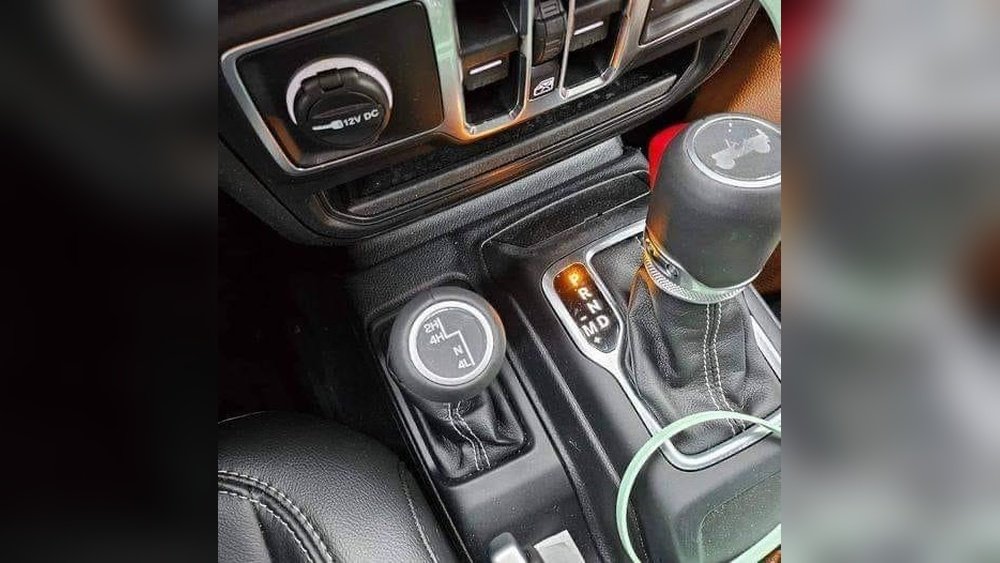
If you drive a Jeep Grand Cherokee, keeping your transmission fluid at the right level is essential for smooth shifting and a long-lasting transmission. Many owners feel unsure about where to add transmission fluid or how to check it correctly.
Let’s walk through the process, clear up confusion, and help you maintain your Jeep with confidence.
Understanding Jeep Grand Cherokee Transmission Types
Before adding fluid, you need to know which transmission your Grand Cherokee uses. Over the years, Jeep has used both automatic and manual transmissions, but most modern Grand Cherokees are automatic.
Here’s a quick comparison of common transmission types by model year:
| Model Year | Transmission Type | Fluid Capacity (quarts) |
|---|---|---|
| 1999-2004 | 42RE (Automatic) | 4.0 – 4.5 |
| 2005-2010 | 545RFE (Automatic) | 6.6 – 7.4 |
| 2011-2021 | 8HP70 (Automatic) | 8.5 – 9.0 |
Always check your owner’s manual or the sticker under the hood to confirm your specific transmission.
Where To Add Transmission Fluid In A Jeep Grand Cherokee
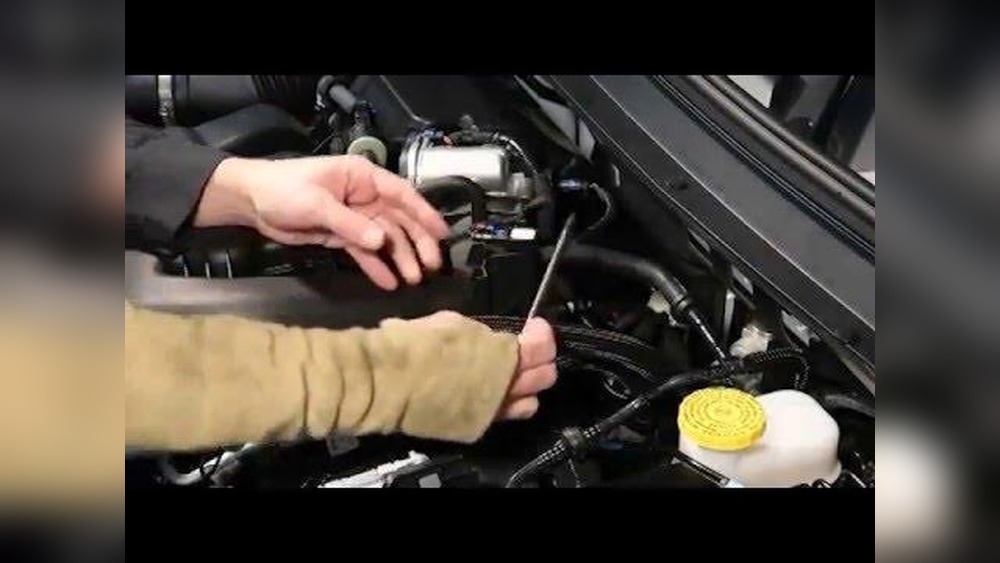
Most Grand Cherokees have a transmission dipstick tube under the hood. This is where you add fluid. However, some newer models (especially 2014 and up with the ZF 8-speed transmission) do not have a dipstick at all. Instead, they have a sealed transmission system.
For Models With A Dipstick
- Locate the dipstick: It’s usually at the back of the engine bay, labeled “Transmission.”
- Check the fluid: With the engine running and at normal temperature, pull the dipstick, wipe it, insert it back fully, then pull it again to check the level.
- Add fluid: If low, insert a funnel into the dipstick tube and slowly pour in the recommended ATF (Automatic Transmission Fluid).
For Models Without A Dipstick
Many 2014+ Grand Cherokees have a sealed transmission. Here, you must fill and check fluid from under the vehicle using a special fill plug.
- Lift the vehicle: Use jack stands for safety.
- Locate the fill plug: It’s on the side of the transmission pan.
- Add fluid: Remove the plug and use a pump to add fluid until it starts to drip out, then replace the plug.
If you’re not comfortable working under your car, it’s best to let a professional handle this.
Here’s a quick overview:
| Model Year | Dipstick Present? | Add Fluid Location |
|---|---|---|
| 1999-2013 | Yes | Dipstick Tube (under hood) |
| 2014+ | No | Transmission Fill Plug (under vehicle) |

Step-by-step Guide To Adding Transmission Fluid
If your Jeep has a dipstick, follow these steps:
- Warm up the vehicle by driving for 10-15 minutes.
- Park on level ground and set the parking brake.
- Keep the engine running and shift through all gears, ending in “Park.”
- Open the hood and find the transmission dipstick.
- Check the fluid as described above.
- If low, add fluid: Use only the recommended type (often ATF+4 or equivalent).
- Add small amounts at a time, checking the level after each addition.
- Do not overfill: Too much fluid can cause shifting problems or leaks.
If your Jeep has a sealed system, the safest option is to visit a service shop. However, experienced DIYers can fill from the transmission plug as explained earlier.
Common Mistakes To Avoid
- Using the wrong fluid type. Always double-check your manual.
- Overfilling the transmission, which can cause foaming and damage.
- Adding fluid when the engine is cold or not running (for most models).
How Often Should You Check Or Add Transmission Fluid?
Jeep recommends checking your transmission fluid every 30,000 miles or once a year, whichever comes first. However, if you notice rough shifting, slipping, or a burning smell, check the fluid immediately.
Sealed transmissions are designed to be “lifetime fill,” but this doesn’t mean you never need to check them. Many experts recommend a fluid check at 60,000 miles for these units.

Choosing The Right Transmission Fluid
Not all fluids are the same. Using the wrong one can cause damage or void your warranty. Here’s a quick look at which fluid types fit popular Grand Cherokee transmissions:
| Transmission | Recommended Fluid |
|---|---|
| 42RE, 545RFE | ATF+4 |
| 8HP70 (ZF 8-Speed) | Mopar ZF 8 & 9 Speed ATF |
Check the back of the bottle for Chrysler approval or visit an official source like the Mopar website.
Real-world Tips For Jeep Owners
Many owners forget to check transmission fluid until there’s a problem. Don’t wait for symptoms. Checking fluid is quick and can save you thousands in repairs.
A common mistake is confusing the engine oil dipstick with the transmission dipstick. Transmission dipsticks are often red or yellow and clearly labeled. If in doubt, check your manual.
For sealed transmissions, don’t assume “lifetime” means forever. Driving in hot climates, towing, or city stop-and-go use all increase wear and may require earlier fluid changes.

Frequently Asked Questions
<!– wp:rank-math/faq-block {"questions":[{"id":"faq-question-8a59142d17cb","title":"Where Is The Transmission Dipstick On A Jeep Grand Cherokee?","content":"For most 1999–2013 models, the transmission dipstick is at the back of the engine bay, usually marked “ATF” or “Transmission.” For 2014 and newer models, there is no dipstick; fluid is checked and added from under the vehicle.
“,”visible”:true},{“id”:”faq-question-be97654df9ce”,”title”:”Can I Add Transmission Fluid Through The Engine Oil Fill Cap?”,”content”:”No. Transmission fluid must be added through the transmission dipstick tube (if present) or the fill plug under the vehicle, not through the engine oil cap. Mixing fluids can cause major damage.
“,”visible”:true},{“id”:”faq-question-4e39b4e6803e”,”title”:”How Do I Know If My Jeep Needs Transmission Fluid?”,”content”:”Look for signs like delayed shifting, slipping gears, or a burning smell. Also, check for warning lights or messages on the dashboard. Regular checks prevent most issues.
“,”visible”:true},{“id”:”faq-question-970cdfcc5410″,”title”:”What Happens If I Overfill My Transmission?”,”content”:”Too much fluid can cause foaming, erratic shifting, and even leaks. If you overfill, have the excess removed as soon as possible.
“,”visible”:true},{“id”:”faq-question-afeef85eff28″,”title”:”Do I Need To Change The Filter When Adding New Transmission Fluid?”,”content”:”If you’re doing a complete fluid change, it’s smart to replace the filter. For a simple top-off, it’s not required, but always follow the maintenance schedule for your Jeep.
Keeping your Jeep Grand Cherokee transmission fluid at the right level is a small task that makes a big difference. With a bit of attention and the right steps, you’ll keep your SUV running smoothly for years.
“,”visible”:true}]} –>Where Is The Transmission Dipstick On A Jeep Grand Cherokee?
For most 1999–2013 models, the transmission dipstick is at the back of the engine bay, usually marked “ATF” or “Transmission.” For 2014 and newer models, there is no dipstick; fluid is checked and added from under the vehicle.
Can I Add Transmission Fluid Through The Engine Oil Fill Cap?
No. Transmission fluid must be added through the transmission dipstick tube (if present) or the fill plug under the vehicle, not through the engine oil cap. Mixing fluids can cause major damage.
How Do I Know If My Jeep Needs Transmission Fluid?
Look for signs like delayed shifting, slipping gears, or a burning smell. Also, check for warning lights or messages on the dashboard. Regular checks prevent most issues.
What Happens If I Overfill My Transmission?
Too much fluid can cause foaming, erratic shifting, and even leaks. If you overfill, have the excess removed as soon as possible.
Do I Need To Change The Filter When Adding New Transmission Fluid?
If you’re doing a complete fluid change, it’s smart to replace the filter. For a simple top-off, it’s not required, but always follow the maintenance schedule for your Jeep.
Keeping your Jeep Grand Cherokee transmission fluid at the right level is a small task that makes a big difference. With a bit of attention and the right steps, you’ll keep your SUV running smoothly for years.