Many Jeep Wrangler owners find themselves searching for the jack when they need to change a tire or perform simple maintenance. The location isn’t always obvious, especially for new drivers or people buying a used Wrangler. Knowing exactly where to look can save time, reduce stress, and help you prepare for emergencies. Let’s explore the details so you can find your Jeep Wrangler’s jack quickly and use it confidently.
Where Is The Jack In A Jeep Wrangler?
Jeep Wrangler models have a dedicated spot for their factory jack. This spot is designed to keep the jack safe from damage and easy to access, but the location changes slightly based on the model year.
Jack Location By Model Year
Most Wranglers follow a similar pattern, but here’s a quick overview:
| Model Year | Jack Location | Access Method |
|---|---|---|
| 1987–2006 (YJ/TJ) | Under rear seat or cargo area | Lift seat or open cargo panel |
| 2007–2017 (JK) | Rear cargo floor, under carpet | Remove carpet panel |
| 2018–present (JL) | Rear cargo area, right side compartment | Open plastic cover |
If you own a JK or JL model, you’ll find the jack in the rear cargo area. For older YJ/TJ models, look under the rear seat or inside the cargo compartment. Always check your owner’s manual for the exact location.
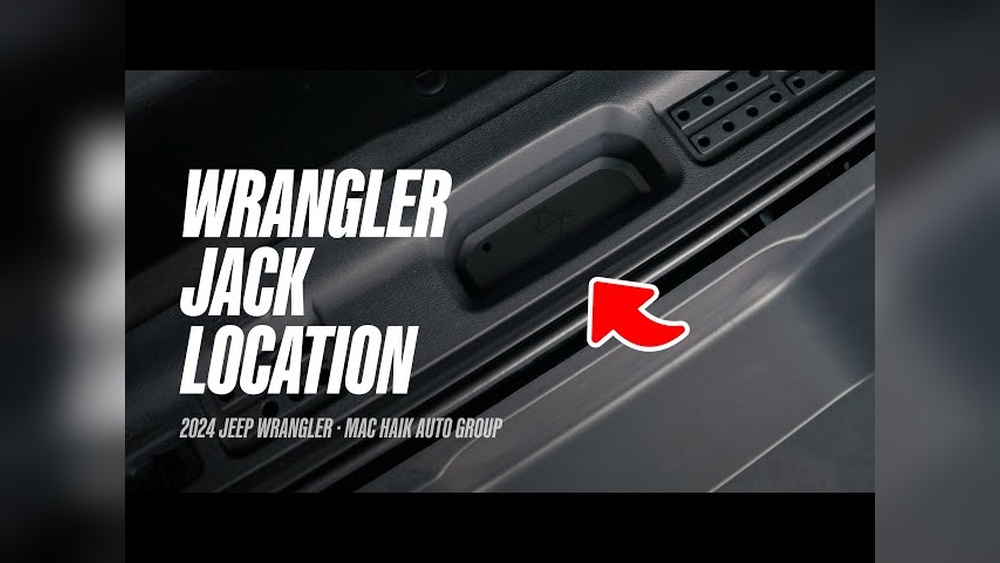
Visual Example: 2018-present Jl Wrangler
For the latest JL models, the jack is hidden behind a plastic cover on the right side of the cargo area. Simply pull the cover open, and you’ll see the jack secured with a bracket.
The tools, such as the lug wrench and jack handle, are also stored nearby.
How To Access And Use The Jeep Wrangler Jack
Finding the jack is only the first step. Using it safely is just as important, especially if you’ve never changed a tire before.
Step-by-step Access
- Open the rear cargo door.
- Locate the plastic compartment on the right side (JL) or under the cargo floor (JK).
- Remove the cover or lift the carpet panel.
- Unscrew the bracket or release the securing strap.
- Take out the jack and the tools.
For YJ and TJ models, you may need to lift the rear seat or open a panel in the cargo area.
Jacking Up Your Wrangler
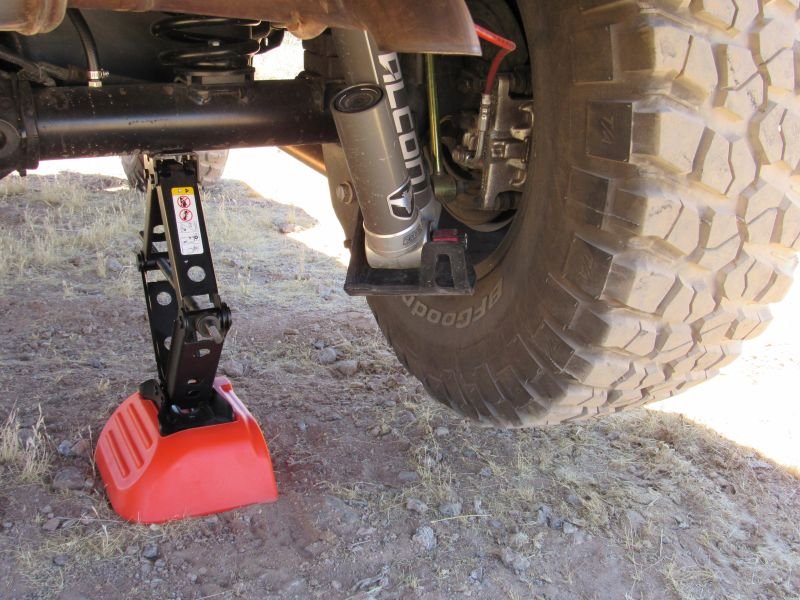
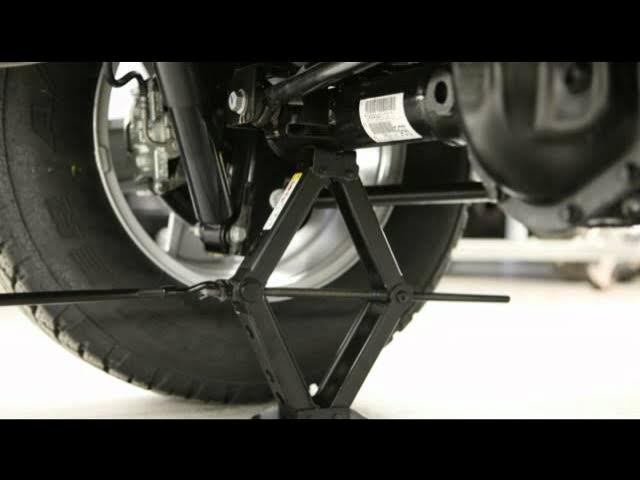
Jeep Wranglers use a scissor jack or a bottle jack depending on the model year. The factory jack is strong enough for stock tires but may not work with oversized wheels or aftermarket lifts.
| Jack Type | Typical Height Range | Best For |
|---|---|---|
| Scissor Jack | 4–15 inches | Stock Wranglers |
| Bottle Jack | 8–18 inches | Lifted Wranglers |
Never place the jack under plastic or thin metal. Always use the frame rail near the tire you want to change.
Safety Tips And Common Mistakes
Safety is critical when using a jack. Even small mistakes can lead to accidents or vehicle damage.
- Park on level ground before jacking up your Jeep.
- Engage the parking brake and put the transmission in park or first gear.
- Place wheel chocks under tires that stay on the ground.
- Position the jack under the frame rail—not under suspension parts.
- Lift only enough to remove the tire—never go higher than needed.
Many beginners forget to check the jack’s weight rating. The factory jack handles the Wrangler’s weight, but extra gear or modifications can exceed this. If you’ve added heavy bumpers or bigger tires, consider upgrading your jack.
Another common mistake is using the wrong jacking point. Always consult your Jeep manual or check online guides if you’re unsure.
Alternatives To The Factory Jack
Some Wrangler owners swap the factory jack for a high-lift jack or a heavy-duty bottle jack. These alternatives offer more height and stability for lifted vehicles or off-road tires.
| Jack Type | Pros | Cons |
|---|---|---|
| High-Lift Jack | High reach, good for off-road | Heavy, needs special mounting |
| Bottle Jack | Compact, stable | Limited height for extreme lifts |
| Scissor Jack | Lightweight, easy to store | May not fit lifted Jeeps |
If you upgrade your jack, make sure it fits your Jeep’s weight and storage space. Many off-road groups recommend carrying a high-lift jack for emergencies, but you’ll need a secure mounting point.
A few things most beginners miss:
- The factory jack is often removed by previous owners. If you buy a used Wrangler, check if the jack is still there.
- The jack and tools are often stored in a foam insert or behind straps, not just loose in the compartment.
- Some aftermarket bumpers block the factory jacking points. Always check your setup before heading off-road.
If you’re planning long trips or off-roading, consider carrying a jack extension. This small accessory lets you safely lift your Jeep with bigger tires or suspension lifts.
For more in-depth Jeep Wrangler maintenance tips, visit Jeep Official Site.
Frequently Asked Questions
Where Exactly Is The Jack In A 2018 Jeep Wrangler Jl?
The jack is in the rear cargo area on the right side, hidden behind a plastic cover. Open the cover to find the jack and tools.
Can I Use The Factory Jack For Oversized Tires?
The factory jack may not lift your Jeep high enough if you have oversized tires or a lift kit. Many owners switch to a high-lift jack or a bigger bottle jack.
What Tools Are Included With The Jeep Wrangler Jack?
You get a jack, a lug wrench, and a jack handle. Some models also include a foam insert or straps to keep everything organized.
Is It Safe To Jack Up My Wrangler On Uneven Ground?
It’s not safe. Always use the jack on level, firm ground. If you’re off-road, try to find a flat spot or use a jack base for stability.
What Should I Do If My Factory Jack Is Missing?
Buy a replacement jack from Jeep or an aftermarket supplier. Make sure it fits your Wrangler’s weight and storage area.
Knowing where the jack is in your Jeep Wrangler and how to use it means you’re ready for emergencies and everyday tire changes.
Always check your vehicle before heading out, and consider upgrading your tools if you drive off-road or have a lifted Jeep.
Stay prepared, and your Wrangler will take you wherever you need to go.