Every driver wants to feel safe when reversing, especially in a vehicle like the Jeep Wrangler. This rugged SUV is built for adventure, but its boxy shape and high spare tire can make backing up tricky.
That’s why the backup camera has become a must-have feature for Jeep owners. If you’re searching for the exact location of the backup camera on your Jeep Wrangler, you’re not alone.
Many people miss it at first glance because it’s not in the usual spot.
Backup Camera Location On Jeep Wrangler
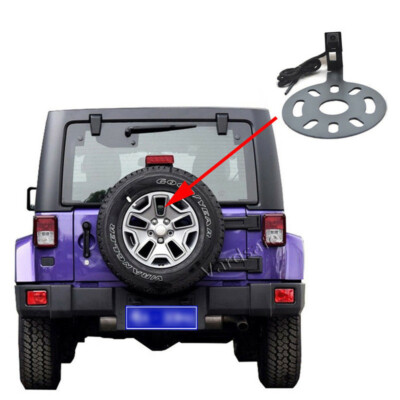
On most modern Jeep Wrangler models (2018 and newer), the backup camera is found in a unique place. Instead of sitting near the license plate like many other cars, the Wrangler’s camera is installed right in the center of the spare tire at the rear.
This placement isn’t just for style. By placing the camera in the middle of the spare, Jeep ensures a clear, wide view behind the vehicle.
It avoids being blocked by the tire itself or the tailgate. If you look closely at the spare tire, you’ll see a small lens, usually surrounded by a protective housing.
Older Wranglers (before 2018) don’t have a factory-installed backup camera. Some owners add aftermarket cameras, which are often installed near the license plate or on the bumper.
The camera position can change depending on the kit, but the factory design for recent models is always inside the spare tire.
Why Jeep Chose The Spare Tire Location
Jeep had several reasons for this smart design choice:
- Visibility: The camera’s central position gives a balanced, panoramic view. You can see obstacles directly behind and to the sides.
- Protection: The spare tire offers extra shielding. The camera is less likely to get damaged by mud, rocks, or bumps.
- Easy Installation: The wiring runs through the tailgate, making it simpler to service or replace.
Here’s a quick comparison with other vehicle backup camera placements:
| Vehicle Type | Camera Location | Visibility |
|---|---|---|
| Jeep Wrangler | Spare tire center | Wide, unobstructed |
| SUV (general) | Near license plate | Often blocked by tire or bumper |
| Sedan | Above license plate | Clear, but lower angle |

How To Find And Access The Backup Camera
To spot the camera, walk to the rear of your Wrangler and look at the middle of the spare tire. You’ll see a small round lens.
It’s usually protected by a plastic cover or bracket. If your Wrangler has a rearview monitor, shifting into reverse will activate the camera and display the view on your dashboard screen.
If you need to access or clean the camera:
- Open the tailgate.
- Check the back of the spare tire for the camera housing.
- Gently wipe the lens with a soft cloth.
- Avoid using abrasive cleaners.
If you plan to remove the spare tire, you’ll need to disconnect the camera cable first. This is important because pulling the tire off without unplugging the camera can damage the wiring.
Backup Camera Features And Performance
Jeep’s backup camera is more than just a lens. It comes with several useful features:
- Guidelines: Colored lines help you judge distance and steer when reversing.
- Night vision: LED lights or infrared sensors allow clear views at night.
- Wide-angle lens: Covers a broad area behind the SUV.
Recent models have high-resolution cameras, making it easy to spot small objects or pets. Here’s a quick comparison between Wrangler models:
| Year | Camera Resolution | Features |
|---|---|---|
| 2018–2020 | 720p | Guidelines, night vision |
| 2021–2024 | 1080p | Guidelines, improved night vision, wider angle |
Common Backup Camera Problems
Even with its smart design, the backup camera can have issues:
- Dirty Lens: Mud, dust, or rain can blur the image. Cleaning regularly helps.
- Cable Damage: If the spare tire is removed or hit, the wiring may break.
- Display Issues: Sometimes, the camera works, but the dashboard screen stays black.
If you notice problems, check the connections and lens first. Many issues can be solved by simple cleaning or reconnecting cables.
If not, a visit to your Jeep dealer or a certified mechanic may be needed.
Tips For Maintaining Your Wrangler’s Backup Camera
To keep your backup camera working well:
- Clean the lens often, especially after off-road trips.
- Check the camera housing for cracks or damage.
- Avoid strong water pressure directly on the lens when washing your Jeep.
- Inspect the wiring if you remove the spare tire.
Many owners skip these steps and end up with blurry images or broken cameras. Regular checks can save money and trouble.
Upgrading Or Replacing The Backup Camera
If you want a better camera or need a replacement, choose a model designed for the Wrangler. Many aftermarket options fit inside the spare tire bracket.
Some offer higher resolution or extra features, like adjustable guidelines.
When installing a new camera:
- Make sure it’s compatible with your Wrangler’s year and trim.
- Follow the instructions carefully to avoid damaging the wiring.
- Test the camera before finishing installation.
It’s tempting to pick the cheapest option, but quality matters. A poor camera can make reversing more dangerous. For more details on Jeep Wrangler camera systems, visit the Jeep official site.
Frequently Asked Questions
Where Exactly Is The Backup Camera On A Jeep Wrangler?
The backup camera is installed in the center of the spare tire at the rear. It’s visible as a small lens inside a protective housing.
Can I Add A Backup Camera To An Older Jeep Wrangler?
Yes. Aftermarket kits are available for older Wranglers. Most are installed near the license plate or bumper.
How Do I Clean The Backup Camera Lens?
Use a soft cloth and gentle cleaner. Avoid abrasive materials and strong water sprays.
What Should I Do If The Backup Camera Stops Working?
Check the camera wiring and connections, especially if the spare tire was recently removed. If the issue continues, consult a mechanic.
Are Backup Camera Features Different Between Wrangler Models?
Newer Wranglers (2021+) have higher resolution and improved night vision compared to earlier models.
Finding the backup camera on your Jeep Wrangler takes just a moment, but knowing its location and caring for it can make a big difference in your safety and driving experience. By keeping the lens clean and checking the wiring, you’ll enjoy clear views and confident reversing every time.