The word “Jeep” is recognized around the globe as a symbol of rugged, reliable vehicles. But few people know where this unique term actually came from.
The story of “Jeep” is not just about cars; it’s about language, history, and even a bit of mystery.
Let’s explore how this simple four-letter word became one of the most famous names in automotive history.
Early Military Roots
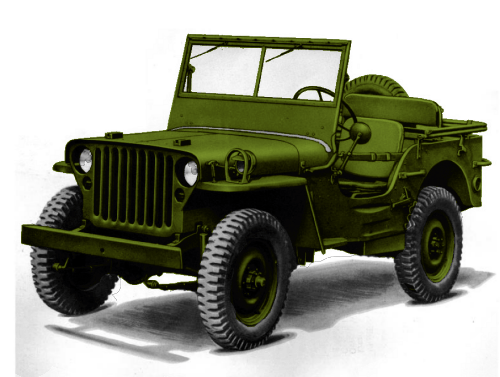
When World War II began, the U.S. military needed a light, tough vehicle for rough terrain. In 1940, they asked car companies to design a new kind of automobile. The result was the Willys MB, also known as the “GP” vehicle.
The “G” stood for Government, and the “P” was for 80-inch wheelbase Reconnaissance Car. But, many soldiers and mechanics did not use this technical name. They needed something simpler and faster to say.
| Vehicle Name | Year Introduced | Main Use |
|---|---|---|
| Willys MB | 1941 | Military reconnaissance |
| Ford GPW | 1941 | Troop transport |
| Bantam BRC | 1940 | Prototype, testing |
Theories Behind The Name “jeep”
There is no single, clear answer to where the word “Jeep” came from. In fact, there are a few main theories:
1. Slang For Gp
The most popular idea is that “Jeep” comes from how people said the letters “G” and “P” quickly together. If you say “G.
P. ” Fast, it can sound like “Jeep. “
This was common among soldiers who liked to shorten technical terms. But some experts say there was no strong evidence of “GP” being used until after “Jeep” was already popular.
2. Popeye’s Magical Creature
Another theory is that “Jeep” was inspired by a cartoon character called Eugene the Jeep from the Popeye comics. Eugene was a small, smart, and magical creature, able to go anywhere and do anything.
Soldiers saw their new vehicle as just as tough and versatile as Eugene. Newspapers from 1941 sometimes called the vehicle “Jeep” because of this cartoon reference.
3. Pre-existing Army Slang
Long before World War II, the word "jeep" was already army slang. In the 1930s, mechanics used "jeep" to describe any new recruit or untested piece of equipment.
When the new vehicle appeared, the name fit small, unproven, but promising.
The First Public “jeep” Appearance
The name “Jeep” became official in 1941 during a test at the U.S. Capitol. Irving “Red” Hausmann, a Willys-Overland test driver, drove the new vehicle up the Capitol steps. When a reporter asked him what it was, Hausmann replied, “It’s a Jeep.”
From that moment, the press started using “Jeep,” and the name stuck. Willys-Overland even began advertising the vehicle as the “Jeep,” and soon it became a household word.
Jeep In Popular Culture And Civilian Life
After the war, the Jeep became popular with farmers, builders, and outdoor lovers. The name was now linked to strength and freedom. Willys-Overland quickly trademarked “Jeep” and began making civilian models like the CJ-2A.
The Jeep’s fame grew even more with movies and TV shows. It appeared as a symbol of adventure and toughness.
Other car companies tried to copy the style, but “Jeep” stayed unique.
How The Name Evolved
The word “Jeep” started as a slang term, but it became a strong brand. Over time, it also became a noun in the dictionary.
Today, “Jeep” can mean both the brand and any small, sturdy off-road vehicle in casual conversation.
Here’s a look at how “Jeep” compares with other famous car names that started as military terms:
| Vehicle Name | Original Meaning | Modern Brand |
|---|---|---|
| Jeep | Military slang, cartoon reference | Jeep (Stellantis) |
| Humvee | High Mobility Multipurpose Vehicle | AM General |
| Land Rover | Land exploration vehicle | Land Rover |
Insights Many Miss
While many believe “Jeep” is simply a shortened “GP,” the truth is more complex. Language and culture played just as big a role as military codes. The Jeep was not just a machine; it was a symbol of American spirit and resourcefulness.
Another point often overlooked is how quickly the name moved from military slang to a global brand. Most vehicle names take years to catch on.
“Jeep” became famous almost overnight, thanks to clever marketing and real-world performance.
Lasting Impact
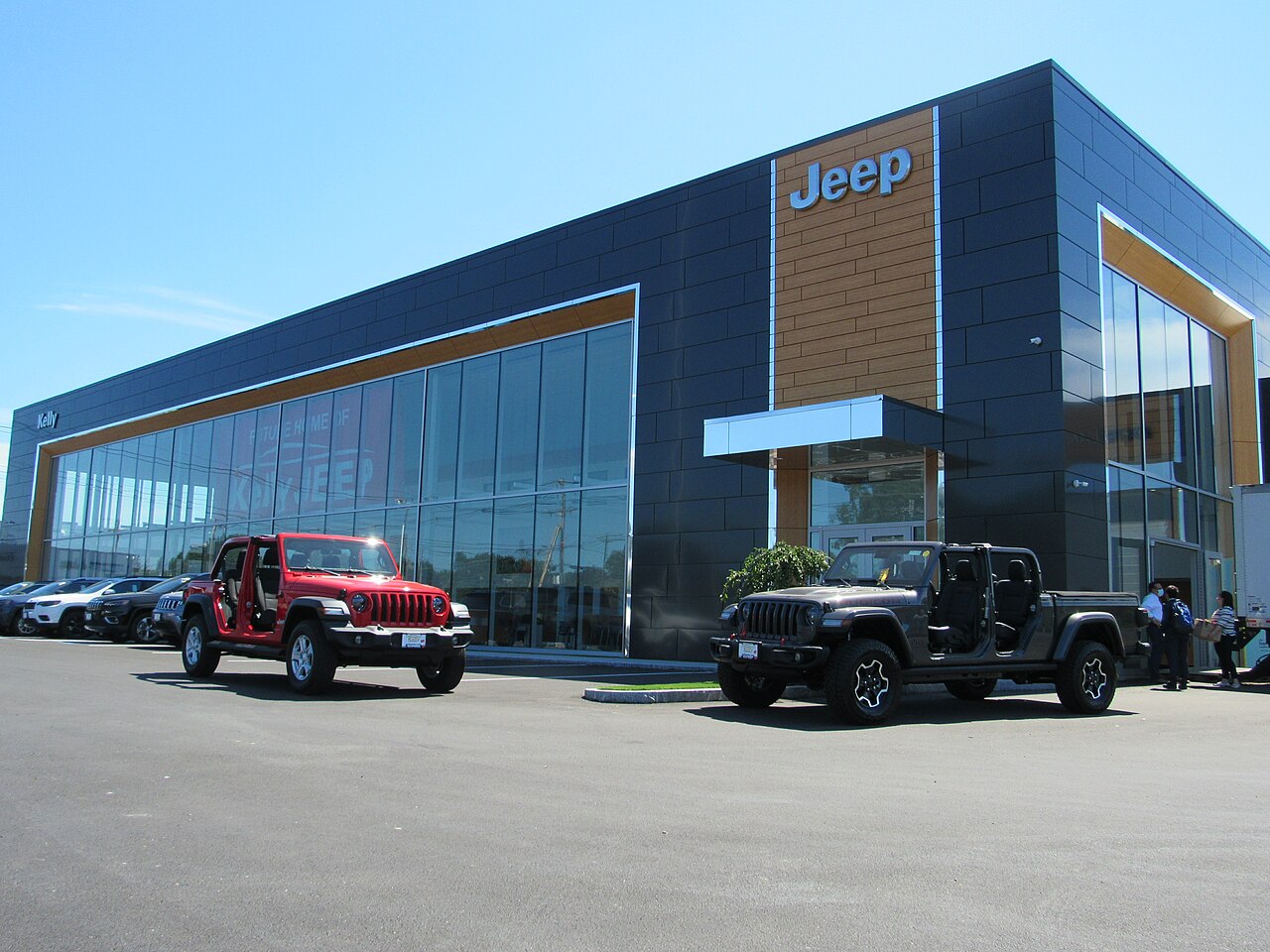
The name “Jeep” is now used all over the world. It stands for durability, adventure, and reliability.
Jeep vehicles have helped in wars, farming, and even in rescue missions during disasters.
Even today, when people say “Jeep,” they often mean much more than just a car. They think of exploring rough roads, reaching far places, and overcoming challenges. The story of “Jeep” shows how a simple word can carry so much meaning.
If you want to read more about the word’s history, check out this detailed entry on Wikipedia.
Frequently Asked Questions
How Did The Word “jeep” Become Popular?
The word “Jeep” became popular after a test drive at the U. S.
Capitol in 1941, when a reporter used it in a news story. Willys-Overland then started using it in their marketing, and it spread quickly.
Is “jeep” Short For “general Purpose”?
Not exactly. While some people say “Jeep” comes from “G.
P. ” (for General Purpose), this is only one theory.
There are other ideas, including army slang and a cartoon character.
Was “jeep” Used Before World War Ii?
Yes, “jeep” was army slang for new recruits or untested equipment before the famous vehicle appeared. The word existed in military circles as early as the 1930s.
What Other Names Were Considered For The Jeep?
Early versions of the Jeep were called the Willys MB, Ford GPW, and Bantam BRC. But none of these names caught on with the public like “Jeep” did.
Is Jeep Still A Military Vehicle Today?
While Jeeps are still used by some armies, the original design has changed. Today, the Jeep brand mainly makes vehicles for the public, but its military roots remain strong.
The story of the word “Jeep” is a mix of history, language, and culture. From army slang to global symbol, it’s a name that means adventure and strength for millions of people around the world.