The name Jeep is known worldwide, but few people know where it truly comes from. Today, Jeeps are famous for rugged design and off-road ability.
But the origin of the name “Jeep” is a story that mixes history, slang, and even cartoons. This article uncovers how “Jeep” got its name, looks at its early days, and explains why the word became so iconic.
Early Roots Of Jeep
The word Jeep first appeared during the 1940s, in the time of World War II. The U.S. Army needed a light, strong vehicle to move soldiers and supplies. Many companies competed to build this new vehicle. Eventually, the Willys-Overland company created a design that became the standard.
At first, these vehicles were officially called “Willys MB” or “Ford GPW.” Soldiers, however, needed a simple nickname. That’s when “Jeep” appeared. Some believe the name came from the letters “GP,” which stood for “General Purpose.” Others think it was army slang for any new, untested vehicle or equipment.
| Year | Vehicle Name | Manufacturer |
|---|---|---|
| 1941 | Willys MB | Willys-Overland |
| 1941 | Ford GPW | Ford Motor Company |
The Cartoon Connection
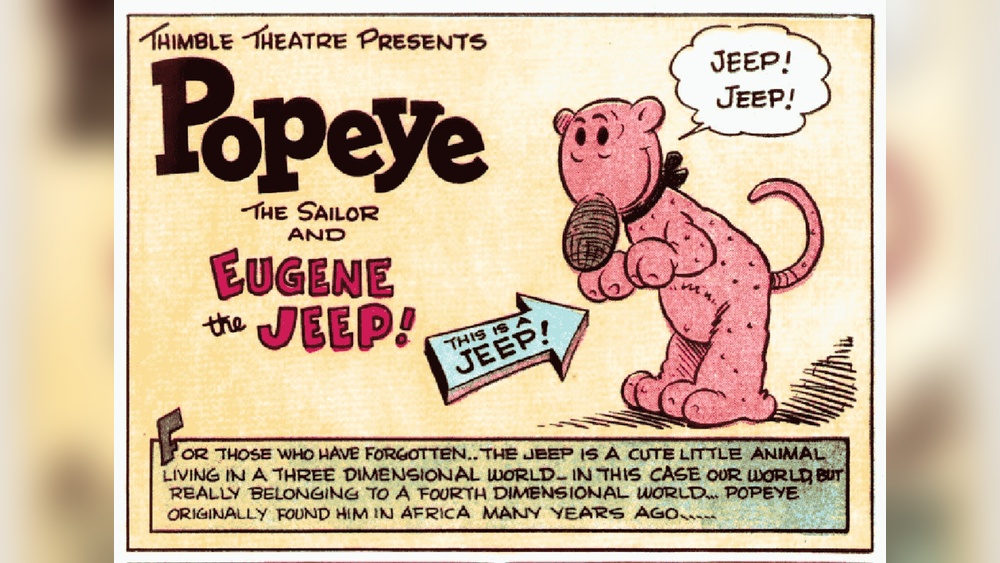
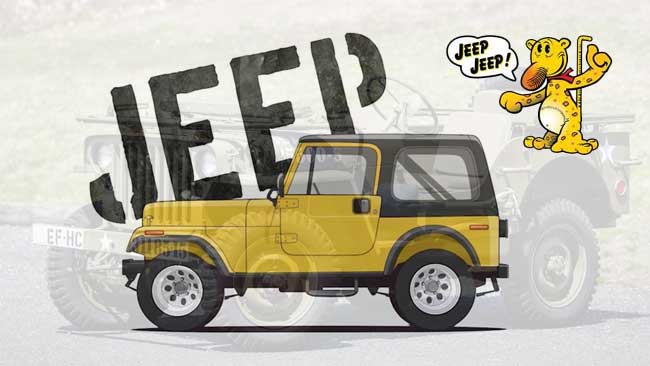
An interesting twist comes from a comic strip character. In the 1930s, a cartoon called Popeye introduced a creature named “Eugene the Jeep.” Eugene was small, clever, and could go anywhere, much like the new army vehicle.
Soldiers started calling their new machine a “Jeep,” after Eugene. The nickname was catchy and easy to remember.
Soon, the term spread through military bases and even appeared in newspapers.
Key Features Linked To The Cartoon
- Ability to go anywhere: Both Eugene and the vehicle could travel in tough places.
- Small size: The vehicle was compact, just like Eugene.
- Reliability: Soldiers needed something dependable, and Eugene was always helpful in the cartoon.
The “gp” Theory
Another explanation is the GP theory. The army labeled the vehicle as “GP,” meaning “General Purpose.” Some say that when spoken quickly, “GP” sounds like “Jeep.” This theory is popular, but not everyone agrees with it.
| Army Term | Pronunciation | Nickname |
|---|---|---|
| GP | “Gee-Pee” | Jeep |
| MB | “Em-Bee” | None |
While this idea is simple, experts found that “GP” actually meant “Government, 80-inch wheelbase, reconnaissance car. ” So, the “General Purpose” explanation is not entirely accurate.
From Slang To Official Name
By 1942, “Jeep” was used so much that Willys-Overland asked for a trademark. They wanted to protect the name for their vehicles.
Soon after, “Jeep” became the brand’s official name.
This was a smart move. The word was already famous among soldiers and the public.
Willys promoted the Jeep as the ultimate all-purpose vehicle. The military Jeep turned into a civilian model after the war, and the brand grew quickly.
| Year | Event | Impact |
|---|---|---|
| 1942 | Trademark filed | Made “Jeep” official |
| 1945 | First civilian Jeep | Brand expansion |
Why Jeep Became Iconic
The name Jeep became much more than a brand. It turned into a symbol of reliability and freedom. Many people associate Jeeps with adventure, travel, and outdoor life.
Some unique insights:
- Jeep’s popularity grew because of its usefulness. Unlike most vehicles, Jeep could handle mud, snow, and rough terrain.
- The name stayed simple. People liked saying “Jeep” instead of a long technical name.
Another reason for Jeep’s success is the word itself. “Jeep” is easy to say and remember in almost any language. This helped the brand become global.
Modern Use Of The Name
Today, the word Jeep is used for many types of vehicles. But only those made by the official Jeep brand can use it legally. Other companies tried to copy the style, but Jeep remains unique.
Jeep is now owned by Stellantis, a large car company. The brand continues to produce new models, each carrying the famous Jeep name. Even after more than 80 years, people still recognize the name and its history.