The Duck Jeep Thing: Where Did It Originate?
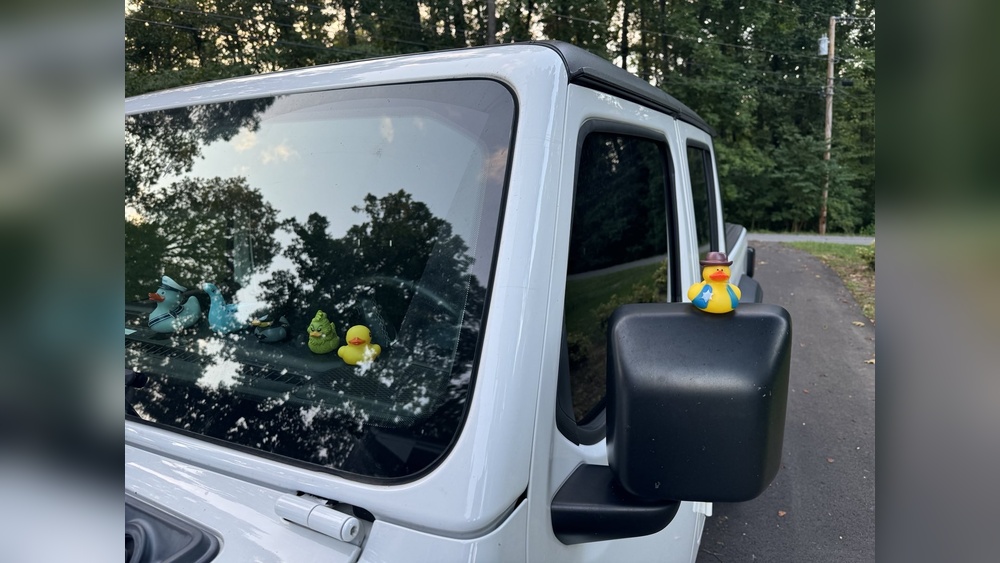
If you drive a Jeep, you may have found a small rubber duck on your vehicle. This simple act, known as Jeep Ducking, has become a unique tradition among Jeep owners. But where did this fun and quirky practice start? The answer is surprising, and the story behind it is full of community spirit and creativity. Let’s dive into how the Duck Jeep thing began, why it caught on, and what makes it so popular today.
The Start Of Jeep Ducking
The Duck Jeep thing originated in Canada in 2020. It began with a Jeep owner named Allison Parliament. After a stressful experience, she wanted to spread kindness. She placed a rubber duck on a stranger’s Jeep and left a note saying, “Nice Jeep!” This simple gesture was meant to brighten someone’s day. The idea quickly turned into a movement. Jeep owners began leaving ducks on other Jeeps, creating smiles and connections everywhere.
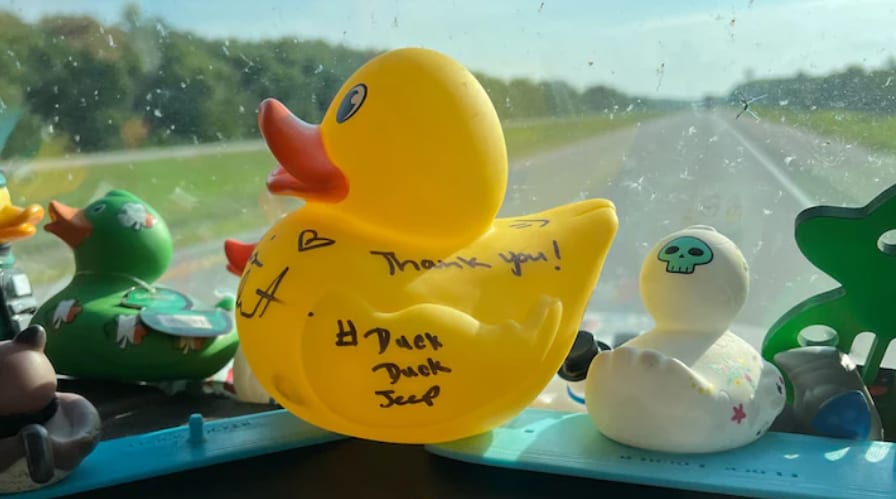
Within weeks, the tradition spread beyond Canada. It gained momentum in the United States and soon reached Jeep communities worldwide. Social media played a key role, with Jeep owners sharing photos and stories using hashtags like #DuckDuckJeep.
Why Jeeps And Ducks?
You might wonder why ducks and not another object. Jeeps are known for their unique culture.
Owners wave to each other and love customizing their vehicles. The rubber duck is playful, cheap, and easy to spot.
It fits perfectly with the fun-loving Jeep crowd.
Here are some reasons the duck became the symbol:
- Affordability: Rubber ducks cost less than $1 each.
- Visibility: Bright colors make them easy to see on a Jeep.
- Symbolism: Ducks are friendly and bring smiles.
How Jeep Ducking Works
The process is simple. If you see a Jeep you like, you place a rubber duck on it.
Some people attach a note or a hashtag. Others just leave the duck.
The recipient often posts a photo online, tagging the person who left the duck.
This creates a chain of positive interactions.
Most Jeep ducking happens at:
- Parking lots
- Off-road events
- Jeep meetups
Many owners collect the ducks they receive. Some keep them on their dashboard as a reminder of the community spirit.
Growth And Popularity
Jeep Ducking went viral in 2020. By 2021, thousands of Jeep owners were participating.
Social media posts showed ducks on Jeeps in countries like Australia, Germany, and Brazil.
According to Jeep forums and Facebook groups, the practice has reached:
- Over 30 countries
- More than 500,000 Jeeps ducked worldwide
One Jeep club event in Ohio reported over 2,000 ducks distributed in a single day.
Jeep Ducking Compared To Other Car Traditions
How does Jeep Ducking stack up against other car culture traditions? Here’s a quick comparison:
| Tradition | Origin Year | Typical Item | Community Focus |
|---|---|---|---|
| Jeep Ducking | 2020 | Rubber Duck | Kindness, Fun |
| Jeep Wave | 1960s | Hand Wave | Recognition |
| VW Beetle Punch | 1950s | Punch | Game |
| Subaru Badge Exchange | 2010s | Badge | Identity |
Jeep Ducking stands out for its physical item and friendly message. Unlike other traditions, it creates a lasting reminder.
Duck Types And Personalization
Rubber ducks come in all shapes and sizes. Jeep owners use creativity to personalize their ducks.
Some add hats, sunglasses, or Jeep logos. This makes each duck unique.
Let’s look at the most common duck types used:
| Duck Type | Features | Popularity |
|---|---|---|
| Classic Yellow | Simple, bright | Most popular |
| Costume Ducks | Hats, glasses | Growing trend |
| Custom Jeep Ducks | Jeep logo, off-road gear | Niche collectors |
| Mini Ducks | Small size, easy to hide | Popular for events |
Some Jeep owners even trade rare ducks at meetups. Collecting unique ducks has become a hobby for many.
Non-obvious Insights
Most beginners don’t realize that Jeep Ducking can be a way to network. Many Jeep owners find new friends or join clubs after being ducked.
It’s not just about the duck it’s about the connection.
Another insight: Ducking is also used for charity. Some Jeep groups organize events where each duck represents a donation. This adds a deeper meaning to the tradition.
Jeep Ducking Rules And Etiquette
There are unwritten rules to keep Jeep Ducking positive:
- Only duck real Jeeps, not other vehicles.
- Don’t place ducks in unsafe spots (avoid blocking vision).
- Respect privacy; don’t open car doors or windows.
- Keep the ducks clean and safe for children.
Breaking these rules can lead to negative experiences. Following etiquette ensures the tradition stays fun and friendly.

Impact On Jeep Culture
Jeep Ducking has made the Jeep community stronger. It helps new owners feel welcome and boosts pride in owning a Jeep.
The practice also brings smiles to strangers and spreads positivity.
The tradition is now so popular that some Jeep dealerships give ducks to new buyers. Jeep Ducking has become a symbol of kindness and connection.
Frequently Asked Questions
How Did Jeep Ducking Start?
Jeep Ducking began in 2020 in Canada when Allison Parliament placed a rubber duck on a Jeep to spread kindness. The idea quickly grew into a global trend.
Why Do People Use Ducks For Jeeps?
Ducks are playful, affordable, and easy to spot. They match the fun and friendly spirit of Jeep owners.
Can Any Jeep Participate In Ducking?
Yes, any Jeep model can be ducked. It’s common to see ducks on Wranglers, Cherokees, and Gladiators.
Is Jeep Ducking Only In North America?
No, Jeep Ducking is now found in over 30 countries. Owners worldwide join in the tradition.
Where Can I Learn More About Jeep Ducking?
You can find more history and stories at Wikipedia.
Jeep Ducking started as a small act of kindness and quickly became a global tradition. It shows how simple ideas can unite people and create lasting memories.
If you see a duck on your Jeep, remember it’s more than a toy it’s a sign you’re part of a welcoming community.