Thinking about selling your Jeep? Maybe you’re upgrading, downsizing, or just need a change. No matter the reason, selling a Jeep can bring good value—if you know where to look. With the right strategy, you can avoid scams, save time, and get a fair price for your vehicle.
Let’s break down the best places to sell your Jeep, what to expect, and some smart tips to help you make the most of your sale.
Best Places To Sell Your Jeep
Finding the right buyer depends on your Jeep’s condition, your timeline, and how much effort you want to put in. Here are the most popular options:
1. Online Marketplaces
Websites like Craigslist, Facebook Marketplace, and Autotrader connect you directly with buyers in your area. You set your price, write your own ad, and handle offers yourself.
Pros:
- Reach more buyers
- Control over pricing
- No middleman fees
Cons:
- Must handle messages and showings
- Risk of low offers or scams
- Negotiation required
2. Dealerships
Most dealerships will buy your Jeep, even if you aren’t buying another car from them. Some specialize in Jeeps and may pay more for popular models like the Wrangler.
Pros:
- Fast and simple
- No advertising needed
- Safe transaction
Cons:
- Offer may be below market value
- Limited negotiation
3. Car Buying Services
Companies like CarMax, Carvana, and Vroom will give you an instant online quote. If you accept, you can drop off your Jeep or arrange a pickup.
Pros:
- Quick, no-hassle process
- Guaranteed offer
- Payment is secure
Cons:
- Price may be lower than private sale
- Not all Jeeps qualify
4. Jeep Forums And Enthusiast Groups
Online forums (like JeepForum.com) and Facebook groups attract buyers who want a specific model or have an interest in modifications.
Pros:
- Enthusiastic buyers
- May pay more for upgrades
- Easy to reach Jeep fans
Cons:
- Smaller audience
- Must handle the sale details
5. Trade-in
If you’re buying a new car, trading in your Jeep at a dealership is the easiest option. The dealer will subtract your Jeep’s value from the price of your next vehicle.
Pros:
- Simple, one-stop process
- Immediate value toward new car
Cons:
- Usually lower value than selling privately
- Less room to negotiate
Comparing Your Selling Options
Consider this quick comparison to see how each option stacks up:
| Method | Speed | Effort | Potential Price | Safety |
|---|---|---|---|---|
| Online Marketplace | Medium | High | High | Medium |
| Dealership | Fast | Low | Low | High |
| Car Buying Service | Fast | Low | Medium | High |
| Enthusiast Group | Medium | Medium | High | Medium |
| Trade-In | Fast | Low | Low | High |
What Affects Your Jeep’s Value?
Not all Jeeps are worth the same. Buyers look at:
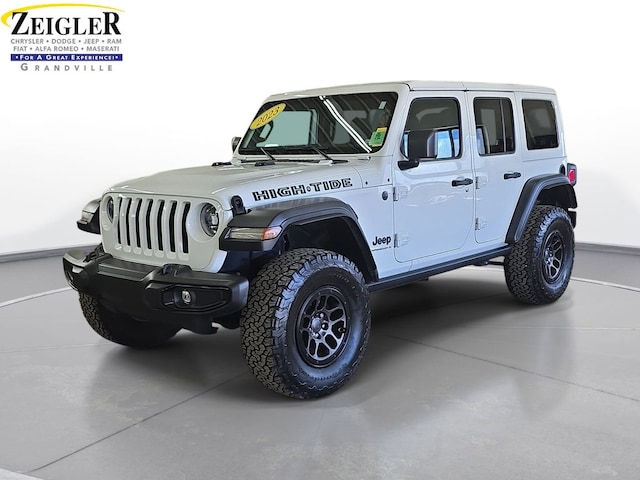
- Year and model: Newer models like the Jeep Gladiator or Wrangler JL usually sell for more.
- Mileage: Lower miles mean higher value.
- Condition: Both cosmetic and mechanical shape matter.
- Accident history: Clean titles sell faster.
- Upgrades: Popular mods (lift kits, tires, winches) can help, but not always.
Here’s a look at how two common Jeep models compare:
| Model | Average Resale Price (5 Years Old) | Depreciation Rate |
|---|---|---|
| Wrangler | $28,000 | 34% |
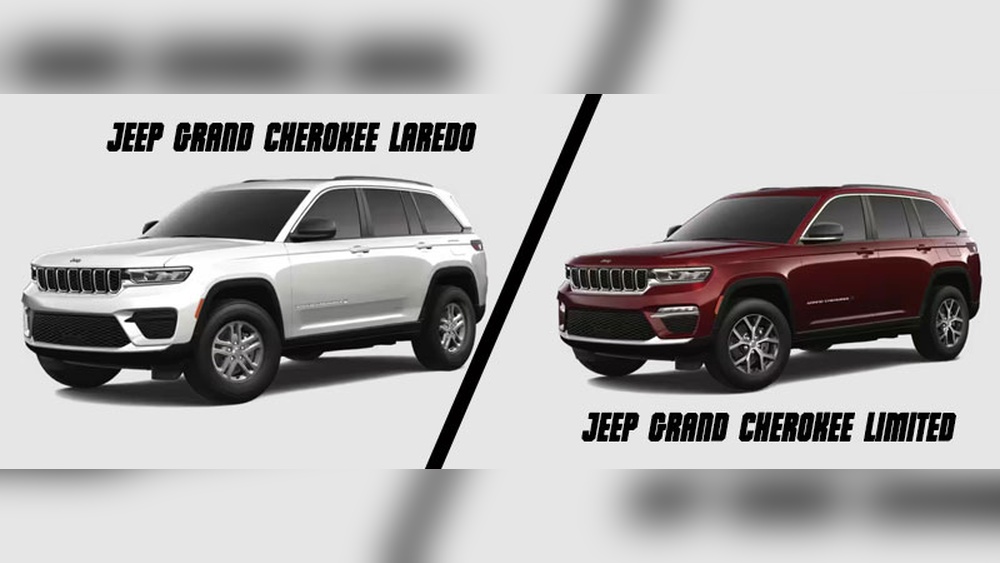
| Grand Cherokee | $22,500 | 46% |
Non-obvious tip: Custom modifications may not always add value for dealers, but enthusiasts might pay extra for unique features.
Preparing Your Jeep For Sale
Before selling, spend a little time getting your Jeep ready. This can raise your sale price by hundreds—or even thousands—of dollars.
- Clean inside and out. Wash, wax, and vacuum. Remove clutter and personal items.
- Fix small issues. Replace burned-out bulbs, repair chips, and top up fluids.
- Get records together. Maintenance logs show you cared for your Jeep.
- Take great photos. Use daylight and highlight both the exterior and interior.
- Write a clear ad. Be honest about condition, features, and any accidents.
Non-obvious tip: If you have off-road accessories, mention them separately. Some buyers want them, others don’t. You might even sell accessories alone for extra profit.
How To Avoid Scams And Lowball Offers
Selling a car means dealing with strangers. Stay smart to protect yourself:
- Meet in public places, preferably during the day.
- Never accept overpayment or wire transfers from private buyers.
- Ask for a driver’s license before test drives.
- Only sign over the title after payment clears.
- If unsure, bring a friend to the meeting.
If you need more tips, the Federal Trade Commission offers a helpful car-selling guide.
Paperwork And Legal Steps
Selling your Jeep means transferring ownership the right way. Here’s what you’ll likely need:
- Title (pink slip): Sign it over to the buyer.
- Bill of sale: Some states require this as proof.
- Release of liability: File this with your DMV to avoid future tickets.
- Odometer reading: Required in most US states.
- Smog certificate: Needed in some states for Jeeps over a certain age.

Frequently Asked Questions
What Documents Do I Need To Sell My Jeep?
You need the vehicle title, a bill of sale, and often a release of liability. Check your local DMV for any extra forms.
Is It Better To Sell My Jeep Privately Or To A Dealer?
Selling privately usually gives you more money, but it takes more time and effort. Dealers are faster but offer less.
How Do I Set The Right Price For My Jeep?
Check online prices for your model, year, and mileage. Use sites like Kelley Blue Book to get an estimate, then adjust based on your Jeep’s condition.
Can I Sell My Jeep If I Still Owe Money On It?
Yes, but you need to pay off the loan or arrange for the buyer to do so at your lender’s office. The lender will release the title once the loan is paid.
What’s The Safest Way To Receive Payment?
Cash is best for small amounts. For larger sales, use a bank-certified check and meet at the bank to verify funds before handing over your Jeep.
Finding the right place to sell your Jeep depends on your timeline, how much work you want to do, and your price goals. With some smart preparation and safe selling habits, you’ll get the most for your Jeep and hand it off to its next adventure.