Owning a Jeep Grand Cherokee with electric or plug-in hybrid capability opens new ways to travel, but it also brings a big question: Where can you charge it? Finding the right charging spot is essential for long journeys and daily use.
You don’t want to worry about running out of battery, so knowing your options can make driving easier and more enjoyable.
Charging At Home
Many drivers prefer charging their Jeep Grand Cherokee at home. This is often the most convenient and cost-effective method. You can use a Level 1 charger, which is the standard outlet (120V) found in most homes. It’s slow—often taking more than 12 hours for a full charge—but works well for overnight charging.
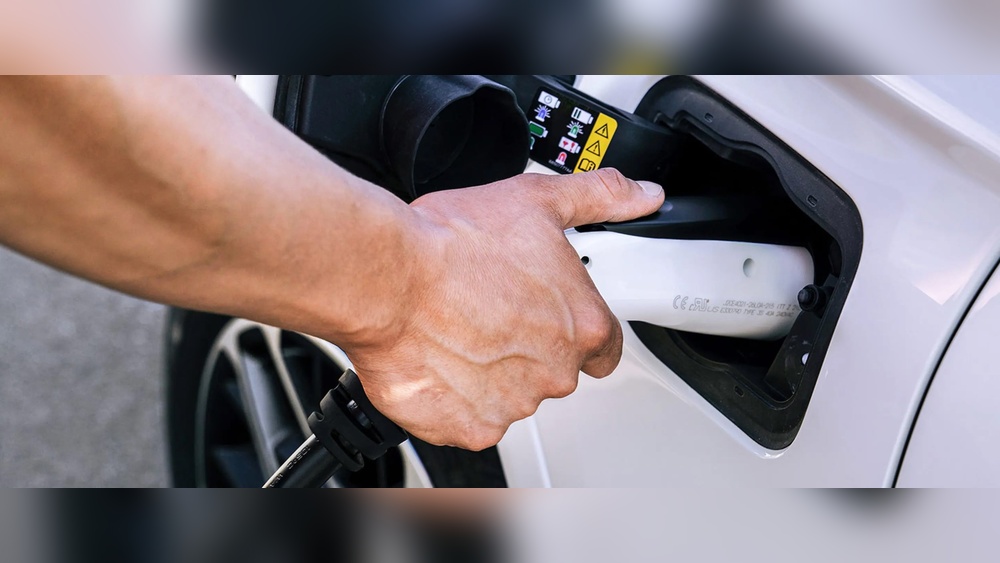
For faster charging, install a Level 2 charger (240V). This can fill your battery in about 2-4 hours, depending on the model. Most electricians can install a Level 2 charger in your garage or driveway. If you drive daily, Level 2 charging is highly recommended.
Advantages of home charging:
- Always available
- Lower cost per kWh
- Ideal for overnight charging
Disadvantages:
- Slow with Level 1
- Upfront installation cost for Level 2
Public Charging Stations
If you travel farther or don’t have access to home charging, public stations are your next option. There are thousands of charging points across the US, often found in city centers, shopping malls, hotels, and parking garages.
Public chargers come in three main types:
- Level 2: Common and suitable for most plug-in hybrids. Charging can take 2-4 hours.
- DC Fast Charging: Not all Grand Cherokee models support this. When available, it can charge the battery to 80% in under 45 minutes.
- Tesla Supercharger: Only usable if your Jeep has a special adapter. Not standard for most Grand Cherokees.
Here’s a quick comparison of public charging options:
| Charger Type | Charging Time | Availability | Cost (per kWh) |
|---|---|---|---|
| Level 2 | 2-4 hours | Very common | $0.10-$0.30 |
| DC Fast | 30-45 min | Less common | $0.25-$0.50 |
| Tesla Supercharger | 30-45 min | Rare (adapter needed) | $0.25-$0.50 |
Most public stations require you to download an app, such as ChargePoint, Electrify America, or EVgo, to locate and pay for charging.
Charging At Work
Some workplaces offer charging stations for employees. This benefit is growing, especially in large offices and tech companies. Workplace charging is usually Level 2, and sometimes free or subsidized.
If your company doesn’t offer charging, ask about installing a station. Employers can get tax incentives for providing EV chargers.
Tip: Don’t assume all workplace chargers are available all day. Some may be reserved or shared, so check policies and timing.
Charging On The Road
Long trips require planning. Not every gas station has an EV charger, and rural areas may have fewer options. Use apps like PlugShare or the built-in navigation system to map out charging stops ahead of time.
Here’s a table comparing three popular charging networks:
| Network | Number of Stations | Coverage Area | Payment Options |
|---|---|---|---|
| ChargePoint | 13,000+ | Nationwide | App, Card |
| Electrify America | 3,500+ | Major highways | App, Card |
| EVgo | 2,000+ | Urban areas | App, Card |
Non-obvious insight: Some hotels offer free charging to guests, but these spots are limited. Always call ahead to reserve a charger if you plan to stay overnight.

https://www.youtube.com/watch?v=hlpRsSxICl4
Charging At Jeep Dealerships
Most Jeep dealerships have at least one charging station. These are often Level 2 chargers, but some may have fast chargers for customer use. If you’re near a dealership, you can ask if their charger is available, even if you’re not there for service.
Note: Dealership charging might not be open 24/7. Check hours before you arrive.
Charging Etiquette And Tips
Charging spots are sometimes busy. Here are some helpful habits:
- Don’t leave your Jeep parked after charging is complete.
- Always check charger compatibility before plugging in.
- Keep charging cables tidy so others can use them.
- Avoid “ICEing”—parking a gas vehicle in an EV spot.
Hidden tip: Many public chargers show real-time status online. Check if a station is busy or broken before you go.
Cost And Incentives
Charging your Jeep Grand Cherokee is usually cheaper than filling with gasoline. Home charging averages $0.13 per kWh, while public charging costs more. For a typical Grand Cherokee plug-in hybrid with a 17 kWh battery, a full charge at home costs about $2.21.
Some states offer tax credits or rebates for installing home chargers. Utilities may also give discounts for charging at night.
Here’s a comparison of typical costs:
| Charging Location | Average Cost | Time Needed |
|---|---|---|
| Home (Level 2) | $2.21 | 2-4 hours |
| Public (Level 2) | $3.50 | 2-4 hours |
| Public (DC Fast) | $8.50 | 30-45 min |
For more information on EV charging incentives, visit the U.S. Department of Energy.
Frequently Asked Questions
How Long Does It Take To Charge A Jeep Grand Cherokee At Home?
Using a Level 1 charger, it takes about 12-14 hours. With a Level 2 charger, it’s around 2-4 hours for a full charge.
Can I Use Tesla Superchargers For My Jeep Grand Cherokee?
Most Grand Cherokees can’t use Tesla Superchargers unless you buy a special adapter. Even then, compatibility is not guaranteed.
Are Public Charging Stations Safe To Use?
Yes, most public chargers are safe. They have built-in safety features.
Always check the cable for damage before plugging in.
What Happens If I Run Out Of Battery On The Road?
If you run out of battery, your Jeep Grand Cherokee plug-in hybrid will switch to gasoline power. For fully electric models, you’ll need roadside assistance or a tow to the nearest charger.
Do All Jeep Dealerships Offer Charging?
Most Jeep dealerships have at least one charger, but availability and hours vary. It’s best to call ahead and confirm before your visit.
Charging your Jeep Grand Cherokee is easier than you might expect. With home, public, workplace, and dealership options, you can stay powered up wherever you go.
Planning ahead and knowing your local charging spots will help you drive confidently. As EV infrastructure grows, charging will only become more convenient for all drivers.