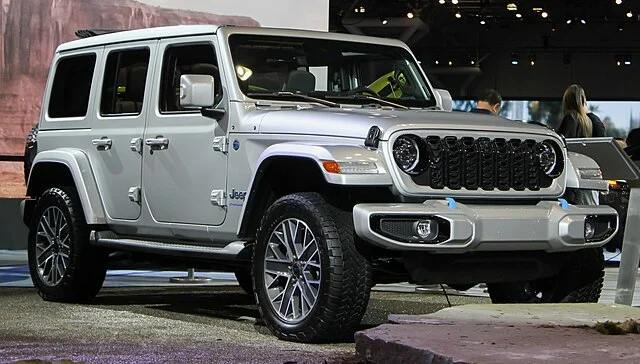
The Jeep Wrangler is one of the most iconic vehicles in automotive history. Known for its rugged design and off-road abilities, this SUV has a long tradition of updates and changes. However, not everyone knows exactly when the Jeep Wrangler was redesigned and what changed with each major version. If you are curious about the Wrangler’s evolution, this article will guide you through its key redesign years, major changes, and what each update meant for fans and new buyers.
The Beginning: Jeep Wrangler’s Origins
The Jeep Wrangler’s story starts in 1986. It replaced the old Jeep CJ series, which was famous for its military background and simple design. The first Wrangler, known as the YJ, brought some big changes. It had square headlights instead of round ones, and a more comfortable interior. This was the first real attempt to make the Jeep not just tough, but also better for daily driving.
Major Redesigns Through The Years
Jeep has redesigned the Wrangler several times. Each redesign brought a new generation, new features, and new looks. Here are the key years when the Wrangler was fully redesigned:
| Generation | Redesign Year | Main Changes |
|---|---|---|
| YJ | 1986 | Square headlights, better interior comfort |
| TJ | 1997 | Round headlights return, coil spring suspension |
| JK | 2007 | Bigger body, four-door option, modern safety |
| JL | 2018 | Lighter body, new engines, better tech |
These redesigns did not just refresh the look they changed how the Wrangler drives, feels, and performs.
1997: From Yj To Tj
The second generation, called TJ, arrived in 1997. The round headlights came back, pleasing Jeep fans who love the original look. More importantly, Jeep switched from leaf springs to coil spring suspension. This change made the ride much smoother, both on roads and trails.
The TJ also brought better safety features and a stronger frame. For many owners, this generation offered the perfect balance between classic style and modern comfort.
2007: The Jk Revolution
The JK Wrangler arrived in 2007 and was a big leap forward. It was larger, with more interior space and comfort. Jeep also released the four-door Wrangler Unlimited for the first time. This made the Wrangler much more family-friendly and increased its popularity.
More modern safety features were added, including electronic stability control. The JK generation also improved off-road ability with features like locking differentials and electronic sway bar disconnect.
Here’s a simple comparison between the TJ and JK generations:
| Feature | TJ (1997-2006) | JK (2007-2017) |
|---|---|---|
| Doors | 2-door only | 2-door and 4-door |
| Main Suspension | Coil springs | Coil springs, wider track |
| Interior Space | Smaller | Much larger |
| Safety | Basic | Modern systems |
2018: The Modern Jl Wrangler
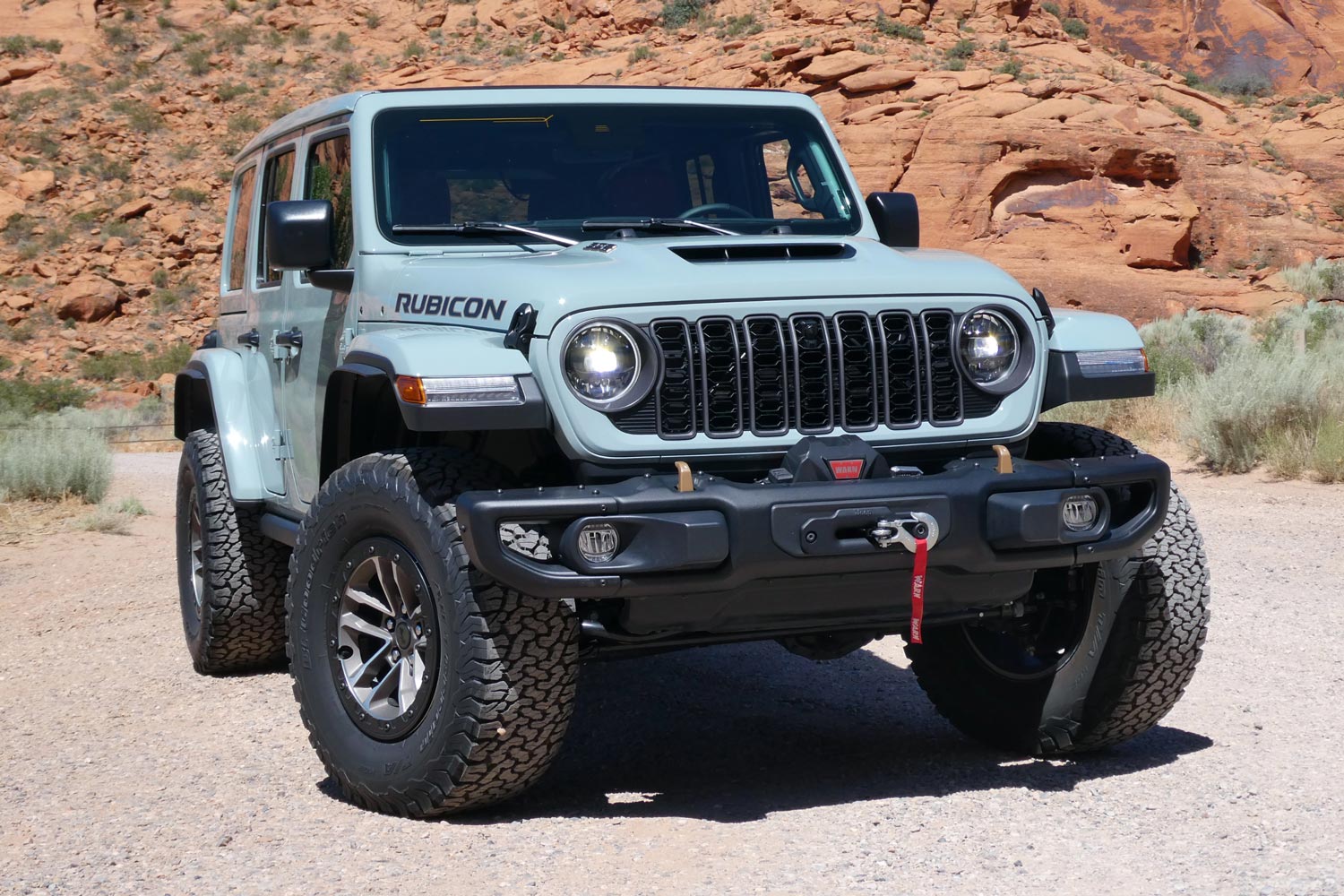
The most recent full redesign happened in 2018 with the JL generation. This version kept the classic Wrangler style but made many hidden improvements. The body is lighter thanks to more aluminum parts, which helps fuel efficiency. The interior is more comfortable, with touch screens and advanced tech.
Jeep also added new engine options, like a 2.0L turbocharged four-cylinder and a mild-hybrid system, which appealed to people who want better gas mileage. The JL is also safer, with features like blind spot monitoring and rearview cameras.
Here’s a quick look at how the JL compares to the JK:
| Feature | JK (2007-2017) | JL (2018-present) |
|---|---|---|
| Body Material | Steel | Aluminum/Steel mix |
| Engines | 3.6L V6 | 3.6L V6, 2.0L Turbo, 3.0L Diesel |
| Infotainment | Basic radio | Touchscreen, Apple CarPlay |
| Safety Tech | Basic | Advanced features |
Why Redesigns Matter
Each Wrangler redesign is more than just new looks. Changes often make the SUV safer, more comfortable, and more efficient.
For example, the 2018 JL redesign made the Wrangler easier to drive every day while keeping its famous off-road skills.
Beginners often miss that some Wrangler parts, like roofs and doors, became easier to remove with each redesign. This is important for people who like open-air driving. Another detail is that modern Wranglers have better fuel economy and lower emissions, a big change from older models.
What To Expect In Future Redesigns
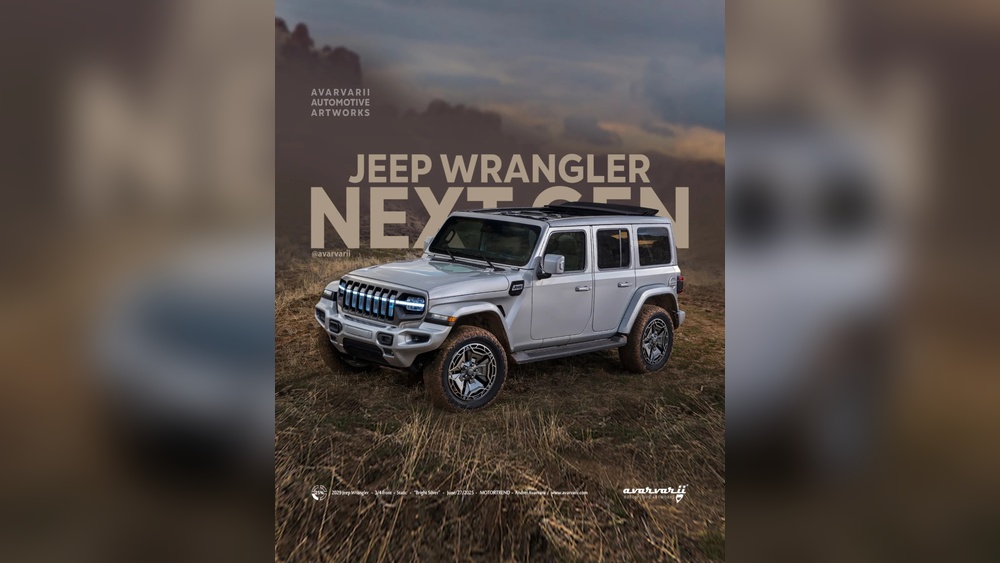
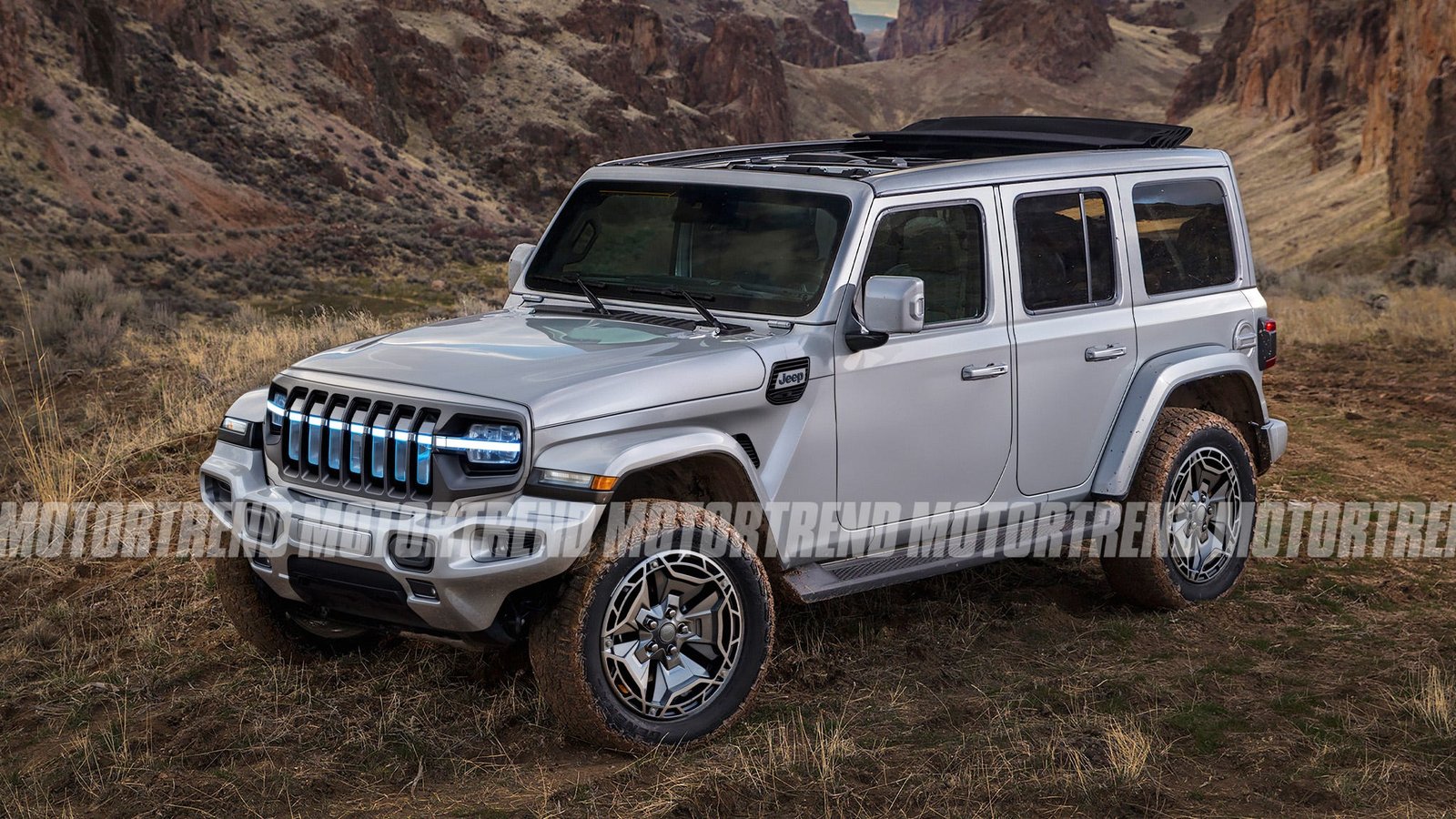
Jeep usually updates the Wrangler every 10-12 years. The next major redesign is expected in the mid-2020s. Experts believe future models will have even more hybrid or electric options. They may also add more advanced driving features, but will likely keep the classic Wrangler look.
If you want to know more about Wrangler generations and features, the official Wikipedia page has a detailed timeline.
Frequently Asked Questions
When Was The Last Major Redesign Of The Jeep Wrangler?
The last major redesign was in 2018 with the release of the JL generation. This model brought lighter materials, more engines, and advanced technology.
Which Jeep Wrangler Generation Is Best For Off-roading?
All generations are good off-road, but the JL and JK have the most modern features. The JL is the most capable thanks to new tech and stronger parts.
Why Do People Care About Jeep Wrangler Redesigns?
Redesigns often add better safety, comfort, and technology. They also keep the Wrangler competitive in the SUV market, while keeping the style that fans love.
What Is The Difference Between A Refresh And A Redesign?
A redesign means a new generation with major changes to the body, frame, and features. A refresh is a smaller update—new colors, wheels, or small tech changes, but not a new model.
When Will The Next Jeep Wrangler Redesign Happen?
Experts expect the next full redesign in the mid-2020s. Jeep has not announced a date, but it will likely focus on hybrid and electric power.
The Jeep Wrangler’s redesigns show how a classic SUV can improve over time but still keep its spirit. If you are thinking about buying one, knowing the redesign years helps you choose the best fit for your needs.