The Jeep Wagoneer is a legendary name in American SUVs. Its story covers decades, with changes in style, technology, and purpose.
Many people wonder: when was the Jeep Wagoneer released? To answer this, we need to look at its beginnings, evolution, and the revival of the name.
Whether you’re a car fan or just curious about the Wagoneer’s place in history, this article explains everything you need to know.
The First Jeep Wagoneer: 1962 Release
The original Jeep Wagoneer was released in November 1962 for the 1963 model year. At that time, Jeep was owned by Kaiser Motors. The Wagoneer was designed by Brooks Stevens, a famous industrial designer. It was one of the first vehicles to combine four-wheel drive with comfort features like automatic transmission, air conditioning, and power steering. This made the Wagoneer different from other SUVs, which were mostly rugged trucks.
Key Features Of The 1963 Jeep Wagoneer
- Full-size SUV: Larger than most competitors
- Four-wheel drive: Standard for off-road ability
- Comfort: Offered options like power brakes, automatic transmission
- Design: Station wagon shape, chrome details
Why The Wagoneer Was Special
The Wagoneer was a pioneer. Before it, SUVs were simple and rough. The Wagoneer brought luxury and family-friendly features to the market. It’s often called the first luxury SUV. This new approach influenced many later vehicles, including the Range Rover and modern crossovers.
Wagoneer Through The Years
After its release, the Wagoneer went through several changes. Ownership changed, designs shifted, and new features were added. Here is a quick look at how the Wagoneer evolved:
| Year | Owner | Main Changes |
|---|---|---|
| 1962-1970 | Kaiser Motors | Original design, luxury features added |
| 1970-1987 | AMC (American Motors Corporation) | Improved engines, styling updates |
| 1987-1991 | Chrysler | Grand Wagoneer introduced, wood paneling |
Grand Wagoneer: A Step Up
In 1984, Jeep launched the Grand Wagoneer. It was even more luxurious, with leather seats, woodgrain trim, and advanced technology for its time. This model became an icon, known for its classic look and comfort.
The Wagoneer Name Disappears And Returns
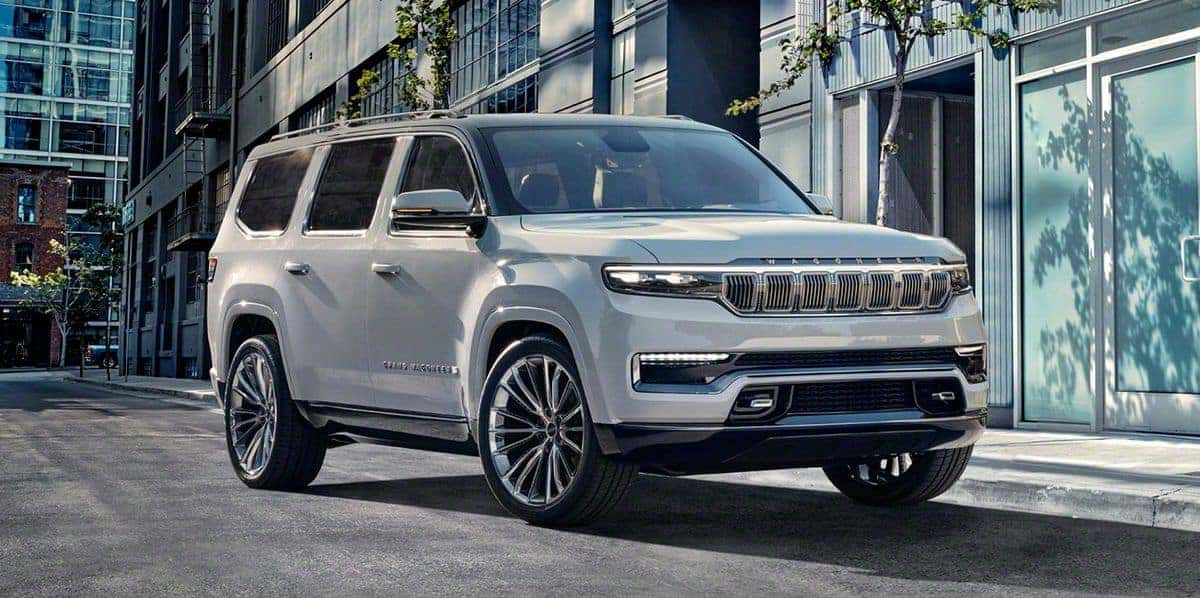
After 1991, Jeep stopped making the Wagoneer. The brand focused on other models like the Cherokee and Grand Cherokee. For nearly 30 years, the Wagoneer name was absent from showrooms.
Revival: 2021 Wagoneer Release
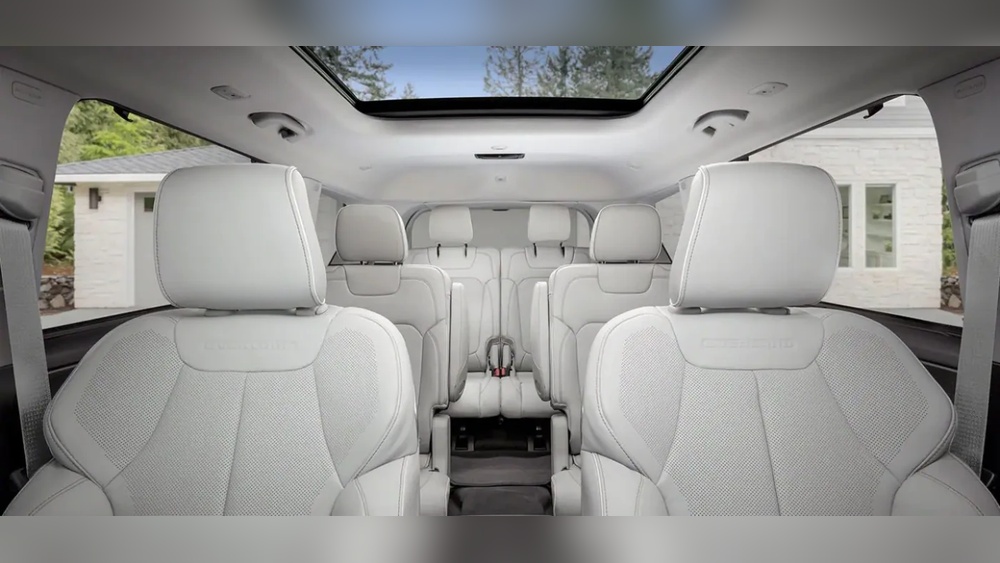
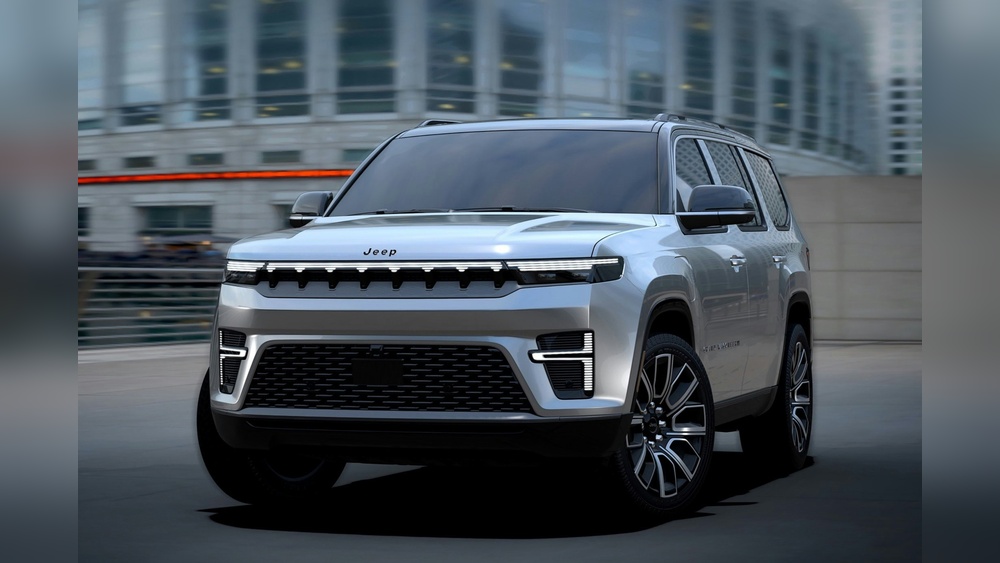
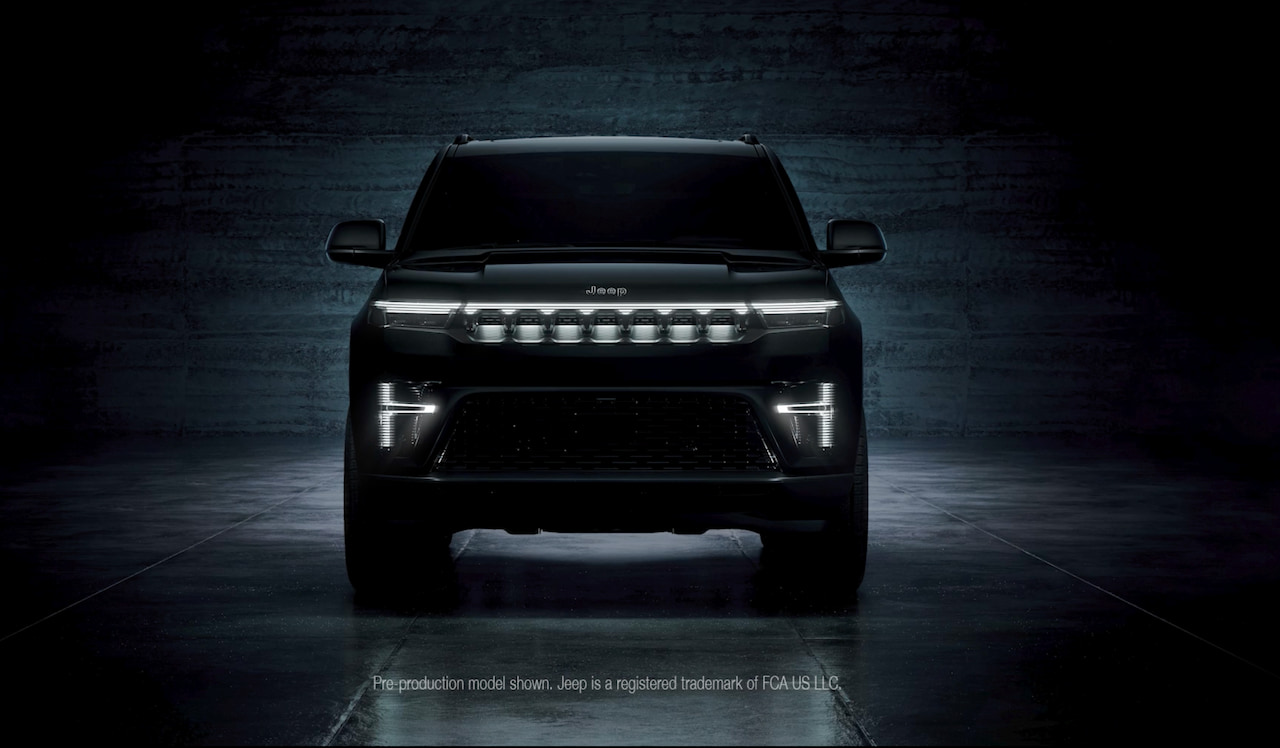
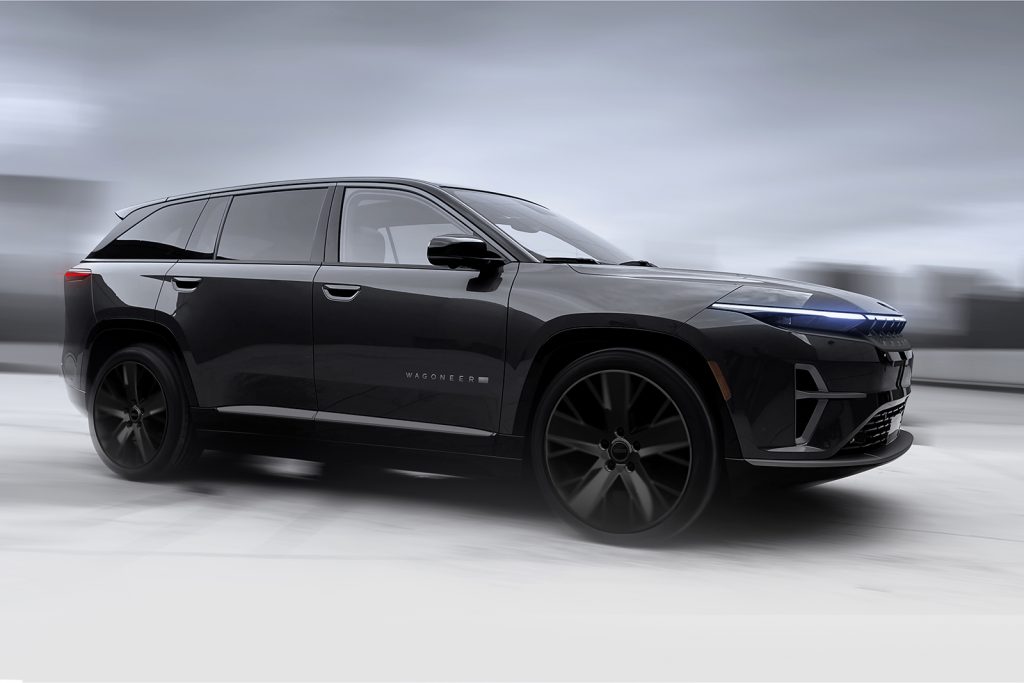
In 2021, Jeep brought back the Wagoneer name. The new Wagoneer was designed for modern families and luxury buyers. It offered advanced features like Uconnect 5 (Jeep’s infotainment system), large touch screens, and high-end materials.
| Model | Release Year | Key Features |
|---|---|---|
| Original Wagoneer | 1962 | Luxury SUV, four-wheel drive, family comfort |
| Grand Wagoneer | 1984 | Leather, wood trim, advanced electronics |
| Modern Wagoneer | 2021 | High-tech, large SUV, premium materials |
Differences Between Past And Present
The modern Wagoneer is bigger, safer, and smarter than the original. It competes with luxury SUVs like the Cadillac Escalade and Lincoln Navigator. Jeep designed it for buyers who want both ruggedness and comfort.
Non-obvious Insights About The Wagoneer
Most people know the Wagoneer as a classic SUV, but here are two things many miss:
- The Wagoneer was one of the first vehicles to offer automatic transmission in a four-wheel drive SUV. This was rare at the time and made driving easier for families.
- The original Wagoneer’s design lasted for nearly three decades with few major changes. This is unusual in car history, where most models change every 5-10 years.
These details show how the Wagoneer shaped the SUV market and stayed popular for so long.
Comparing The Wagoneer To Other Early Suvs
To understand the Wagoneer’s impact, it helps to compare it to other SUVs released in the same era.
| Model | Release Year | Main Features | Luxury Level |
|---|---|---|---|
| Jeep Wagoneer | 1962 | 4WD, automatic, comfort options | High |
| Ford Bronco | 1966 | Simple 4WD, basic interior | Low |
| Chevrolet Suburban | 1967 | Large size, basic features | Medium |
The Wagoneer stood out because it mixed ruggedness and luxury, a rare combination in the 1960s.
Why The Wagoneer Matters Today
The Wagoneer’s release in 1962 started a trend. Today’s SUVs offer both comfort and toughness, just like the original Wagoneer. Its influence is clear in models from Jeep and other brands. The return of the Wagoneer in 2021 shows that the name still has power and respect.
Many buyers now want vehicles that can handle rough roads but also look good and feel comfortable. The Wagoneer’s legacy is strong in this market.
Frequently Asked Questions
When Was The First Jeep Wagoneer Released?
The first Jeep Wagoneer was released in November 1962 for the 1963 model year.
Who Designed The Original Jeep Wagoneer?
Brooks Stevens, a famous industrial designer, created the Wagoneer’s look and features.
What Made The Wagoneer Different From Other Suvs?
It combined four-wheel drive with luxury features like automatic transmission, air conditioning, and power steering.
When Did Jeep Stop Making The Wagoneer?
Production ended in 1991 after Chrysler took over Jeep, and the name disappeared until 2021.
Where Can I Learn More About The Jeep Wagoneer’s History?
You can find more details at Wikipedia.
The Jeep Wagoneer’s story is a key part of American automotive history. Its release in 1962 changed how people saw SUVs, blending family comfort with tough performance. Whether you remember the old wood-paneled models or admire the new high-tech versions, the Wagoneer continues to be a symbol of innovation and style.