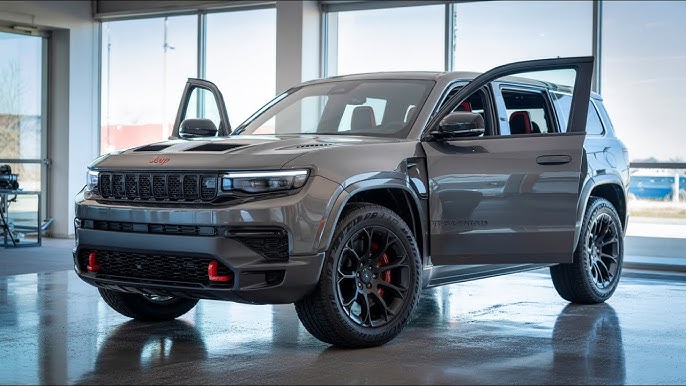
The Jeep Grand Cherokee Trackhawk turned heads when it first hit the market. With its supercharged engine and bold design, it became a symbol of American performance SUVs.
But when exactly did this powerful machine make its debut, and what made it stand out?
Let’s explore the history, release timeline, and unique features that made the Jeep Trackhawk a legend.
The Official Release Date
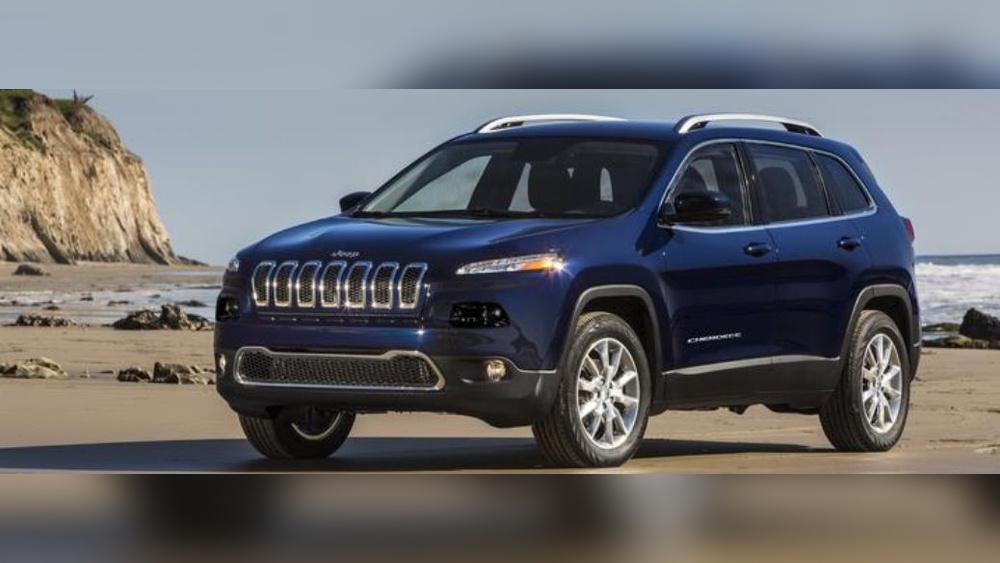
The Jeep Grand Cherokee Trackhawk was officially unveiled at the New York International Auto Show in April 2017. Jeep began taking orders in August 2017, and the first models reached dealerships in the United States in the fall of that year—specifically, October 2017. This launch marked a new era for Jeep, as it was the most powerful and fastest SUV the brand had ever produced.
Why The Trackhawk Release Was So Important
The Trackhawk’s release wasn’t just about adding another trim to the Grand Cherokee lineup. It was about making a statement. Jeep took the famous 6.2-liter supercharged Hellcat V8 engine from Dodge and put it in an SUV. This gave the Trackhawk 707 horsepower and 645 lb-ft of torque, numbers usually seen in muscle cars, not family SUVs.
What made this even more impressive is that Jeep managed to keep the Trackhawk practical. It could carry five people, had a roomy cargo area, and offered all-wheel drive.
This blend of power and everyday usability was rare in the market.
Key Features At Launch
When the Trackhawk arrived, it brought several features that set it apart from other SUVs:
- Supercharged V8 engine: The same engine found in Dodge’s Hellcat models.
- Launch Control: Allowed drivers to get maximum acceleration from a stop.
- Upgraded brakes: Brembo brakes for better stopping power.
- Performance-tuned suspension: Improved handling and stability.
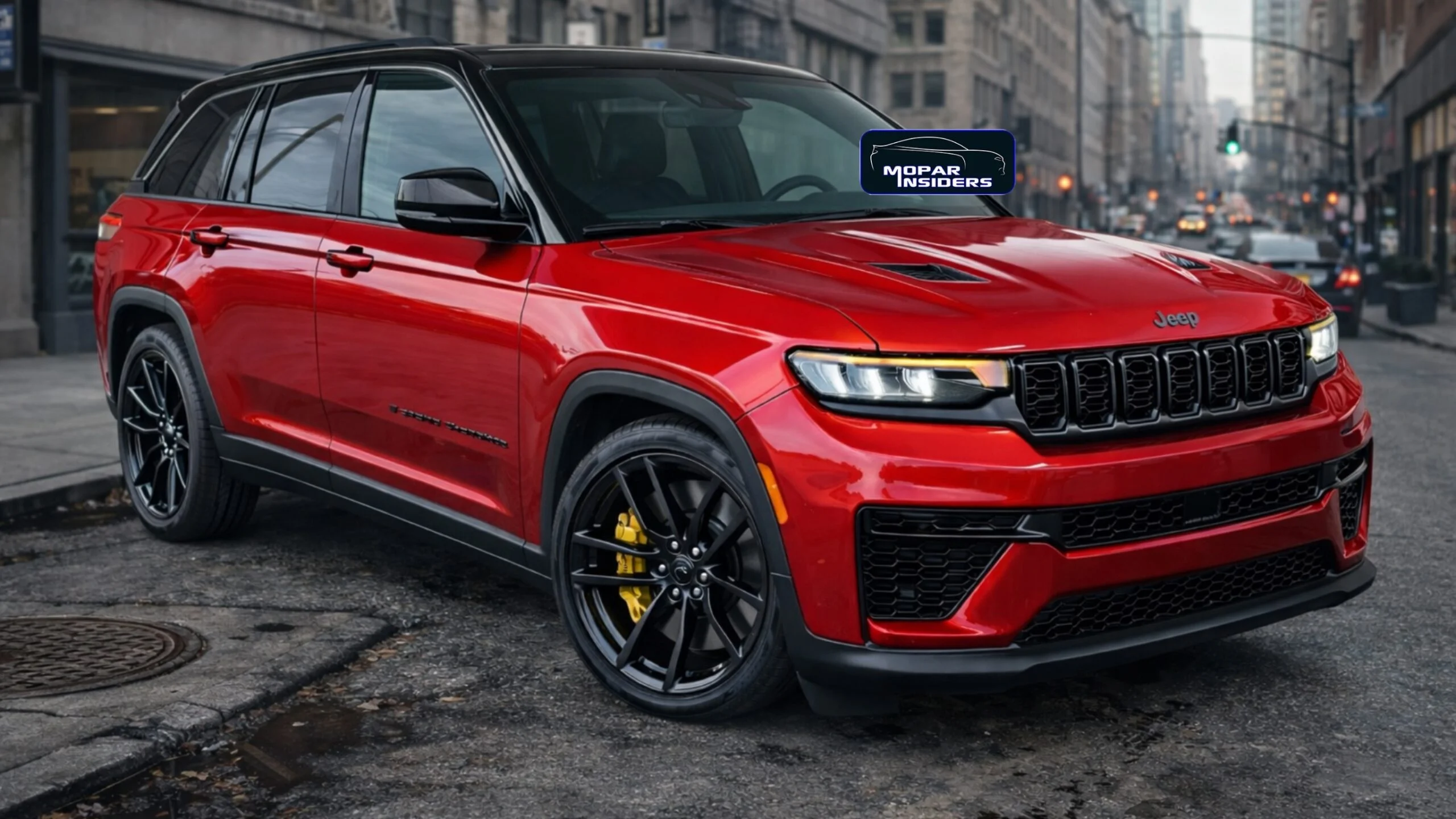
- Distinctive design touches: Unique badging, quad exhaust, and sportier styling.
These features helped the Trackhawk stand out, even among other high-performance SUVs.
Timeline Of Jeep Trackhawk Releases
To understand how the Trackhawk evolved, it helps to look at its timeline:
| Year | Milestone |
|---|---|
| 2017 | Debuted at New York Auto Show; sales began in October (US) |
| 2018 | First full model year; international availability expanded |
| 2019-2021 | Minor updates, continued production |
| 2022 | Production ended with the WK2 generation |
Jeep did not release a Trackhawk version for the all-new Grand Cherokee WL (launched in 2021), making the 2021 model the last for now.
How The Trackhawk Compared To Other Suvs
When the Trackhawk was released, it entered a segment with strong competitors. Here’s how it compared to two key rivals:
| Model | Horsepower | 0-60 mph (seconds) | Top Speed (mph) | Price at Launch |
|---|---|---|---|---|
| Jeep Trackhawk | 707 | 3.5 | 180 | $86,995 |
| Porsche Cayenne Turbo | 541 | 3.7 | 177 | $124,600 |
| BMW X5 M | 567 | 3.8 | 155 | $99,795 |
The Trackhawk offered more horsepower and faster acceleration than its European rivals, and it did so at a lower price. This value helped it attract performance lovers who wanted something different.
Notable Changes During Its Production
From its 2018 debut until production ended, the Trackhawk saw only minor updates. Most changes focused on technology, safety, and infotainment. For example, Jeep improved its Uconnect system, added more driver assistance features, and offered new color options.
However, the engine and performance parts stayed the same. The Trackhawk never got a power upgrade, which makes the original 707-horsepower figure even more impressive today.
Common Misconceptions About The Trackhawk Release
Many people believe the Trackhawk was available with the launch of every new Grand Cherokee generation. This is not true.
The Trackhawk was only produced for the WK2 generation (2017–2021). When Jeep released the new WL Grand Cherokee in 2021, they did not announce a Trackhawk version.
Another misconception is that the Trackhawk replaced the SRT model. In reality, both models were offered side by side for several years.
The SRT used a naturally aspirated 6. 4-liter V8, while the Trackhawk offered a supercharged engine.
Why The Trackhawk Stands Out Today
The Trackhawk’s release created a new category: the super SUV that doesn’t sacrifice comfort or practicality. Even years after its debut, the Trackhawk is still sought after in the used car market for its unique blend of speed and utility.
Enthusiasts also appreciate its tuning potential. The Hellcat engine responds well to upgrades, making even more power possible.
But the stock Trackhawk is already fast enough to surprise most sports cars.
Owner Insights: What Surprised Buyers
Many owners were shocked by how well the Trackhawk handled daily driving. Despite its power, it could be driven in bad weather thanks to all-wheel drive.
Another non-obvious insight is the insurance costs—owners quickly found that rates were much higher than other SUVs due to the performance.
Some beginners also missed the fact that the Trackhawk’s brakes and tires wear out faster than regular Grand Cherokees. This is the price for such extreme performance.
Legacy And Future Possibilities
With production ending in 2021, the Trackhawk has become a modern classic. Jeep has not confirmed if a new version will return for future generations.
There are rumors about an electric or hybrid high-performance Grand Cherokee, but nothing official yet.
For now, the Trackhawk remains a high point in Jeep’s performance history. It is a reminder of a time when big power and bold design were still possible in an SUV.