The Jeep Gladiator stands out as one of the most unique vehicles in the Jeep lineup. It combines the rugged features of a Jeep with the practicality of a pickup truck. If you’re wondering when the Jeep Gladiator was made, you’ll discover there’s more than one answer. The Gladiator has a rich history, with roots stretching back to the 1960s and a remarkable comeback in the 21st century. This article explains the timeline, key facts, and what makes the Gladiator special.
The Original Jeep Gladiator: 1962–1971
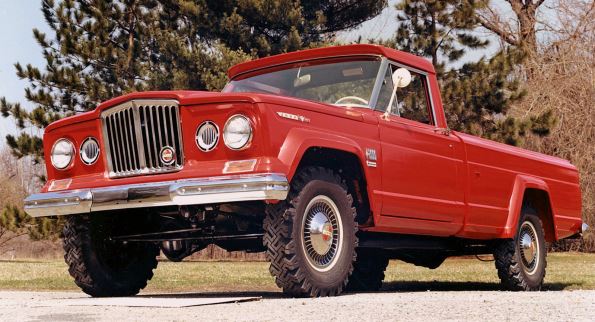
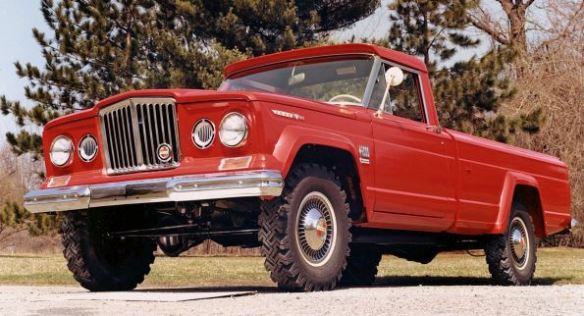
Jeep first introduced the Gladiator in 1962. Back then, it was a full-size pickup built on the Jeep Wagoneer platform. The Gladiator was designed for tough jobs and off-road adventure. It quickly became popular among farmers, construction workers, and outdoor enthusiasts. The Gladiator was often seen on ranches and job sites, where its durability proved valuable. Unlike many pickups of its era, the Gladiator offered four-wheel drive as a standard feature, which made it capable in mud, snow, and rough terrain.
The first Gladiator models had several unique features:
- Four-wheel drive as standard
- Strong six-cylinder or V8 engines
- Multiple wheelbase options
Drivers could choose different wheelbases, so the truck could be used for carrying large loads or as a more compact utility vehicle. The Gladiator also featured heavy-duty axles and solid steel construction, giving it a reputation for reliability.
Some models even included a unique "Thriftside" or "Townside" bed design, allowing buyers to pick the best setup for their needs.
Production lasted until 1971, after which Jeep changed the name to J-Series. The J-Series pickups continued until 1988, but the Gladiator name disappeared for decades.
| Model Year | Engine Options | Wheelbase (inches) |
|---|---|---|
| 1962 | 230 cu in I6 | 120, 126 |
| 1965 | 327 cu in V8 | 120, 126 |
| 1970 | 258 cu in I6 | 120, 126 |
Two things often surprise beginners:
- The original Gladiator was not based on the Wrangler, but the Wagoneer, which was a family SUV platform.
- The Gladiator name was dropped for many years, despite the truck’s popularity. Many collectors today seek out the early Gladiator models because of their rarity.
The Modern Jeep Gladiator: 2019 Onward
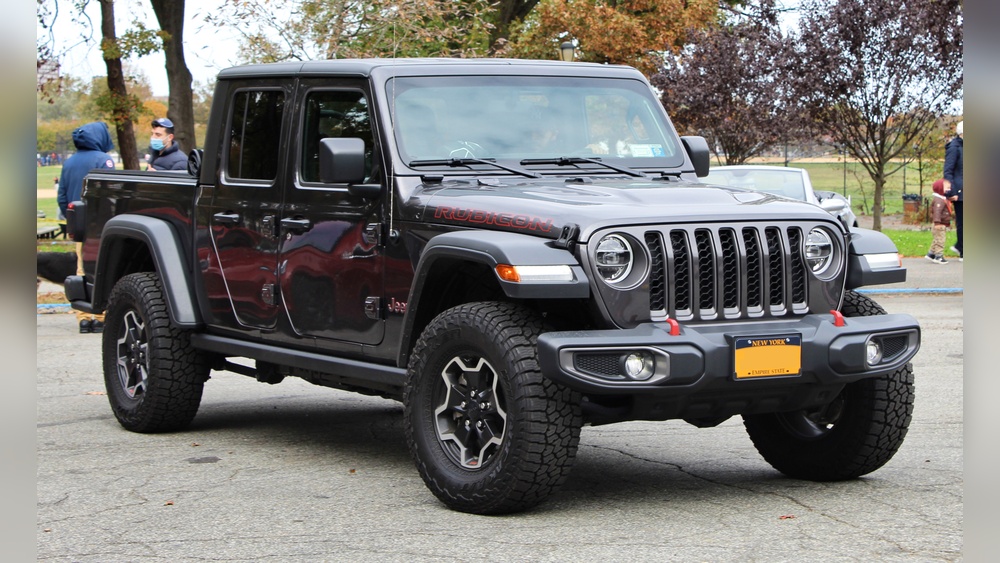
After almost 50 years, Jeep revived the Gladiator name in 2019. This new model combines the design of the Jeep Wrangler with the utility of a pickup. It was first shown at the Los Angeles Auto Show in late 2018, and sales started in spring 2019. Jeep aimed to create a truck that could handle daily driving and off-roading, while also fitting modern lifestyles.
Today’s Gladiator offers:
- Four-door crew cab
- Removable top and doors
- 5-foot truck bed
- Powerful V6 or diesel engines
The Gladiator’s removable roof and doors are unusual for a pickup, allowing drivers to enjoy open-air rides. The 5-foot bed is smaller than older Gladiators, but it’s designed for easy access and versatility.
Engine choices include the strong 3. 6L V6 and the efficient 3.
0L diesel, both capable of powering through tough trails or pulling heavy loads.
| Year | Engine | Horsepower | Payload (lbs) | Towing Capacity (lbs) |
|---|---|---|---|---|
| 2019 | 3.6L V6 | 285 | 1,600 | 7,650 |
| 2021 | 3.0L Diesel | 260 | 1,700 | 6,500 |
| 2023 | 3.6L V6 | 285 | 1,710 | 7,700 |
The modern Gladiator is the only convertible pickup truck on the US market. Most buyers are attracted by its off-road ability and unique style. Jeep sold over 77,000 Gladiators in its first full sales year (2020), showing strong demand. The Gladiator has quickly become a favorite for campers and explorers, as it can carry bikes, kayaks, and gear while still going off-road.
Key Differences Between Classic And Modern Gladiator
The Gladiator has changed a lot since the 1960s. Here’s a quick comparison:
| Feature | 1962 Gladiator | 2019 Gladiator |
|---|---|---|
| Platform | Wagoneer | Wrangler |
| Cab Style | Single or crew | Four-door crew |
| Engine Type | I6, V8 | V6, Diesel |
| Removable Roof | No | Yes |
| Bed Length | 6–8 feet | 5 feet |
Many people assume the modern Gladiator is just a Wrangler with a bed. But Jeep engineers designed new suspension and frame parts to handle heavy loads and towing.
The frame is longer and stronger than the Wrangler’s to support the truck bed and improve stability.
The Gladiator also uses advanced technology, such as locking differentials and special off-road modes, making it much more capable than older models.
Why Was The Gladiator Revived?
Jeep noticed a growing demand for mid-size trucks with strong off-road capability. Many buyers wanted a vehicle that could haul gear and still go exploring. Jeep had not offered a pickup since the Comanche ended in 1992. Outdoor activities like camping, mountain biking, and boating were becoming more popular, and Jeep wanted to meet this demand.
The Gladiator’s comeback was a strategic move:
- Filled a gap in Jeep’s lineup
- Gave Jeep fans a new option
- Targeted competitors like Toyota Tacoma and Ford Ranger
A non-obvious insight: The Gladiator’s removable roof and doors make it different from other trucks. This feature appeals to outdoor lovers and adventure seekers. Another detail many miss is that the Gladiator’s rear seats fold up, allowing extra storage space for tools or gear.

Common Misconceptions
Some people think the Gladiator is only for off-roading. In reality, it’s also practical for daily driving and work tasks.
The Gladiator’s payload and towing numbers match or beat other trucks in its class. Owners use the Gladiator for moving furniture, hauling supplies, or driving to work, not just weekend adventures.
Another misconception is that the Gladiator is just a gimmick. But its strong sales and positive reviews from critics show it’s a serious vehicle.
The Gladiator even won the 2020 North American Truck of the Year award. It has proven itself in challenging conditions, including desert races and mountain trails.
If you want to learn more about Jeep’s history and vehicles, visit Wikipedia for detailed information.
Frequently Asked Questions
When Was The First Jeep Gladiator Made?
The first Jeep Gladiator was made in 1962. It was produced until 1971, after which the name changed to J-Series. Classic Gladiators are rare and highly valued by collectors.
When Did Jeep Bring Back The Gladiator?
Jeep revived the Gladiator in 2019. It debuted at the Los Angeles Auto Show in 2018 and went on sale in spring 2019.
The new model quickly gained attention for its bold design and versatility.
What Is The Difference Between Gladiator And Wrangler?
The Gladiator is a pickup truck with a 5-foot bed, while the Wrangler is an SUV. Gladiator shares many design features with the Wrangler but has a stronger frame and longer wheelbase. The Gladiator is built to tow and carry heavier loads, while the Wrangler focuses more on passenger comfort and off-road fun.
Is The Gladiator Good For Towing?
Yes, the modern Gladiator can tow up to 7,700 pounds, depending on the engine and configuration. This is similar to other mid-size trucks.
Owners often use it for towing boats, trailers, or campers.
Are There Any Special Gladiator Editions?
Jeep has released several special editions, including the Rubicon, Mojave, and Overland trims. These offer unique features for off-road and comfort. For example, the Mojave is built for desert driving, while the Rubicon has enhanced rock-crawling abilities.
The Jeep Gladiator’s journey covers over 50 years, with two major production periods. Its revival brought fresh excitement to the pickup market, blending Jeep’s legendary off-road skills with modern truck features.
If you’re looking for a vehicle that’s both tough and versatile, the Gladiator is worth considering.