Jeep owners love to explore trails, climb rocky hills, and cross muddy paths. When the terrain gets rough, some drivers hear the term “lockers” and wonder when these devices should be used.
Lockers can make a huge difference in traction and control, but using them at the wrong time can cause problems.
Let’s break down when to use lockers on a Jeep, how they work, and what beginners often overlook.

What Are Lockers And How Do They Work?
A locker is a device inside your Jeep’s axle that forces both wheels to turn at the same speed. Normally, a Jeep uses a differential, which allows wheels to rotate independently. This is great for regular roads and turns, but not so helpful when one wheel loses grip.
Lockers come in two main types:
- Automatic lockers: Engage when needed, with no driver input.
- Selectable lockers: The driver turns them on and off, usually by pressing a button or pulling a lever.
Here’s a simple comparison between open differentials, limited-slip, and lockers:
| Type | Wheel Independence | Best Use | Drawback |
|---|---|---|---|
| Open Differential | High | Street Driving | Poor in Off-road |
| Limited-slip | Medium | Mild Off-road | Not for Extreme Terrain |
| Locker | Low (Wheels Turn Together) | Serious Off-road | Hard to Turn on Pavement |
Lockers are not for everyday driving. They’re designed to help conquer tough obstacles where regular differentials fail.
When To Use Lockers On Your Jeep
Lockers are most useful when traction is limited. Here are common scenarios where you should use them:
1. Rock Crawling
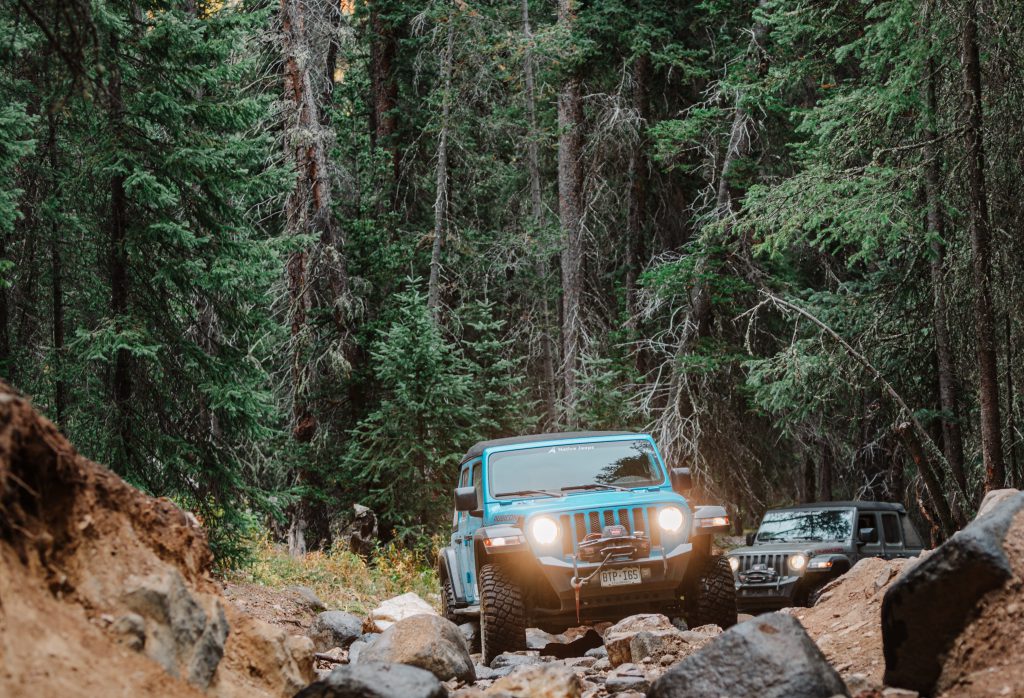
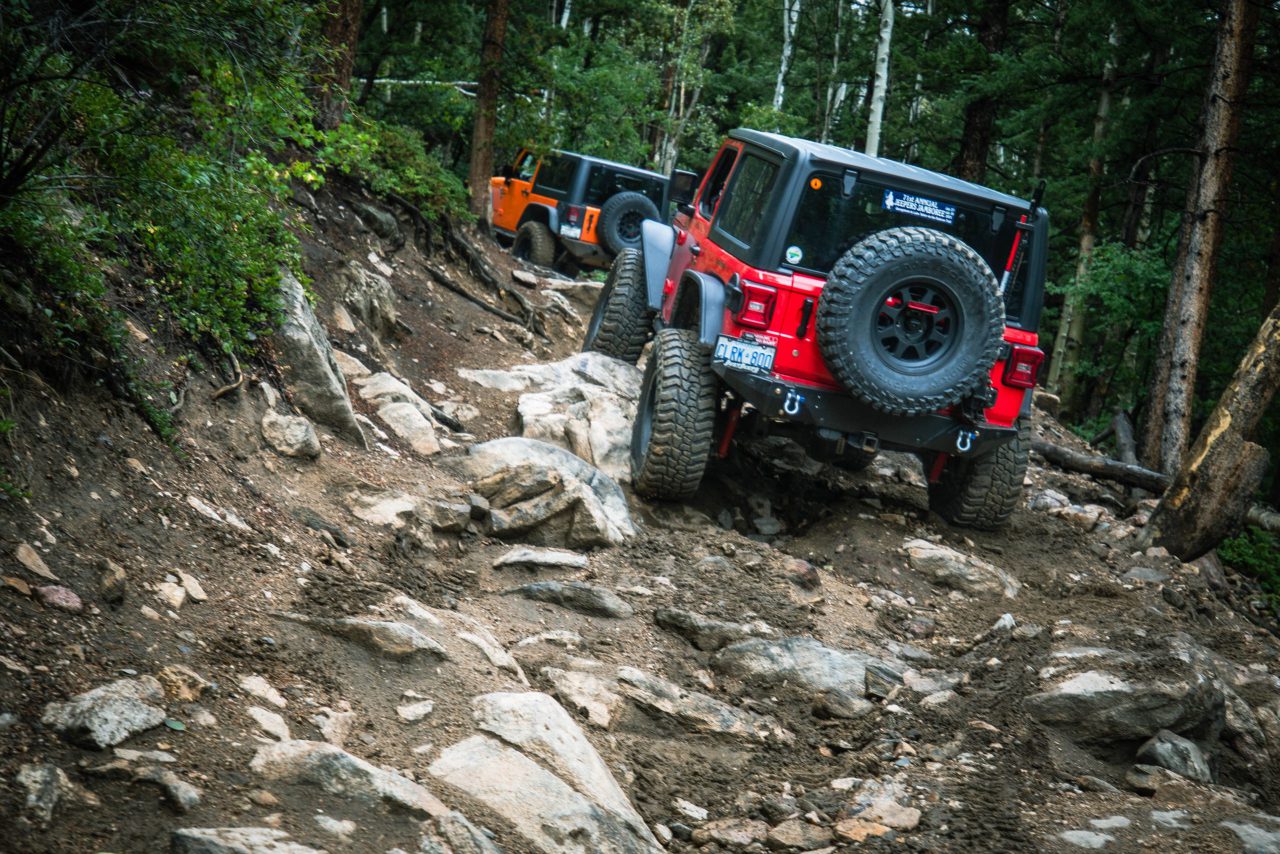
When climbing over large rocks, one or more wheels often lose contact with the ground. Lockers force both wheels to spin, so you keep moving even if one wheel is in the air.
2. Muddy Trails
Mud causes one wheel to spin out while the other sits still. Lockers help you power through slippery mud by keeping both wheels working together.
3. Deep Snow And Sand
In these soft terrains, wheels can dig in and spin. Lockers help prevent your Jeep from getting stuck by ensuring both wheels push forward.
4. Steep Hills
On a steep, loose hill, if one wheel slips, you may lose momentum. Lockers keep power balanced, so both wheels climb together.
5. Uneven Terrain
When a trail has deep ruts or holes, lockers help maintain motion, especially if one tire is lifted off the ground.
Here’s a table showing when to use lockers for different terrains:
| Terrain | Lockers Needed? | Reason |
|---|---|---|
| Rocks | Yes | Wheels lose contact |
| Mud | Yes | Traction is low |
| Sand | Yes | Prevents digging in |
| Snow | Yes | Both wheels needed |
| Pavement | No | Damage risk, hard to turn |
When Not To Use Lockers
Many beginners think more traction is always better. But using lockers at the wrong time can damage your Jeep or make driving harder.
- Dry pavement or tight turns: Lockers force both wheels to spin together, which can cause “wheel hop” and strain on axles.
- High speeds: Lockers are designed for slow, technical driving. At speed, they can make your Jeep unstable.
- Downhill driving: Lockers can reduce steering control on steep descents, especially in loose dirt.
Here’s a quick comparison of when lockers help and when they hurt:
| Situation | Use Lockers? |
|---|---|
| Slow, technical climb | Yes |
| Fast gravel road | No |
| Parking lot | No |
| Crossing deep ruts | Yes |
Tips For Using Jeep Lockers Wisely
1. Engage Lockers Before You Need Them
If you wait until a wheel is already spinning, it might be too late. Switch them on just before tough obstacles.
2. Turn Off Lockers When Back On Easy Terrain
Running lockers on flat or hard surfaces puts extra stress on drivetrain parts.
3. Practice In A Safe Area
Learn how your Jeep feels with lockers engaged. Steering will be heavier, and turning will be wider.
4. Listen For Noise
Lockers can be noisy, but loud clunks or grinding may signal a problem.
5. Check Your Owner’s Manual
Not all Jeeps have the same locker system. Some only have rear lockers, others both front and rear.

Common Beginner Mistakes
Many new Jeep owners overlook these important points:
- Forgetting to unlock after obstacles. This can cause “chirping” tires and wear out parts quickly.
- Using lockers for speed. Lockers are not for driving fast—they’re for control at low speeds.
- Ignoring tire pressure. Lowering tire pressure can often improve traction more than engaging lockers, especially in sand.
A surprising fact: Lockers won’t help much if your tires are not good for off-roading. Investing in quality off-road tires often makes a bigger difference than lockers for casual trail driving.
Are Lockers Always Needed?
Not every trail requires lockers. Many light trails and forest roads are passable with open differentials and good tires. Lockers shine on technical routes with rocks, deep mud, or severe inclines.
If you’re unsure, try a trail without lockers first. If you get stuck or spin a wheel, that’s a sign lockers could help for next time.
For many Jeep owners, a rear locker is enough for most situations. Only those tackling very tough routes or rock gardens usually need both front and rear lockers.
For more on how lockers work, check out this detailed guide.
Frequently Asked Questions
What Is The Main Purpose Of Lockers On A Jeep?
The main purpose of lockers is to maximize traction by forcing both wheels on an axle to turn together, helping your Jeep move forward even if one wheel loses grip.
Can I Use Lockers On Regular Roads?
No, using lockers on pavement or regular roads is not safe. It can damage your Jeep’s drivetrain and make turning difficult.
Do All Jeeps Come With Lockers?
Not all Jeeps have lockers. Many off-road models like the Wrangler Rubicon include them, but other trims may not. Always check your Jeep’s specs.
Should I Add Lockers Or Better Tires First?
For most drivers, upgrading to better off-road tires has a bigger impact before adding lockers, unless you tackle very extreme terrain often.
How Do I Know When To Turn Lockers On?
Turn on lockers just before you face a tough obstacle—like rocks or mud—and turn them off as soon as you’re back on easy ground.
Using lockers at the right time makes off-roading safer and more fun. With a little practice and attention, you’ll know exactly when to use lockers on your Jeep for the best adventure possible.