Jeep Wrangler drivers love exploring new paths, but knowing when to use the different 4-wheel drive modes is key for both safety and fun. One of the most useful modes is 4H (4-High), but many owners are unsure when to switch it on.
Using the wrong mode can damage your Jeep or leave you stuck, while the right choice brings confidence on rough roads. This guide explains what 4H does, when to use it, and how to get the most from your Wrangler in tricky conditions.
What Is 4h In A Jeep Wrangler?
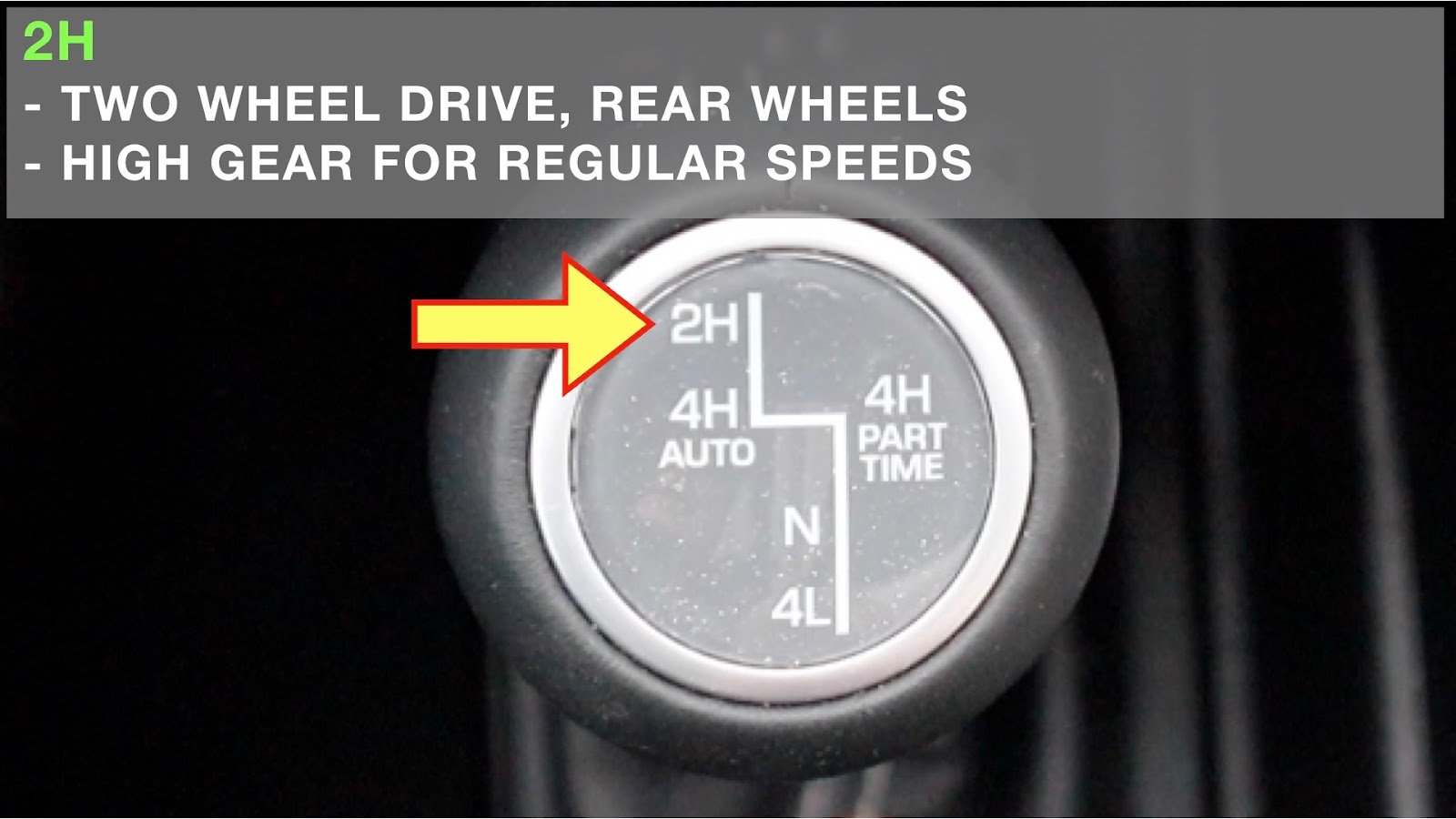
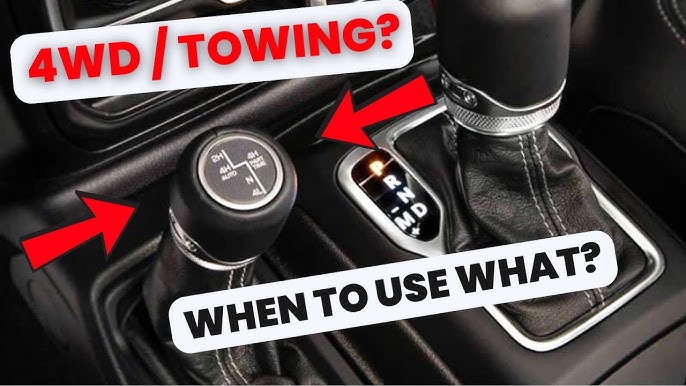
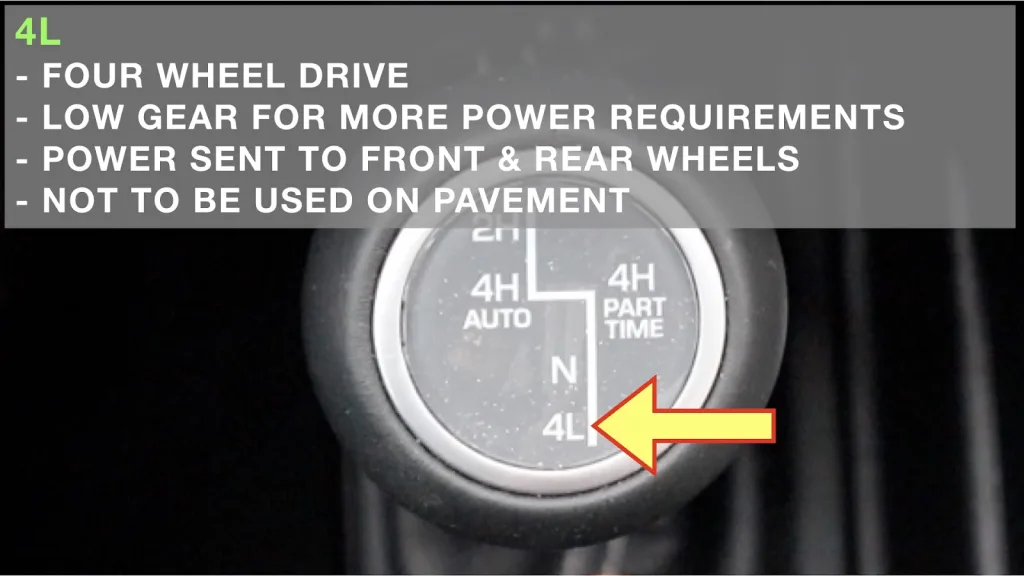
The 4H mode means your Jeep uses all four wheels for power, but at normal driving speeds. This is different from 4L (4-Low), which is for slow, very rough terrain. In 4H, the front and rear wheels turn at the same speed. It helps keep you moving on slippery or loose surfaces.
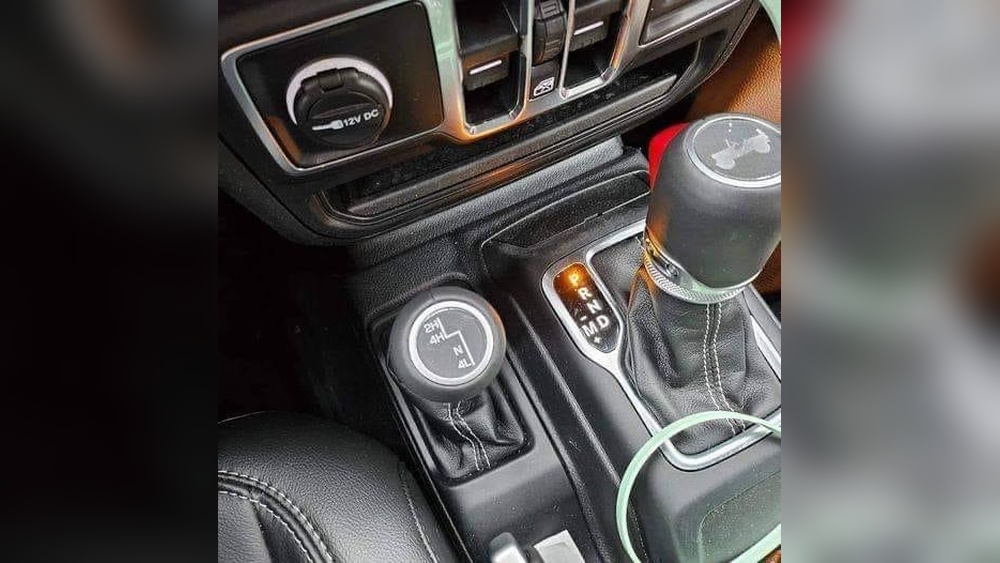
Here’s a simple comparison:
| Mode | Use Case | Speed Range |
|---|---|---|
| 2H (2-High) | Normal roads, dry pavement | Any speed |
| 4H (4-High) | Snow, sand, loose gravel | Up to ~55 mph (88 km/h) |
| 4L (4-Low) | Deep mud, rocks, steep hills | Below 25 mph (40 km/h) |
When Should You Use 4h?
Knowing when to use 4H is important for your Jeep’s health and your safety. Here are the best times to switch to 4H:
1. Snowy Or Icy Roads
If the road is covered in snow or ice, 4H helps prevent slipping. It spreads power to all wheels, so your Jeep stays more stable.
2. Loose Gravel Or Dirt
On country roads or trails with loose gravel, 4H gives better traction. You’re less likely to spin out or get stuck.
3. Wet Or Muddy Paths
After rain, dirt roads can turn muddy. 4H keeps you moving, especially if the mud isn’t too deep.
4. Beach Driving (sand)
Sand can trap two-wheel drive vehicles. 4H helps your Jeep “float” over soft sand, so you don’t sink.
5. Mild Off-road Trails
For light trails, 4H is perfect. It gives extra grip but allows for higher speeds than 4L.
When Not To Use 4h
- Dry Pavement: On dry, paved roads, 4H can cause parts to wear out quickly. Only use it when the road is slippery.
- Tight Turns on Pavement: 4H locks the front and rear wheels together. Turning sharply on dry pavement can cause “binding,” which stresses your drivetrain.
How To Switch To 4h Safely
Most modern Jeep Wranglers let you shift into 4H while driving at low speeds (under 55 mph). Here’s how:
- Reduce speed to below 55 mph.
- Shift from 2H to 4H—do this smoothly, without stopping.
- Check the indicator light on your dashboard. It should show you’re in 4H.
If you hear grinding or feel resistance, let off the gas and try again smoothly. Never force the shifter.
Example: Switching To 4h In Real Life
Imagine you’re driving and see a snowstorm ahead. As soon as the roads look slick, slow down, and move the lever to 4H.
You’ll notice your Jeep feels more controlled, especially on corners.
4h Vs 4l: Key Differences
Many Jeep owners confuse 4H and 4L. The key is speed and surface:
| Feature | 4H (4-High) | 4L (4-Low) |
|---|---|---|
| Best For | Slippery roads, sand, gravel | Deep mud, rocks, steep hills |
| Speed | Up to 55 mph | Below 25 mph |
| Torque | Normal | High (more power to wheels) |
| Shifting | Can shift while moving | Stop or crawl before shifting |
4H is for when you need extra grip at regular speeds. 4L is for crawling slowly over tough obstacles.
Two Insights Many Drivers Miss
1. You Don’t Always Need 4h On Every Slippery Road
If the road is only slightly wet, 2H is often enough. Using 4H too often on roads that aren’t truly slippery can cause unnecessary wear.
2. 4h Does Not Improve Braking
Many drivers think 4H helps stop faster. It doesn’t.
It only helps with traction when moving. You still need to drive slowly on icy roads and keep a safe distance.
Common Mistakes To Avoid
- Leaving 4H On Too Long: This wears out parts and burns more fuel.
- Using 4H on Dry Road: Can cause drivetrain damage.
- Forgetting to Shift Back: Always return to 2H when back on pavement.
Practical Tips For Using 4h
- Plan Ahead: Shift to 4H before you get stuck, not after.
- Use 4H in Short Bursts: Only for as long as needed—switch back to 2H on clear roads.
- Test on Empty Roads: If you’re new to 4H, try it in a safe, empty area first.
Real-world Example: Jeep Wrangler On The Beach
A driver in Florida used 4H to cross a long stretch of soft sand. Without it, the Jeep started to sink after just a few yards.
In 4H, the Jeep stayed on top of the sand and made it across with no problems.
Remember, airing down your tires can help even more in deep sand.
How 4h Compares To Other Systems
Some vehicles have “Auto” 4WD modes, which switch on when needed. The Jeep Wrangler’s system gives you more control, but you need to know when to use each mode.
| System | User Input Needed? | Best For |
|---|---|---|
| Jeep Wrangler Part-Time 4WD | Yes | Off-road, rough weather |
| Full-Time 4WD (other SUVs) | No | Mixed surfaces, city driving |
For a deeper explanation of 4WD systems, check the Wikipedia page on Four-wheel drive.
Frequently Asked Questions
<!– wp:rank-math/faq-block {"questions":[{"id":"faq-question-f51ef0647e05","title":"What Happens If I Use 4h On Dry Pavement?","content":"Using 4H on dry pavement can cause drivetrain binding and wear. The tires may skip or “chirp” in turns, and over time, parts may break.
“,”visible”:true},{“id”:”faq-question-65c39f396955″,”title”:”Can I Switch To 4h While Driving?”,”content”:”Yes, you can shift from 2H to 4H while moving, usually below 55 mph. Always check your owner’s manual for your specific model.
“,”visible”:true},{“id”:”faq-question-5be393d76100″,”title”:”Does 4h Help Me Drive Faster In Snow?”,”content”:”No, 4H helps you avoid slipping, but it doesn’t make driving faster safe. You should still drive slowly and carefully in snow or ice.
“,”visible”:true},{“id”:”faq-question-836d9be6ed49″,”title”:”Should I Use 4h All Winter Long?”,”content”:”Only use 4H when roads are slippery or covered in snow or ice. On dry roads, switch back to 2H to prevent wear and save fuel.
“,”visible”:true},{“id”:”faq-question-7436b3ad77d8″,”title”:”Is 4h The Same As All-wheel Drive?”,”content”:”No, 4H is part of a part-time 4WD system, not full-time all-wheel drive. 4H gives you control to choose when to engage, while AWD is always on.
When you know when to use 4H in your Jeep Wrangler, you get better traction, stay safer, and protect your vehicle. Use it wisely, and you’ll enjoy your Wrangler on any adventure.
“,”visible”:true}]} –>What Happens If I Use 4h On Dry Pavement?
Using 4H on dry pavement can cause drivetrain binding and wear. The tires may skip or “chirp” in turns, and over time, parts may break.
Can I Switch To 4h While Driving?
Yes, you can shift from 2H to 4H while moving, usually below 55 mph. Always check your owner’s manual for your specific model.
Does 4h Help Me Drive Faster In Snow?
No, 4H helps you avoid slipping, but it doesn’t make driving faster safe. You should still drive slowly and carefully in snow or ice.
Should I Use 4h All Winter Long?
Only use 4H when roads are slippery or covered in snow or ice. On dry roads, switch back to 2H to prevent wear and save fuel.
Is 4h The Same As All-wheel Drive?
No, 4H is part of a part-time 4WD system, not full-time all-wheel drive. 4H gives you control to choose when to engage, while AWD is always on.
When you know when to use 4H in your Jeep Wrangler, you get better traction, stay safer, and protect your vehicle. Use it wisely, and you’ll enjoy your Wrangler on any adventure.