Most Jeep owners love the freedom to explore off-road, drive in snow, or handle muddy trails. But knowing when to use 4H (Four High) and 4L (Four Low) can be confusing, especially if you’re new to four-wheel drive. Using these modes at the right time keeps your Jeep safe and performing at its best. Let’s break down how 4H and 4L work, when to use each, and some tips that many beginners miss.
What Are 4h And 4l?
Your Jeep’s four-wheel-drive system has different settings for different conditions.
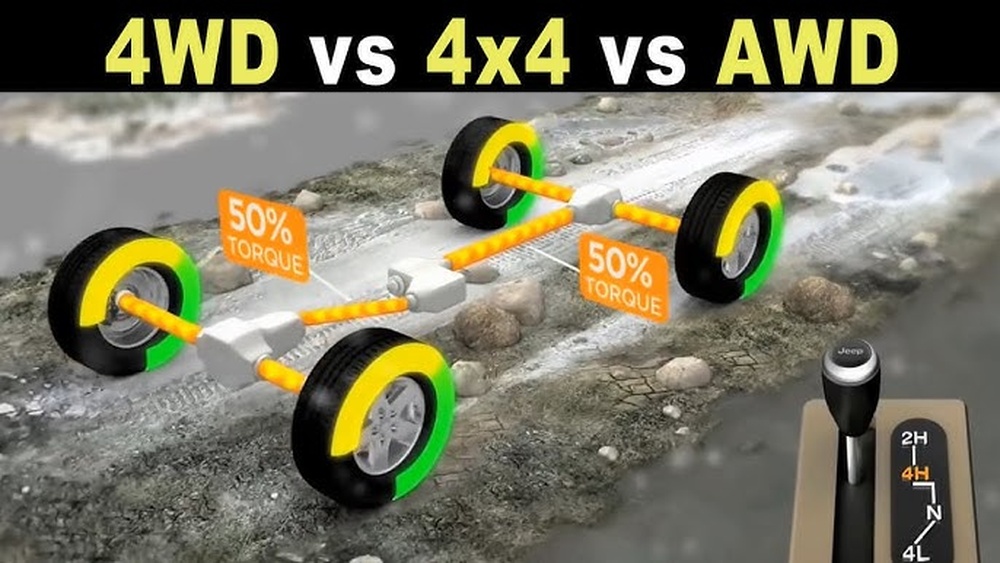
- 4H (Four High) sends power to all four wheels. It’s made for higher speeds and light off-road situations.
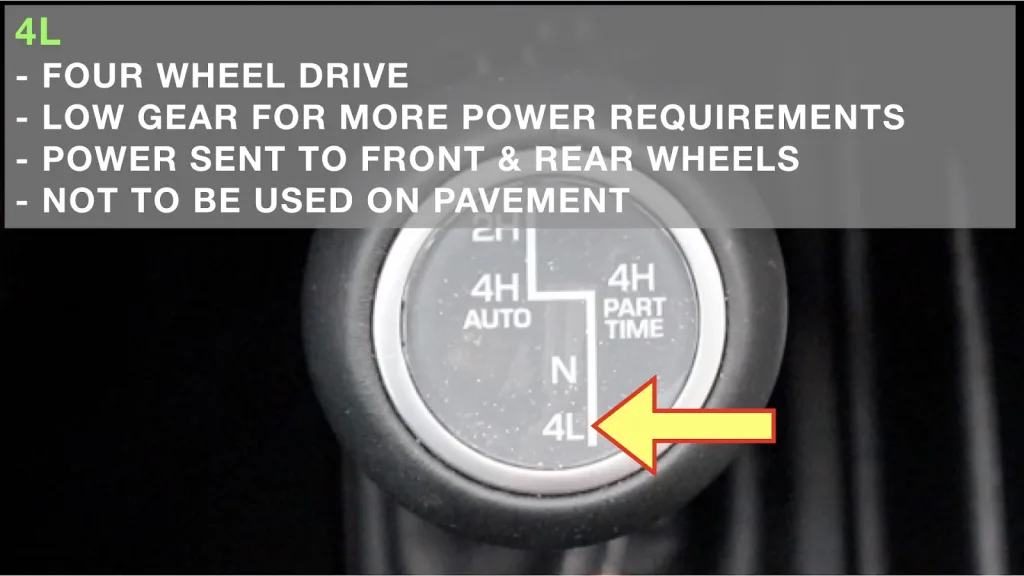
- 4L (Four Low) also sends power to all four wheels, but with extra torque and slow wheel speed. It’s for tough, slow, and slippery terrain.
Switching between these modes changes how your Jeep handles obstacles, grip, and speed. Choosing the right mode can mean the difference between a fun adventure and getting stuck.
When To Use 4h
4H is designed for situations where you need more traction but still want to drive at moderate speeds.
Common Uses For 4h
1. Snowy Or Icy Roads
On highways or city streets covered in snow or ice, 4H gives you extra grip. It helps prevent spinning wheels and sliding.
2. Rain-soaked Pavement
4H can be helpful during heavy rain, especially on unpaved or gravel roads that become slippery.
3. Light Off-road Trails
If you’re driving on dirt, sand, or loose gravel, 4H keeps you moving without losing speed.
4. Muddy Backroads
For mild mud, 4H keeps your Jeep from bogging down while letting you keep up momentum.
How To Engage 4h
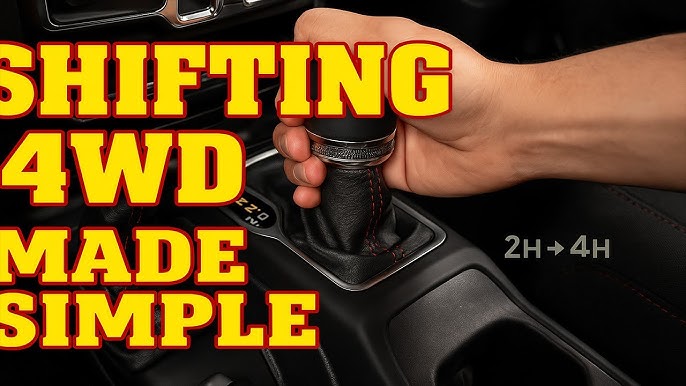
You can shift into 4H while moving (usually below 55 mph) as long as your wheels are pointing straight. Always check your owner’s manual for your specific model.
What Beginners Miss
- Don’t use 4H on dry pavement. It can strain your drivetrain and tires.
- 4H doesn’t make you invincible. You still need to drive carefully—ice and mud can still cause sliding.
When To Use 4l
4L is your “get out of trouble” setting. It’s for slow, careful driving in extreme conditions.
Common Uses For 4l
1. Steep Hills
Climbing or descending very steep slopes is safer in 4L. The extra torque helps you crawl up or down without slipping.
2. Deep Mud Or Sand
When wheels start sinking, 4L gives you more pulling power at low speeds.
3. Rock Crawling
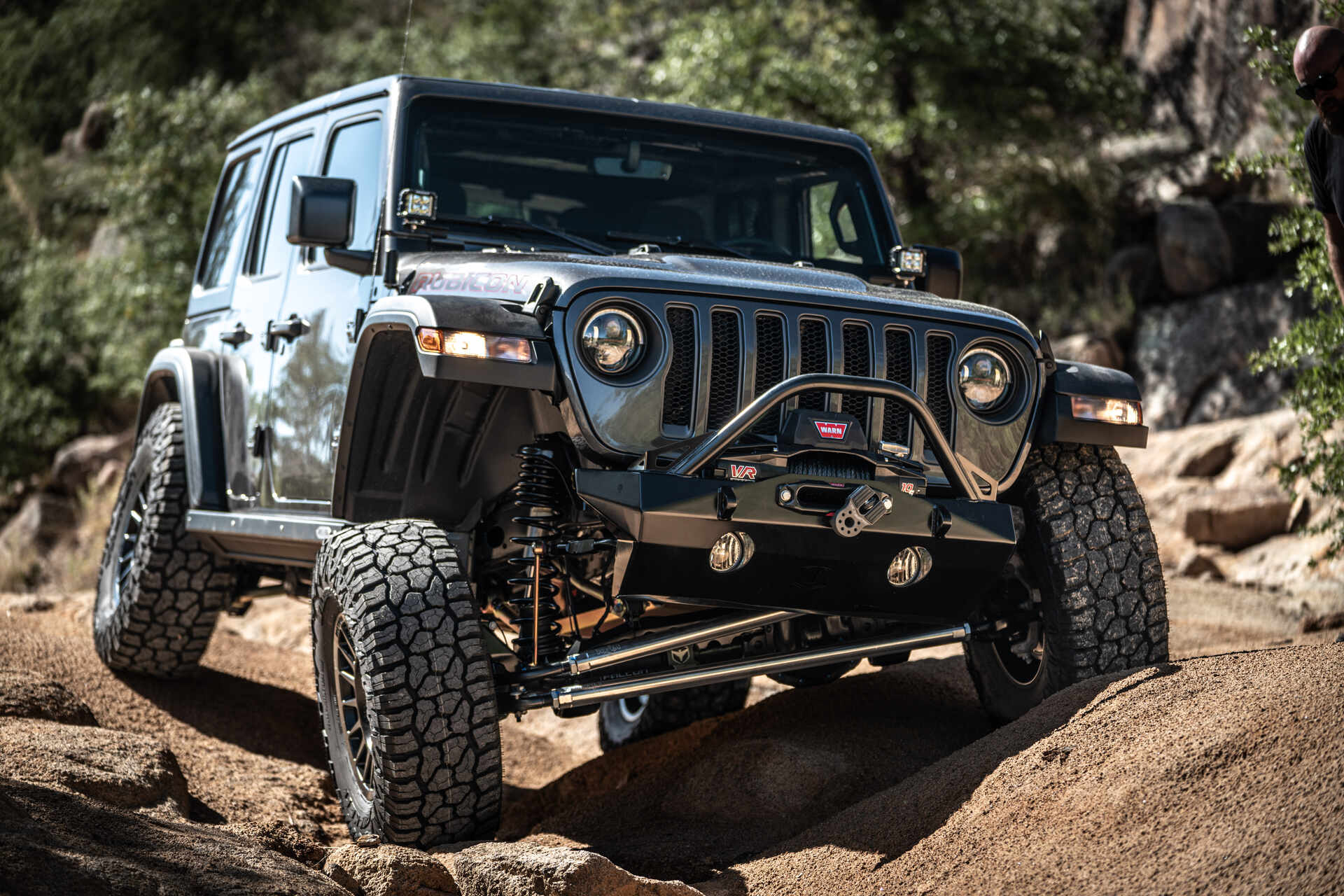
If you’re navigating over large rocks or uneven terrain, 4L lets you move slowly and steadily.
4. Water Crossings
Deep water or uneven riverbeds need slow, controlled movement 4L is perfect.
How To Engage 4l
Stop your Jeep completely before switching to 4L. Shift the transmission into neutral, then move the transfer case lever to 4L. Wait for the indicator light to confirm.
Non-obvious Insights
- Don’t drive fast in 4L. It’s not for speed. Using 4L over 15 mph can damage parts.
- 4L helps control, not just traction. It makes braking and steering easier on tough ground.
Key Differences: 4h Vs 4l
Here’s a simple comparison to help you remember when to use each mode.
| Feature | 4H (Four High) | 4L (Four Low) |
|---|---|---|
| Speed Range | Up to 55 mph | Up to 15 mph |
| Torque | Normal | High |
| Best For | Snow, light off-road, loose gravel | Steep hills, deep mud, rocks |
| How to Engage | While moving | When stopped |
Real-world Examples
Understanding theory is good, but real situations make it clearer.
- Driving to a ski resort: Start in 2H on clear roads. Switch to 4H when snow builds up. If you reach an icy, steep driveway, stop and shift to 4L for extra control.
- Beach driving: Use 4H for hard-packed sand to keep momentum. If you get stuck, stop and shift to 4L to crawl out slowly.
- Mountain trail: 4H for most of the trail. For a rocky climb, stop and use 4L for careful maneuvering.
Common Mistakes With 4h And 4l
Many drivers make errors when using their Jeep’s four-wheel drive.
1. Switching To 4l While Moving
Always stop first. Shifting into 4L while rolling can damage the transfer case.
2. Staying In 4wd All The Time
Using 4H or 4L on dry, normal roads causes unnecessary wear.
3. Ignoring Tire Differences
Tires with different sizes or wear patterns can strain the system in 4WD modes.
4. Not Shifting Back To 2h
After difficult terrain, always return to 2H for normal driving to save fuel and parts.
Quick Reference: When To Use Each Mode
Here’s a fast lookup for common situations:
| Driving Condition | Recommended Mode |
|---|---|
| Dry pavement | 2H |
| Rainy road | 2H or 4H (if slippery) |
| Snow/Ice | 4H |
| Deep mud/sand | 4L |
| Steep hills | 4L |
| Light off-road | 4H |
Maintenance Tips For 4wd Systems
Taking care of your Jeep’s four-wheel drive system helps it last longer.
- Engage 4WD regularly. Even if you don’t off-road, use 4H and 4L once a month to keep parts lubricated.
- Check fluids. The transfer case and differentials need regular checks and oil changes.
- Listen for noises. Clicking or grinding can mean a problem—have it checked by a mechanic.
Frequently Asked Questions
What Happens If I Use 4h Or 4l On Dry Pavement?
Using 4H or 4L on dry roads can cause drivetrain “binding.” This means parts are forced to move at different speeds, leading to damage.
Can I Switch Directly From 2h To 4l?
No. Stop the Jeep, shift to neutral, then move to 4L. Skipping steps can harm your Jeep’s system.
Is 4l Good For Towing Heavy Loads?
4L provides extra torque for slow, controlled towing on rough terrain. But on regular roads, use 2H or 4H. Only use 4L when needed.
Do All Jeeps Have 4h And 4l?
Most off-road Jeep models have both. Some newer or all-wheel-drive models may not, so check your owner’s manual or Jeep’s official site for details.
Should I Use 4h Or 4l In Sand?
Start with 4H on most sand. If you get stuck or hit deep, loose sand, switch to 4L for more pulling power.
Choosing between 4H and 4L doesn’t have to be stressful. With practice, you’ll know what your Jeep needs in any situation. Remember to use each mode wisely, take care of your Jeep, and enjoy the adventure.