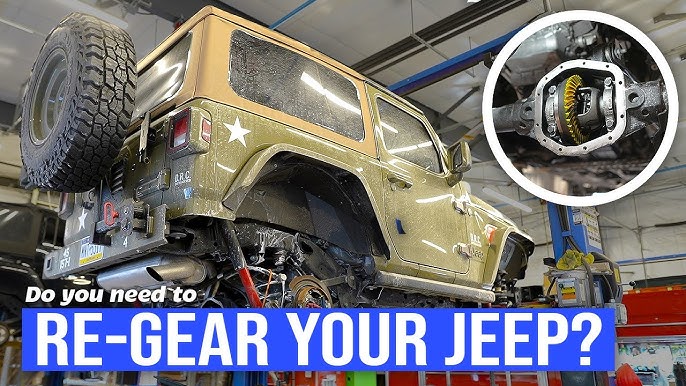
When you upgrade your Jeep JK, you want power, smooth driving, and reliability. But when you change things like tire size or add heavy gear, your Jeep might feel sluggish or work harder than it should.
This is often a sign that it’s time to regear your Jeep JK. Regearing means changing the gear ratio in your axles to match your Jeep’s new setup.
Many owners wonder when it’s really necessary—and what happens if you wait too long. This guide cuts through the confusion, so you know exactly when to regear and why it matters.
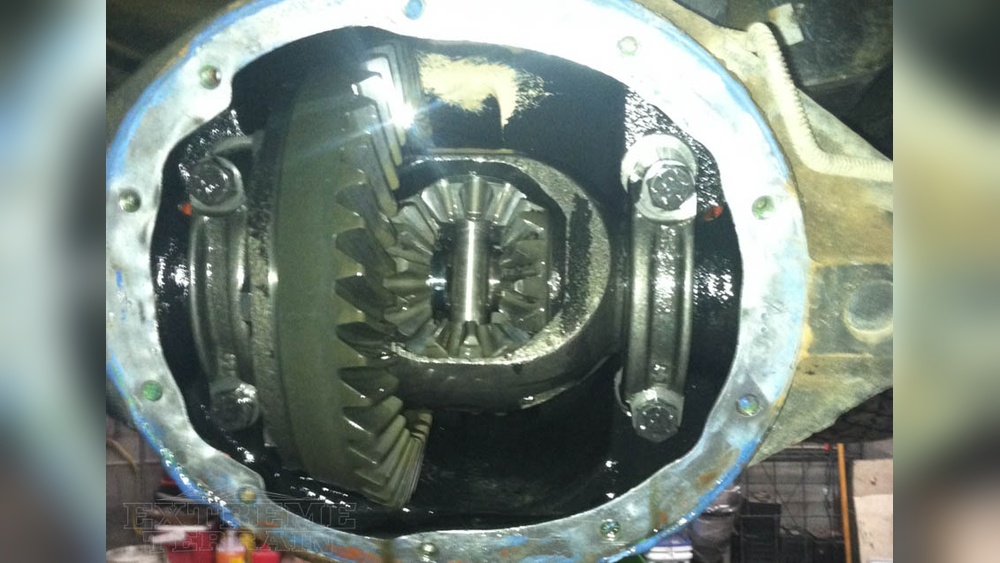
What Is Regearing And Why Does It Matter?
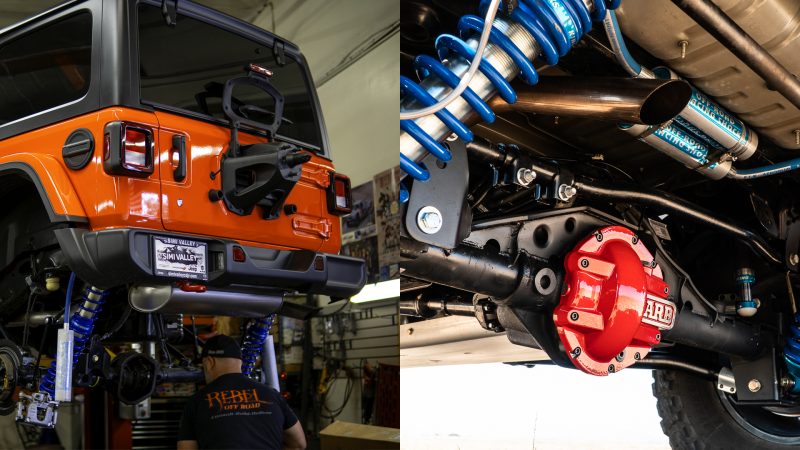
Regearing is swapping your Jeep’s differential gears for a new ratio. The ratio controls how many times your driveshaft turns compared to your wheels. If you use larger tires or carry extra weight, your stock gears work overtime. This can make your Jeep slow, strain your engine, and hurt your fuel economy.
For example: If your Jeep JK came with 3.21 gears and 32” tires, but now runs 35” tires, your engine has to work much harder to turn those big tires. Regearing helps bring your power and performance back to normal.
Key Signs You Need To Regear Your Jeep Jk
- Big Tire Upgrades: If you install tires that are 2+ inches bigger than stock, your gears are now mismatched. The Jeep will feel slower off the line and struggle in higher gears.
- Poor Acceleration: Does your Jeep feel “lazy” when you press the gas? If it takes longer to get up to speed, your gear ratio is probably too tall.
- Transmission Hunting: Your Jeep keeps shifting up and down, especially on hills or highways. This “gear hunting” means your Jeep is working too hard.
- Bad Fuel Economy: After tire or weight upgrades, your MPG drops noticeably. The engine is burning more fuel to push the same weight.
- Towing Struggles: If you tow with your JK, the wrong gears make towing harder, especially on grades.
- Off-Road Weakness: Climbing, crawling, or sand driving feels much more difficult. The Jeep lacks low-end torque.
How Tire Size And Gearing Work Together
When you go bigger with tires, you change the Jeep’s final drive ratio. Here’s a quick look at how tire size affects the need for regearing:
| Tire Size (inches) | Stock Gear Ratio | Recommended Gear Ratio |
|---|---|---|
| 32″ | 3.21 / 3.73 | Stock usually fine |
| 33″ | 3.21 / 3.73 | 4.10 |
| 35″ | 3.21 / 3.73 | 4.56 |
| 37″ | 3.73 | 4.88 |
If you drive mostly highway, a slightly lower ratio (numerically higher) may help with fuel economy. But for off-roading or towing, go with the higher recommendation.
How To Know It’s Time: Real-world Examples
Example 1: You switch from 32” to 35” tires. At first, your Jeep looks great, but soon you notice it’s slow at stoplights and shifts constantly at 65 mph. Fuel economy drops by 3 mpg. This means your gears are now too tall—regearing is needed.
Example 2: You add heavy bumpers, a winch, and rooftop tent. Even with stock tires, hills feel harder and the Jeep downshifts often. Extra weight can also be a sign to regear.
Non-obvious tip: Altitude matters. If you live in a high place (like Denver), your engine makes less power, so regearing helps even more.
Choosing The Right Gear Ratio For Your Build
Selecting the correct gear ratio depends on:
- Tire size
- Engine type (3.6L or 3.8L)
- Transmission (automatic or manual)
- How you use your Jeep (city, highway, off-road, towing)
Here’s a comparison of common ratios:
| Gear Ratio | Best For | Pros | Cons |
|---|---|---|---|
| 4.10 | 33” tires, light off-road | Good balance | Not enough for 35”+ |
| 4.56 | 35” tires, mixed driving | Strong acceleration | Higher RPM at highway speed |
| 4.88 | 37” tires, towing, off-road | Great low-end power | Lower MPG on highway |
Common mistake: Choosing too low of a ratio to “save fuel.” This can make your Jeep slower and less fun to drive. Always match the gears to your tires and use.
What Happens If You Don’t Regear?
Ignoring the need to regear can cause:
- Transmission overheating from constant shifting
- Engine strain and reduced lifespan
- Worse gas mileage
- Poor towing performance
- Loss of power on and off-road
Over time, these problems can cost much more than the price of a regear.
Cost, Time, And What To Expect
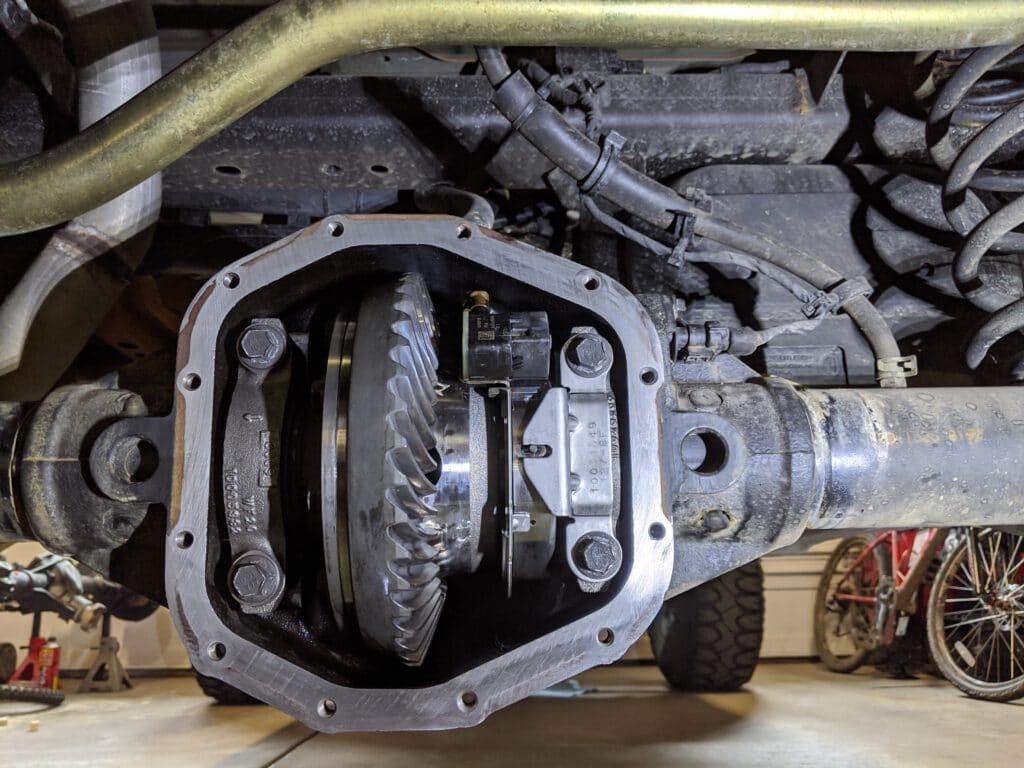
A typical regear for a Jeep JK costs $1,500–$2,000 for parts and labor. Both axles must be done together for 4WD. The job takes 1–2 days at a shop.
Pro tip: Always break in new gears gently (no hard driving or towing for first 500 miles) and change the gear oil after the break-in.
Frequently Asked Questions
<!– wp:rank-math/faq-block {"questions":[{"id":"faq-question-286a6aabd184","title":"How Do I Know If My Jeep Jk Needs New Gears After Tire Upgrades?","content":"If you notice slower acceleration, more shifting, or worse fuel economy after installing bigger tires, it’s time to consider regearing.
“,”visible”:true},{“id”:”faq-question-b96983704f19″,”title”:”Will Regearing Hurt My Jeep’s Reliability?”,”content”:”No, properly installed gears usually improve reliability by reducing strain on your engine and transmission.
“,”visible”:true},{“id”:”faq-question-848e2c577edd”,”title”:”Can I Regear My Jeep Jk At Home?”,”content”:”It’s possible, but regearing is complex and requires special tools and experience. Most owners use a trusted off-road shop.
“,”visible”:true},{“id”:”faq-question-f54653e7579b”,”title”:”Is Regearing Needed For 33-inch Tires?”,”content”:”With 33-inch tires, regearing is recommended but not always required. If you feel power loss or tow often, go for it.
“,”visible”:true},{“id”:”faq-question-7c423025a2e9″,”title”:”Where Can I Find More Information About Gear Ratios?”,”content”:”You can read more at the official Mopar Gear Ratio Guide.
Regearing your Jeep JK isn’t just about numbers—it’s about making your Jeep fun, safe, and capable again. If you’ve made big changes, don’t wait: the right gear ratio brings back the power and enjoyment you expect.
“,”visible”:true}]} –>How Do I Know If My Jeep Jk Needs New Gears After Tire Upgrades?
If you notice slower acceleration, more shifting, or worse fuel economy after installing bigger tires, it’s time to consider regearing.
Will Regearing Hurt My Jeep's Reliability?
No, properly installed gears usually improve reliability by reducing strain on your engine and transmission.
Can I Regear My Jeep Jk At Home?
It’s possible, but regearing is complex and requires special tools and experience. Most owners use a trusted off-road shop.
Is Regearing Needed For 33-inch Tires?
With 33-inch tires, regearing is recommended but not always required. If you feel power loss or tow often, go for it.
Where Can I Find More Information About Gear Ratios?
You can read more at the official Mopar Gear Ratio Guide.
Regearing your Jeep JK isn’t just about numbers—it’s about making your Jeep fun, safe, and capable again. If you’ve made big changes, don’t wait: the right gear ratio brings back the power and enjoyment you expect.