When you live in a place where winter brings snow and icy roads, driving your Jeep can feel challenging. Luckily, many Jeep models come with Snow Mode—a feature designed to help you stay safe and in control.
But when should you actually use Snow Mode? Is it only for deep snow, or does it help in other slippery situations?
Understanding this feature fully can make a big difference in your driving experience, and even prevent accidents. Let’s dig into when to put your Jeep in Snow Mode and how to use it for the best results.
What Is Snow Mode In A Jeep?
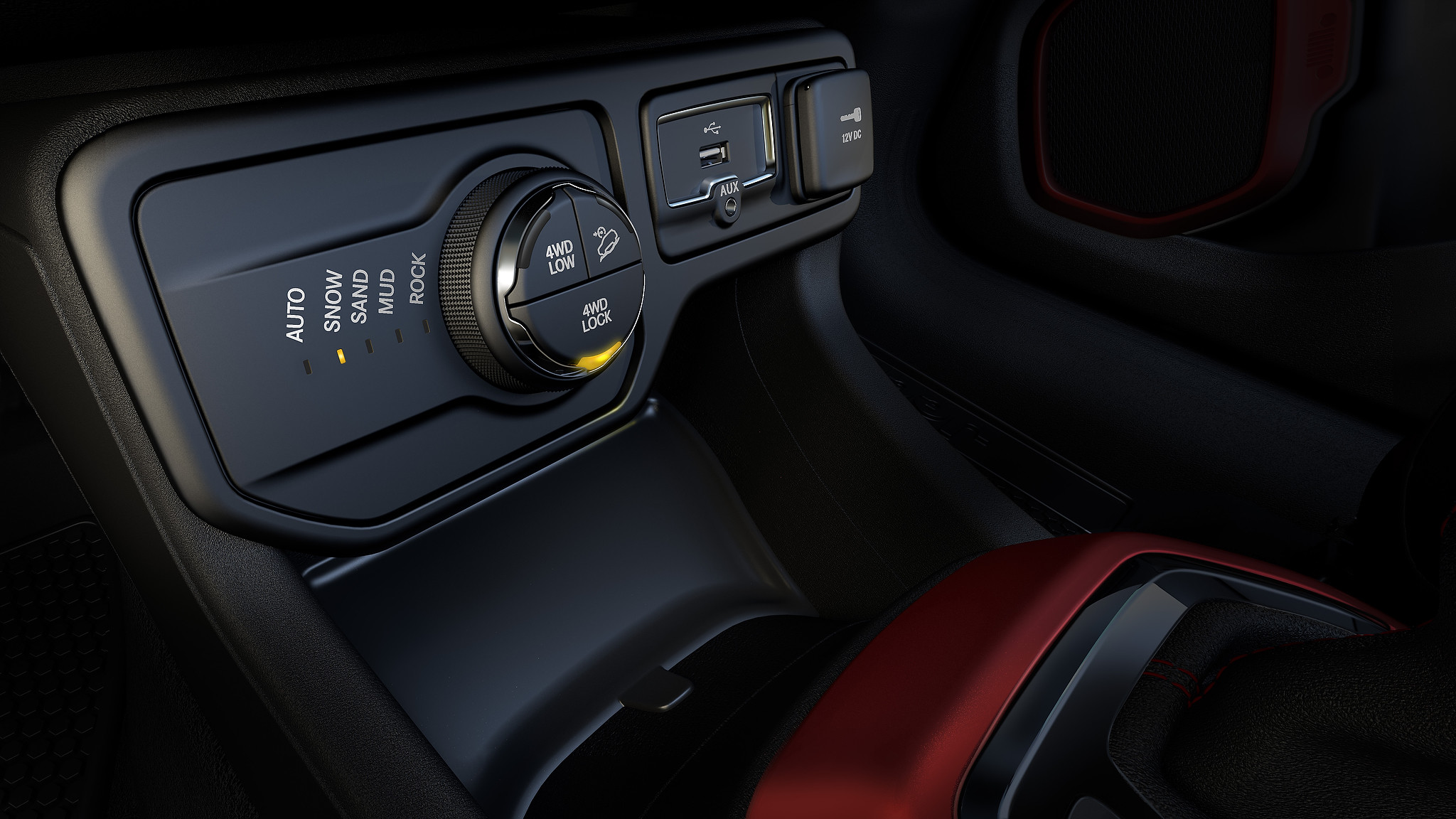
Snow Mode is part of Jeep’s Selec-Terrain® Traction Management System. When activated, this system automatically adjusts how your vehicle behaves on slippery surfaces. It changes things like:
- Throttle response (how fast the car accelerates)
- Transmission shifts (when gears change)
- Power distribution between the front and rear wheels
The goal is to reduce slipping, improve traction, and help you stay in control on snow and ice. Snow Mode is usually available in models like the Grand Cherokee, Cherokee, Compass, and Renegade.
When Should You Use Snow Mode?
You should use Snow Mode when you face slippery winter conditions. Here are the most common situations:
- Fresh snowfall – When there’s a new layer of snow on the road, grip is low. Snow Mode helps your Jeep start and stop with less sliding.
- Icy roads – Even if you don’t see deep snow, icy patches are dangerous. Snow Mode softens acceleration and keeps tires from spinning.
- Slushy streets – Melting snow mixed with water can be just as slippery as ice. Snow Mode improves grip in these conditions.
- Packed snow – After snowplows pass, roads can have hard, packed snow. Snow Mode keeps your Jeep stable.
- Driveways and parking lots – These areas often get icy before main roads. Use Snow Mode to avoid getting stuck or sliding.
Some Jeep owners wonder if Snow Mode helps in rain. While it’s not designed for wet pavement, it’s best to use Auto or Normal mode in heavy rain. Save Snow Mode for snow, slush, and ice.
How Snow Mode Works: A Closer Look
Activating Snow Mode changes several systems at once. Here’s what happens under the hood:
- Engine power delivery becomes smoother. The Jeep won’t jump forward when you press the gas pedal.
- Traction control becomes more sensitive. If a wheel slips, the system quickly cuts power or applies brakes.
- All-wheel drive or four-wheel drive sends more power to the wheels with the most grip.
- Transmission shifts earlier, keeping the engine at lower speeds to reduce spinning.
This combination makes it much harder to lose control on slick surfaces.
Example: Grand Cherokee Snow Mode Vs. Auto
Let’s compare how a 2023 Jeep Grand Cherokee reacts in different modes:
| Feature | Auto Mode | Snow Mode |
|---|---|---|
| Throttle Response | Normal | Reduced for less slip |
| Power Distribution | Varies with need | More to front and rear |
| Traction Control | Standard | Highly sensitive |
You’ll notice that Snow Mode is designed to be less aggressive and more controlled.
How To Activate Snow Mode
Activating Snow Mode is simple, but always do it before you start moving. Here’s how:
- Stop your vehicle if possible.
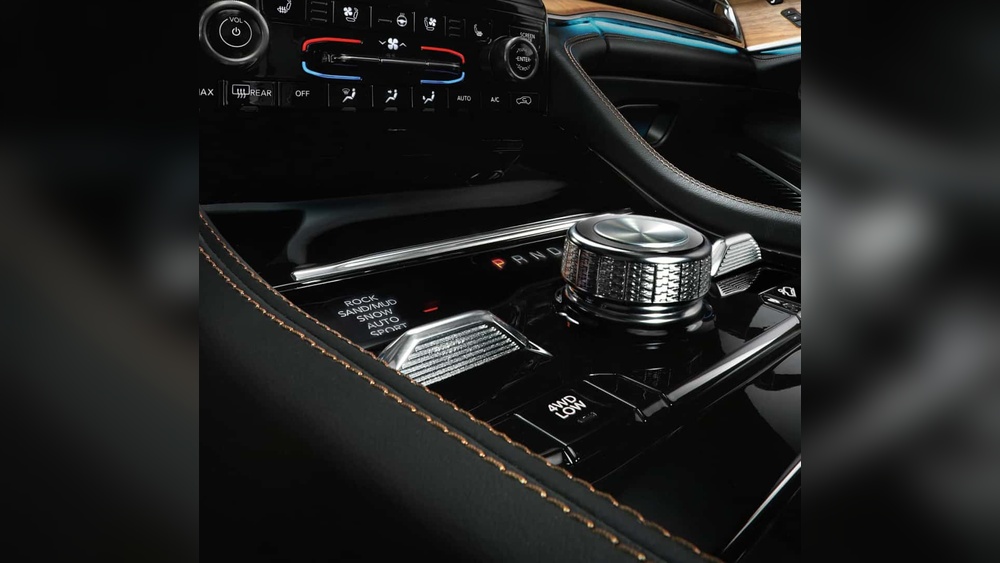
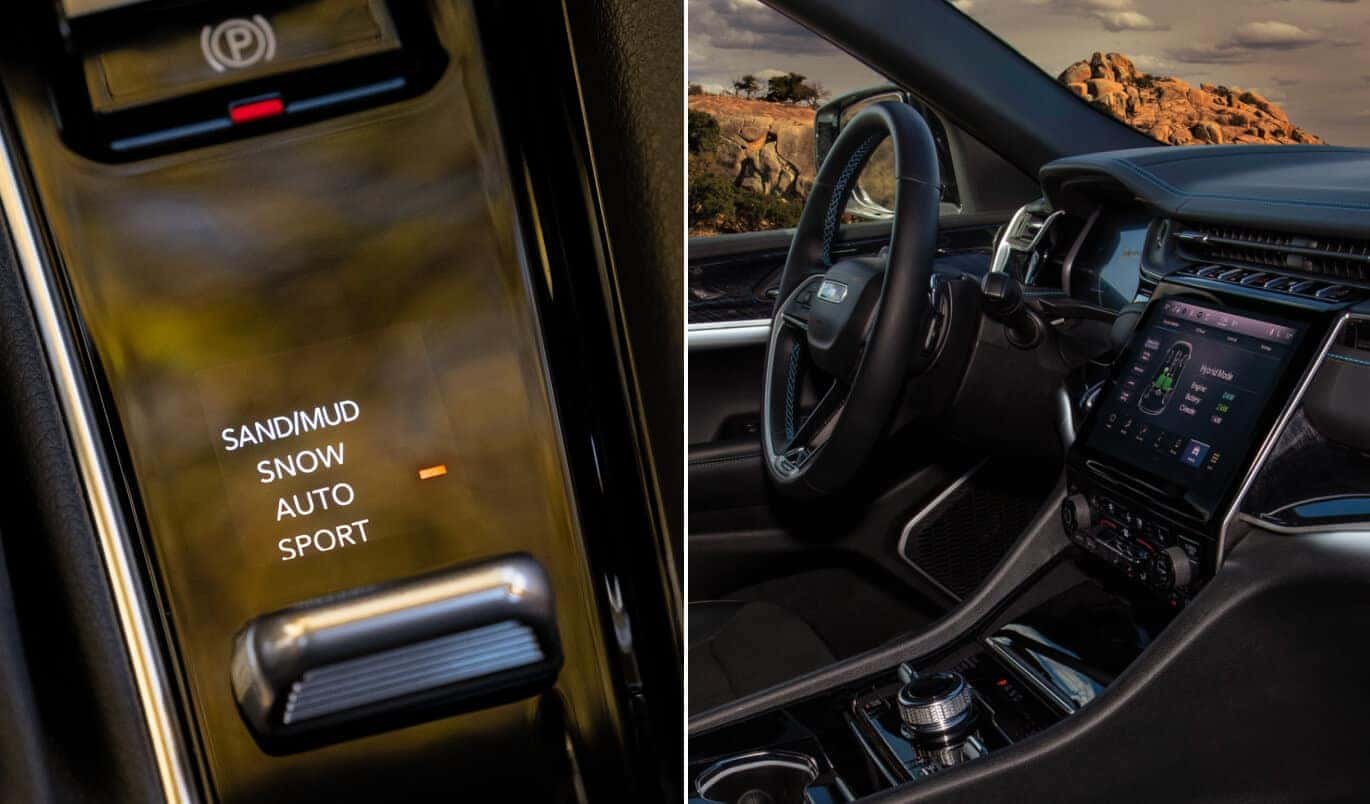
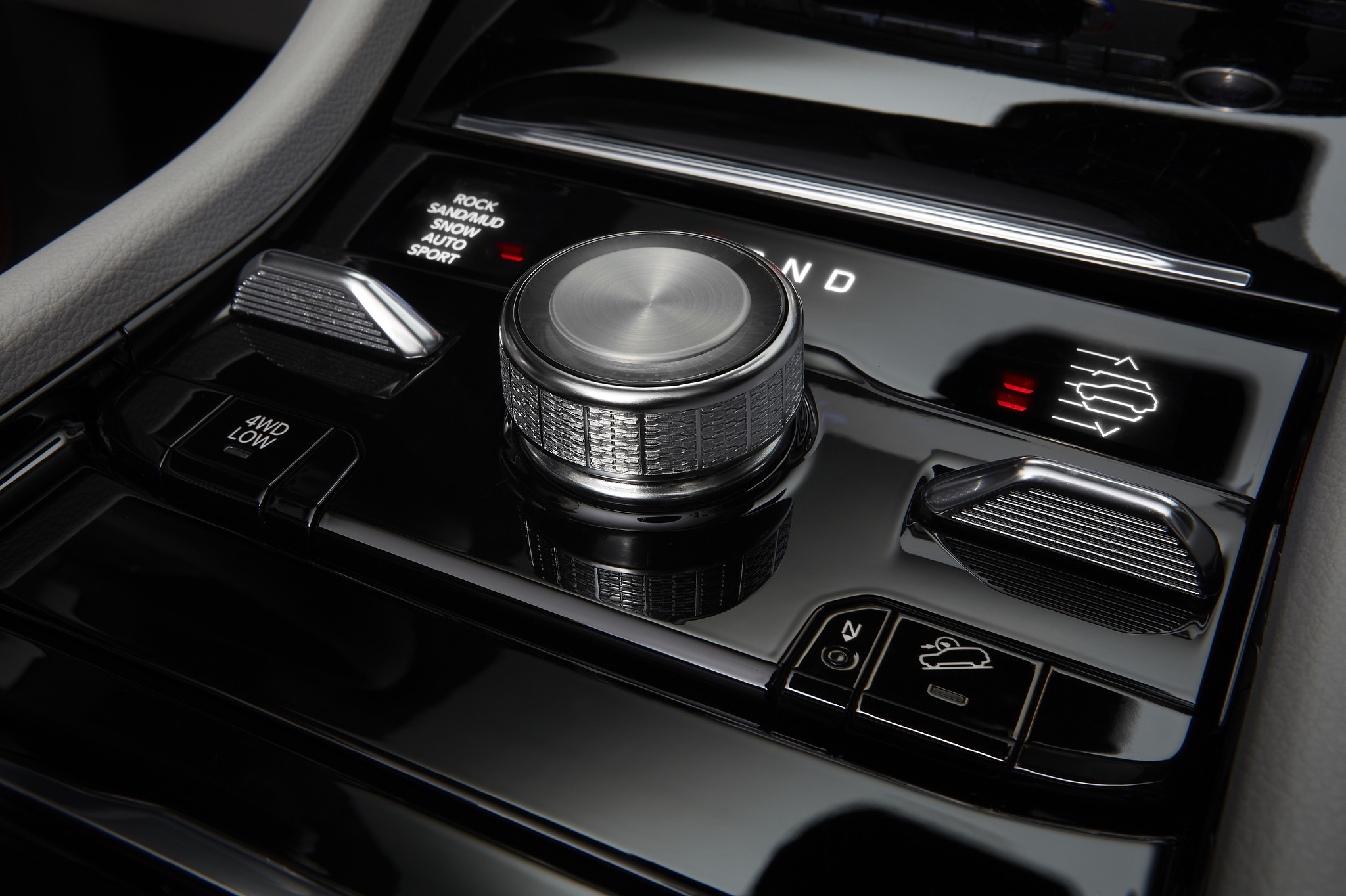
- Locate the Selec-Terrain® dial or button—usually near the gear shifter.
- Turn or press until you select Snow.
- Wait for the dashboard to confirm the mode.
You can shift to Snow Mode while driving slowly, but avoid changing modes at high speed.
Real-world Tips For Driving In Snow Mode
- Always use winter tires – Snow Mode helps, but tires matter most. All-season or summer tires lose grip fast in cold conditions.
- Don’t overestimate grip – Snow Mode improves traction, but you still need to drive slowly and keep a safe distance.
- Use gentle movements – Brake, steer, and accelerate smoothly. Sudden actions can still cause sliding.
- Know when to switch back – Once you’re on clear, dry roads, return to Auto or Normal mode for better fuel economy.
Comparing Snow Mode To Other Modes
Many Jeep models have several terrain modes. Here’s how Snow Mode compares to others:
| Mode | Best For | Key Feature |
|---|---|---|
| Auto | Everyday driving | Adapts to conditions |
| Snow | Snow/Ice/Slush | Max traction, soft throttle |
| Sand/Mud | Loose surfaces | Higher wheel spin allowed |
| Rock | Low-speed climbing | Max torque, slow response |
Don’t use Snow Mode for sand, mud, or dry roads—each mode is tuned for specific traction needs.
Common Mistakes Jeep Owners Make
Many drivers rely too much on technology. Here are two mistakes to avoid:
- Thinking Snow Mode makes you invincible – It helps with grip, but it can’t change road physics. Always drive carefully.
- Using the wrong tires – Even with Snow Mode, summer tires are dangerous in winter. Invest in good winter tires for true safety.
Another mistake: forgetting to turn off Snow Mode when roads clear up. This can make your Jeep feel sluggish and use more fuel.
Non-obvious Insights For New Jeep Drivers
- Snow Mode can help on steep driveways – If your driveway is icy, switching to Snow Mode can help you climb without spinning out.
- It’s useful in stop-and-go traffic – Snow Mode’s gentle throttle is great when you’re starting and stopping often on slippery roads.
Many beginners think Snow Mode is only for deep snow, but it also helps in any low-traction winter situation.
Frequently Asked Questions